

BEC Radar Intelligence · 10 August 2026
A selective review of developments with the potential to affect how biomass resources, energy crops and biobased supply chains are evidenced, contracted and financed.
Evidence quality is becoming more material to investment decisions.
Verra’s proposed revision would require more operational evidence; Uruguay is beginning to organise residue pathways; and both long-term crop research and industrial transactions are placing greater value on dependable feedstock, field performance and integrated supply chains.
How we read the market: each item separates the verified development from BEC’s interpretation of its relevance for feedstock strategy, project development and investment decisions. Proposed rules, announced targets and company claims remain clearly attributed.
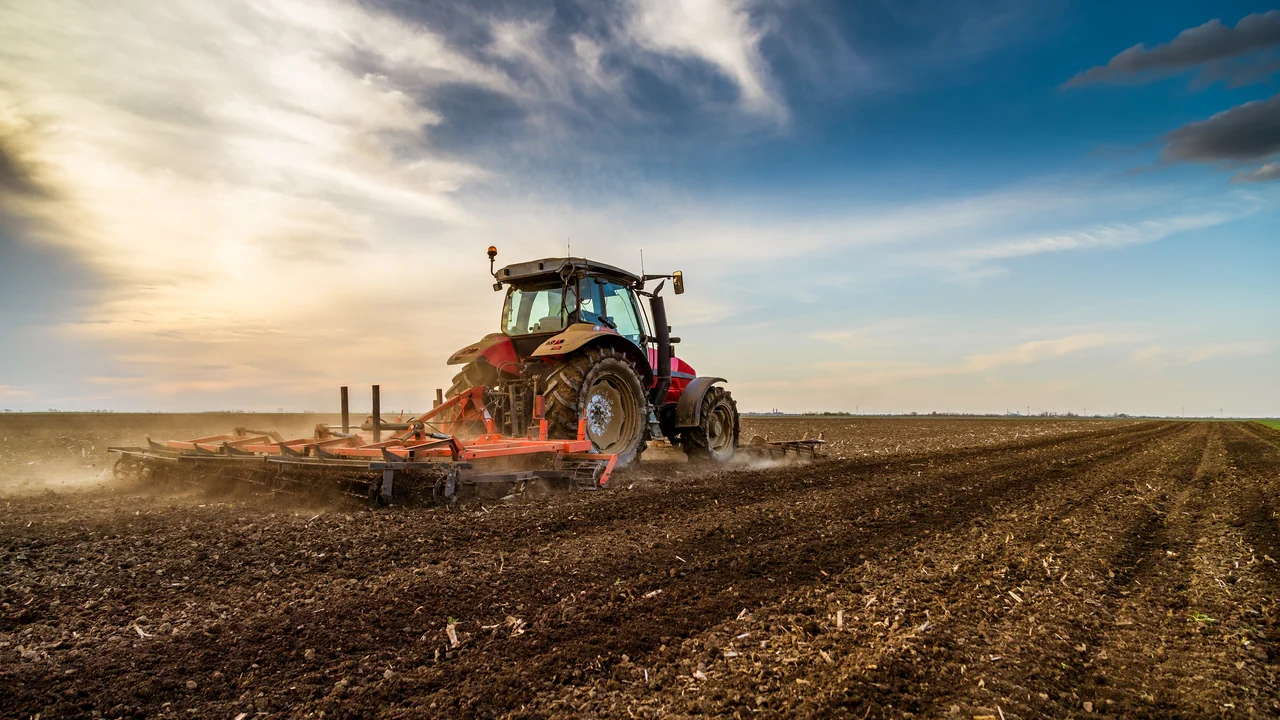
Proposed VM0044 v2.0 would make feedstock evidence and operating data central to quantification
Verra opened a public consultation on 15 July on a major revision to its biochar methodology. The proposed VM0044 v2.0 would continue to cover removals from converting waste biomass into biochar for soil and non-soil applications, while making the route from feedstock origin to final application considerably more explicit. Consultation closes on 17 August 2026; version 1.2 remains the active methodology.
The proposal would expand eligibility to qualifying production at existing facilities and broaden selected residual-feedstock categories, including qualifying invasive species. It would also replace the standardised additionality route with a project-based assessment covering regulatory surplus, investment analysis and common practice. Purpose-grown energy crops do not gain a general eligibility route: residual status, baseline, alternative uses and the complete project case still have to be demonstrated.
Feedstock history, chain of custody, transport, moisture and dry mass would become direct quantification inputs. The draft adds production-lot biochar controls, accredited testing, application records and uncertainty deductions. It also requires transport emissions to be calculated once the stated distance threshold is reached and asks projects to account for income from energy, biochar, other materials and waste-management fees in the investment case.
The commercial significance lies in the data burden behind eligibility. Creditable volume may be reduced by insufficient evidence of residual availability, competing uses, transport distance, moisture, product quality or uncertainty. A project therefore needs a spatial and contractual resource inventory, historic availability evidence, a dry-mass balance, origin-to-application logistics and an auditable data plan from pre-feasibility, before the plant is designed.
This favours genuine residual basins and well-instrumented operations. It may also create a route for managed invasive biomass, subject to ecological safeguards, control plans and the methodology’s other tests.
- Changes made after consultation and independent review.
- The effective date and transition rules for a final v2.0.
- A separate ICVCM assessment; the approval of v1.2 does not automatically carry over.
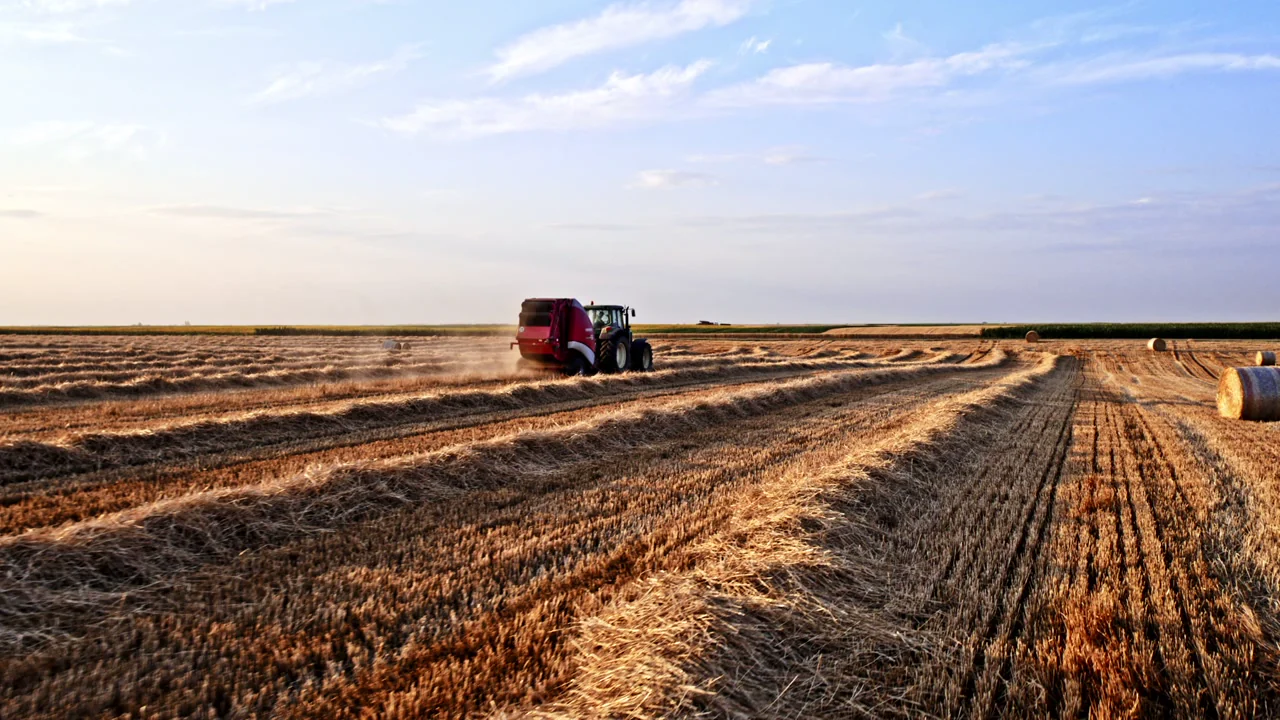
Uruguay creates a coordination route for residue energy and cogeneration
Uruguay’s government announced on 28 July a decree establishing an inter-institutional framework for cogeneration and the energy recovery of residues. The official communications identify agro-industrial biomass, rice husk and wood, while leaving room for research and innovation to assess additional organic streams.
The context is distinctive. Uruguay’s industry ministry reports that 98% of electricity supplied to the national interconnected system in 2025 came from renewable sources, with biomass accounting for 14%. The next value pool is therefore broader than adding renewable megawatt-hours: industrial heat, combined heat and power, dispatchable generation, residue management and lower exposure to fossil fuels may be at least as important.
The measure creates an institutional coordination route. The public notices reviewed do not yet specify a new tariff, tender, budget, procurement route, technology threshold, capacity pipeline or committed investment. They also leave heat and power offtake, grid access, permitting and sustainability criteria to future implementation.
Coordination can reduce one real source of project delay: fragmented decisions between residue owners, ministries, utilities, industrial users and developers. Bankability will still depend on a net-availability assessment after existing uses, seasonal and geographic mapping, ownership and contractability, moisture and ash characterisation, collection radius and delivered cost.
The strongest opportunities may be sites where a stable heat user, a manageable residue basin and a practical route for power or steam come together. That is the point at which a policy signal can become a project rather than remain an environmental objective.
- Publication of the decree text, responsible agencies and implementation timetable.
- Specific project calls, incentives, interconnection or offtake mechanisms.
- Residue-quality, emissions, traceability and sustainability requirements.

Long-term yield curves challenge fixed-yield assumptions for perennial feedstocks
A study reported by the Great Lakes Bioenergy Research Center analysed more than 200 switchgrass and miscanthus plantings across 12 sites in Michigan and Wisconsin, with records extending from five to 15 years. In the conditions studied, both crops followed a two-stage pattern: yield rose to a peak roughly four or five years after planting and then declined towards a lower plateau.
Modelled losses between peak and plateau ranged from 30–47% for switchgrass and 14–40% for miscanthus. These are not annual decline rates or universal crop values. Nitrogen increased peak yield by roughly 10–20% and moderated, but did not remove, the ageing pattern. In a 30-year farm-to-gate analysis using regional costs and prices, profit-maximising rotations ranged from 6–13 years for switchgrass and more than ten years for miscanthus.
The evidence is unusually useful because it extends well beyond establishment, but it comes from experimental plots in the Upper Midwest. It does not provide a universal benchmark for commercial plantations, other climates or other perennial grasses. Its economics also stop at the farm gate: storage, transport, industrial specification, conversion performance, finance and full lifecycle impacts sit outside the model.
The practical conclusion concerns the yield assumption used in a bankable supply case. One constant yield should not be projected across 15, 20 or 30 years. Age-specific curves, local soils and genetics, establishment success, fertiliser response, harvestable yield and renewal cost belong in the model.
Planting blocks can be phased so that an entire basin does not peak or require renovation at once. Field monitoring can then update the delivered-cost curve and compare replanting, partial renovation or continued production. A short trial may coincide with the crop’s best years; without long-term evidence it can overstate supply, grower margin and lifecycle performance.
- Validation in commercial fields, other climates, soils, cultivars and end markets.
- Cost and performance of renovation alternatives, not only complete replanting.
- How stand age changes biomass quality, carbon intensity and contracted supply.
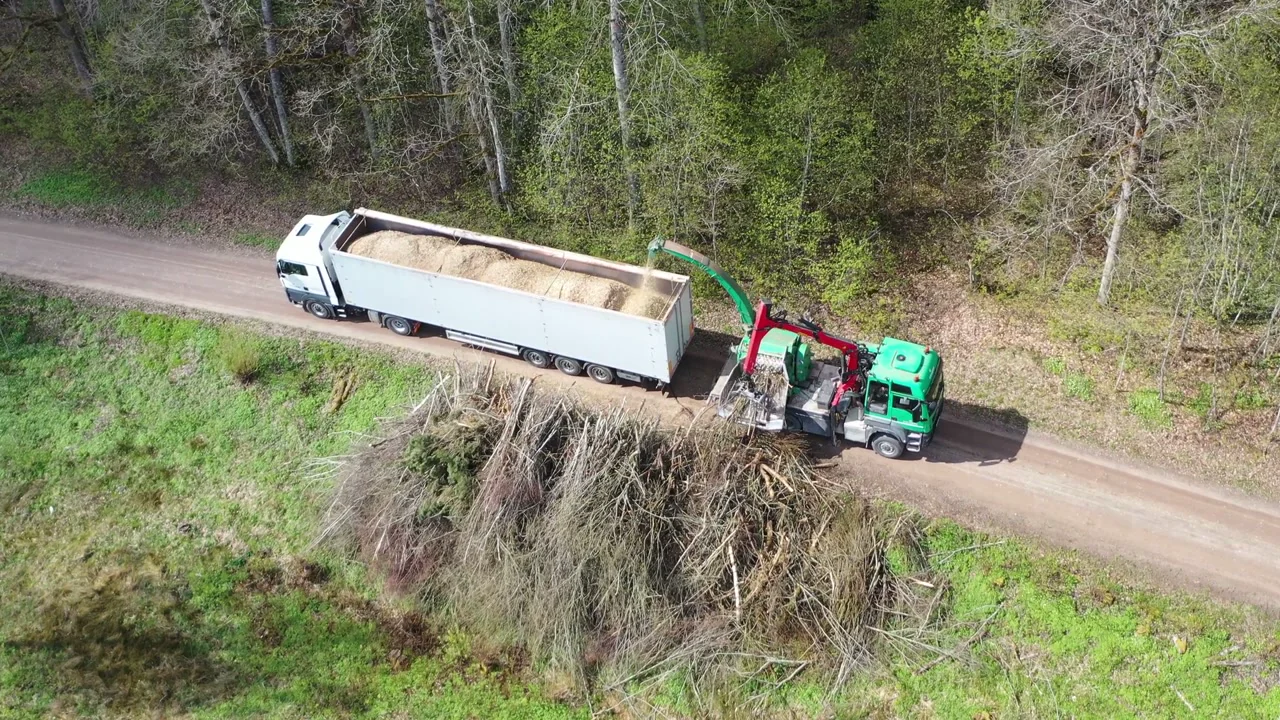
VAROPreem takes full control of a key processing link in the crude-tall-oil value chain
VAROPreem completed its acquisition of Sunpine on 9 July, moving from a 25.1% holding to full ownership. The Piteå facility processes crude tall oil—a by-product of pulp production—into raw tall diesel and co-products including bio-oil, rosin and alpha-pinene; surplus heat supplies district heating. VAROPreem reports approximately 400,000 tonnes per year of crude-tall-oil processing capacity and is integrating the business with its refining, trading, logistics and customer platform.
The distinction between feedstock processing and finished fuel matters. Raw tall diesel requires further refining to become products such as HVO or SAF. Sunpine’s 2025 report describes record production, a full order book for 2026 and a plan to add 15,000 tonnes per year of raw tall diesel by 2030 through higher availability, yield, storage and transport capacity. These are company-reported operating results and plans; the transaction announcement does not disclose the total purchase price, current utilisation or future allocation between fuel markets.
VAROPreem now controls a specialised conversion asset and a key processing link within a limited, certified residual-feedstock chain. Sunpine itself identifies supplier concentration, transport, storage and raw-material quality as material operating issues. Long-term co-product relationships also remain relevant because tall oil has established chemical uses as well as fuel applications.
The transaction strengthens VAROPreem’s position in a scarce feedstock chain. Strategic value comes from joining processing know-how, product recovery, certification, logistics and downstream market access. Nominal capacity alone says little about how much product can be supplied reliably.
Diligence should test net crude-tall-oil availability after existing uses, supplier and contract concentration, specification and yield by lot, plant uptime, import exposure, storage, co-product commitments, upgrading requirements and the lifecycle boundary behind emissions claims. The core question is how much can be contracted, certified, processed and delivered economically without double-counting established demand.
- Actual utilisation, contracted crude-tall-oil volumes and supplier concentration.
- Approved capex, timing and delivery of the stated 2030 expansion.
- Product allocation and verified emissions performance through final HVO or SAF.
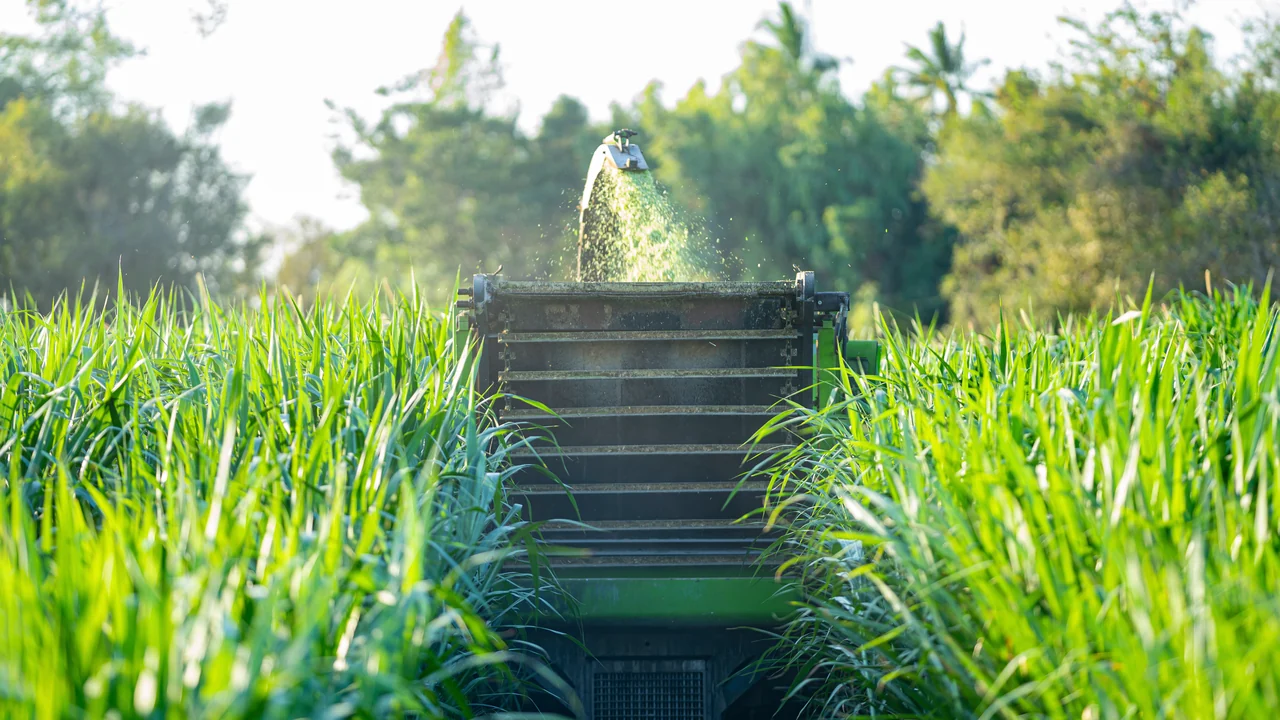
BRIDGES places perennial grasses at the centre of a regional manufacturing strategy
On 14 July, the U.S. National Science Foundation selected the BRIDGES Engine as one of twelve new Regional Innovation Engines. It receives an initial US$15 million over two years. Further NSF support is conditional on progress against defined milestones and could bring total funding to as much as US$160 million over ten years; it is not US$160 million already disbursed.
Led by HudsonAlpha with the University of Tennessee, Auburn University, AGgrow Tech and Volkswagen Group of America, BRIDGES reports an 85-member coalition across industry, research, commercialisation and regional stakeholders. Its proposed feedstock platform centres on regionally adapted switchgrass and miscanthus for automotive components, packaging and construction materials. Workstreams extend from genetics and agronomy to grower engagement, fibre processing, product qualification, manufacturing and workforce development.
The coalition aims to establish 50,000 acres—about 20,200 hectares—of perennial fibre crops and projects US$30 million in annual farm income, more than US$2 billion in private investment, over 4,000 jobs and training for more than 10,000 people. Those figures are programme ambitions. The announcements reviewed do not yet report commercial hectares established, farm-gate prices, binding grower or offtake contracts, delivered fibre costs or committed private capital.
BRIDGES is useful because it treats perennial crops as part of a regional manufacturing system rather than an isolated agronomy programme. Genetics, growers, field operations, fibre specification, conversion, product qualification, workforce and industrial demand sit inside one architecture.
The first two years should show whether that architecture can cross from programme design to repeatable delivery. The tests are practical: establishment success, realistic yield and stand-life curves, seasonal storage and transport, grower margin, product performance, lifecycle indicators, binding demand and private co-investment.
- Hectares contracted, planted and retained—not only the 50,000-acre target.
- Delivered fibre specifications, cost and verified product performance.
- Milestone releases, binding offtake and documented private co-investment.
Structural developments to watch
These are not one-week headlines. They are structural developments whose commercial effects unfold over months or years. BEC will revisit them as rules are finalised, hectares are established, contracts are signed and operating results become public.
Biochar crediting is becoming more data-intensive
Verra’s proposed VM0044 v2.0 places greater weight on feedstock history, moisture, transport, production-lot controls, application records and uncertainty. Version 1.2 remains active while the revision is under consultation.
What we will watch: the final methodology, effective date and transition rules; its separate ICVCM assessment; and the evidence projects will need for residual availability, chain of custody and operating data.
Sources: Verra, major-revision consultation and proposed VM0044 v2.0, 15 July 2026; active VM0044 v1.2.
Residue policy must become an investable project route
Uruguay’s announced decree creates an inter-institutional route for cogeneration and the energy recovery of agro-industrial residues. Its commercial significance will depend on the mechanisms and projects that follow.
What we will watch: responsible agencies and timetables; project calls, incentives and heat or power offtake; permitting and interconnection; and requirements for residue quality, availability and traceability.
Source: Uruguay Ministry of Environment, decree announcement, 28 July 2026.
Perennial-crop economics depend on the full life of the stand
Long-term Upper Midwest research shows that switchgrass and miscanthus yields can rise to a peak and later settle at a lower level. This strengthens the case for age-specific yield curves, phased planting and field monitoring in commercial feedstock models; it is not a universal yield curve.
What we will watch: validation in commercial fields and other climates; renovation and replanting costs; changes in quality and carbon intensity with stand age; and contracts that recognise changing output over time.
Sources: Great Lakes Bioenergy Research Center research summary, 11 February 2026; peer-reviewed study, DOI 10.1111/gcbb.70088.
Advanced-fuel platforms are moving closer to specialised feedstock processing
VAROPreem’s acquisition of Sunpine brings crude-tall-oil processing into a wider refining, logistics and customer platform. This single transaction illustrates the strategic value of controlling a limited and traceable residual-feedstock chain; it does not by itself establish a sector-wide consolidation trend.
What we will watch: contracted feedstock volumes and supplier concentration; plant utilisation and expansion delivery; product allocation between HVO, SAF and other markets; and verified lifecycle performance through to the finished fuel.
Sources: Sunpine and VAROPreem acquisition announcement, 9 July 2026; Sunpine 2025 Annual and Sustainability Report.
Regional bioeconomy platforms now face an execution test
BRIDGES links perennial crops, growers, genetics, fibre processing and manufacturing within one regional programme. NSF has committed an initial US$15 million; additional funding up to US$160 million over ten years remains conditional on milestones.
What we will watch: hectares contracted, planted and retained; grower terms and delivered fibre costs; binding industrial offtake; product qualification; and documented private co-investment.
Sources: U.S. National Science Foundation Regional Innovation Engines award and Cohort 2 overview, 14 July 2026; HudsonAlpha BRIDGES programme announcement, 14 July 2026.
BEC Perspective
The common thread is not a single technology or crop. It is the quality of the evidence system around biomass. A high-yield field trial, a national biomass target or a low-carbon-fuel capacity announcement is only the beginning. The decisive questions are whether the resource can be controlled, measured, contracted, harvested, moved, processed and financed under real conditions.
BEC Outlook
We will track the point at which today’s signals become decisions: final methodology direction for biochar; evidence that crop-acreage targets are becoming grower contracts, reliable stands and industrial demand; and finance, offtake and supply-chain signals that separate operating value chains from capacity headlines.
The most useful opportunities often emerge at the interface between a plantation and a conversion plant, a residue owner and an energy buyer, a technology provider and a lender, or a carbon methodology and a project’s operating design.
Assess what these signals mean for your feedstock case.
BEC supports land and resource screening, crop and residue assessment, supply-basin design, delivered-cost modelling, due diligence and implementation systems for bioenergy and biobased projects.
Primary sources
Public sources were checked on 10 August 2026. Proposed rules, company statements and programme targets are identified as such; BEC Perspective is our analysis.
- Verra: consultation notice, Consultation: Major Revision to Biochar Methodology (VM0044), 15 July 2026; proposed VM0044 v2.0; active VM0044 v1.2.
- Uruguay: Ministry of Environment and Presidency decree notices, 28 July 2026; Ministry of Industry, Energy and Mining preliminary 2025 electricity results.
- Perennial-crop performance: Great Lakes Bioenergy Research Center research summary, 11 February 2026; peer-reviewed paper, DOI 10.1111/gcbb.70088; Dryad dataset, DOI 10.5061/dryad.6m905qg9x.
- Sunpine: Sunpine and VAROPreem acquisition announcement, 9 July 2026; Sunpine 2025 Annual and Sustainability Report.
- BRIDGES: U.S. National Science Foundation Regional Innovation Engines award announcement and Cohort 2 overview, 14 July 2026; HudsonAlpha BRIDGES programme announcement, 14 July 2026.