
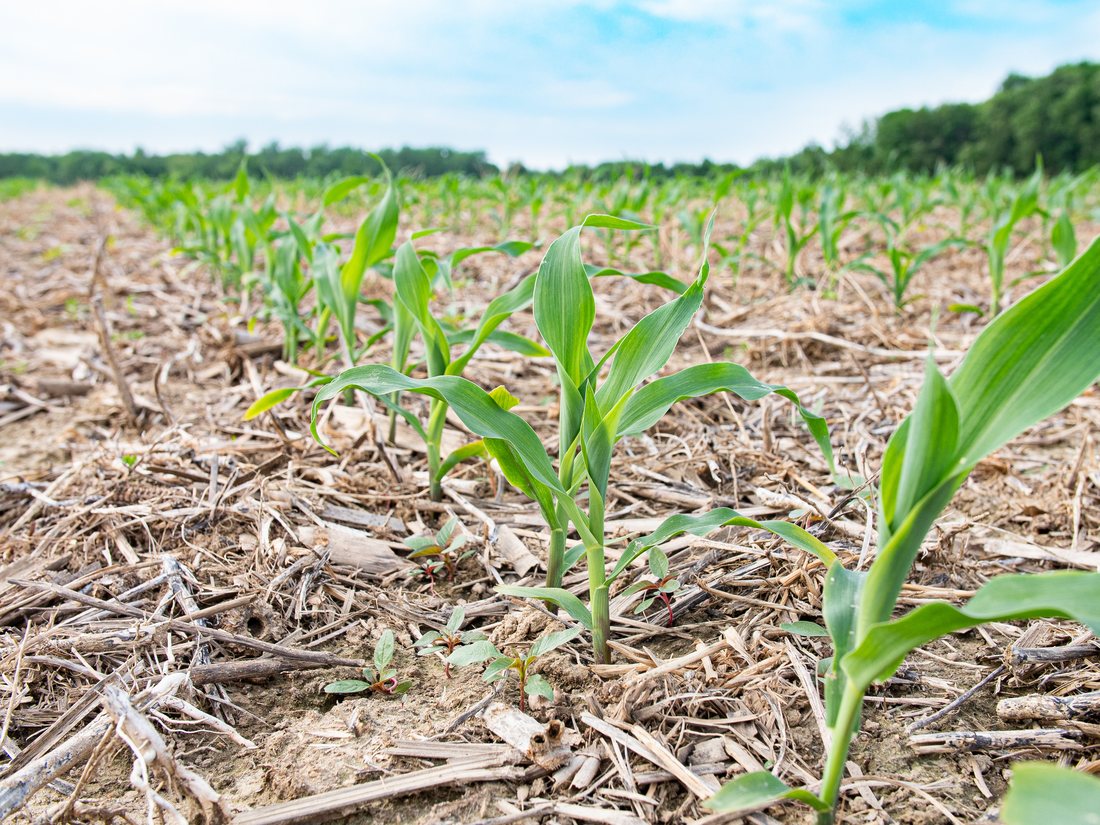
Agro-industrial facility considered for residue utilisation and decarbonisation

Carbon, biochar and decarbonisation

Biochar, Carbon and Agro-industrial Decarbonisation

Connect biomass, pyrolysis, soil systems, renewable energy and traceable carbon outcomes in one practical development pathway.

Decision supported

Residues, renewable energy and agro-industrial decarbonisation

BEC combines spatial evidence, technical review, field work where relevant and commercial modelling to turn scattered data into a clear decision.

How the work is performed

Structured analysis, traceable assumptions and implementation focus

Pyrolysis, biochar and soil-application pathways

Outputs are expressed as maps, scenarios, matrices, assumption registers or action plans that can be reviewed and updated.
Scientific support without guaranteed credit or yield claims

Outputs are expressed as maps, scenarios, matrices, assumption registers or action plans that can be reviewed and updated.

LCA, carbon intensity, traceability and MRV

Outputs are expressed as maps, scenarios, matrices, assumption registers or action plans that can be reviewed and updated.

Industrial implementation

Baseline review, pathway model and economics screen

  • Scope definition and data requirements.
  • Validation of resources, land, logistics or carbon depending on the route.
  • Deliverables that support investment, procurement, design or execution.

Client deliverables

Carbon, biochar and decarbonisation outputs with careful claims

BEC can structure the pathway and evidence base without promising certification, credit issuance, permanence, yields, prices or carbon revenues.

Baseline and process pathway

  • Agro-industrial energy and residue baseline
  • Biomass and residue characterisation plan
  • Process integration concept, heat and power balance and pyrolysis pathway assessment

Biochar, soil and testing

  • Biochar feedstock and product specification
  • Soil-application strategy, field-trial protocol and sampling/laboratory-testing plan
  • Carbon mass balance and product carbon-intensity calculation

MRV, traceability and finance

  • LCA boundary/model and Scope 1, 2 and 3 emissions framework
  • MRV plan, chain-of-custody protocol, permanence and reversal-risk assessment
  • Certification-readiness review, carbon-credit feasibility screen, financial model and verification dashboard specification

Discuss your project

Share the project location, technology, feedstock requirements, land context, capacity, available studies and the decision you need to support. BEC can review the initial information and propose the appropriate technical next step.

Start a project enquiry

Matias Garrido

Sociologo

Matías es sociólogo y doctor en Ciencias Políticas por la Universidad de Buenos Aires y la Universidad Complutense de Madrid, respectivamente. Tiene una amplia experiencia en investigación social y de mercado, relaciones públicas y capacitación en varios países de América Latina, trabajando con Amnistía Internacional y otras organizaciones. Matías fue Director Nacional de Políticas contra la Violencia Institucional en la Secretaría de Derechos Humanos y Pluralismo Cultural de la Argentina de 2016 a 2019. Actualmente, contribuye al desarrollo de cultivos de bioenergía y bioeconomía en países en desarrollo, en línea con los 17 Objetivos de Desarrollo Sostenible.

Matias Garrido