
Agricultural, forestry and process streams
Agricultural residues & agro-industrial feedstocks
Residues can form an initial or complementary feedstock base when quantities, competing uses, sustainable removal, ownership, quality, seasonality and handling are verified. BEC maps farms, forests, mills and processing clusters to establish recoverable, contractable and deliverable supply.
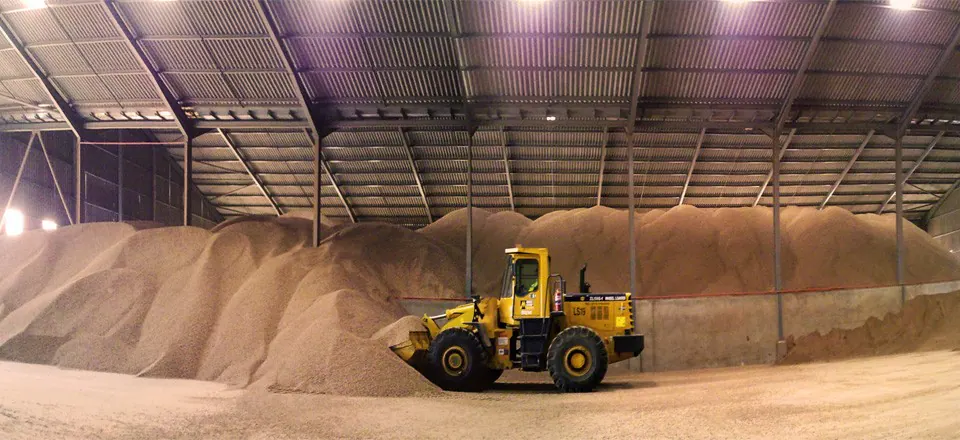
Commercial context
Separate gross resource from deliverable supply
A regional residue total is a starting point. The project case deducts unavailable material, current uses, soil and nutrient requirements, inaccessible volumes, unsuitable quality and supplier risk before assigning monthly tonnes and delivered cost.
Crop and system options
Agro-industrial residue streams and supply contexts
Compare ownership, current use, sustainable recoverability, quality, seasonality and delivered cost.
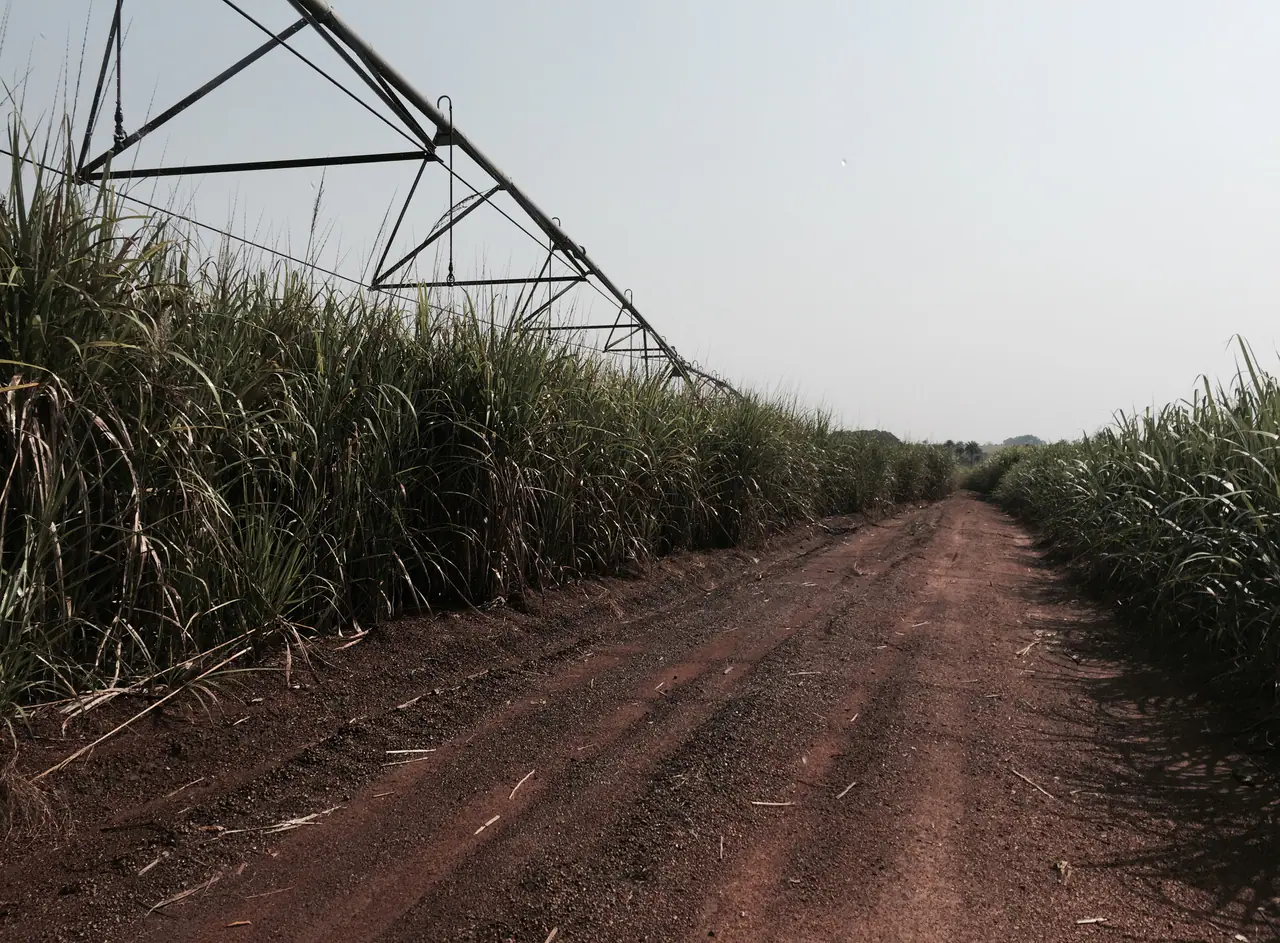
Sugarcane and sugar-mill regions
Bagasse · trash · tops · process streams
Mill balance, cane season, field collection, moisture, contamination and alternative uses shape the usable resource.
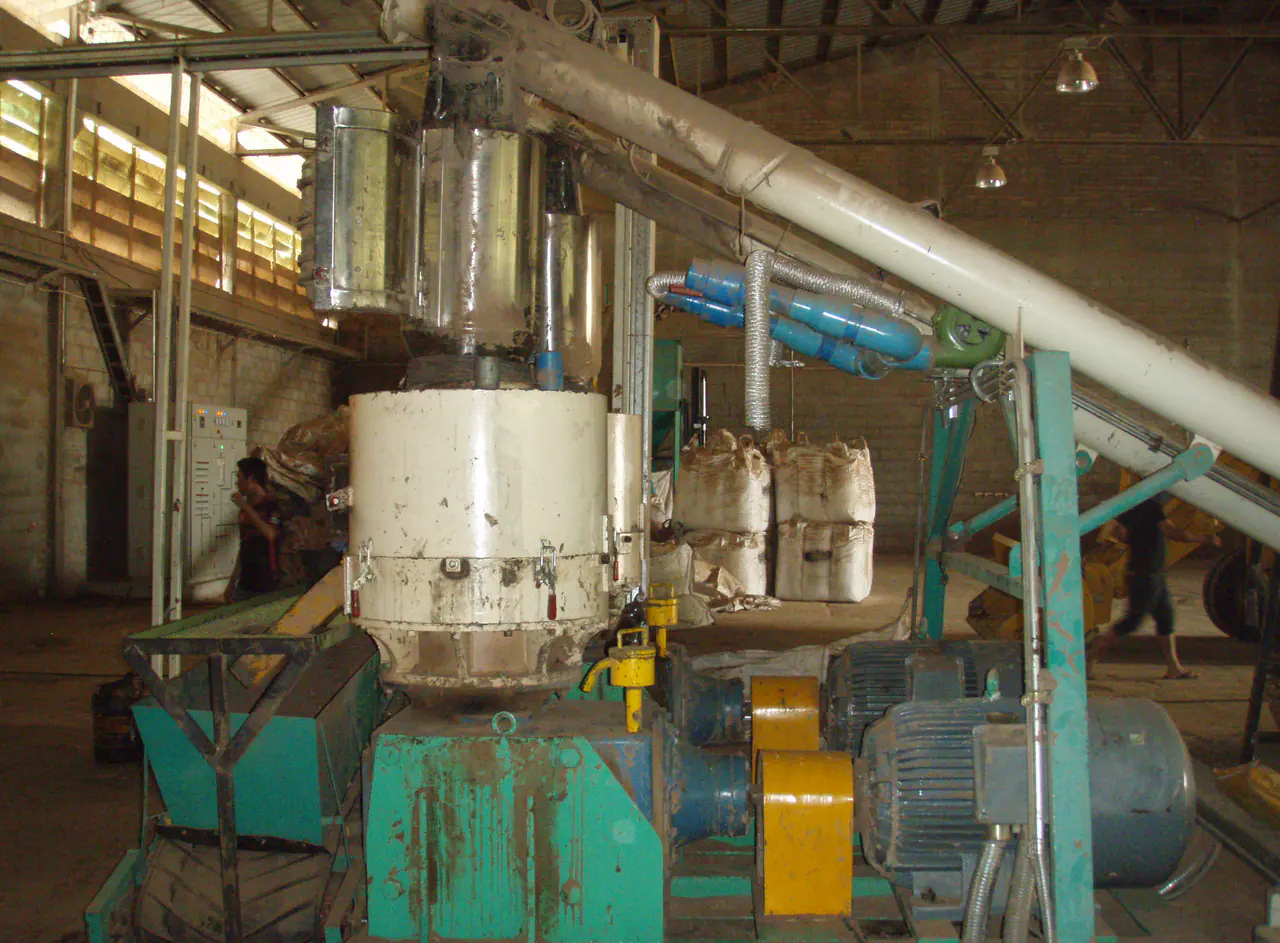
Palm and oil-processing regions
Empty fruit bunches · fibres · shells · fronds
Each stream has distinct moisture, ash, handling, existing uses and opportunities for energy, biochar or biomaterials.
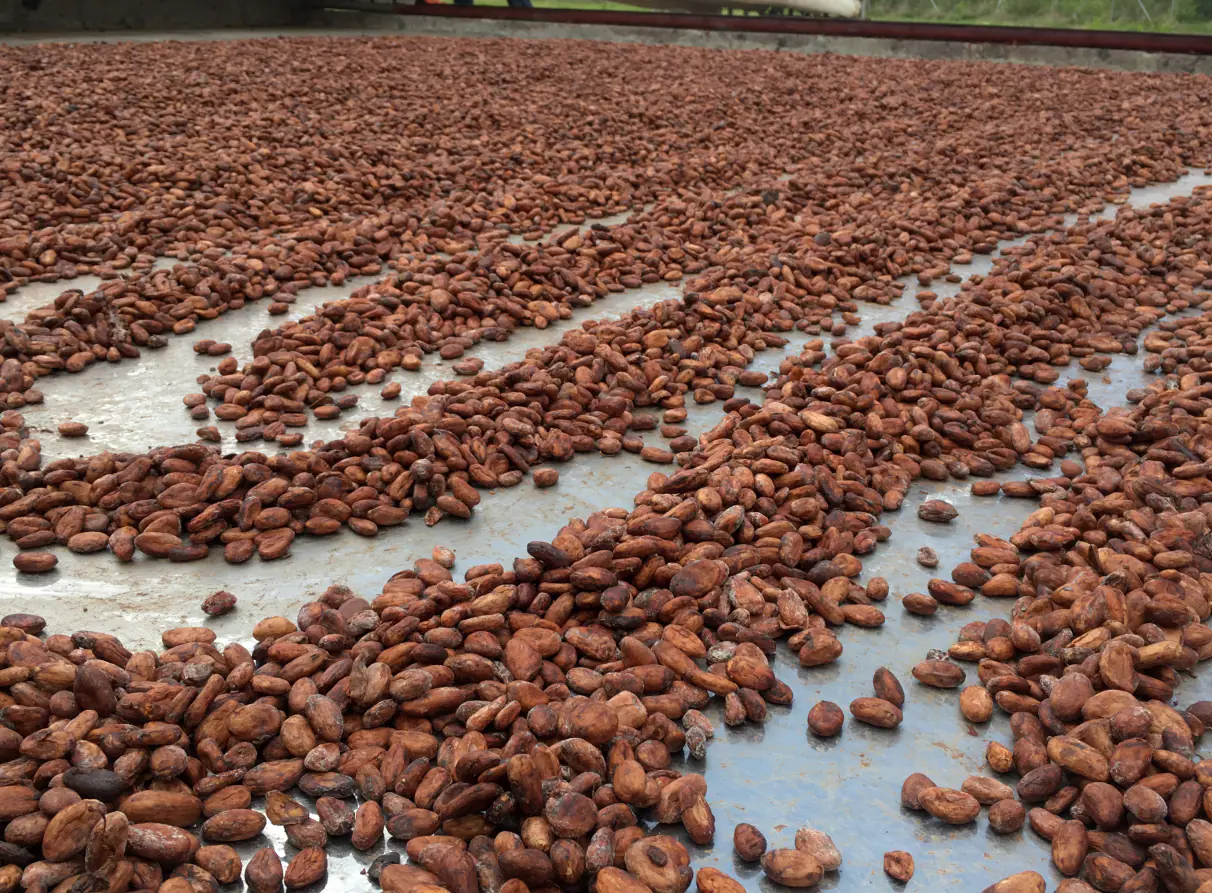
Cocoa and coffee value chains
Husks · pods · parchment · prunings · process heat
Distributed farm residues and concentrated processing streams require different collection, drying, quality and contracting models.
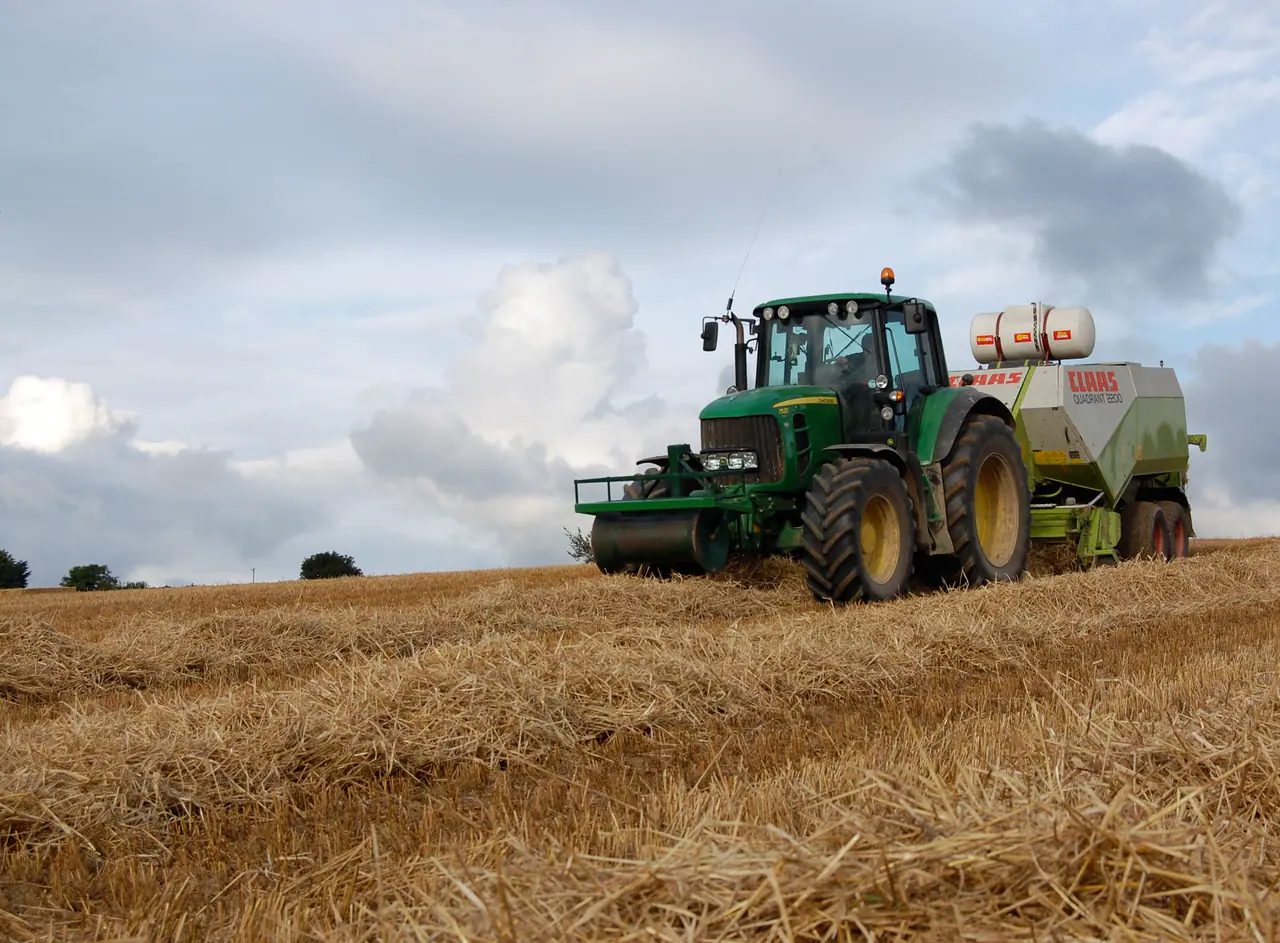
Cereal and oilseed residues
Straw · stalks · husks
Sustainable removal, nutrient return, soil cover, ash, baling windows and storage fire risk determine reliable supply.
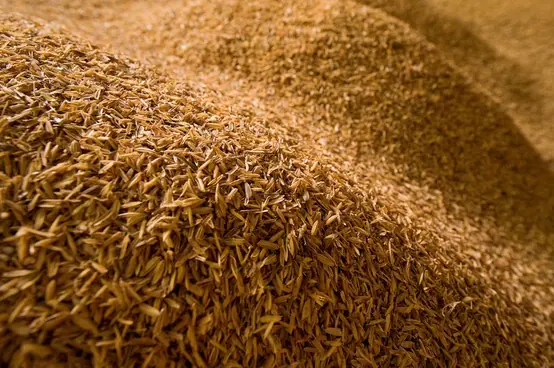
Rice, cotton, cassava, nuts and fruit processing
Husks · shells · fibre · pulp · pits
Concentrated processing residues can be mapped by facility and season, then screened for moisture, contamination, current uses and local pretreatment.
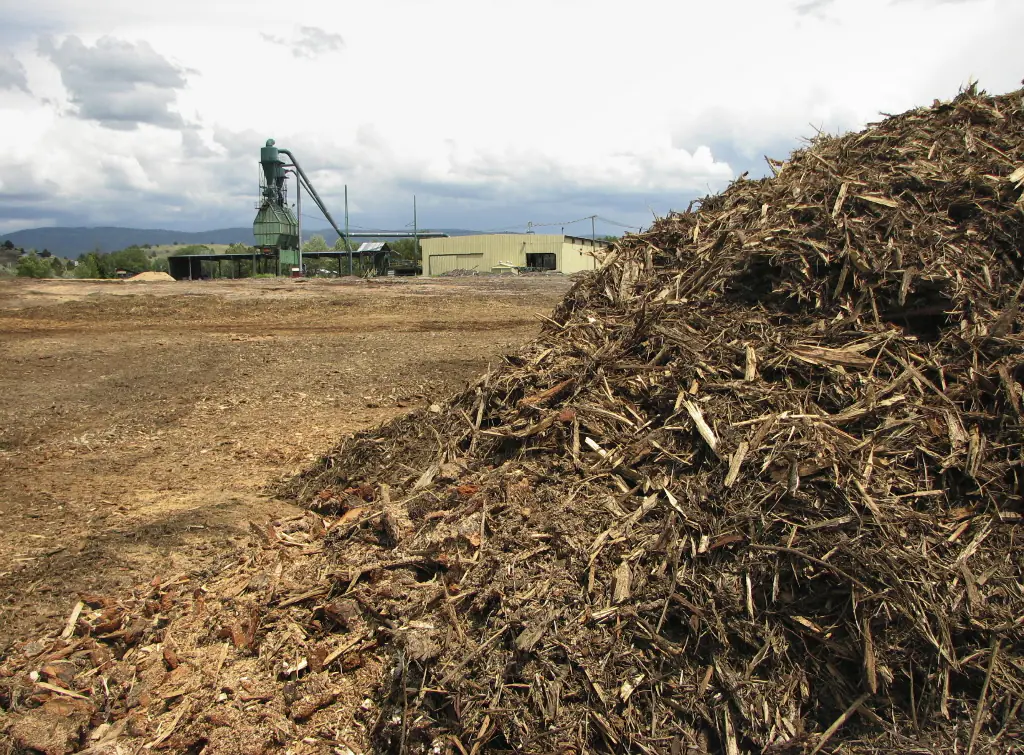
Forestry and sawmill streams
Bark · sawdust · offcuts · harvest residues
Forest origin, clean-wood status, moisture, particle size, competing fibre markets and road access determine usable volumes and grades.
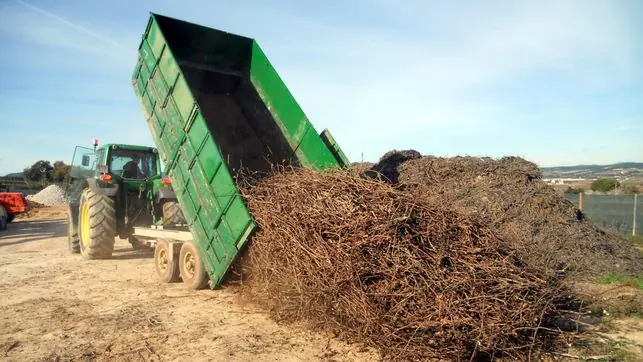
Orchard and vineyard prunings
Collection · chipping · contamination · seasonality
Prunings require field aggregation, machinery access, soil and disease safeguards, quality control and a viable collection radius.
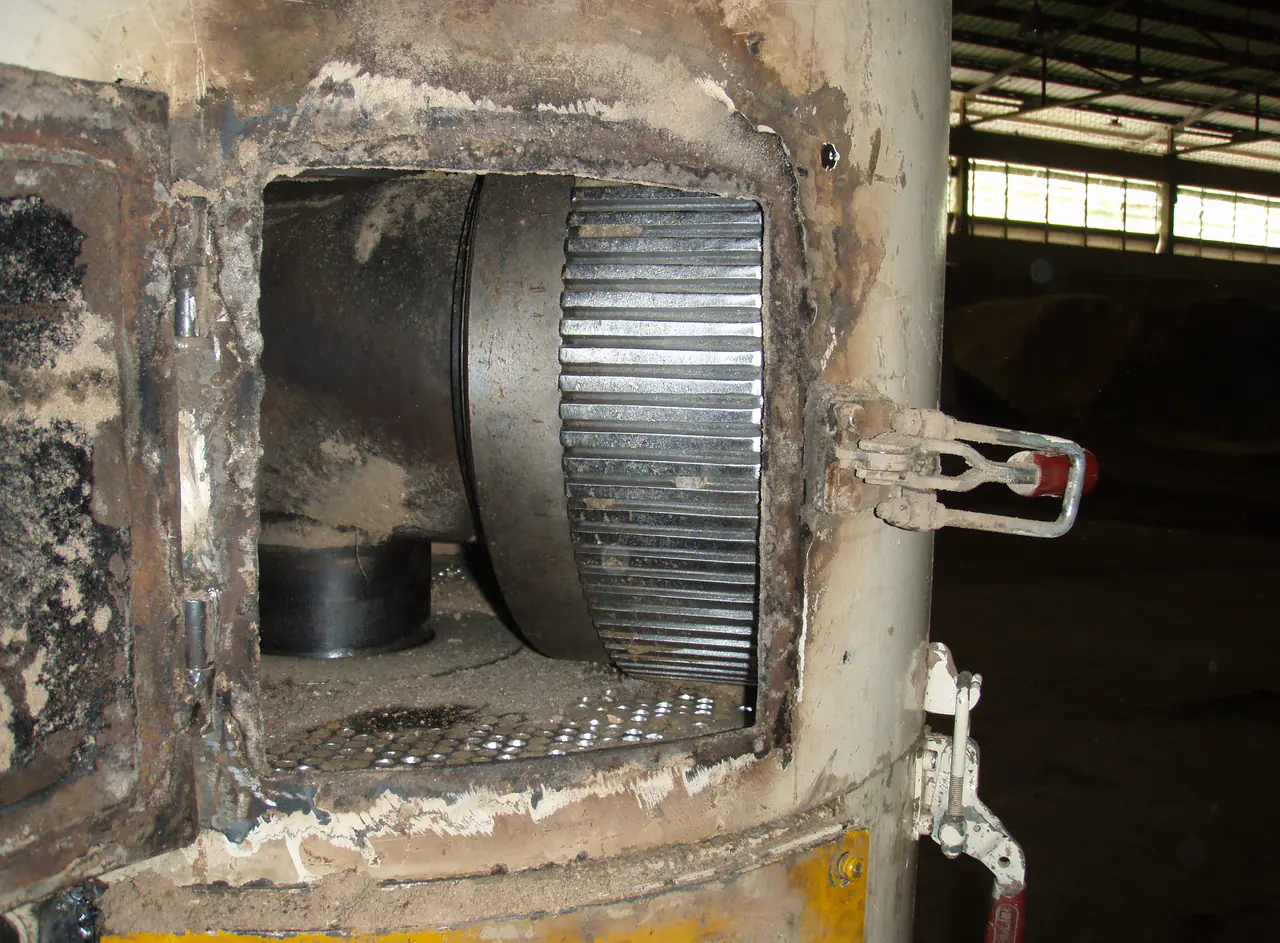
Processing and conditioning
Size reduction · drying · densification
Pretreatment can improve density, stability and industrial quality when energy use, losses, maintenance and final specifications are included.
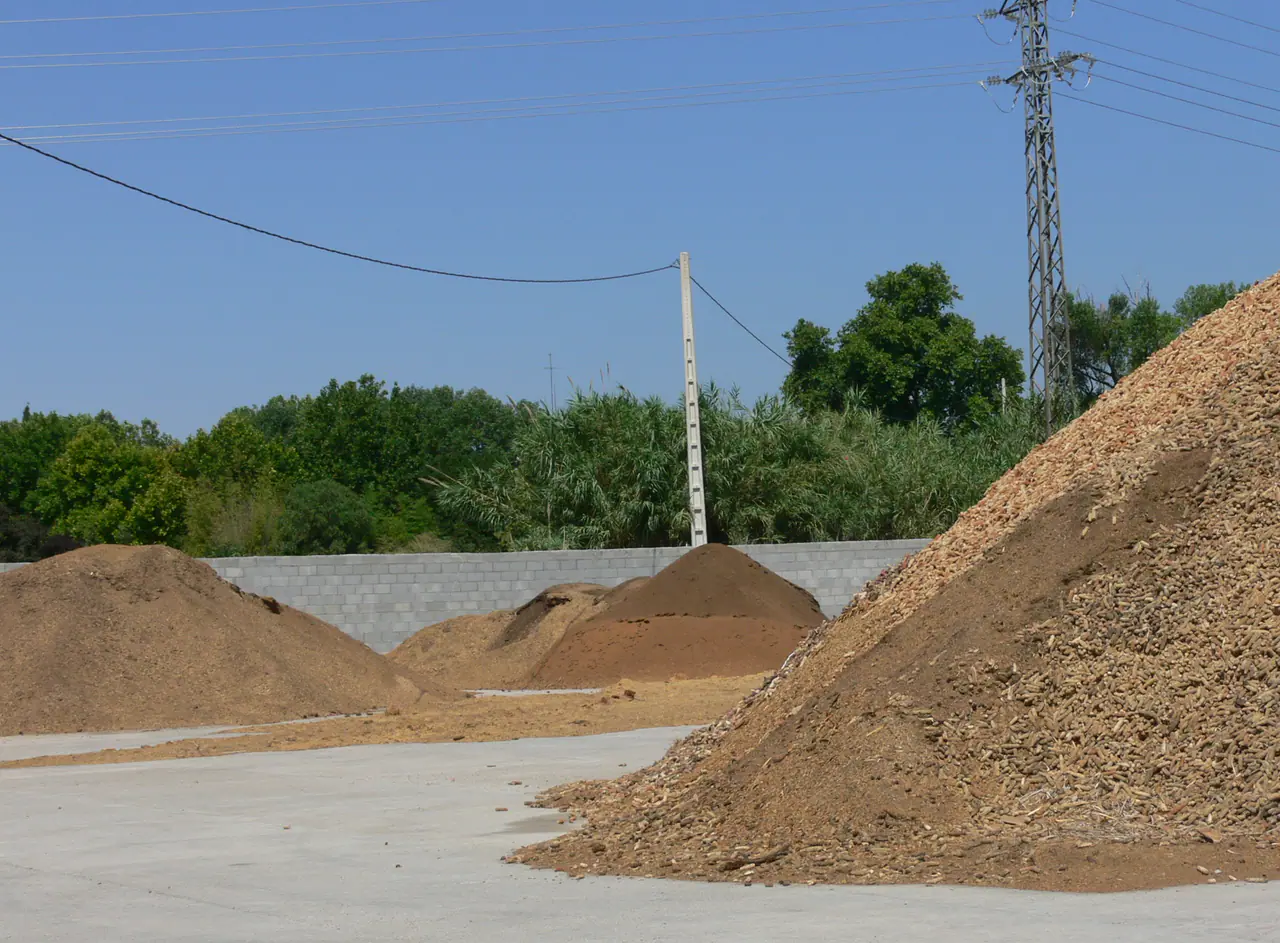
Aggregation, blending & seasonal storage
Hubs · segregation · blending · dispatch
Regional hubs can consolidate suppliers, separate grades, manage seasonal stocks and dispatch a controlled blend against plant demand.
What reaches the plant
Feedstock forms and operating implications
Loose and wet streams
High moisture or low density may favour on-site use, rapid transport or local preprocessing.
Bales
Field collection, bale specification, covered storage and fire management support seasonal dry residues.
Chips and shredded biomass
Particle size, fines, contamination and moisture govern transport, storage and plant reception.
Densified and thermochemical feedstocks
Pellets and briquettes increase bulk density; feedstocks for pyrolysis or biochar require separate quality, contamination and process specifications.
BEC services
What BEC can deliver
The scope is adapted to the project stage: early screening, feasibility, due diligence, pilot development, procurement or implementation support.
Explore BEC services →- Resource ownership and competing-use map
- Sustainable recoverability assumptions
- Sampling and feedstock quality programme
- Seasonal supplier and storage model
- Pretreatment and handling options
- Contractable volume and delivered-cost case
Technical evidence
Evidence behind the decision
Crop selection, commercial modelling, implementation planning and due diligence draw on the following evidence.
01Soils and sustainable removal
Crop residues protect soil, carry nutrients and contribute organic matter. BEC incorporates local erosion, nutrient replacement, soil carbon and agronomic practice before defining a removable fraction or recommending dedicated crop complements.
02Geographic resource mapping
Facility, farm and forestry data are located against roads, seasonality, ownership, existing users and candidate hubs. The spatial model shows where volumes cluster, which sources can share equipment or storage and how delivered cost changes with radius and reliability.
03Mill and farm interfaces
A process residue concentrated at one plant differs commercially from biomass dispersed across farms. Ownership, weighing, payment, contamination, access, seasonality and the party responsible for collection are defined for each supplier type.
04Mixed-feedstock strategies
Residues may support early plant operation while dedicated or intermediate crops ramp up, or provide a seasonal complement to a core crop. Quality compatibility, storage, blending and contingency are designed at the basin level.
Discuss a project
Find the tonnes that can be contracted and delivered
BEC can move from regional resource data to supplier evidence, quality, logistics and a defensible monthly supply case.