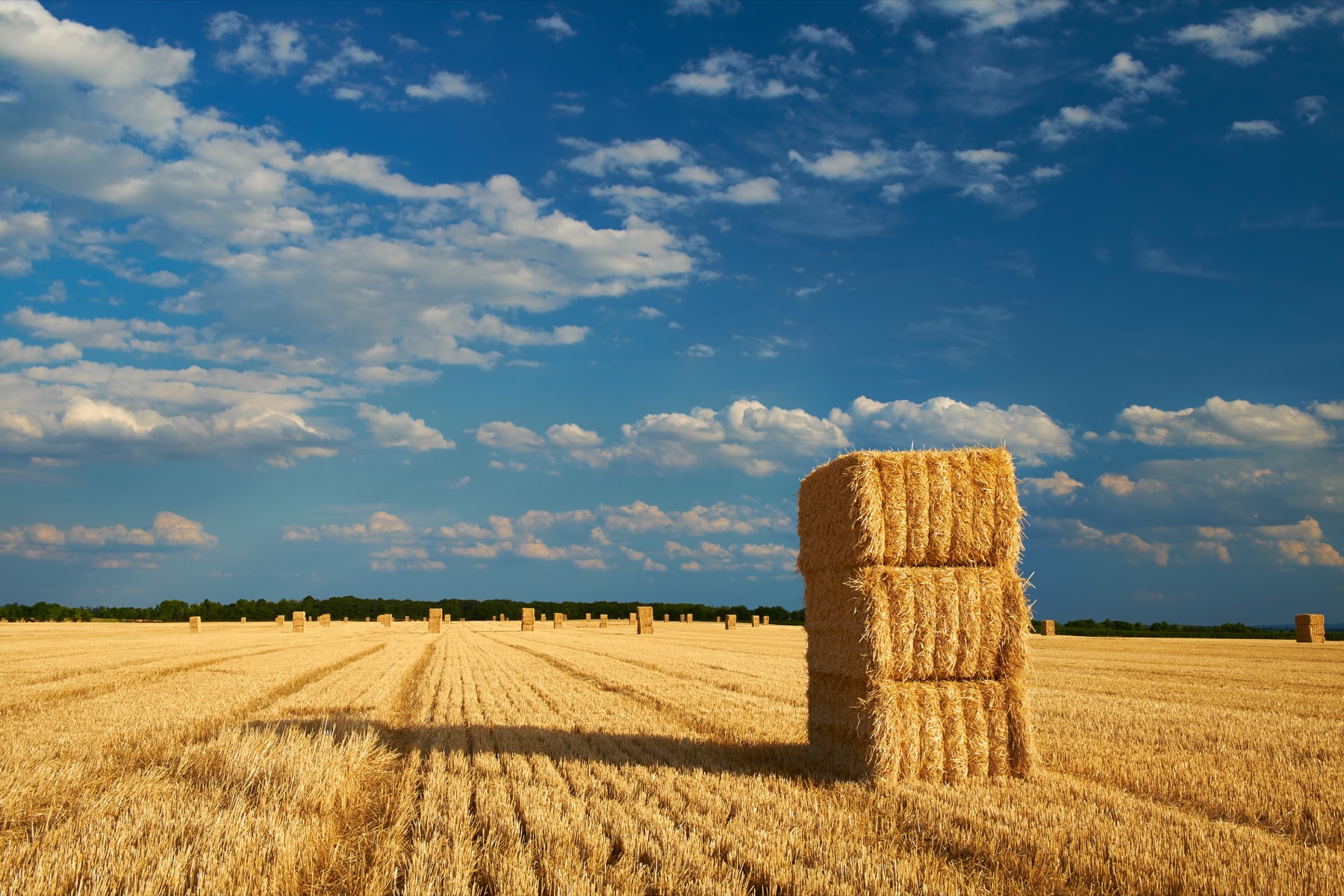

SAF and advanced biofuels
Oil crops, lignocellulosic biomass, carbon intensity, agronomy and supply-region development.
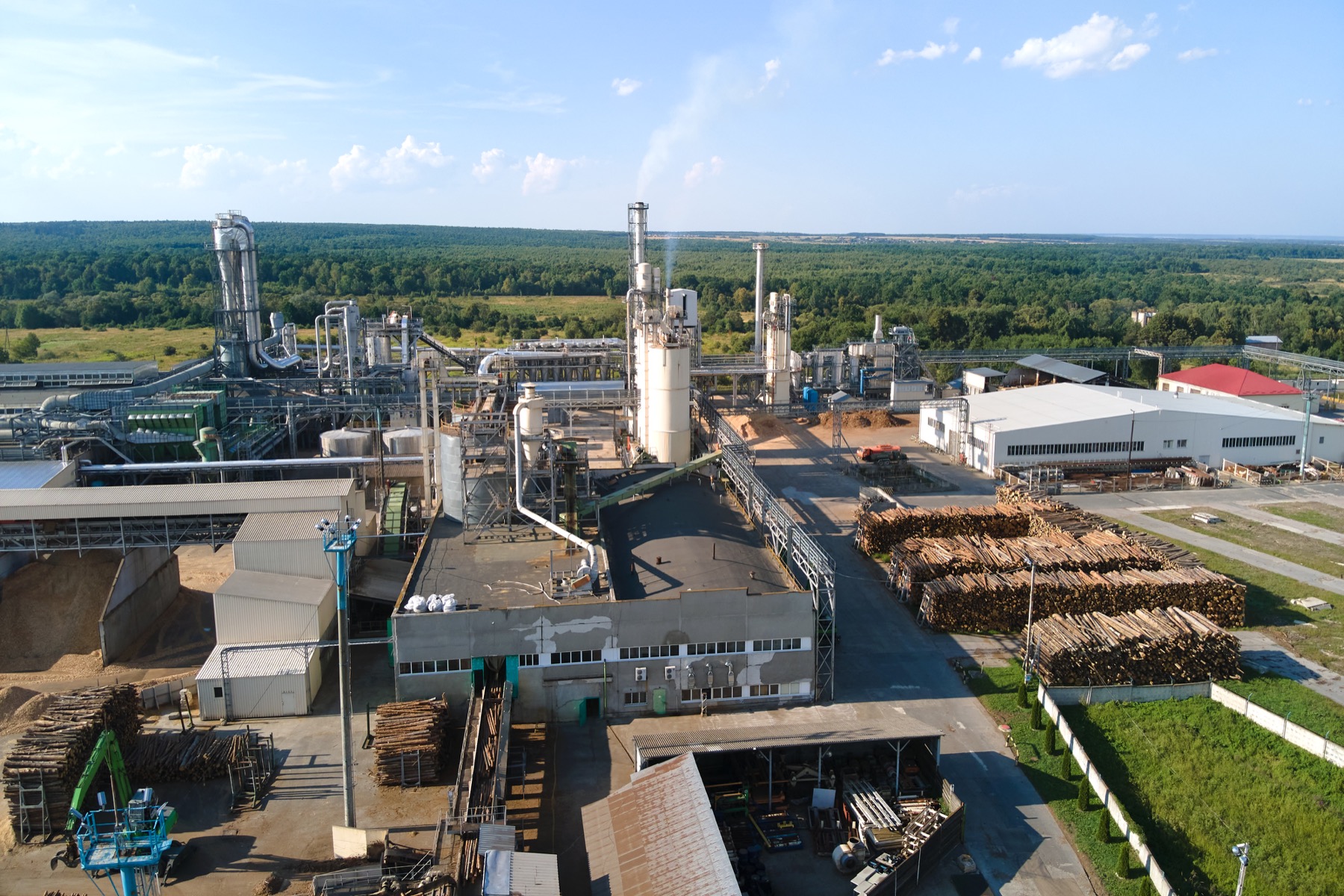
Services
BEC helps industrial users, project developers, EPC contractors and investors validate resources, land, crops, supply chains, costs and implementation risk.
Industry contexts
Oil crops, lignocellulosic biomass, carbon intensity, agronomy and supply-region development.
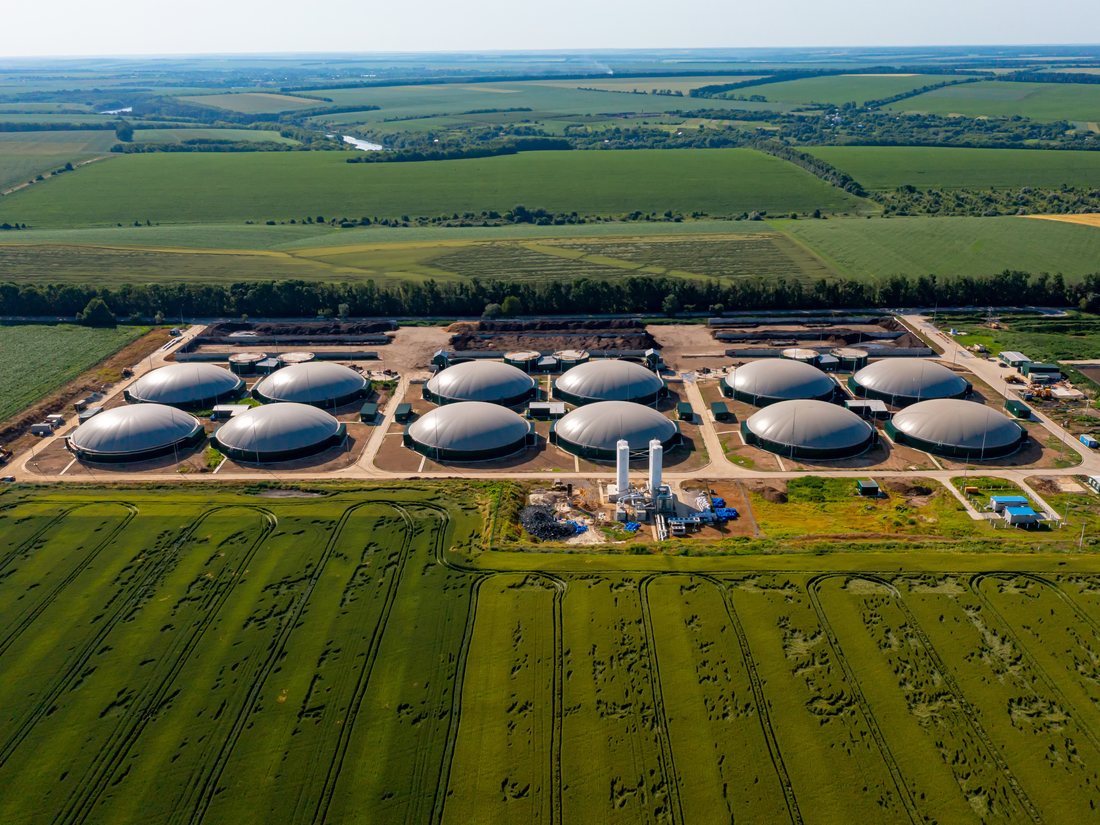
Crop and residue substrates, silage, storage, digestate, seasonality and reliable annual supply.
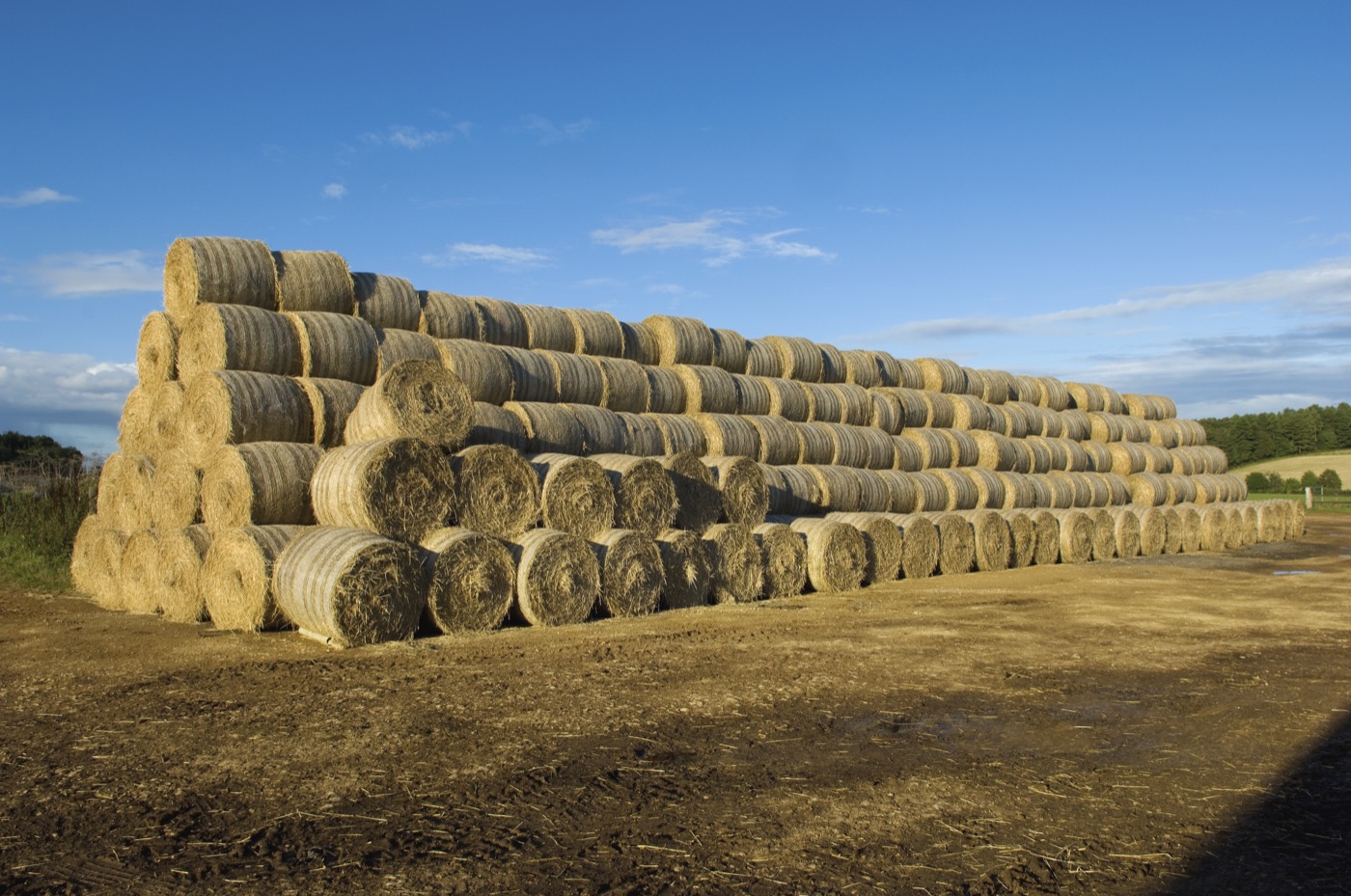
Chips, bales, pellets, briquettes, torrefied biomass and delivered-energy cost.
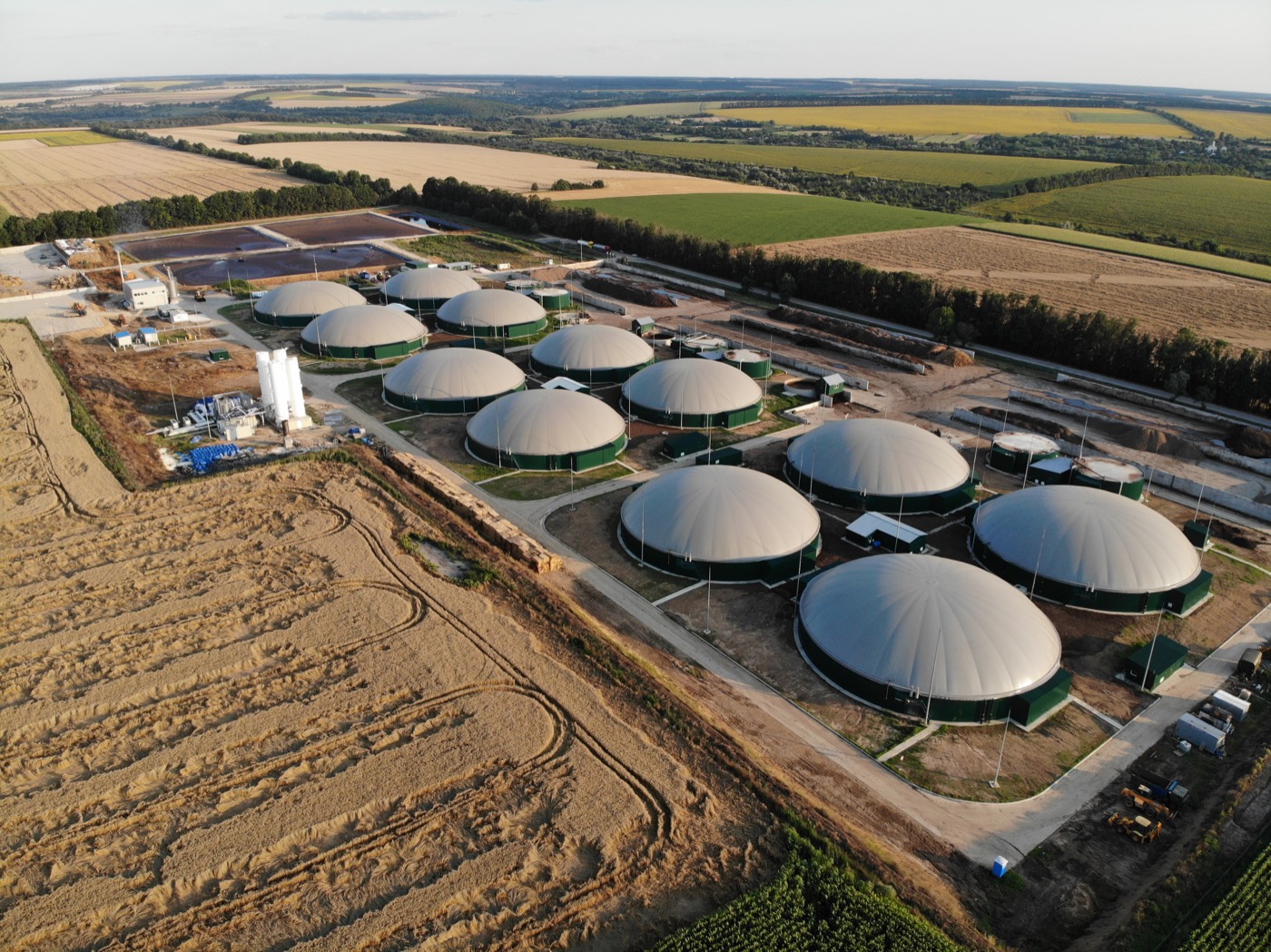
Feedstock, pyrolysis integration, biochar applications, soils, carbon removal and MRV.
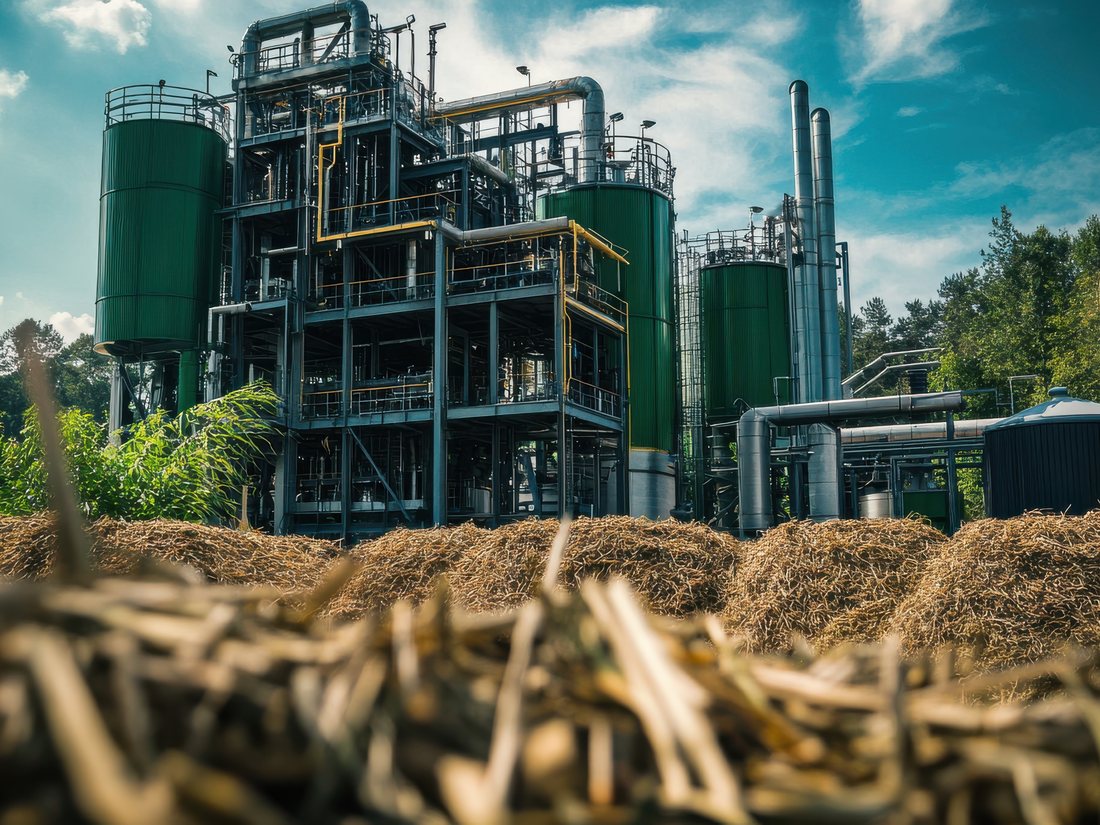
Fibre crops, pulp and cellulose, panels, composites, biofertilisers, composts and processed biomass products.
Specialist pathways
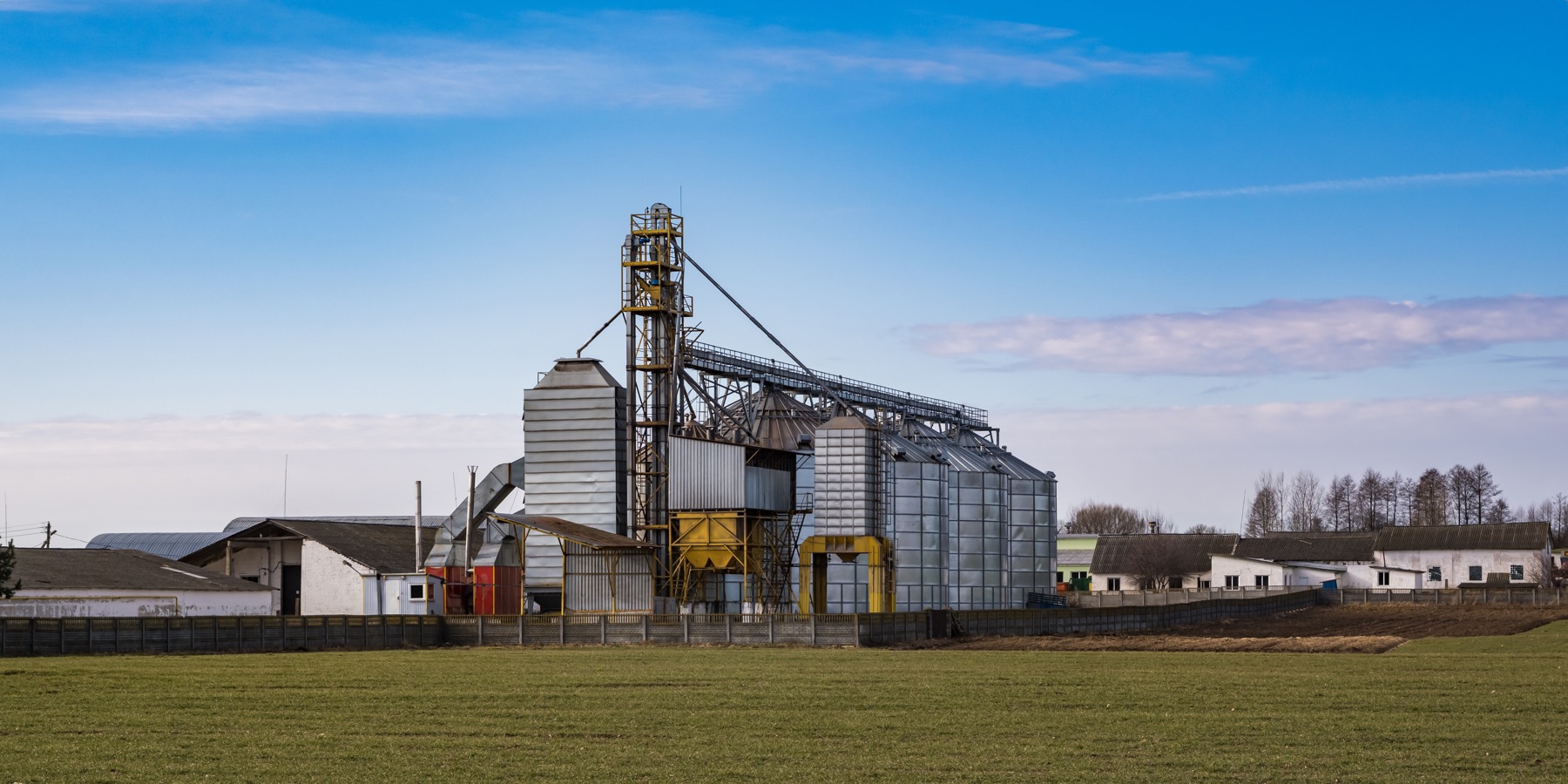
Resource mapping, suppliers, recoverability, logistics, storage and delivered cost.

Land screening, energy crops, yields, nurseries, trials and deployment.
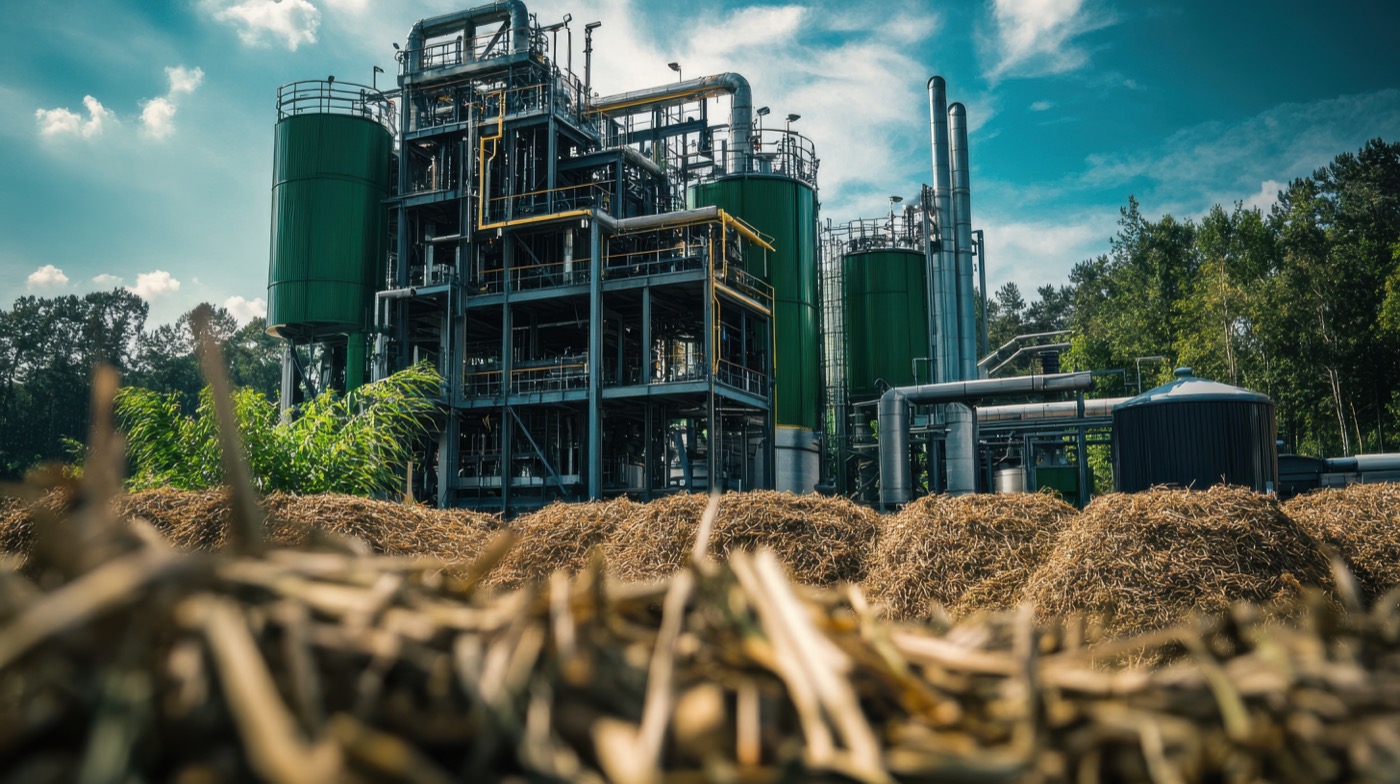
Appraisals, feasibility studies, technical review, risks and investment readiness.
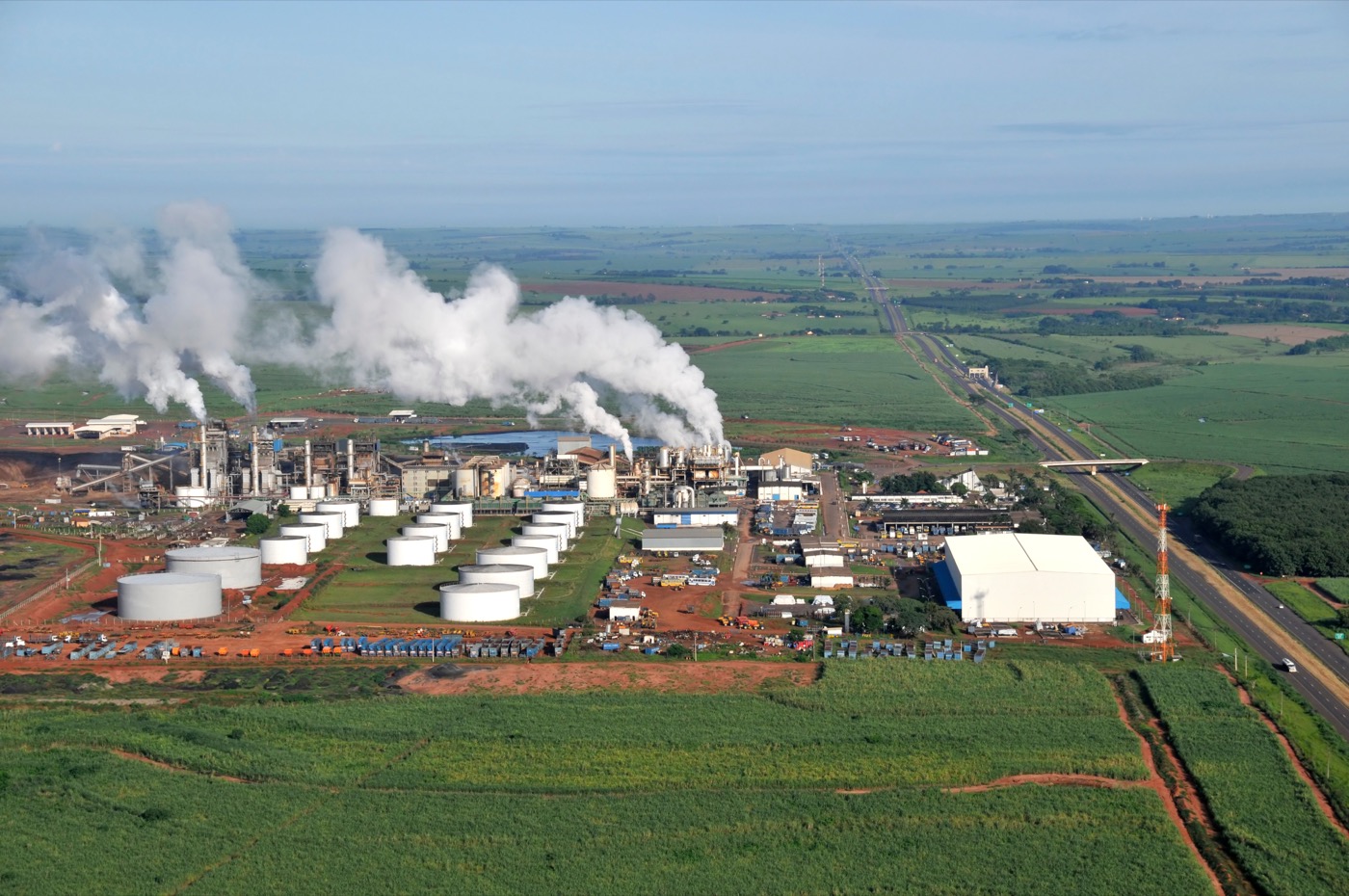
Residues, pyrolysis, biochar, LCA, MRV, carbon intensity and traceability.
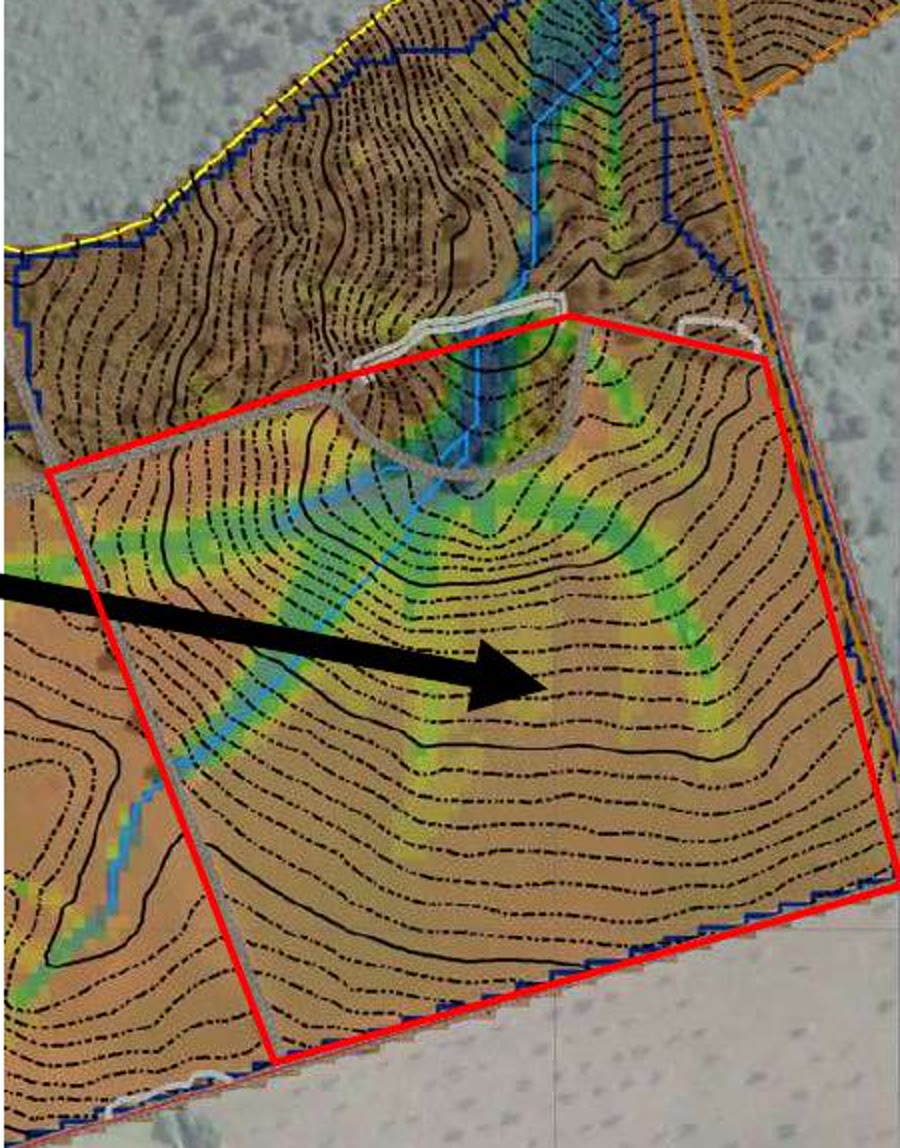
Territorial diagnosis, integrated land, water, energy and value-chain systems, masterplans and implementation.
Service approach
BEC connects feedstock availability, land and crop systems, supply-chain design, project economics and implementation support to help industrial projects secure reliable, competitive and traceable biomass supply.
From uncertainty to an investable decision
Clients rarely need an isolated report. They need to know whether a resource, land base and operating model can support an industrial project — and what must happen next.
BEC distinguishes theoretical resources from mobilisable supply, tests seasonality, suppliers, competing uses, collection radii, storage and logistics. Outcome: a defensible supply volume and delivered-cost range.
We compare sites, crop and residue combinations, genetics and planting material, achievable yields, water, agronomy, machinery, labour and phased scale-up. Outcome: a practical production model, hectare requirement and field-development plan.
Feedstock specifications, preprocessing, mass and energy balances, CAPEX, OPEX, cash flow, carbon performance and sensitivities are connected to the conversion pathway. Outcome: an evidence-based feasibility or due-diligence case with the principal risks made visible.
BEC defines pilots, procurement and contracting options, nurseries or supplier mobilisation, machinery and infrastructure, implementation schedules, monitoring and MRV. Outcome: a phased route from technical evidence to procurement, financing and execution.
Start with the decision you need to make. Share the location, industrial pathway, target capacity and the evidence already available; BEC will identify the most useful next stage.
Discuss your projectShare the project location, technology, feedstock requirements, land context, capacity, available studies and the decision you need to support. BEC can review the initial information and propose the appropriate technical next step.