
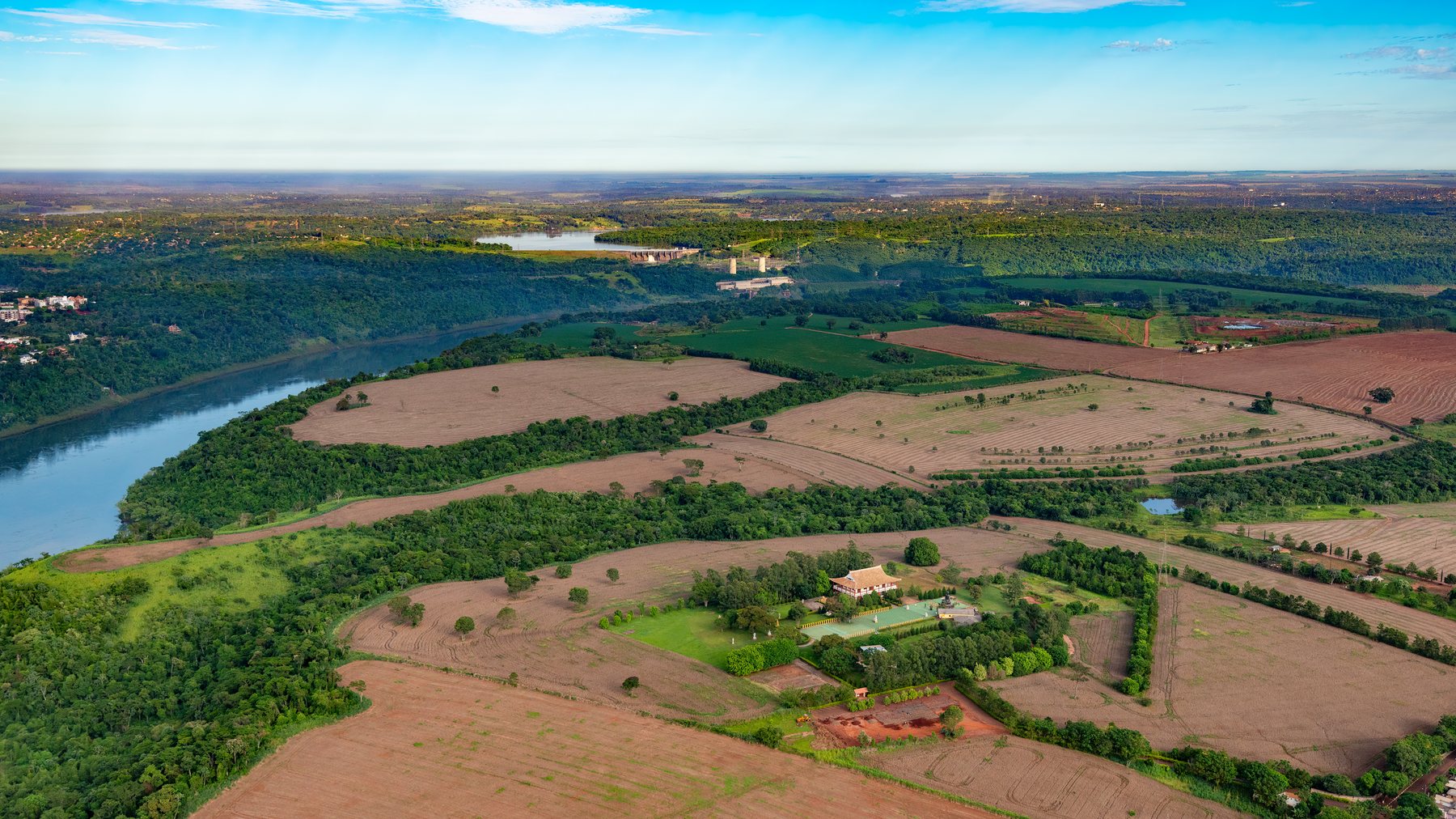
Land, Crops, Agronomy & Deployment
Land, Crop Systems and Agronomic Development for Industrial Feedstocks
Identify suitable land, select the production system, forecast realistic performance and prepare the project for field implementation.
Opening proposition
From regional screening to crop deployment
For developers, industrial users, agribusinesses, investors and technology companies that need land, crop systems, planting material, trials, nurseries or agronomic deployment.
BEC can screen new regions, identify candidate land, compare sites or assess property already controlled by the client. Crop systems are selected according to environment, industrial specification, water, logistics, risk and total delivered cost.
GIS, remote sensing and field validation
Combine spatial data, local evidence and field observation
BEC combines satellite pixels, remote-sensing indices, land-cover data, soils, terrain, hydrology, climate, infrastructure, field observations, local statistics and crop or management assumptions. The result is a traceable assessment chain rather than a decorative map: spatial layers are tested against field evidence, converted into land characterisation and used to rank land, select crop systems and estimate realistic production economics.
Evidence translated into production design
The evidence base connects spatial screening, field validation, crop design, farm layout and cost modelling without relying on schematic block maps.
Decision-ready evidence
From spatial pixels to dry matter, cost and decision-ready supply
The analytical chain connects pixels and spatial layers to field validation, land characterisation, crop and management system, yield, farm economics, supply-chain cost, plant-gate cost and decision-ready evidence for technical, commercial and financing review.
Responsible land access and safeguards
BEC supports land screening, access strategy, permitting due diligence, stakeholder safeguards and responsible land-acquisition processes. These safeguards are designed to address insecure tenure, displacement, conflict and land-grabbing risks. BEC does not grant permits or guarantee approvals, yields, costs or financing outcomes.
BEC helps bioenergy and biobased industries translate land, crop, climate, soil and infrastructure data into practical feedstock-development decisions. Our work defines suitable production areas, energy-crop systems, realistic dry-matter yields, required hectares, farm layouts, management inputs, CAPEX, OPEX and ex-works or plant-gate supply costs.
The resulting evidence supports project developers, industrial buyers, EPC contractors, investors and lenders in building reliable feedstock chains with traceability, competitive economics, lower carbon intensity, responsible land access, soil regeneration and measurable sustainability performance.
Crop and production-system selection
Select systems by output, environment, logistics and delivered cost
Grasses and annual biomass
Tropical, subtropical and temperate perennial grasses; annual biomass, sweet sorghum, intermediate and cover crops.
Oil, sugar, starch and fibre
Oil crops for SAF where suitable, plus sugar, starch, fibre and multipurpose crops.
Woody and mixed systems
Short-rotation coppice, poplar, willow, eucalyptus, acacia, agroforestry and assisted natural regeneration.
Dryland and marginal systems
Agave, CAM, saline, dryland and food-feed-fibre-energy combinations where they fit the project.

Start with the industrial product
Crop choice depends on industrial output, water, genetics, harvest form, logistics, land condition, production risk and delivered cost.
Yield, energy and cost scenarios
Translate biology into project economics
The analysis connects crop physiology and field performance with plant demand. It can estimate realistic yield ranges, hectares required, annual dry matter or product output, energy per hectare, irrigation needs, establishment cost, operating cost and feedstock cost at farm gate or plant gate.
- Conservative, base and higher-performance scenarios.
- Tonnes per hectare, dry matter and energy per hectare.
- CAPEX, OPEX, cost per tonne, cost per GJ and hectares required.
Scenario sensitivity bands
Ranges are built from site-specific crop, water, input, harvest and plant-demand assumptions.
Farm and plantation design
From suitable land to an implementable production system
Farm and plantation design translates land suitability into the infrastructure, operations and logistics required for commercial biomass production.
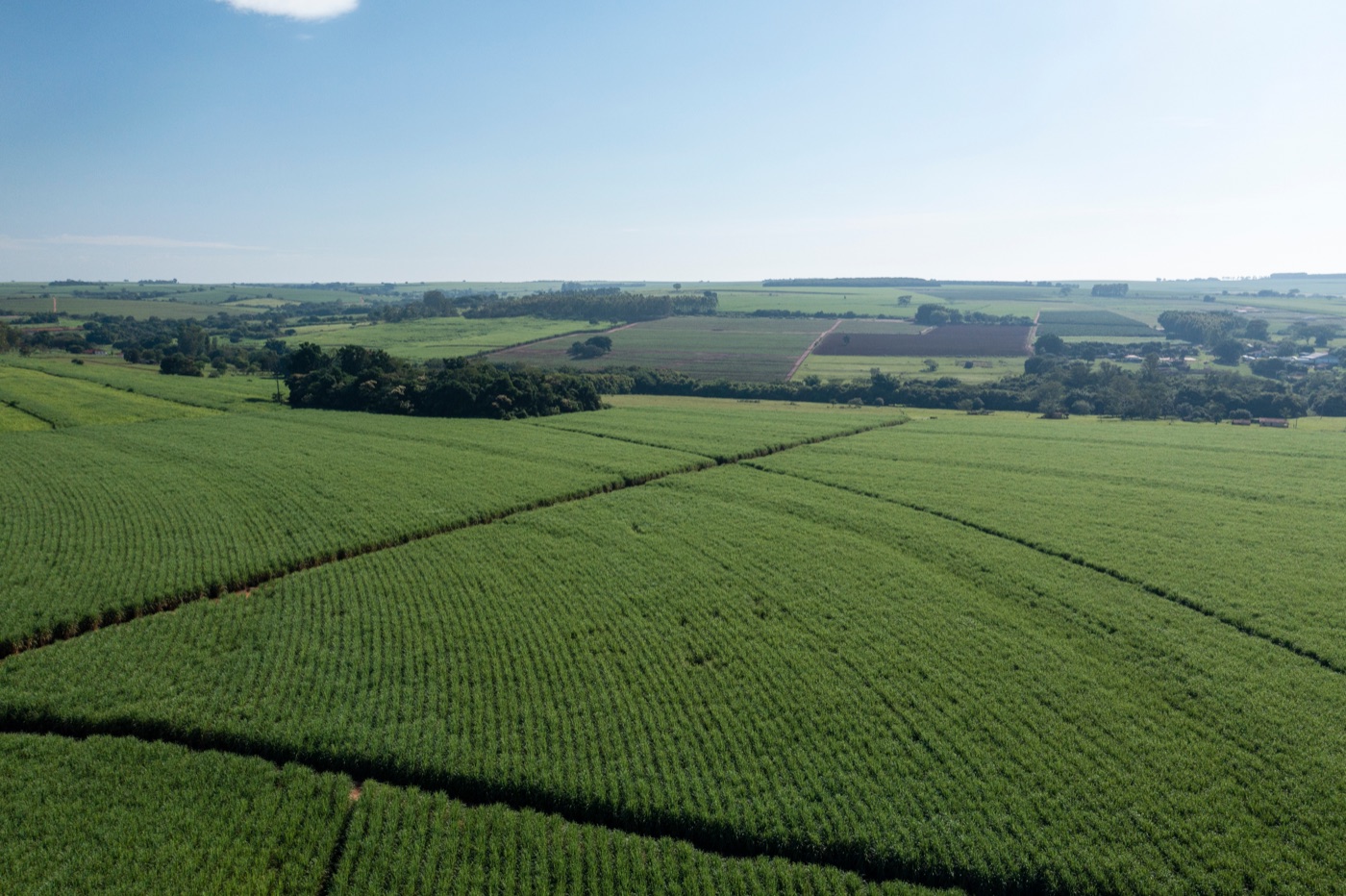
Landscape planning
Productive areas are selected according to soils, water, slope, access, conservation requirements and logistics.
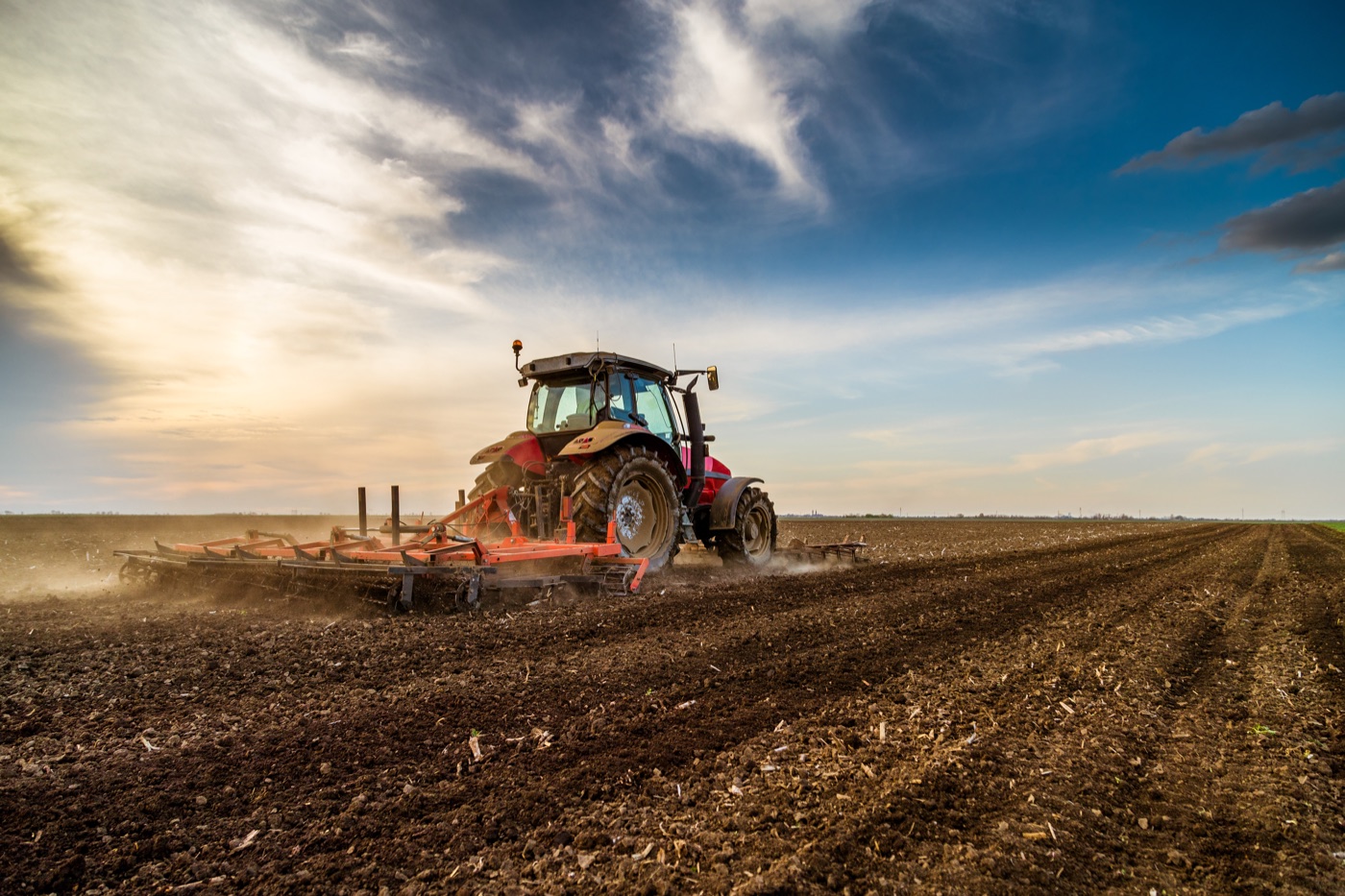
Access and machinery circulation
Roads and operating corridors are designed for establishment, maintenance, harvesting and biomass transport.
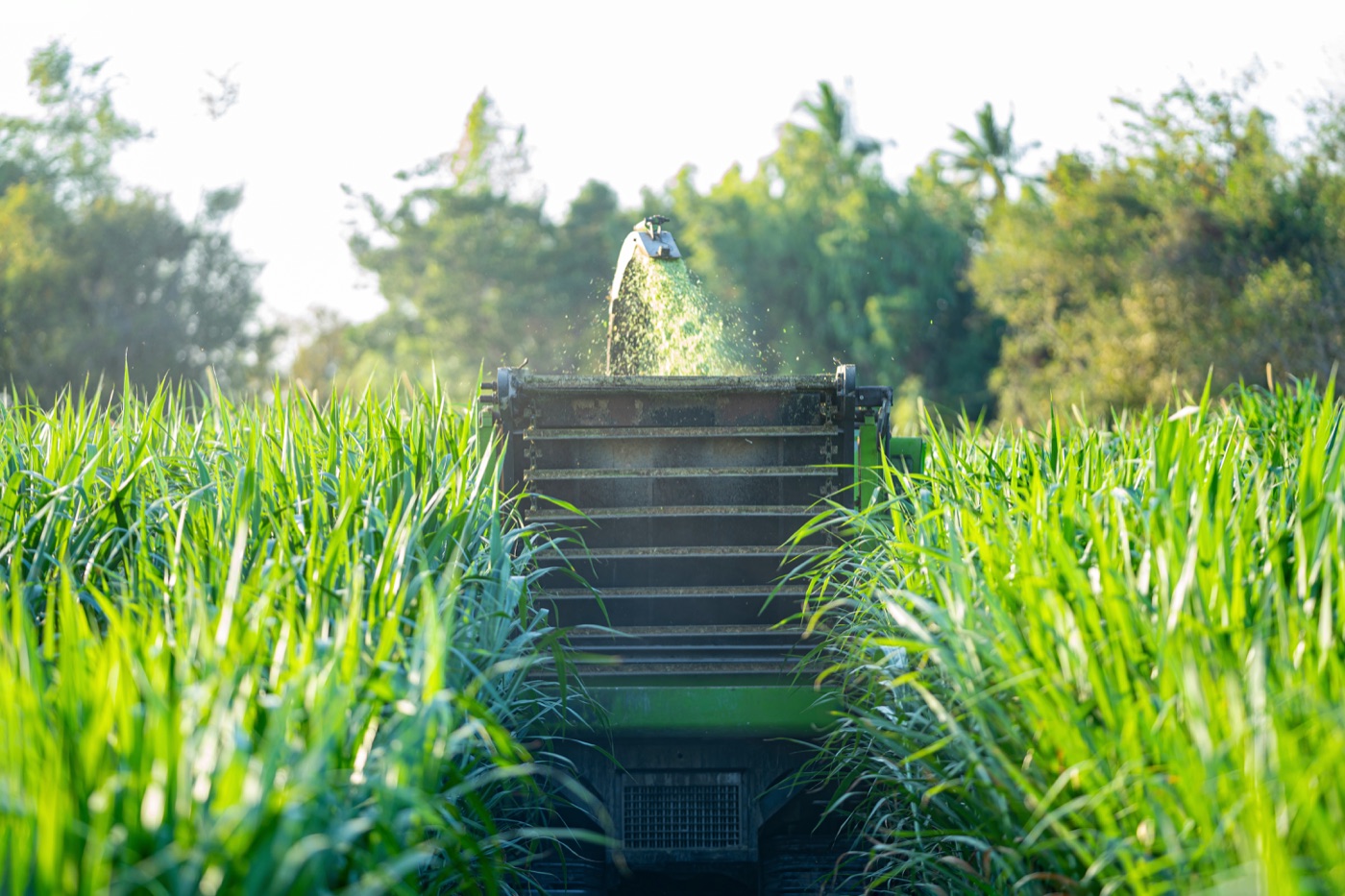
Water and infrastructure
Water supply, irrigation, drainage and storage are integrated into the production system.
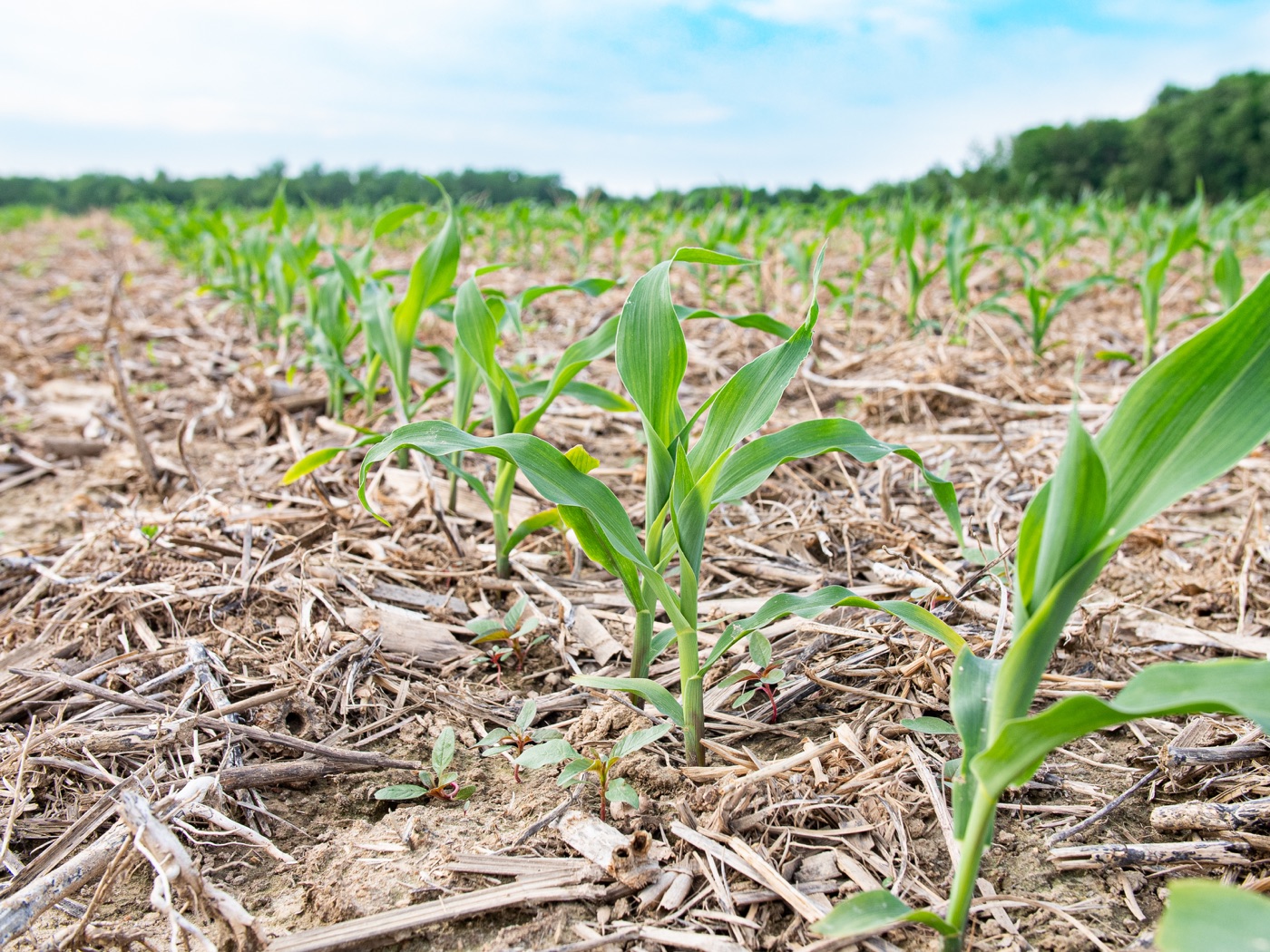
Nurseries and planting material
Nursery capacity, mother blocks and planting-material quality support reliable commercial deployment.

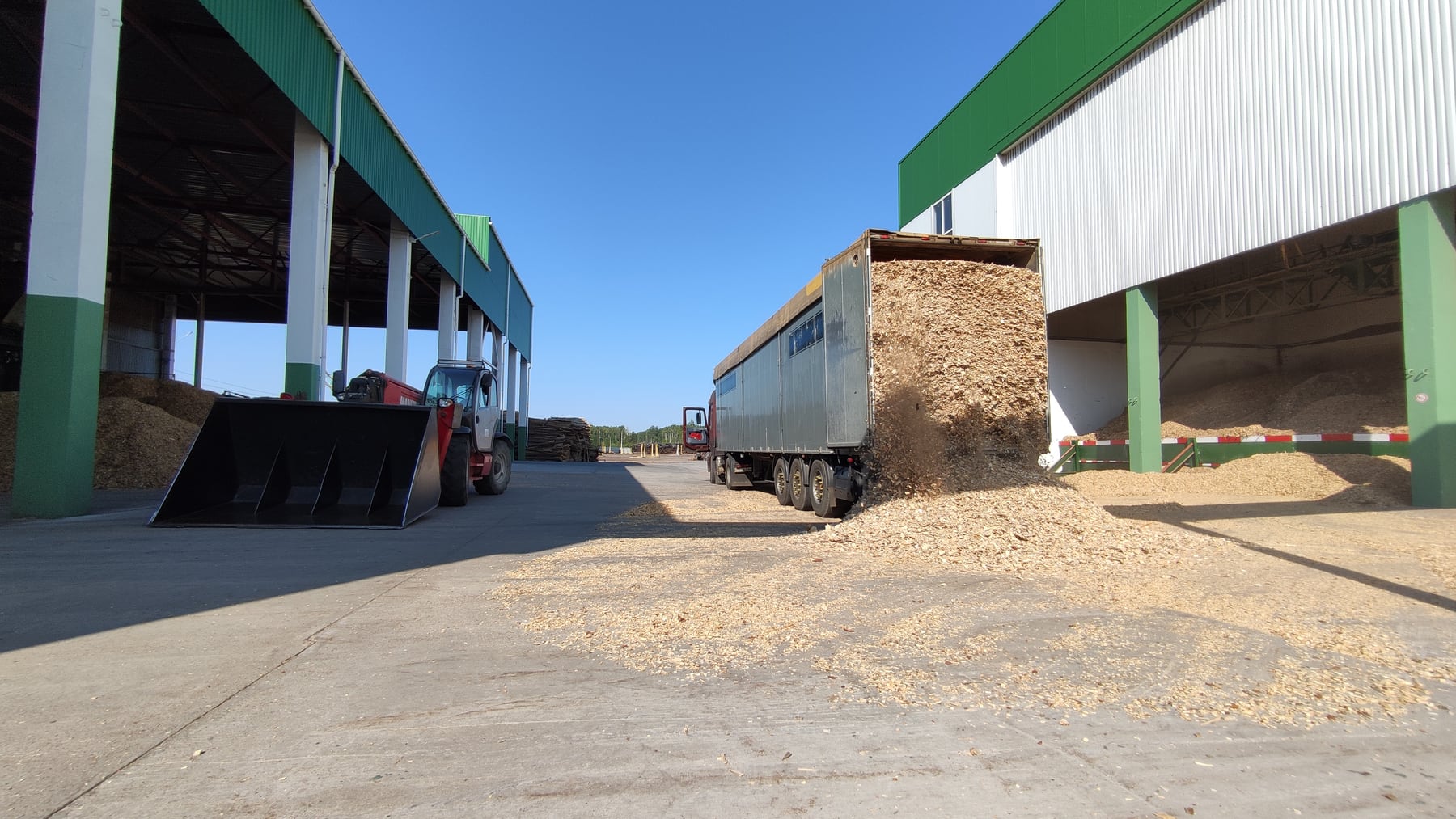
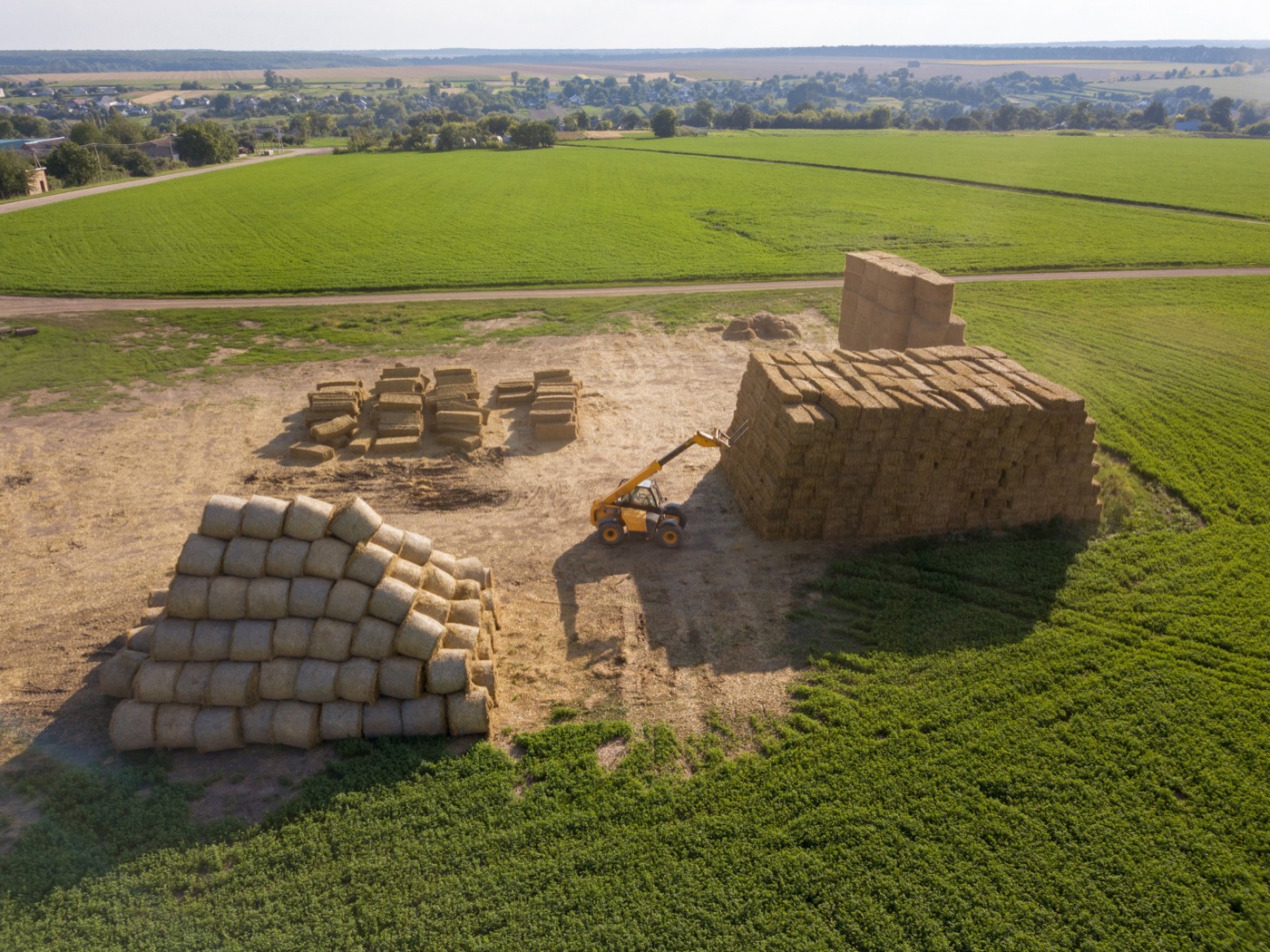
Harvesting and logistics
Machinery, harvest windows, loading and transport are coordinated to deliver biomass efficiently.
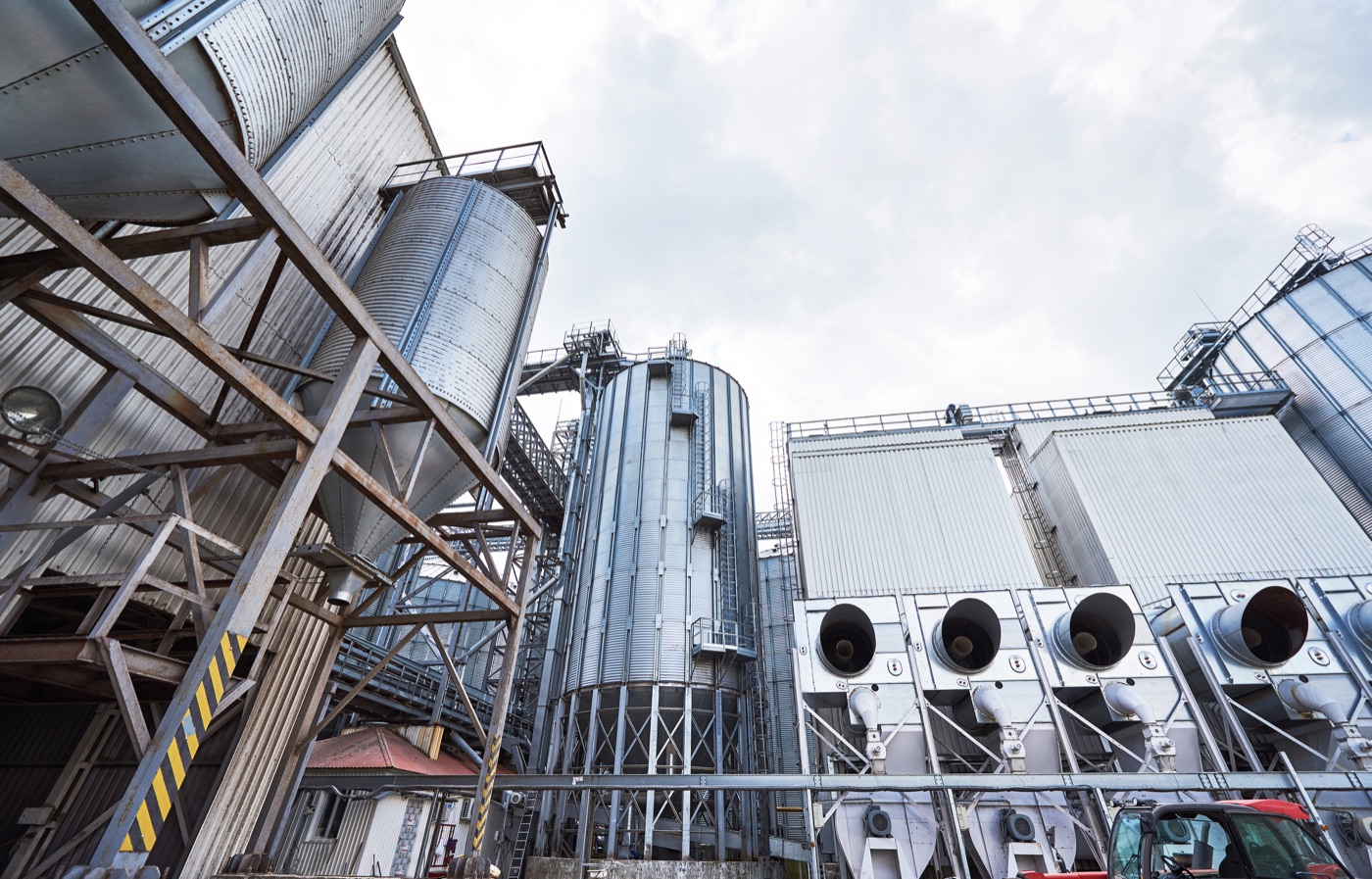
Plant delivery
The production system is designed to provide dependable feedstock volume, quality and cost at the industrial gate.
Trials, nurseries, genetics and planting material
Prepare the crop system before commercial rollout
BEC can support germplasm and variety screening, seed, cuttings, rhizomes, seedlings and clones, nursery design, mother blocks, multiplication strategy, field trials, and phytosanitary and local adaptation considerations.
Capacity building and commercial rollout
Move from pilot plots to managed production systems
Technical protocols, production guides, operator and field-team training, grower systems, pilot-to-commercial scale-up, monitoring and adaptive management help the project move from screening to implementation.
Monitoring closes the loop
Field performance, harvest windows and operational evidence inform the next deployment phase.
Client deliverables
Outputs clients can use for decisions, financing and implementation
Anonymous case typology
Regional screening for a phased industrial feedstock plantation
A project developer needs to identify suitable land, compare candidate blocks, select crop systems and understand the hectares, water, nursery, infrastructure and rollout sequence required for an industrial demand point. BEC combines spatial screening, field validation, crop-system selection and scenario modelling to define a practical deployment roadmap.
- Ranked land blocks and exclusion map.
- Crop-system and yield/cost scenarios.
- Trial, nursery and phased commercial rollout plan.