
Feedstocks for SAF and renewable fuels
Oil crops for SAF & renewable fuels
Oil-crop projects for sustainable aviation fuel (SAF), renewable diesel and other markets depend on agronomic fit, seed access, oil yield and quality, crushing, co-products, traceability, farmer economics and pathway eligibility. BEC connects annual, intermediate and perennial oil systems to the country, rotation and market that must support them.
Commercial context
Start with the fuel pathway and the farming system
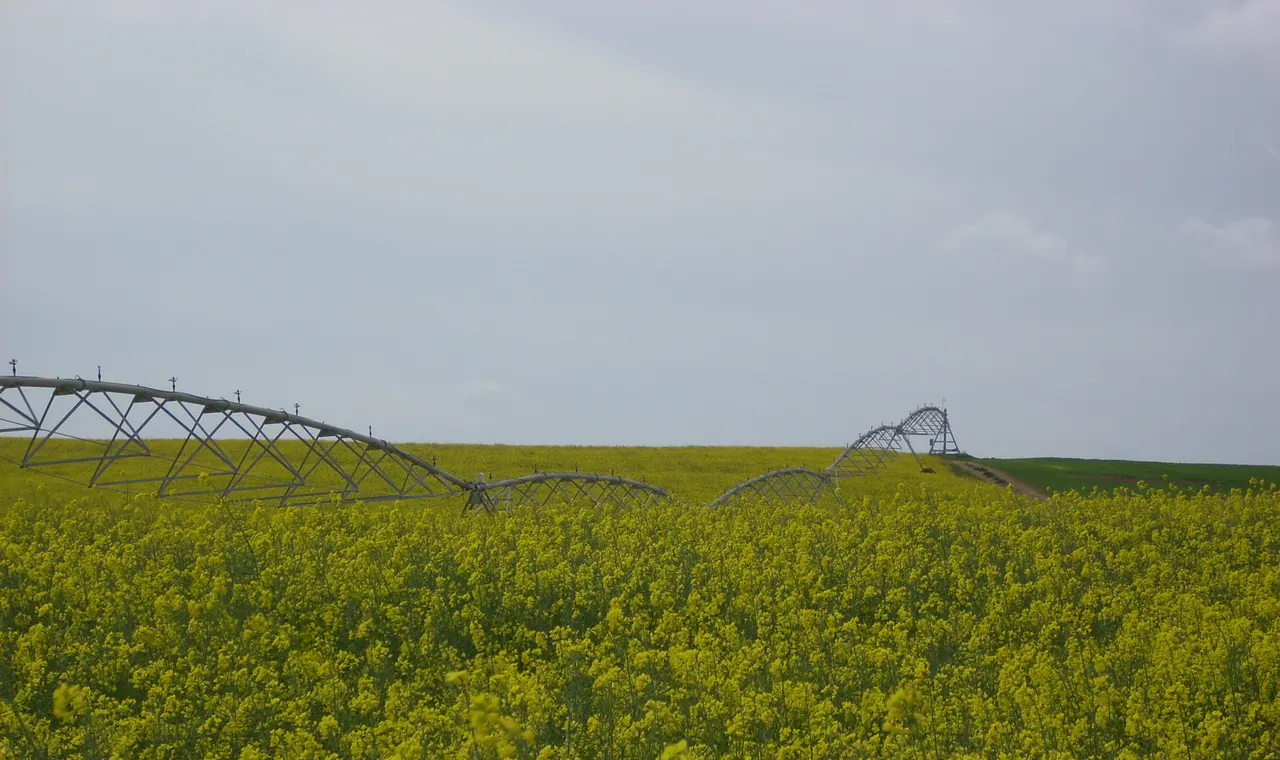
Oil-crop development is built around a specified oil and a traceable supply programme. Crop yield, oil content, fatty-acid profile, seed moisture, storage, crushing recovery, meal or residue value and certification all affect the delivered economics and lifecycle case.
Crop and system options
Oil-crop and seed-to-fuel supply models
Compare seed yield, oil quality, farmer fit, crushing, traceability and pathway eligibility.
Canola and rapeseed
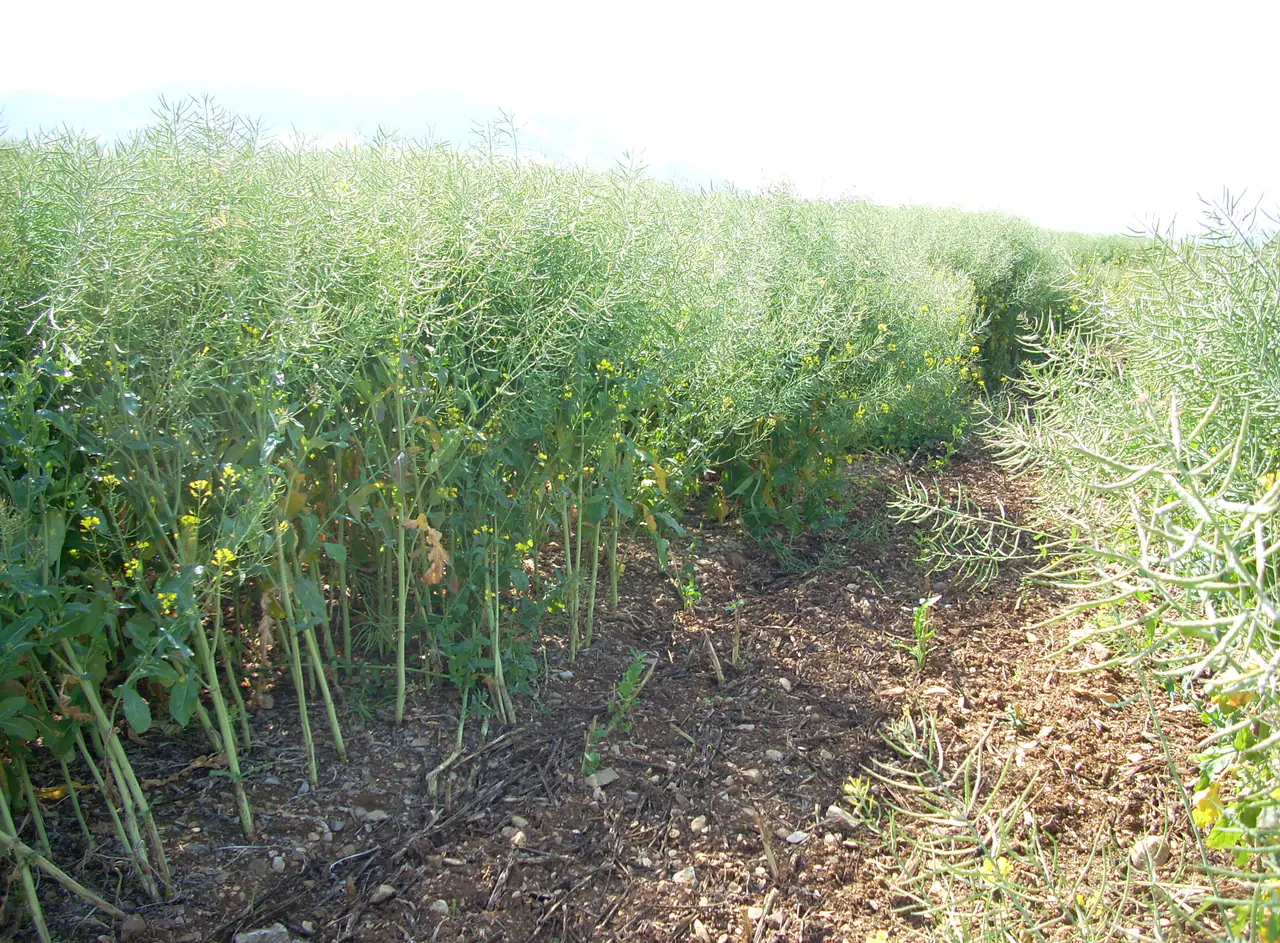
Brassica napus and B. rapa; canola-quality cultivars where applicable
Established oilseed systems with regional differences in cultivars, rotation, oil quality, meal markets and sustainability eligibility.
Camelina, carinata and intermediate oilseeds
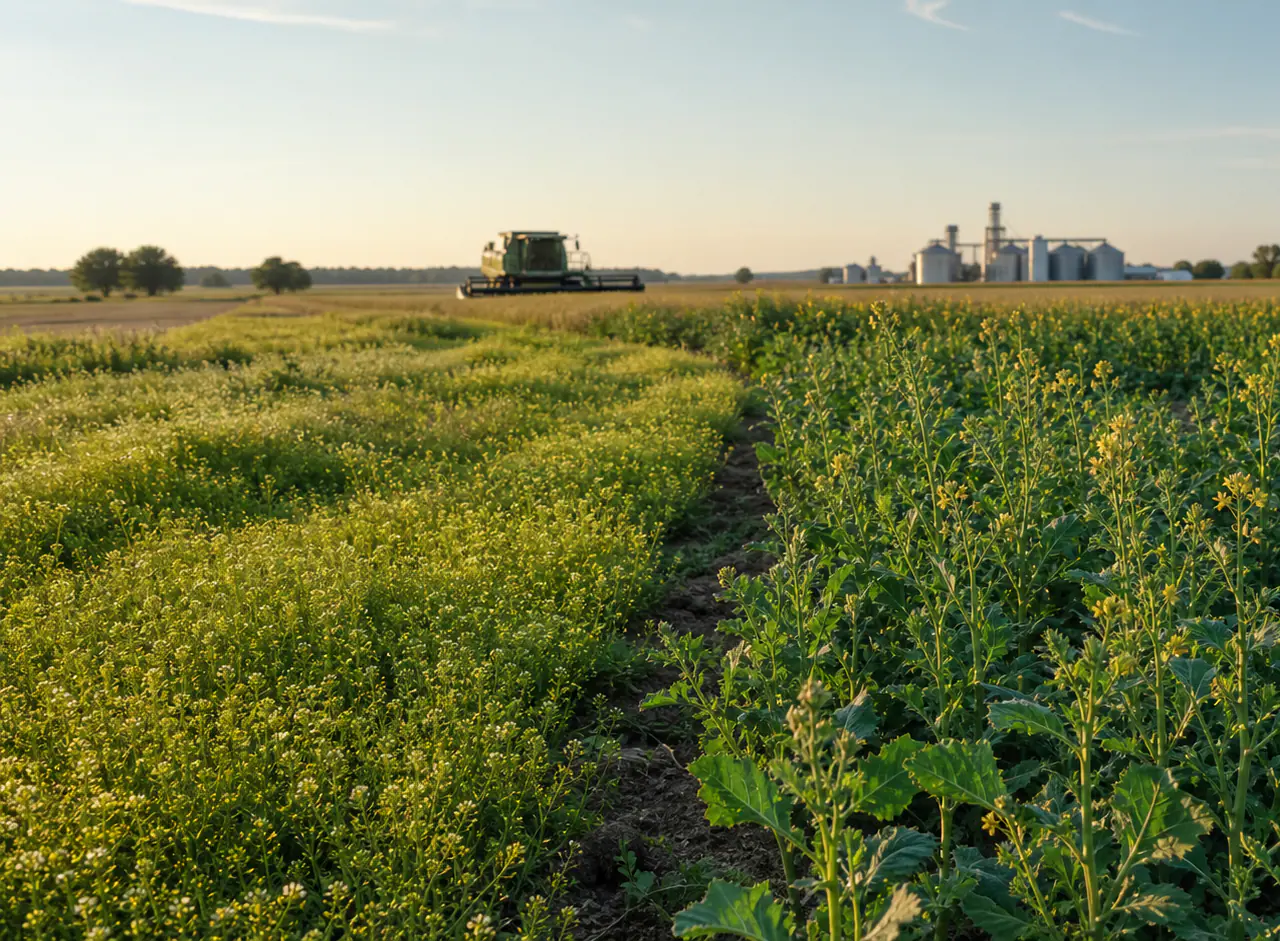
Camelina sativa · Brassica carinata · selected mustards
Short-season and winter oilseeds can fit selected rotations where agronomy, farmer margin, seed supply, oil specification and fuel-market access are demonstrated.
Sunflower and safflower systems
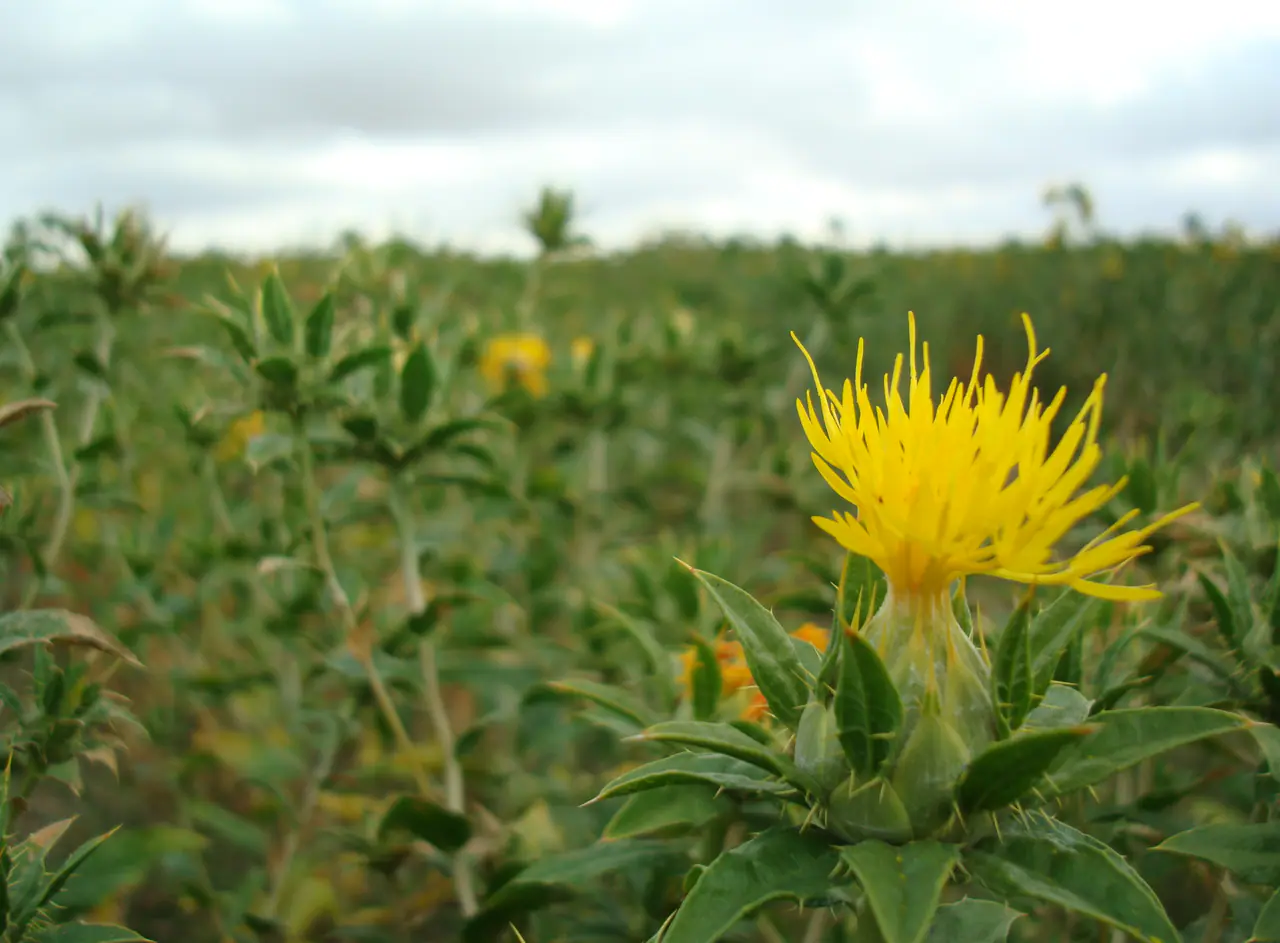
Helianthus annuus · Carthamus tinctorius
Oilseed options for warm and dry farming regions are compared through cultivar, water, rotation, achievable seed and oil yield, harvest system and local crushing capacity.
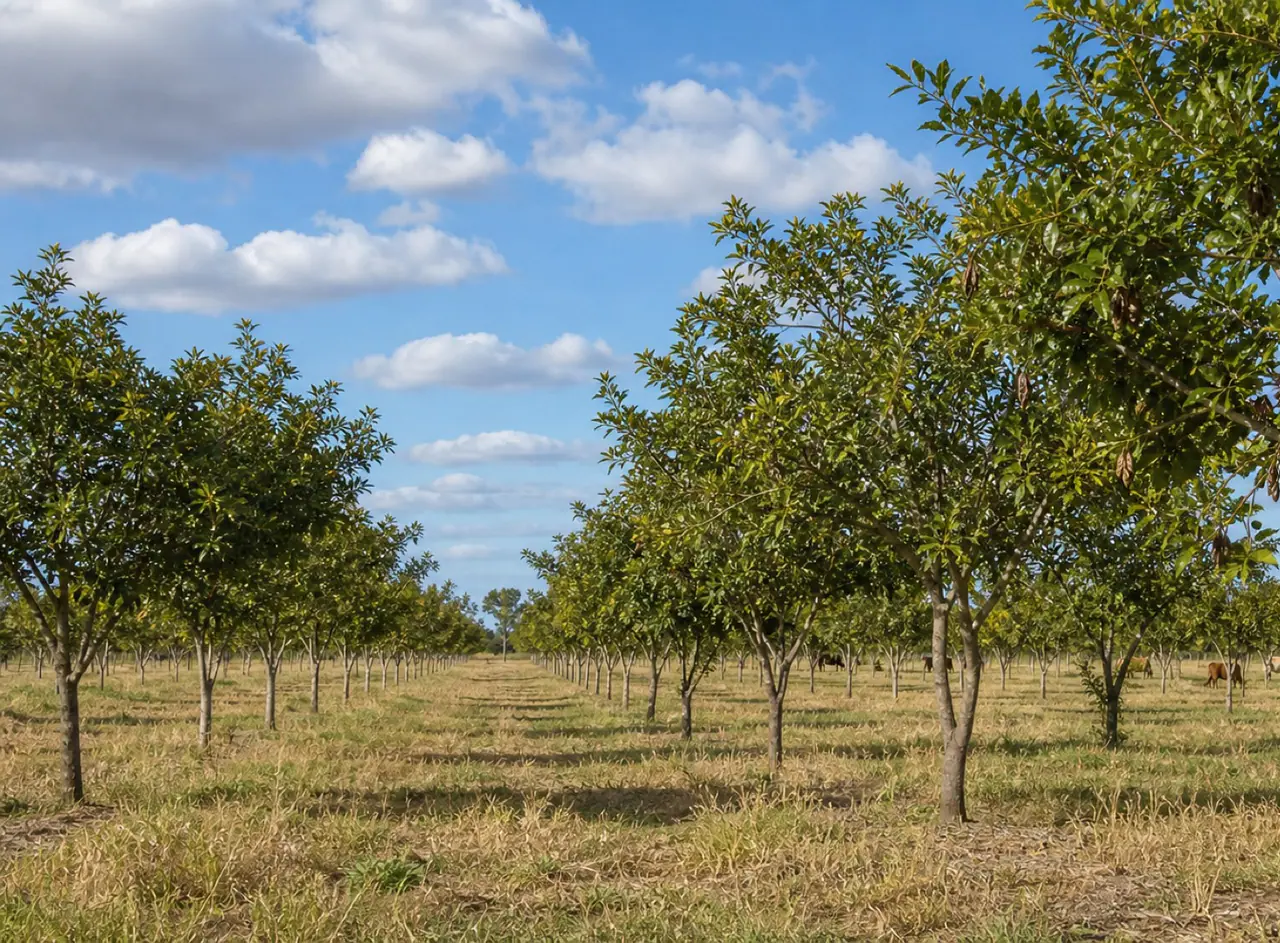
Pongamia and perennial oil trees
Millettia pinnata · locally suitable tree-oil systems
Perennial oil systems may combine seed production, shade, grazing and land rehabilitation where genetics, establishment, harvest, oil markets and long-term yield are credible.
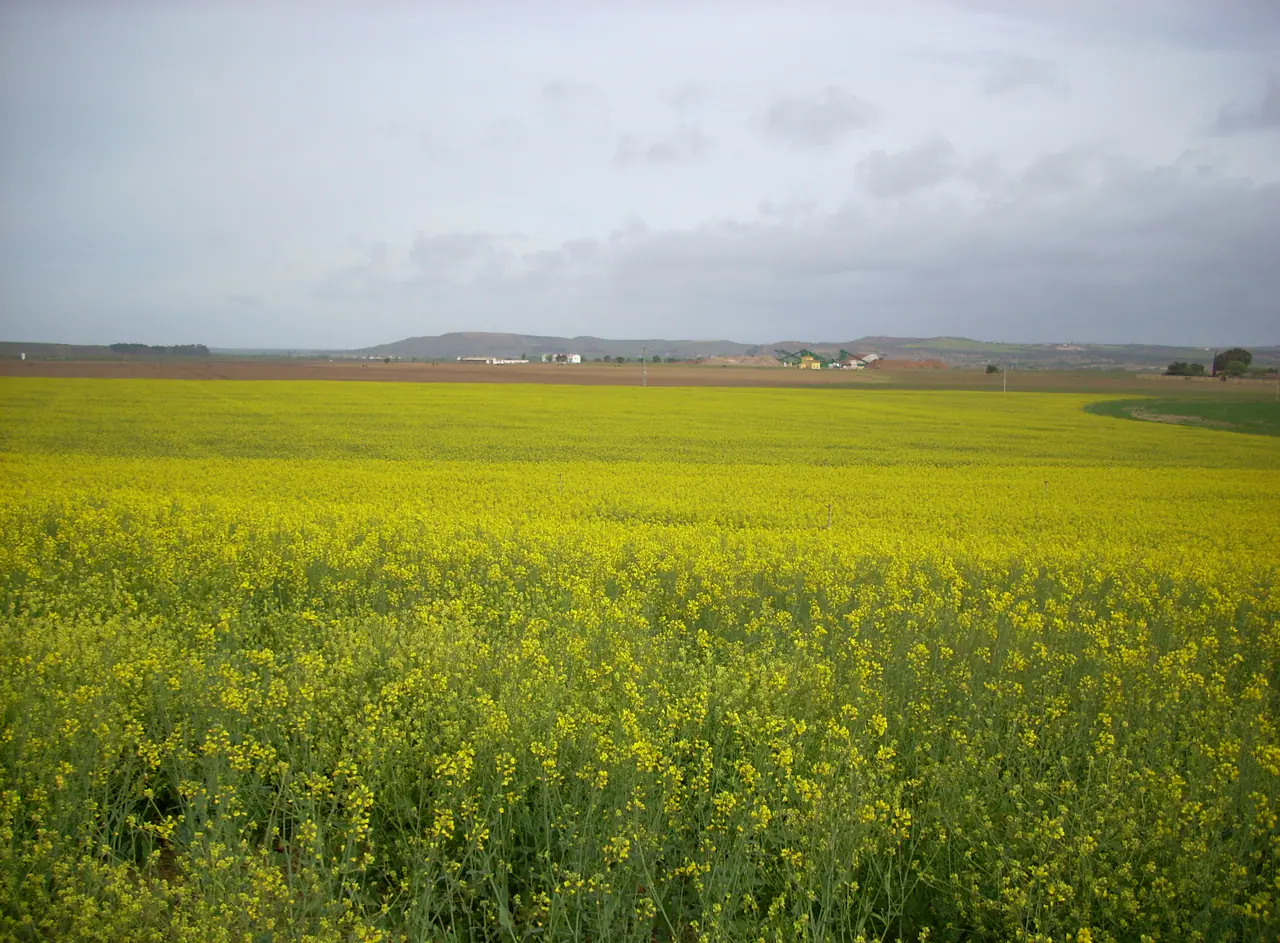
Field-scale oilseed production
Dryland · irrigation · precision agronomy
BEC compares soil and climate fit, precision inputs, water, farmer operations and harvest windows before converting plot yields into a credible regional supply programme.
Harvest, storage and traceability
Seed identity · moisture · impurities · chain of custody
Combine-harvester capacity, harvest timing, drying, storage, weighing and traceability determine how much compliant seed and oil can reach the market.
Decision framework
Connect the crop to a traceable fuel precursor
Crop selection and agronomy are specified against the required oil quality, chain of custody and fuel pathway.
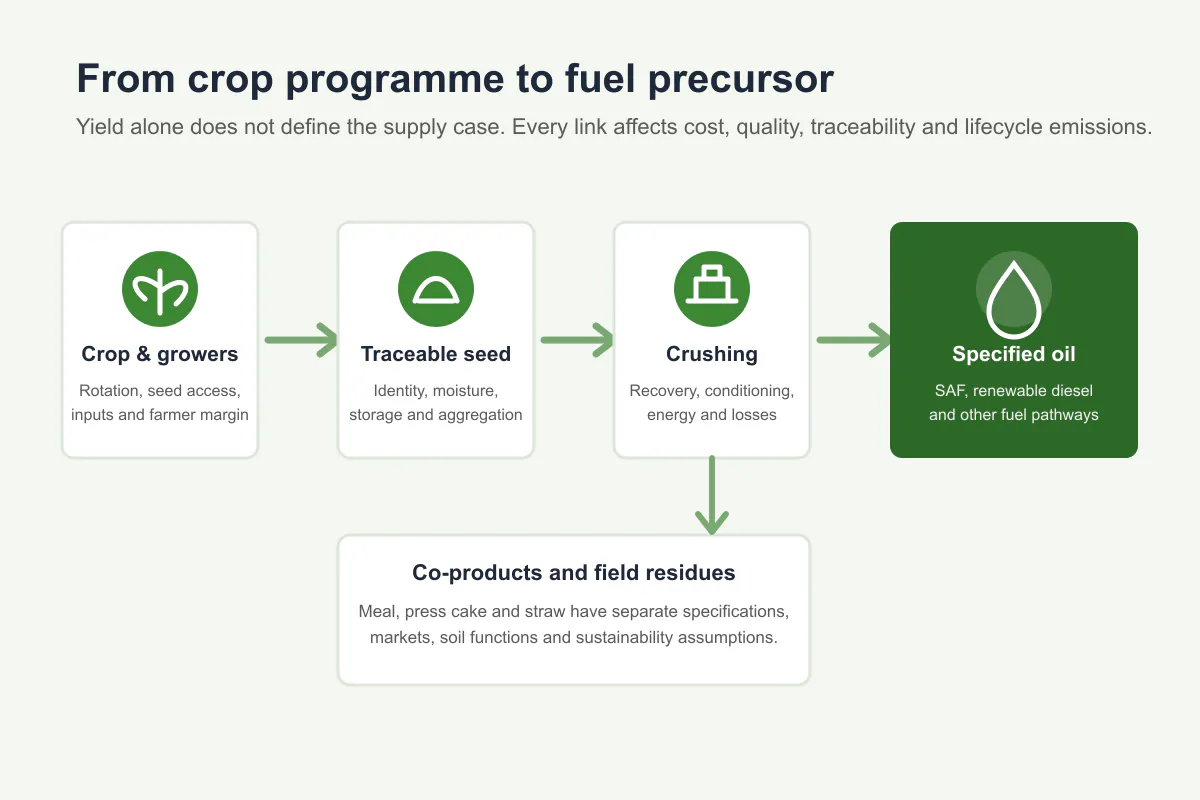
Seed-to-oil value chain
Growers · traceable seed · crushing · specified oil
The commercial case links farmer adoption and verified seed identity and supply to storage, crushing recovery, oil quality, co-products and the SAF or renewable-fuel pathway.
What reaches the plant
Feedstock forms and operating implications
Seed
Identity, moisture, impurities, storage life and traceability define the delivered crushing feedstock.
Crude or refined oil
Extraction recovery, fatty-acid profile, contaminants and pretreatment requirements connect the crop to fuel conversion.
Meal and press cake
Feed, fertiliser or energy value depends on composition, antinutritional factors, regulation and local markets.
Straw and field residues
Removal rates, soil cover, nutrients, ash and logistics are assessed separately from seed-oil potential.
BEC services
What BEC can deliver
The scope is adapted to the project stage: early screening, feasibility, due diligence, pilot development, procurement or implementation support.
Explore BEC services →- Crop and rotation screening
- Oil-yield and quality model
- Seed multiplication and grower strategy
- Crushing and co-product balance
- Traceability and pathway eligibility review
- Farm-gate and delivered-oil economics
Technical evidence
Evidence behind the decision
Crop selection, commercial modelling, implementation planning and due diligence draw on the following evidence.
01Intermediate oil crops and carbon farming
A crop becomes an intermediate option through its position in a real rotation. BEC checks sowing and harvest windows, water, frost, pests, crop insurance, main-crop yield effects, soil cover and farmer margin. Reduced bare-soil periods, targeted amendments and other carbon-farming practices are included only where they improve agronomy and the verified lifecycle case.
02Pathway eligibility and lifecycle evidence
Where a market uses an ‘advanced biofuel feedstock’ classification, eligibility depends on the jurisdiction, pathway and chain of custody. The project case documents land, inputs, yield, transport, processing, co-products and allocation assumptions for technical and regulatory review.
03Commercial maturity
BEC distinguishes established crops, emerging commercial systems and options that remain at trial or niche scale. Emerging and niche crops require current evidence of agronomic performance, feedstock quality, regulatory fit and market access before commercial deployment.
Discuss a project
Test oil-crop supply against the fuel and farmer case
BEC can compare annual, intermediate and perennial oil systems from field fit through crushing, compliance and delivered economics.