
Long-lived lignocellulosic systems
Perennial energy crops & lignocellulosic feedstocks
Perennial grasses and other long-lived herbaceous crops can supply fresh biomass, silage, dry bales, chopped material and fibre. BEC develops these systems around climate fit, planting material, persistence, stable commercial yield, soil management, harvest timing, quality and logistics.
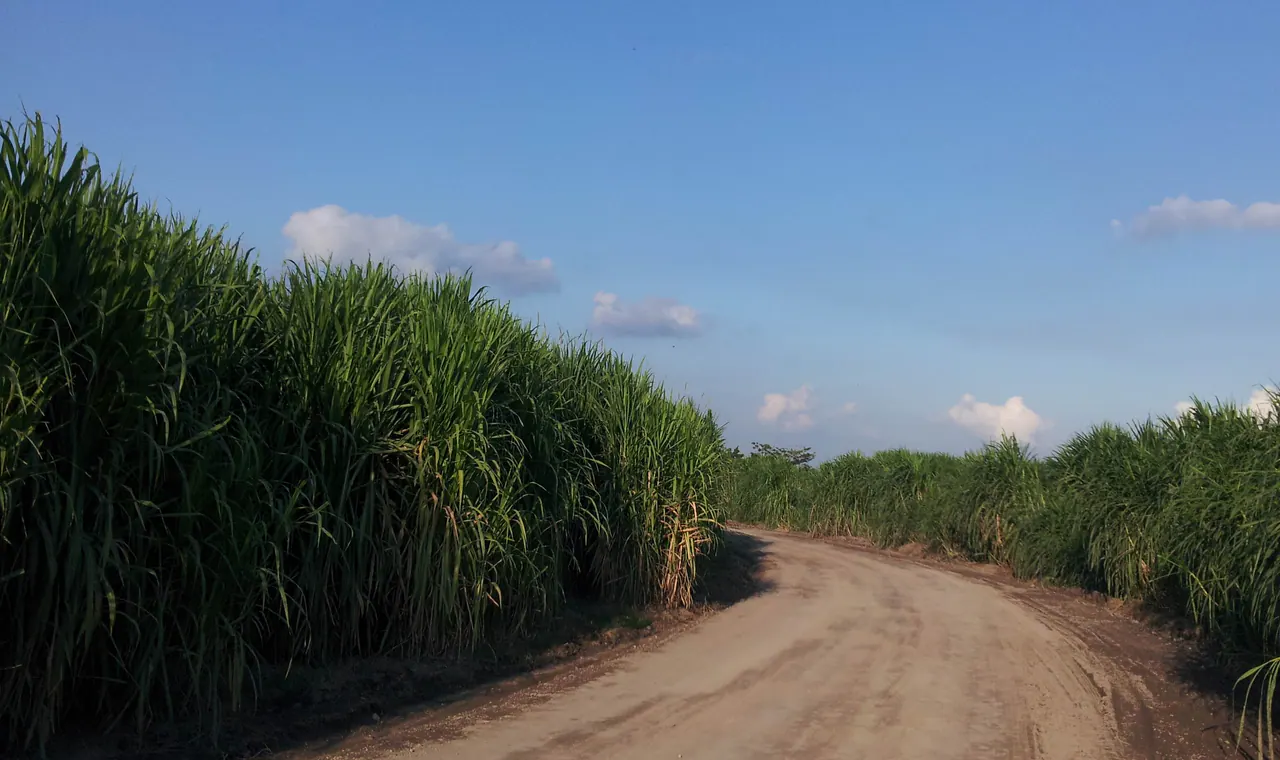
Commercial context
Match crop biology to the plant's operating model
Napier and banagrass can support frequent-cut, high-volume supply for biomethane and compressed biogas (CBG), with rapid chopping, ensiling and year-round feed planning. The same crop family can be managed at greater maturity for lower-moisture biomass used in combustion, fibre and thermochemical pathways. Temperate perennials are commonly harvested once a year as dry biomass. BEC compares establishment, regrowth, yield stability, nutrient return, soil condition, harvest window, storage and delivered cost under local conditions.
Commercial tropical grass systems
Banagrass & Napier feedstock systems—from genetics to plant gate
Banagrass and Napier or elephant grass (Cenchrus purpureus; formerly Pennisetum purpureum) are core tropical perennial feedstocks in BEC’s project experience. BEC connects genotype and propagation to establishment rate, persistent yield, harvest frequency, storage, industrial quality and delivered cost.
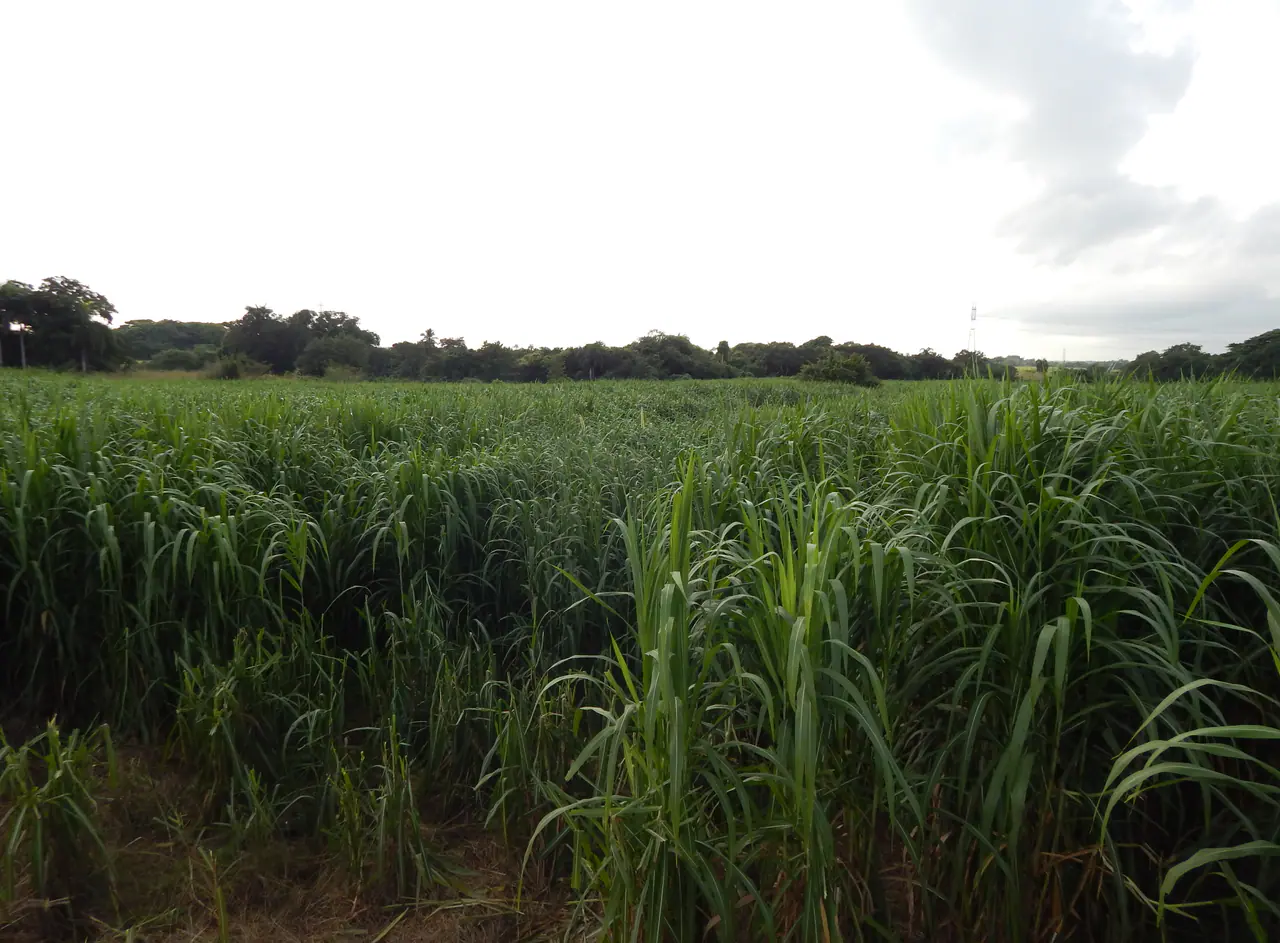
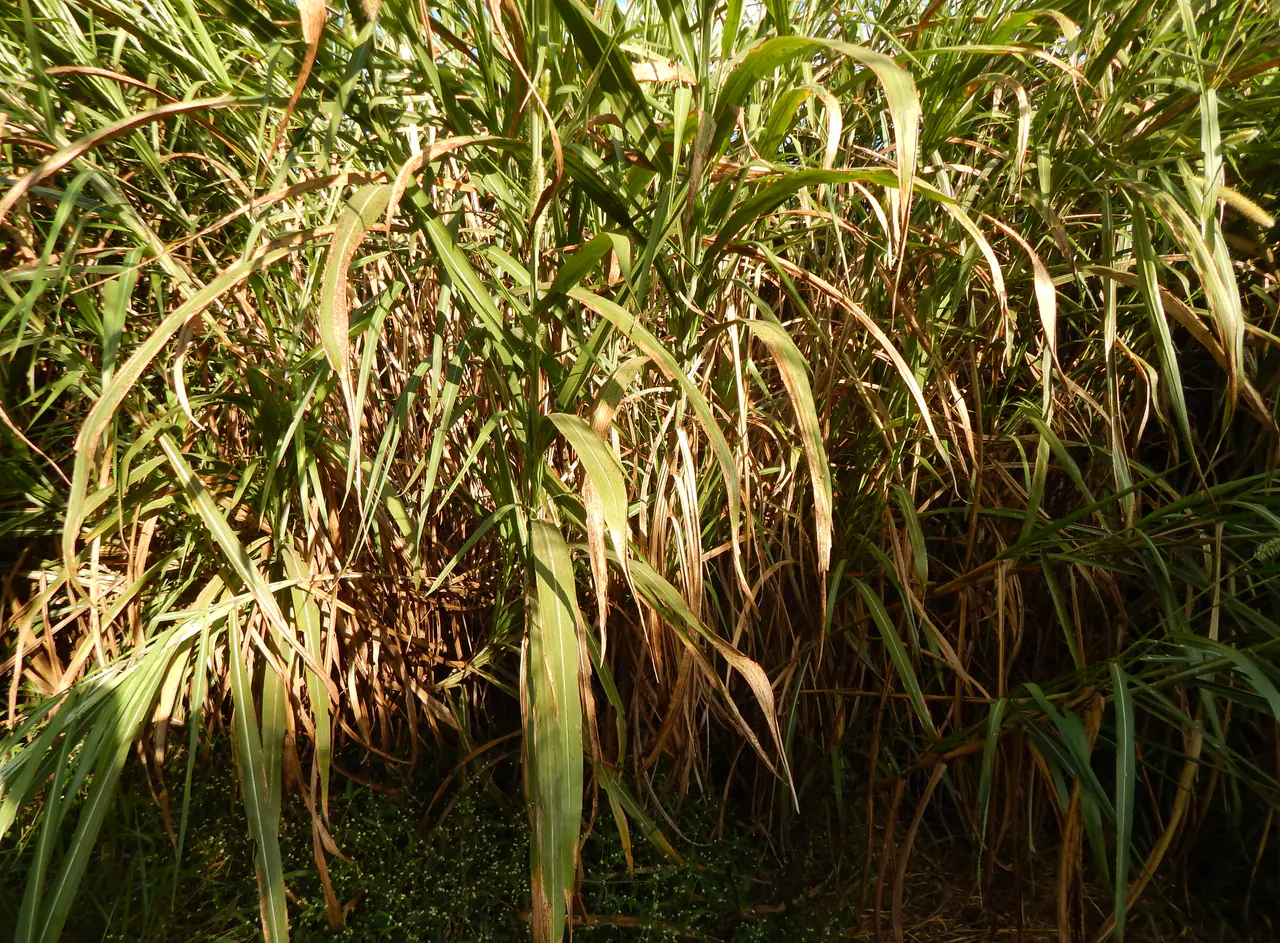
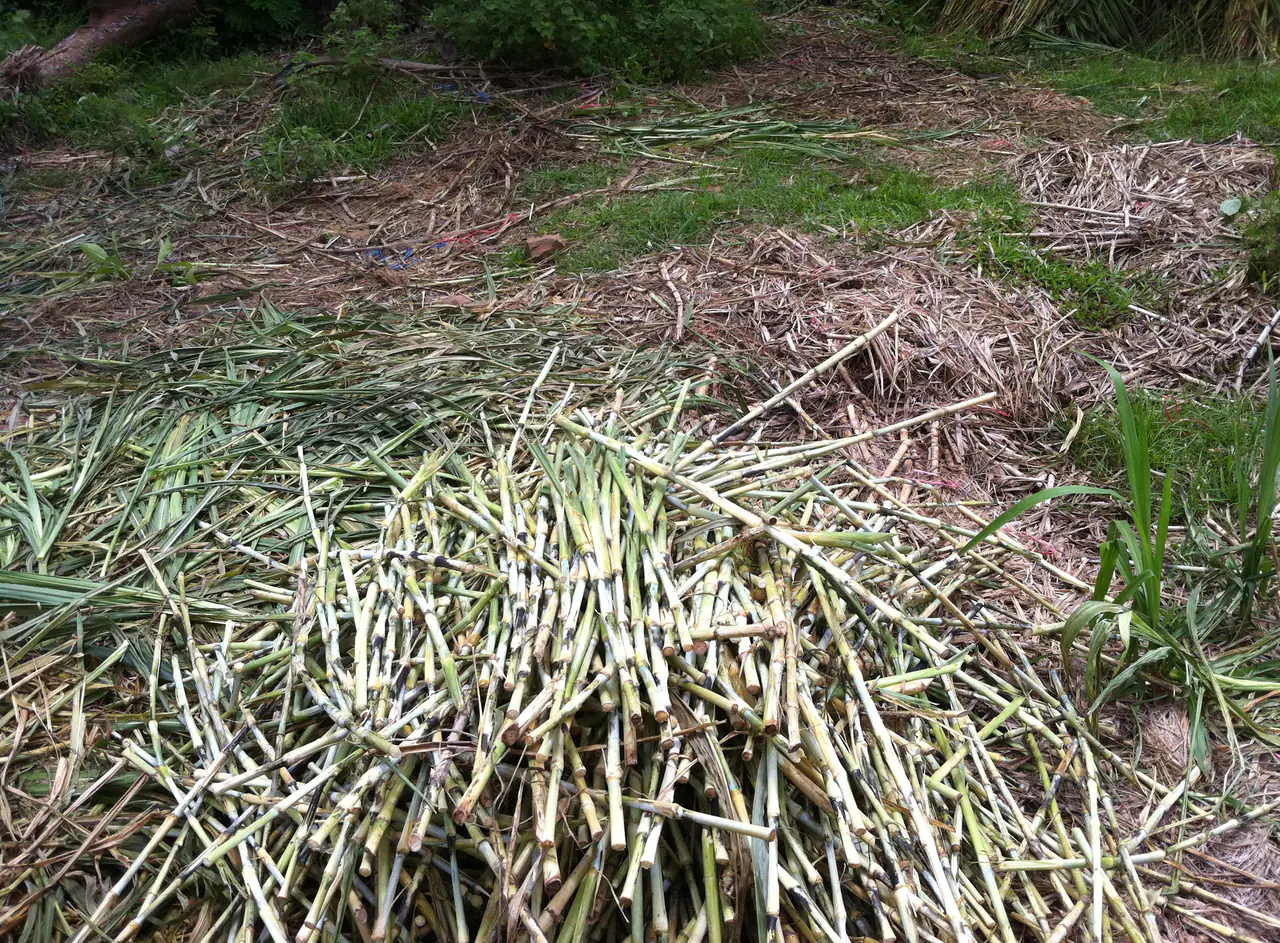
Select material by climate, disease risk, product and multiplication rate; plan nurseries, cuttings and quality control before commercial planting.
Cutting interval, nutrient return, soil condition, regrowth reserves and field monitoring protect multi-year performance.
Maturity and harvest method change moisture, fibre, ash, digestibility, methane potential and thermochemical behaviour.
Nursery throughput, planted hectares, machinery, storage and contractor capacity are phased against realistic plant demand.
Frequent-cut biomass for biomethane
Fresh chopping, rapid field clearance, compaction and ensiling create a controlled year-round programme for anaerobic digestion (AD).
Fresh chop → silage → AD → biomethane / CBGMature biomass for heat, fuels and fibres
Longer growth and controlled drying support bales, chopped fibre or densified products matched to combustion, thermochemical and material specifications.
Bales / chop → boiler or combined heat and power (CHP) · pellets · torrefaction · fibreField-to-plant operating system
Planting, field operations, harvesting and logistics are designed together
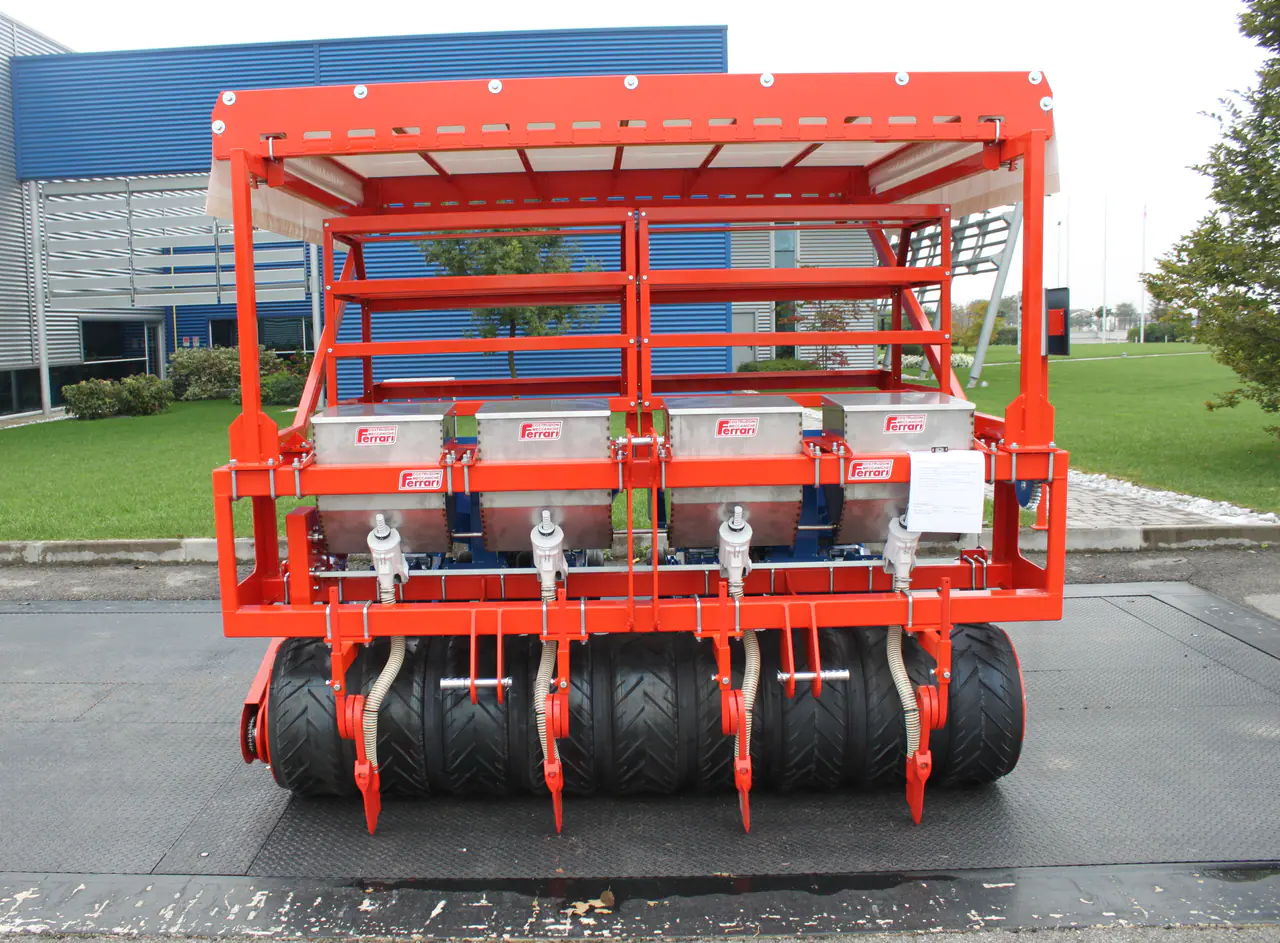
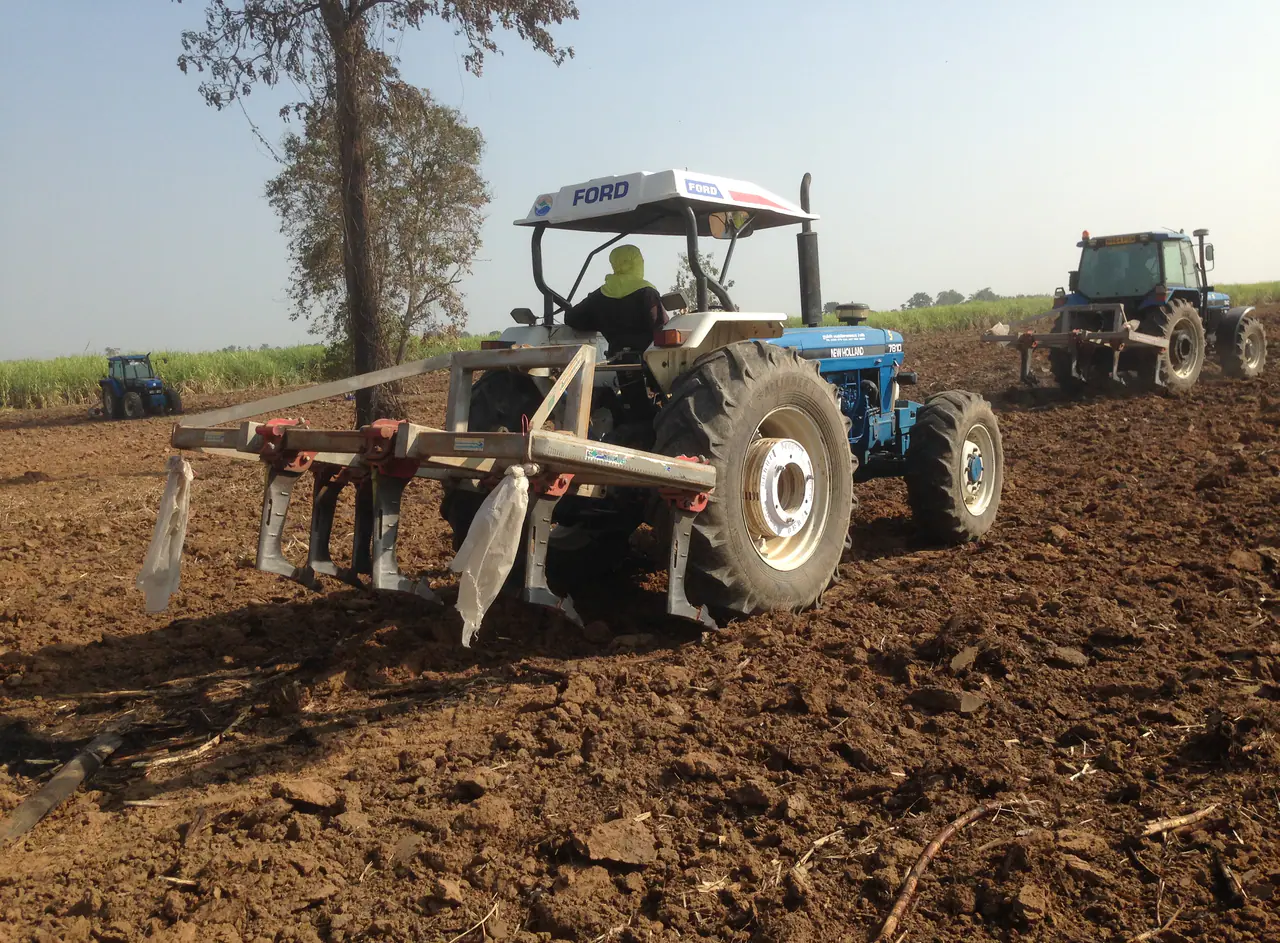
Field operations
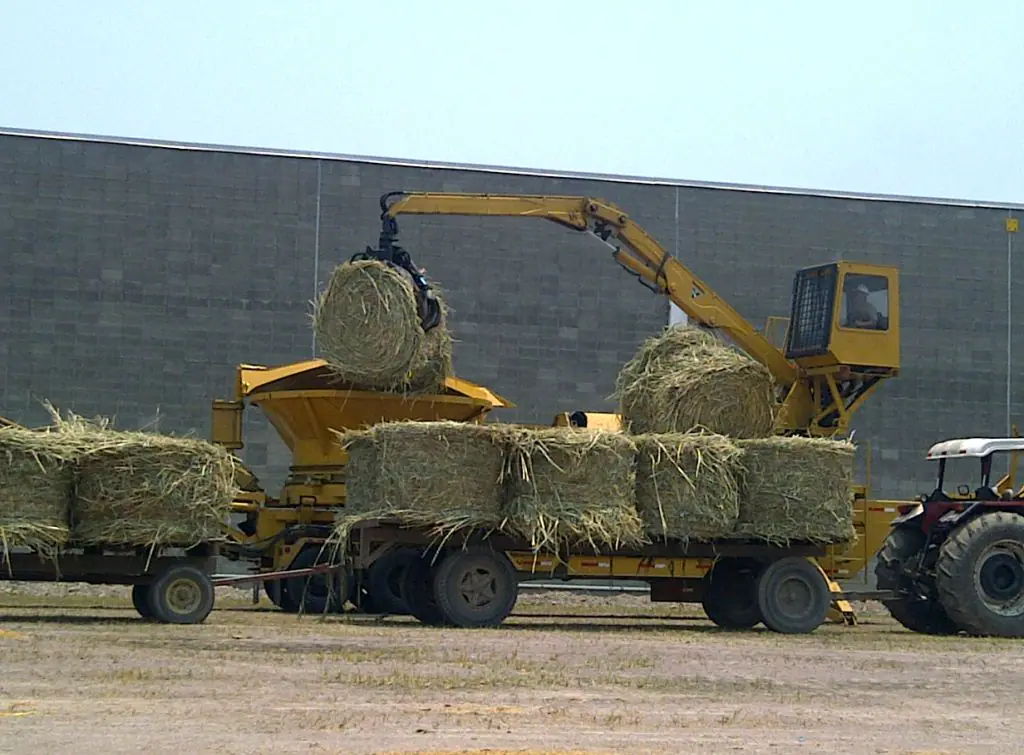
Commercial-scale perennial grass harvesting
Harvest capacity, field traffic, chop size, loading, transport turnaround and storage determine daily throughput, feedstock quality and plant-gate delivery.
Field operations: harvest, loading and transport
Crop and system options
Comparative perennial crop systems beyond Banagrass
Compare persistence, achievable yield, harvest form, industrial quality and delivered cost under local conditions.
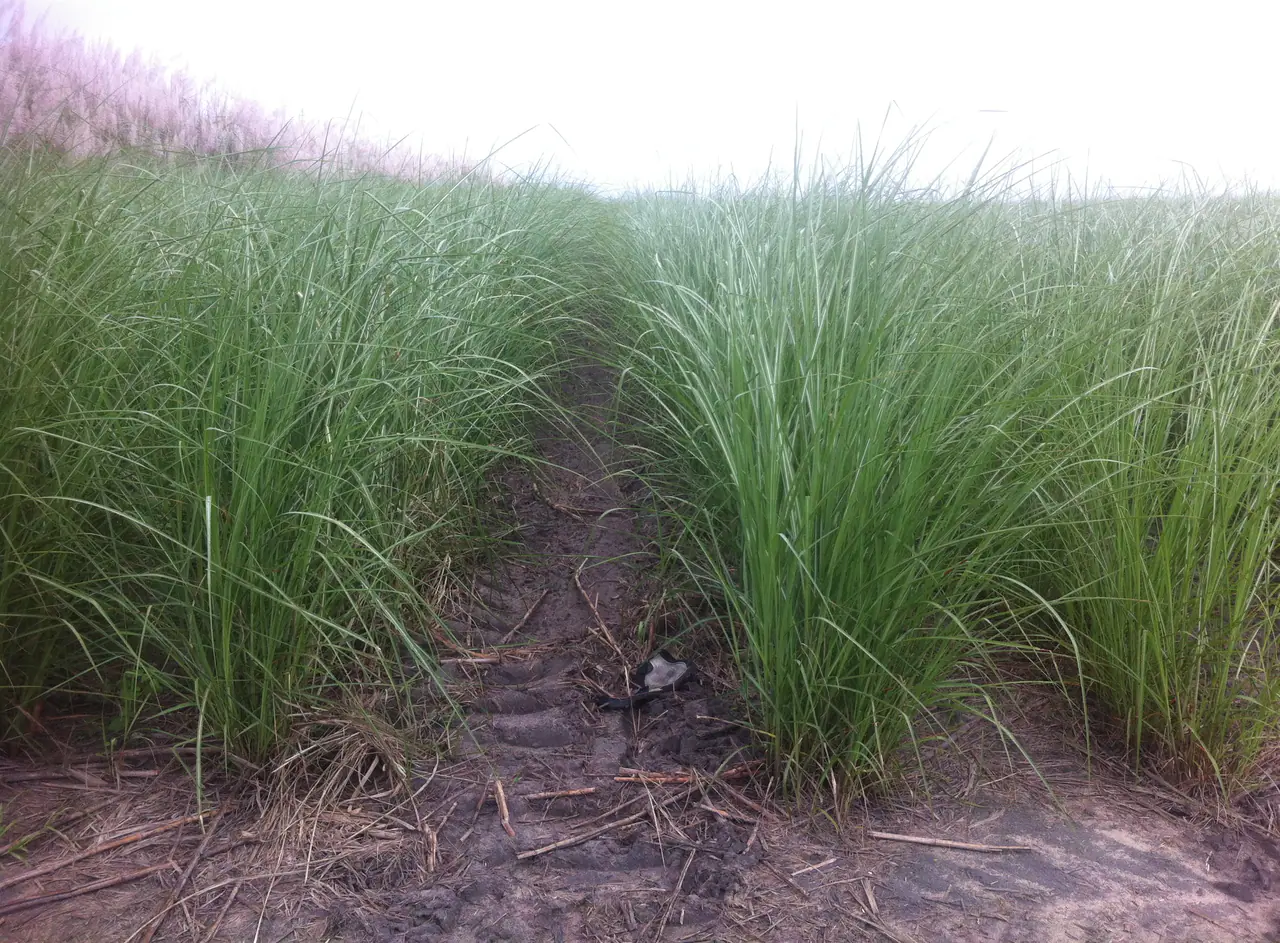
Energy cane
High-fibre Saccharum hybrids, often with S. spontaneum parentage
High-fibre cane systems with ratooning and established sugar-sector machinery can be assessed for lignocellulosic biomass, advanced fuels, power, heat and integrated biorefinery routes.
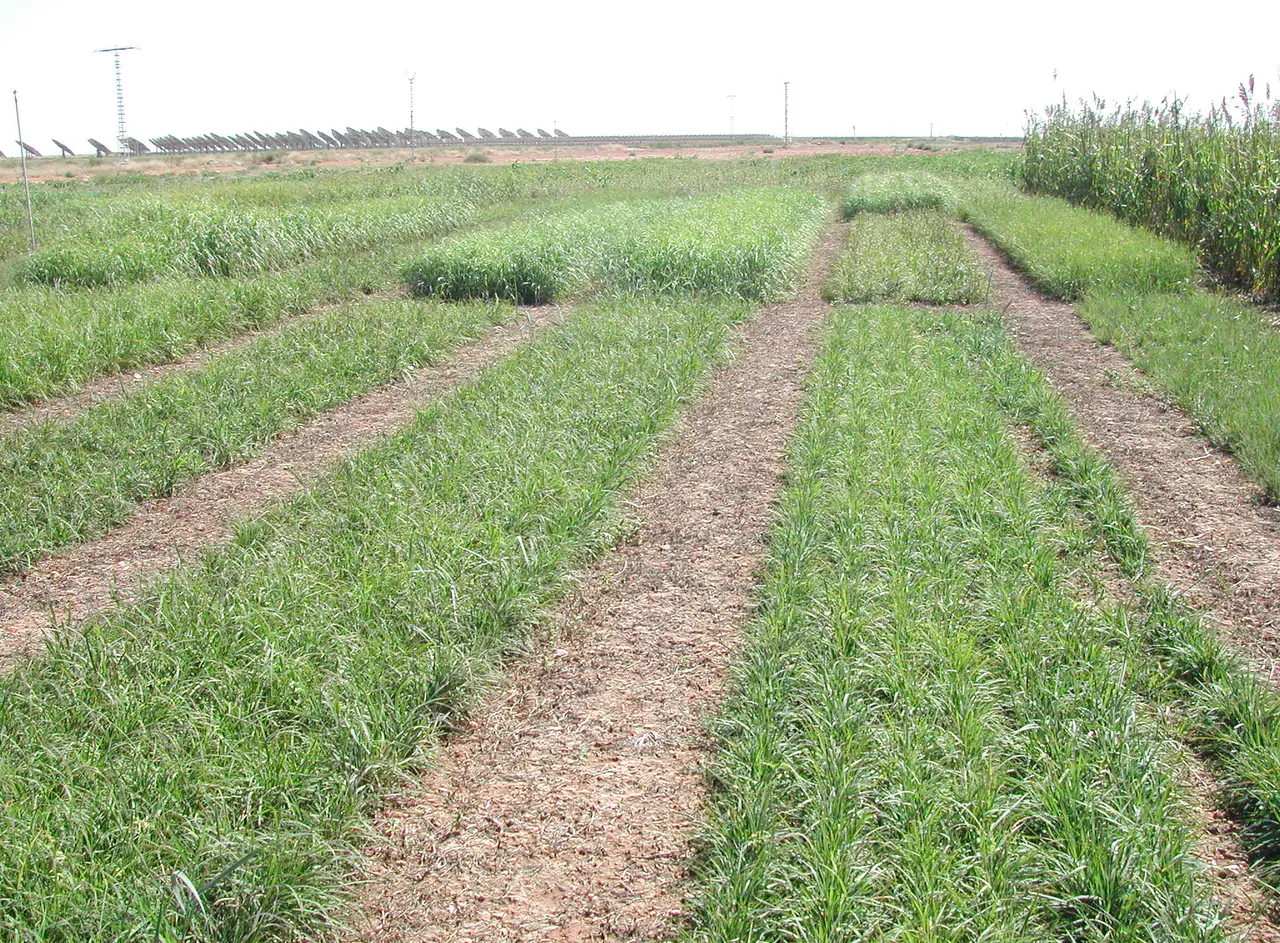
Switchgrass
Panicum virgatum
Temperate warm-season perennial supplied as dry bales or chopped biomass, with fibre and conversion qualities shaped by cultivar and harvest date.
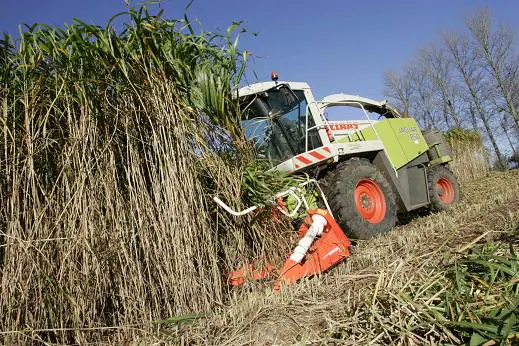
Miscanthus
Miscanthus × giganteus and related genotypes
Rhizomatous perennial commonly developed for dry lignocellulosic supply, pellets, combustion, advanced fuels and biomaterials.
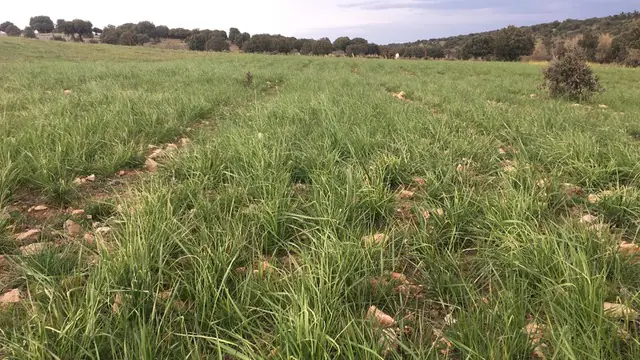
Tall wheatgrass
Thinopyrum elongatum and related material
Cool-season perennial grasses can supply dry biomass in saline, cold or lower-input settings where persistence, harvest timing and local commercial yield are demonstrated.

Bamboo systems
Species selected by climate and product
Woody grasses with species-specific culm properties, establishment systems and harvest cycles for chips, pellets, fibres and biomaterials.
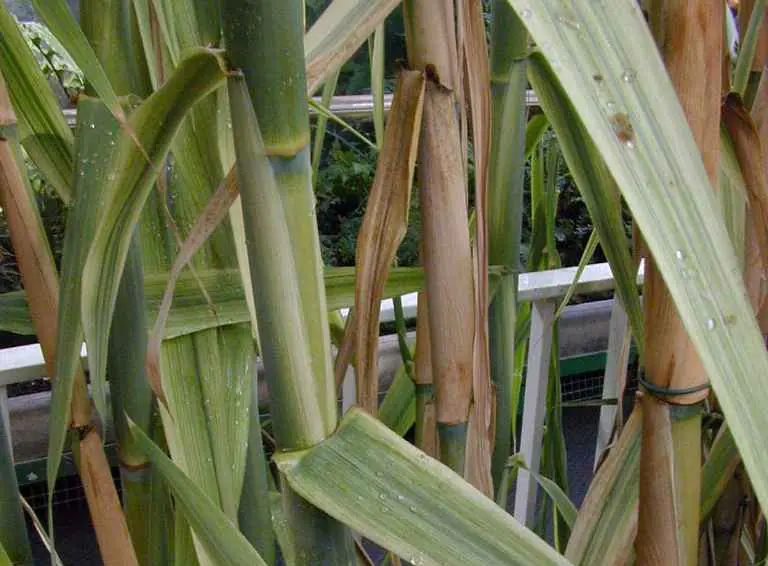
Giant reed
Arundo donax
Mediterranean and subtropical perennial considered for dry biomass, fibre and conversion routes where invasiveness, water and regulation are resolved.
What reaches the plant
Feedstock forms and operating implications
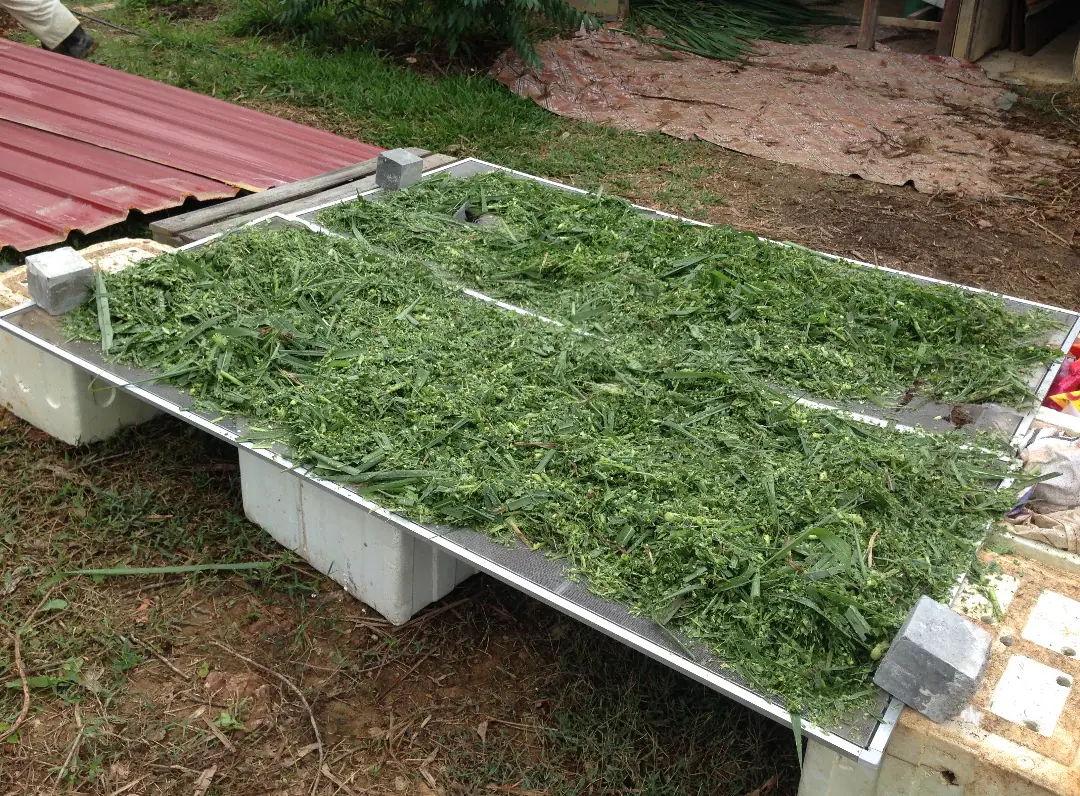
Fresh chopped biomass
High-moisture material requires rapid chopping, loading and delivery with particle size and contamination controlled.
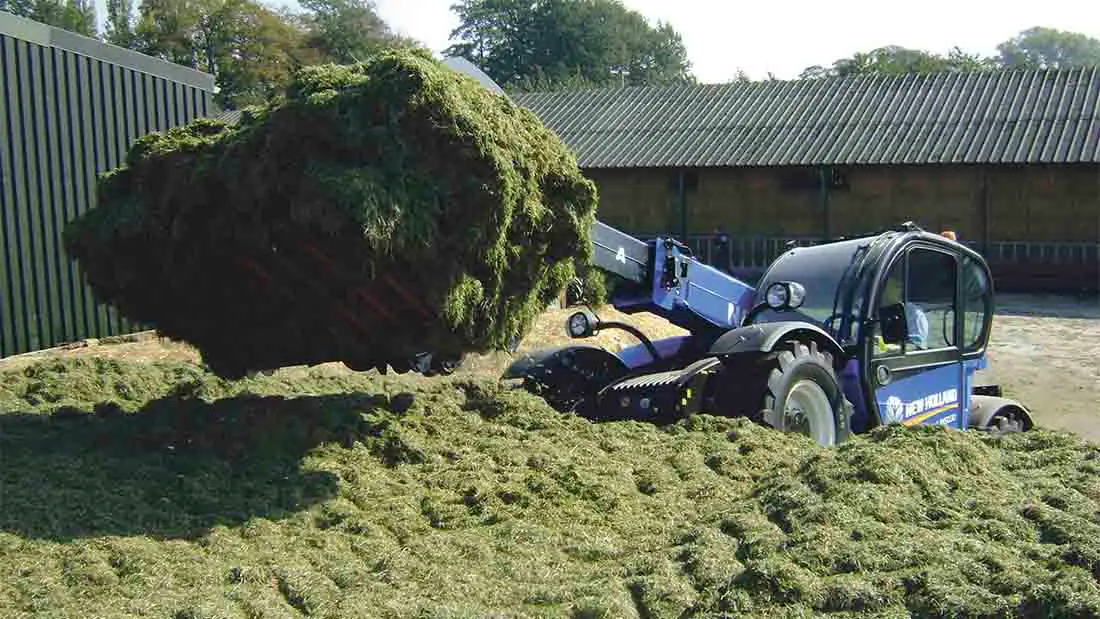
Silage and wet storage
Harvest timing, chop size, compaction, fermentation and storage design preserve a year-round wet feedstock programme.
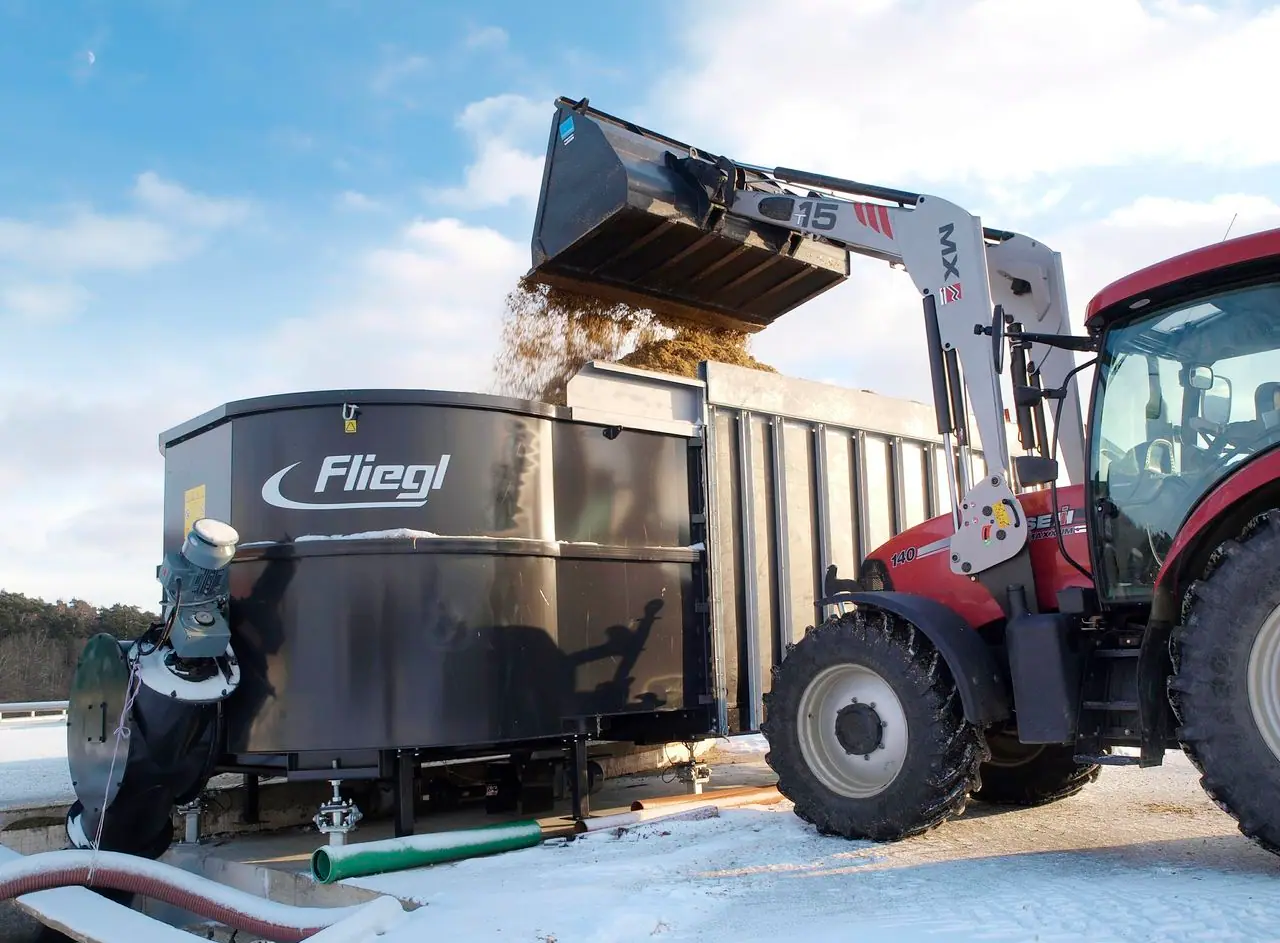
Anaerobic digestion & biomethane
Biochemical methane potential, digestibility, retention time, blending and digestate management connect the crop to plant performance.
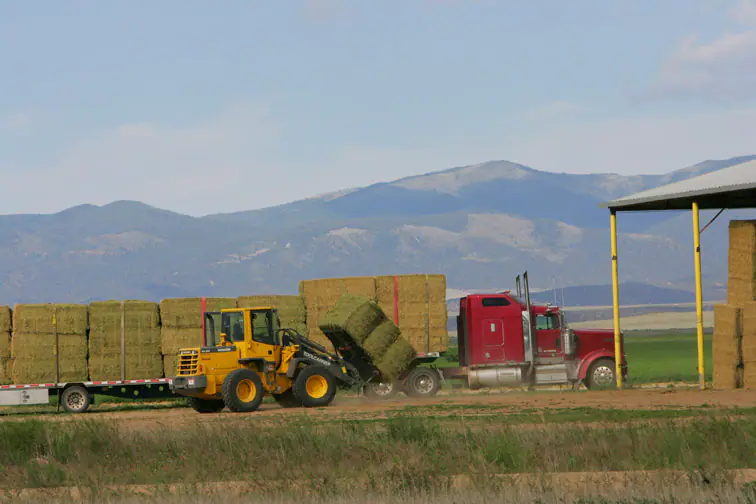
Dry bales or chopped biomass
Seasonal harvest, field drying, baling, storage loss and bulk density determine delivered cost.
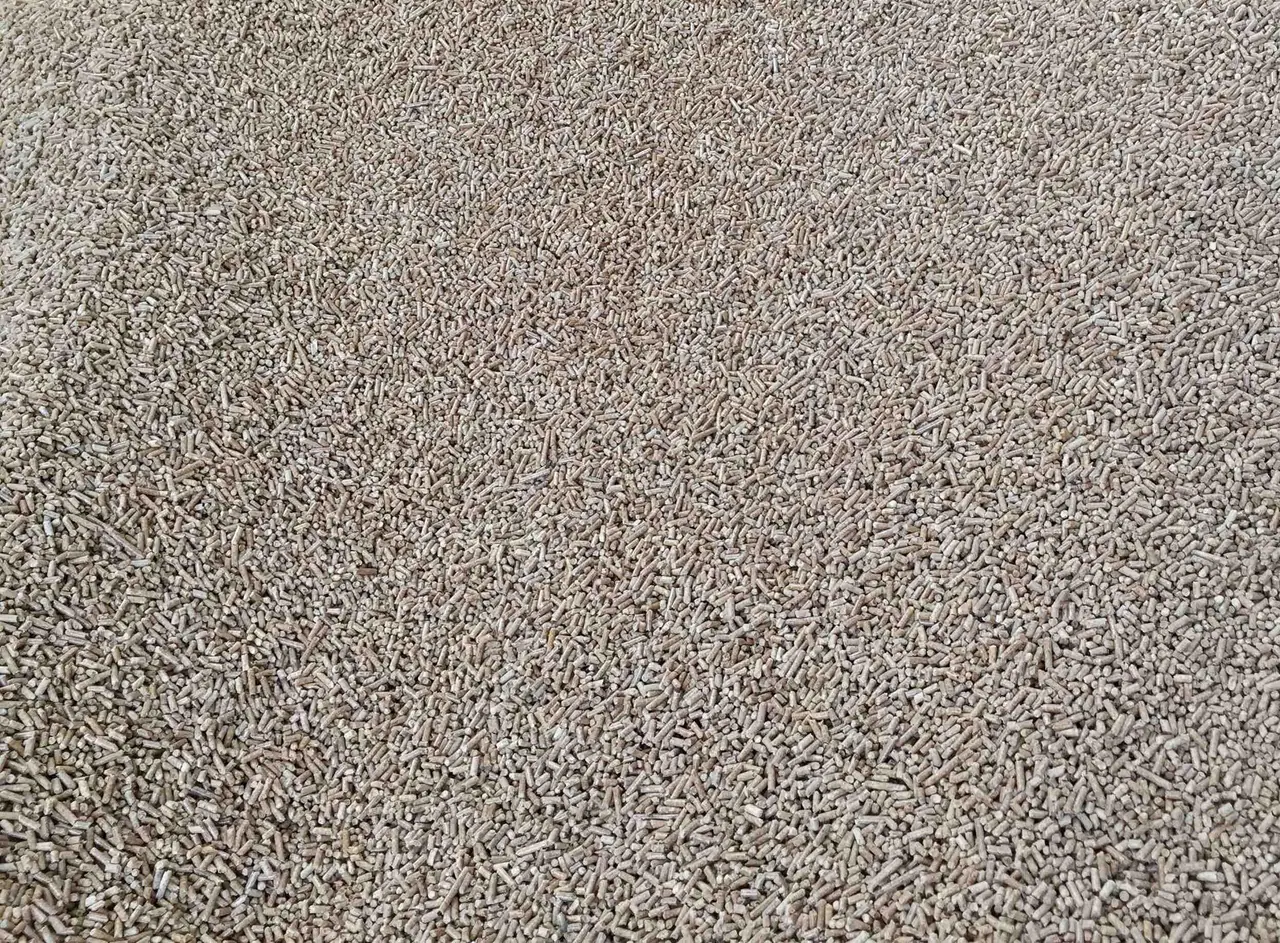
Pellets and densified products
Pellets, briquettes, pressed fibre cakes and torrefied products require product-specific density, durability, moisture, ash and energy input.
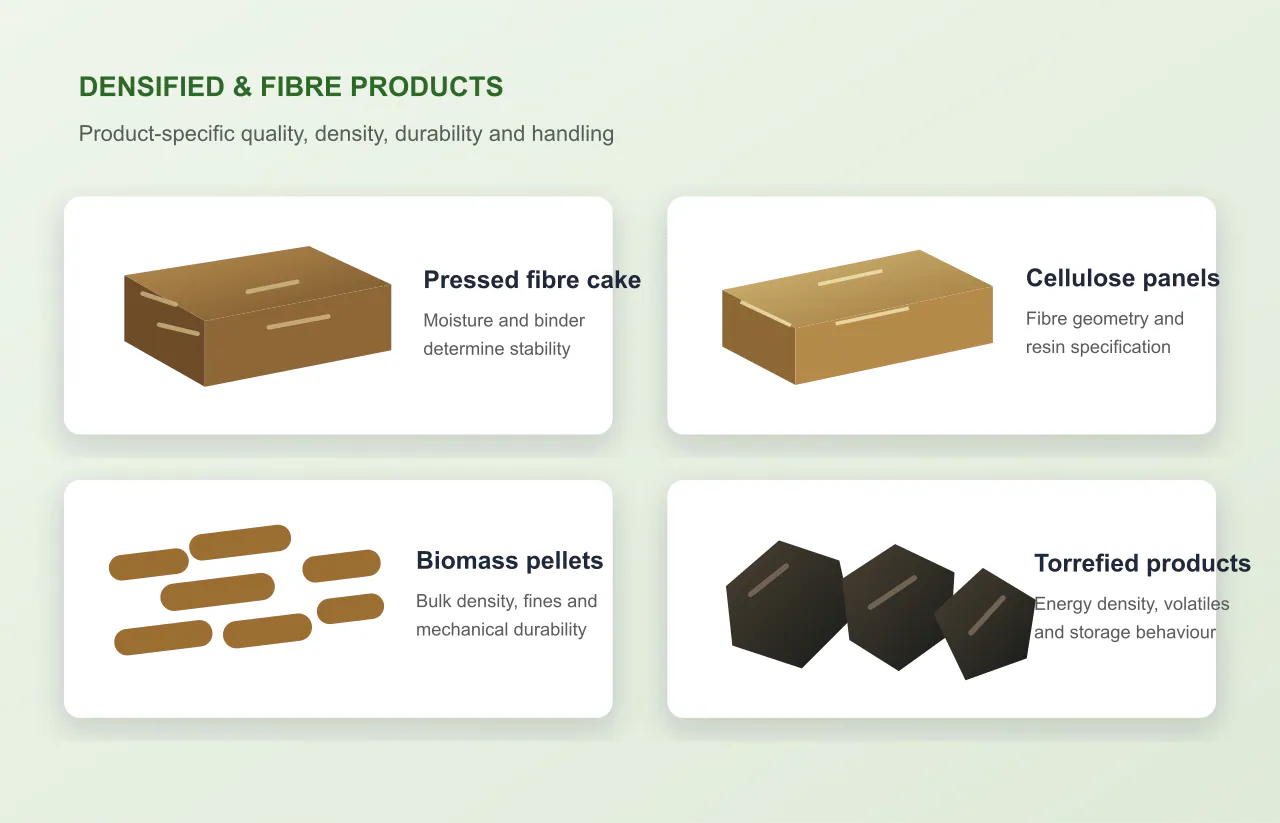
Densified and fibre products
Pressed fibre cake, pellets, torrefied products, cellulose or fibre panels and composites each require a defined dry feedstock specification and conditioning route.
BEC services
What BEC can deliver
The scope is adapted to the project stage: early screening, feasibility, due diligence, pilot development, procurement or implementation support.
Explore BEC services →- Climate and soil fit by crop and genotype
- Planting-material and nursery plan
- Trial design and commercial yield ramp-up
- Harvest and storage machinery selection
- Feedstock quality and conversion fit
- Delivered-cost comparison by supply model
Technical evidence
Evidence behind the decision
Crop selection, commercial modelling, implementation planning and due diligence draw on the following evidence.
01Warm-season and cool-season choices
Warm-season C4 grasses dominate many tropical and subtropical options, while switchgrass and selected temperate grasses extend the range into cooler regions. Cold tolerance, dormancy, rainfall distribution, harvest date and nutrient remobilisation influence both yield and feedstock quality.
02Perennial grass basins for biomethane
BEC links nursery and planting-material scale-up, frequent-cut schedules, rapid harvest, ensiling, biochemical methane potential, seasonal plant demand and contractor capacity. Regrowth, nutrient return, soil amendments and field monitoring are designed to protect persistence and stabilise yield across many production cycles.
03Yield evidence for financial models
BEC separates experimental yield, well-managed field yield and achievable commercial yield. The model includes establishment years, failed area, field-edge loss, harvest efficiency, moisture, storage loss, machinery availability and the development rate of nurseries and contractors.
04Industrial quality
Combustion and thermochemical routes track moisture, ash and elements such as potassium, chlorine, silica, sulphur and nitrogen. Biochemical, fibre and biomethane pathways add composition, digestibility, biochemical methane potential, particle size and pretreatment response.
Discuss a project
Assess a perennial grass basin from genetics to plant gate
BEC can narrow the crop list, secure the right evidence and design establishment, harvest and delivery around your industrial specification.