
Context-specific land constraints and regeneration
Marginal-land crops & regenerative feedstock systems
Land may be marginal because of soils, terrain, climate extremes, flooding, remoteness, infrastructure, market access or weak farm economics. BEC defines the actual constraint, accounts for present land functions and develops productive or regenerative options linked to a viable industrial market.
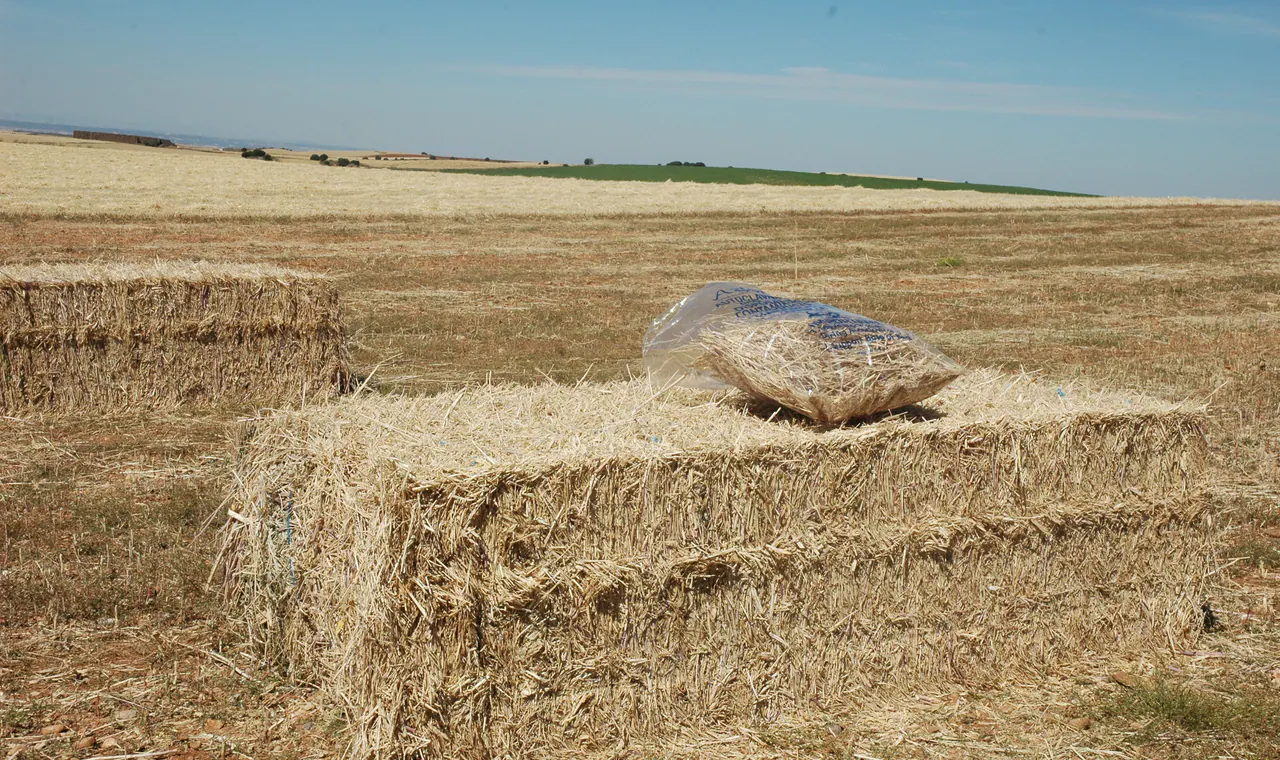
Commercial context
Define the constraint, current use and business case
Marginality is relative to a proposed use and local economy. It can reflect acidity, salinity, stoniness, slope, poor drainage or flooding; drought, excess rainfall, frost, heat, storms or variable seasons; remoteness, weak roads, limited machinery or low farm margins. BEC maps these conditions with vegetation, grazing, food production, water, rights and livelihoods before selecting a crop or land-management pathway.
Crop and system options
Regenerative feedstock options for constrained land
Compare the constraint, present land use, establishment needs, achievable output, safeguards and market.
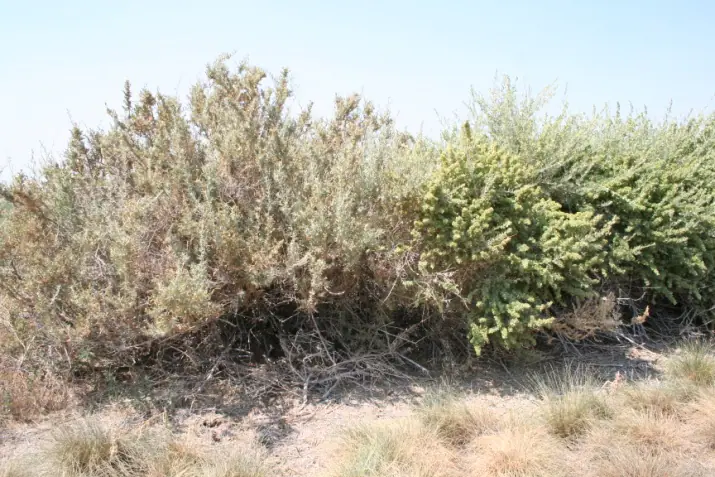
Atriplex and saltbush systems
Atriplex nummularia and locally suitable species
Shrub-based dryland and saline systems assessed for establishment, forage interaction, woody biomass, water balance and harvest method.
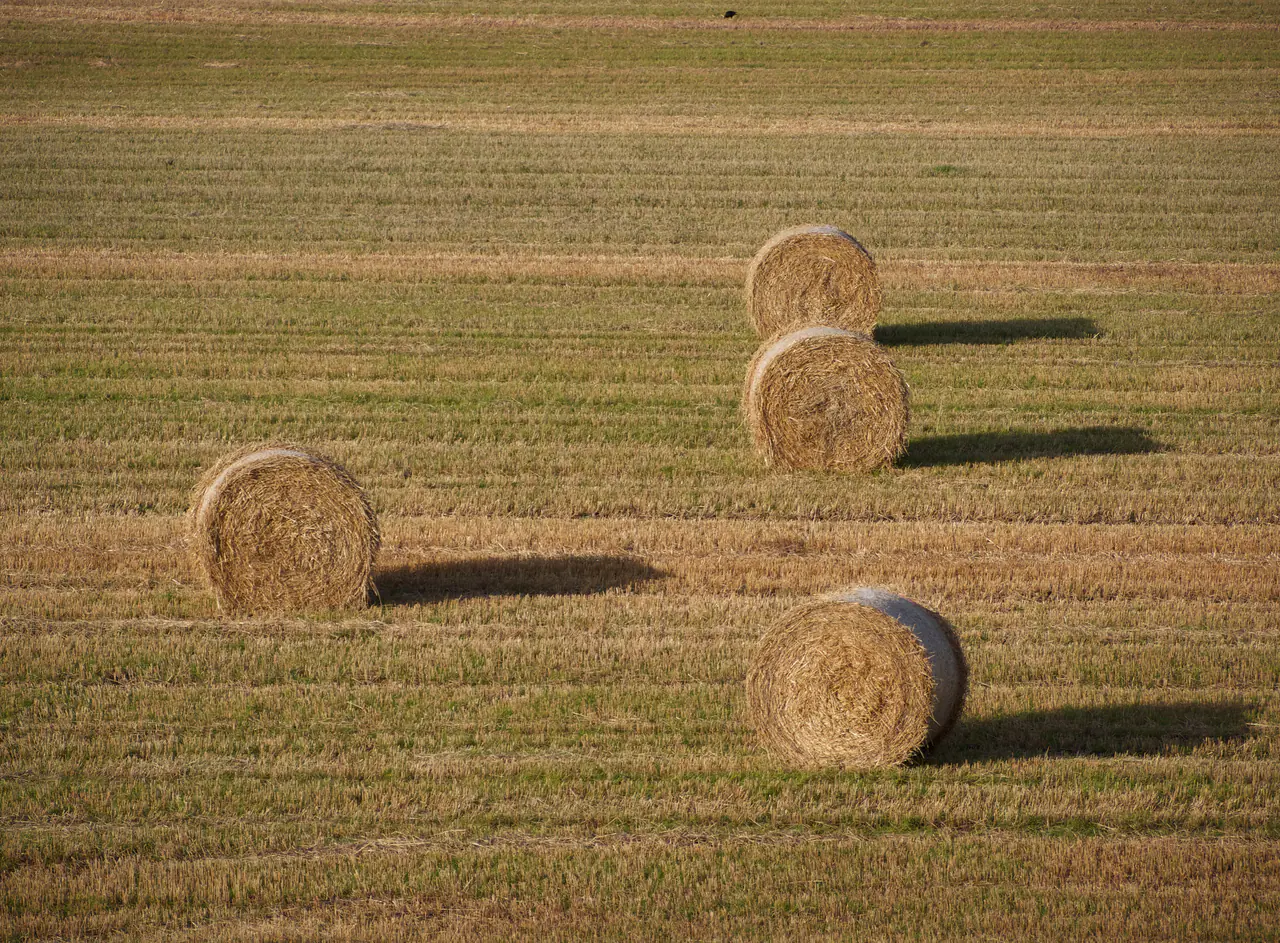
Tall wheatgrass
Thinopyrum elongatum and related material
Cool-season perennial grass used in saline or dry temperate settings, with yield and feedstock quality verified under local management.
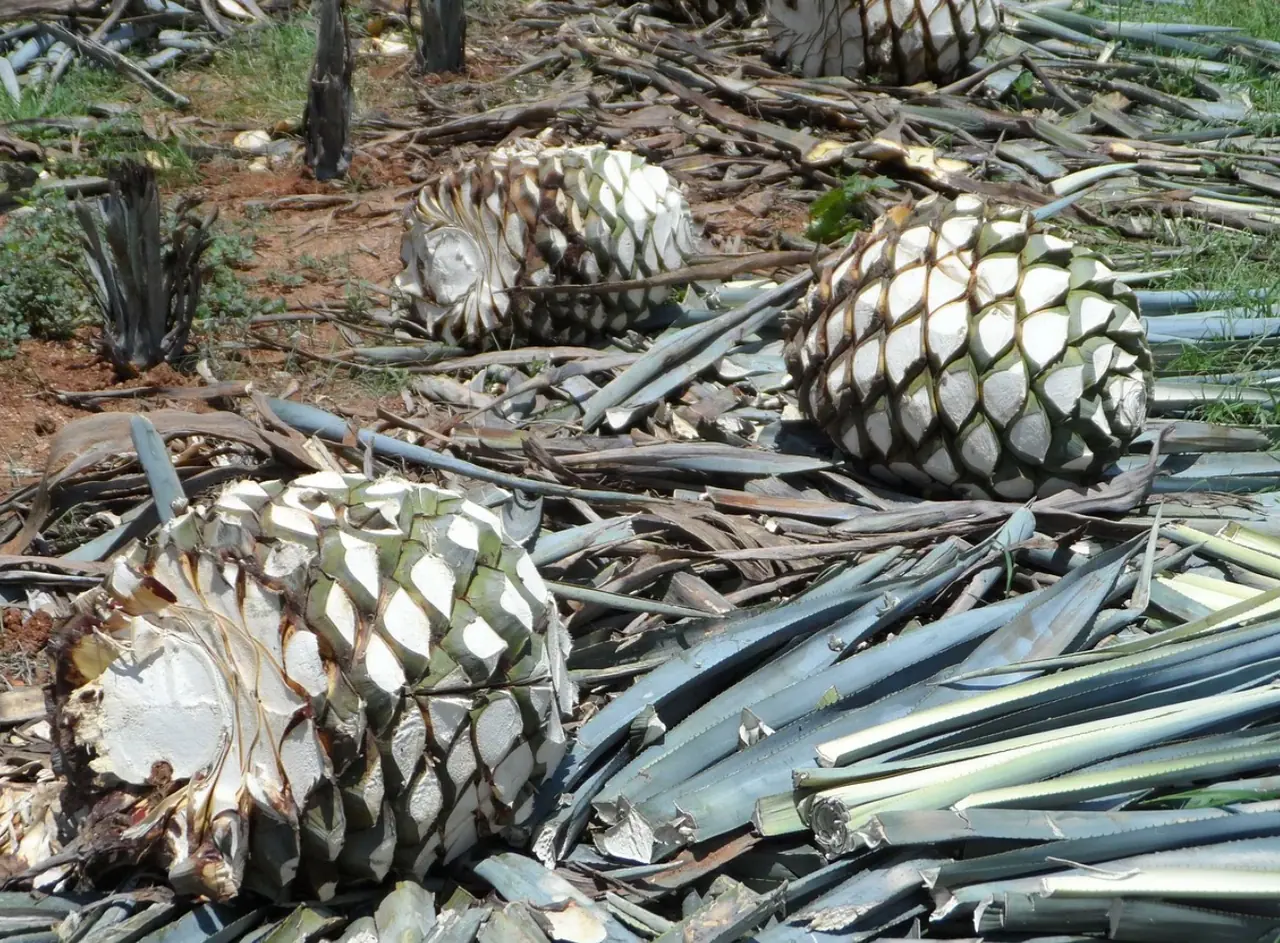
Agave and water-efficient succulent crops
Agave species · Opuntia options
Crops using crassulacean acid metabolism (CAM) can supply fermentable carbohydrates, wet biomass and other products where establishment, harvest and processing are viable.
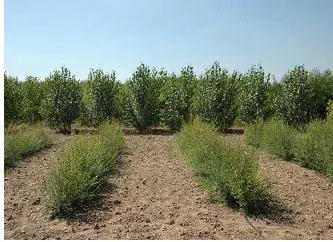
Siberian elm
Ulmus pumila
Cold- and drought-tolerant woody option considered within site-specific forestry, coppice and land-management constraints.
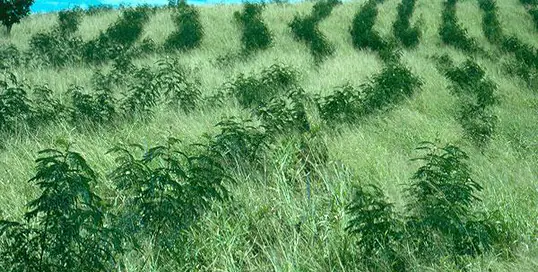
Leucaena–grass agroforestry
Leucaena species · Guinea grass and locally adapted pasture
Hedgerows and productive grass alleys can combine biomass, forage, shade, nitrogen cycling and soil cover in suitable tropical or subtropical environments.
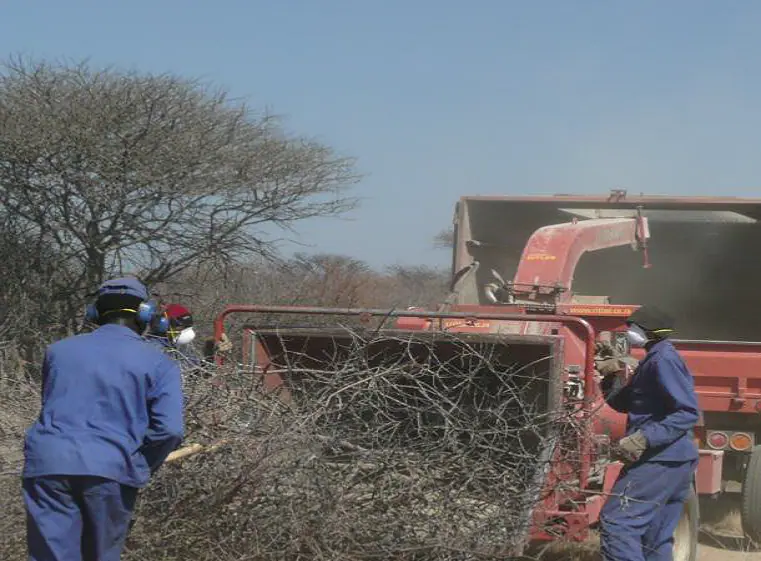
Grassland, savanna and bush management
Selective harvest · stand management · revegetation · assisted natural regeneration
Existing vegetation can support biomass, grazing and regeneration through selective harvesting, assisted natural regeneration, controlled regrowth, fire planning and biodiversity safeguards.
Decision framework
From marginality diagnosis to a regenerative operating model
BEC defines marginality from site evidence, present land functions, access, economics and the intended market before developing the appropriate crop, vegetation-management or restoration pathway.
Site-specific marginality screen
Soils · terrain · climate · access · economics
Physical constraints and low productivity are assessed together with distance, infrastructure, labour, markets and the land's present social and ecological functions.
Regenerative feedstock system
Productive cover · soil recovery · water stewardship · local value
Perennial crops, agroforestry, managed vegetation and soil improvement can be designed to improve soil cover and land condition while supplying a specified feedstock, with clear baselines, safeguards, monitoring and verifiable local benefits.
What reaches the plant
Feedstock forms and operating implications
Low-density landscape biomass
Economics depend on sustainable removal, aggregation, machinery mobility, roads and travel distance.
Bales and chopped grass
Dry-matter density, seasonal access and storage can matter more than peak yield per hectare.
Wood chips and shrub biomass
Selective harvest, regrowth, contamination and particle size link vegetation management to industrial use.
Wet CAM biomass and products
Harvested heads or cladodes require rapid handling, pretreatment and a route suited to water-rich material.
BEC services
What BEC can deliver
The scope is adapted to the project stage: early screening, feasibility, due diligence, pilot development, procurement or implementation support.
Explore BEC services →- Land-use, vegetation and rights baseline
- Climate, water, salinity and soil screen
- Crop, bush, ANR and no-project comparison
- Sustainable yield and harvest-density model
- Rural logistics and contractor strategy
- Impact, compliance and regeneration framework
Technical evidence
Evidence behind the decision
Crop selection, commercial modelling, implementation planning and due diligence draw on the following evidence.
01What marginal land means in a project
The term can describe low farm profitability, physical or climatic constraints, remoteness, degradation or limited market access. The same land may be marginal for one crop and valuable for grazing, water regulation or biodiversity. BEC states the constraint, maps current use and tests whether a proposed system improves land function and commercial value under realistic inputs.
02Site constraints and climate risk
The screen covers acidity, salinity, low fertility, stoniness, slope, erosion, poor drainage and flooding as well as drought, excess rainfall, frost, heatwaves, storms, hurricanes, typhoons and seasonal variability. Commercial competitiveness also depends on access, labour, machinery, distance and markets.
03Water and establishment
Successful establishment may require more reliable water than the mature crop. BEC assesses rainfall, soil-water storage, water quality and rights, precision or temporary establishment irrigation and competition with local uses. For some deep-rooted perennial systems, establishment irrigation may be reduced or ended after verified canopy and root development, subject to rainfall, soil-water storage, crop response and water rights. The business case must justify any use of high-value local water.
04From land constraint to regenerative feedstock system
Projects can combine perennial cover, erosion control, soil amendments, locally suitable biochar, nutrient cycling, phytoremediation, assisted natural regeneration, grazing management, remote energy and local processing. BEC links each intervention to a usable feedstock, operating responsibility, baseline, cost, monitoring method and durable incentive for land users.
Discuss a project
Assess constrained land before selecting the crop
BEC can map constraints, compare crop and vegetation-management options and design a phased feedstock case with local benefits and safeguards.