
From dispersed resources to plant-gate supply
Feedstock basin development, quality & logistics
A feedstock basin coordinates land, crops, residues, suppliers, contractors, storage, transport and quality within the radius and calendar of an industrial project. BEC develops the evidence, operating model and contracting strategy needed to assess reliable plant-gate delivery.
Commercial context
Design the basin month by month
The model locates resources and suppliers, applies realistic recovery and participation, schedules crop and residue availability, sizes equipment and storage, tests route and weather constraints, and calculates delivered cost by source. Contingency is modelled explicitly within the monthly supply plan.
Crop and system options
Evidence required for feedstock-basin financeability review
Test resources, suppliers, collection radii, storage, quality, monthly availability and plant-gate cost.
Access and rural operating conditions
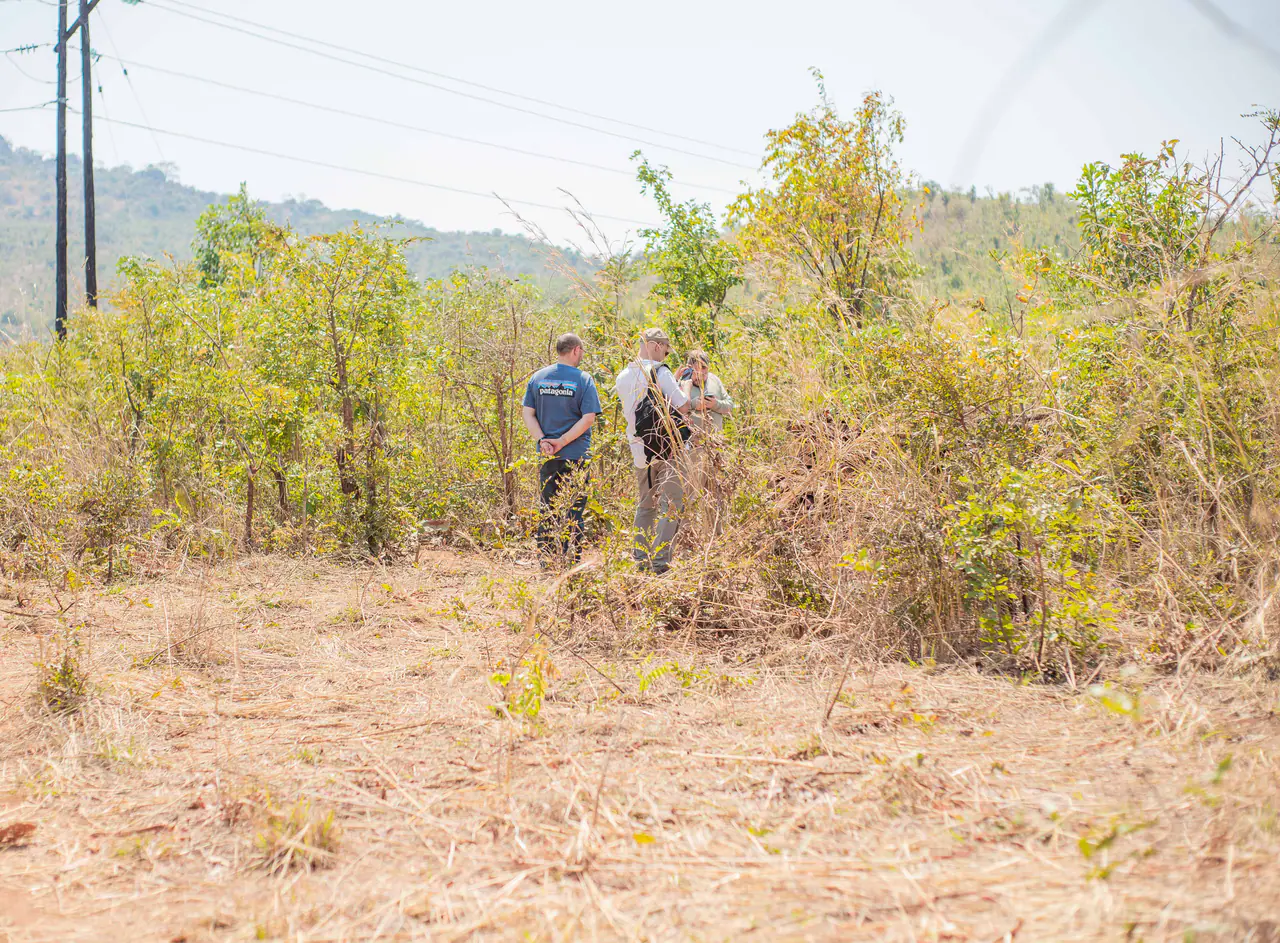
Seasonality · bridges · road class · communities
Field-to-plant logistics reflect actual vehicle access, wet-season constraints, travel time and local land-use patterns.
Machinery and contractor capacity
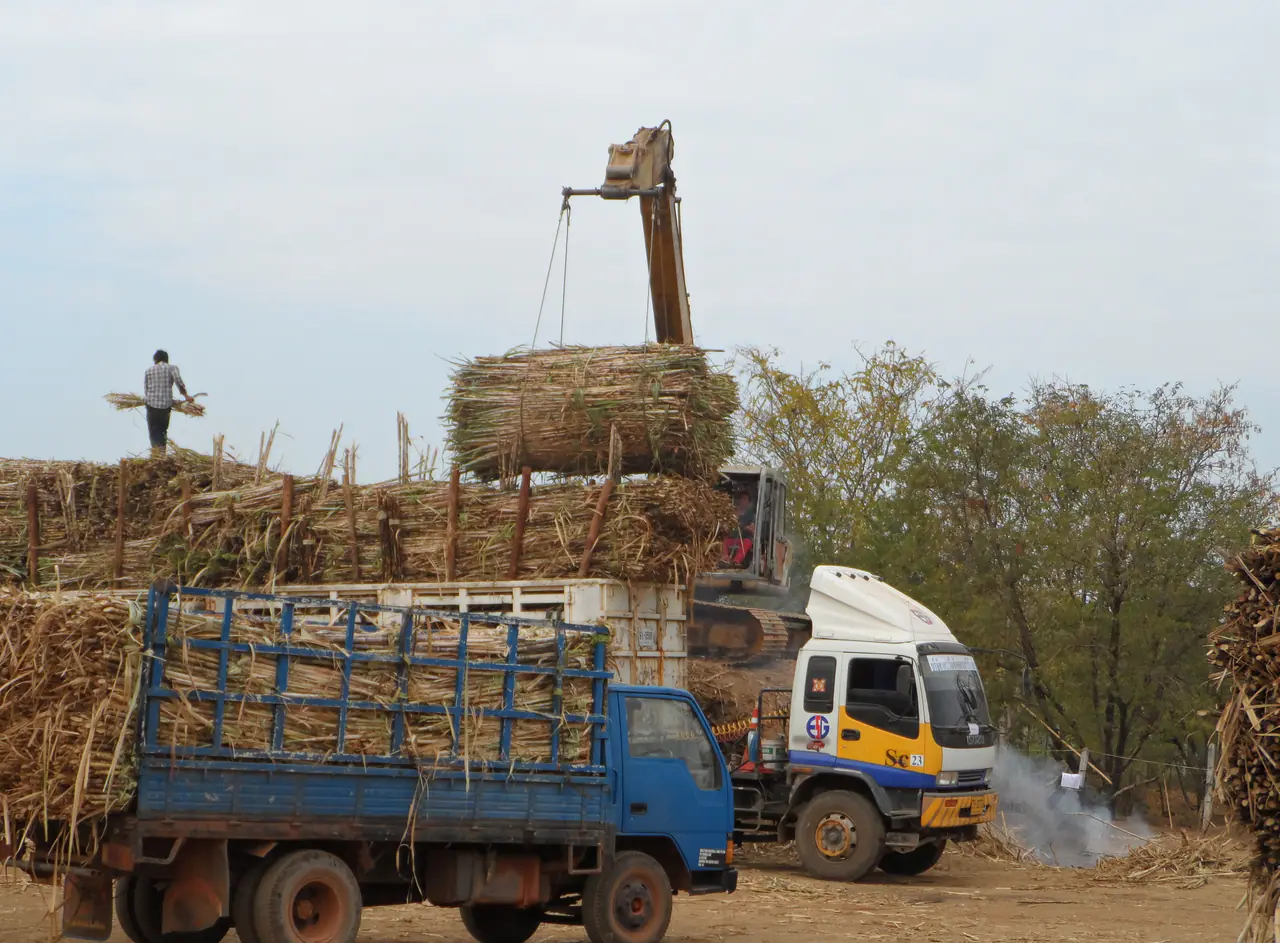
Harvest · loading · transport · maintenance
Fleet productivity, mobilisation, fuel, spares, labour and operating hours determine achievable daily and seasonal throughput.

Field geometry and development sequence
Blocks · headlands · staging · hubs
Aerial and field evidence supports phased planting, harvest routing, storage layout and expansion plans.
Aggregation and seasonal storage
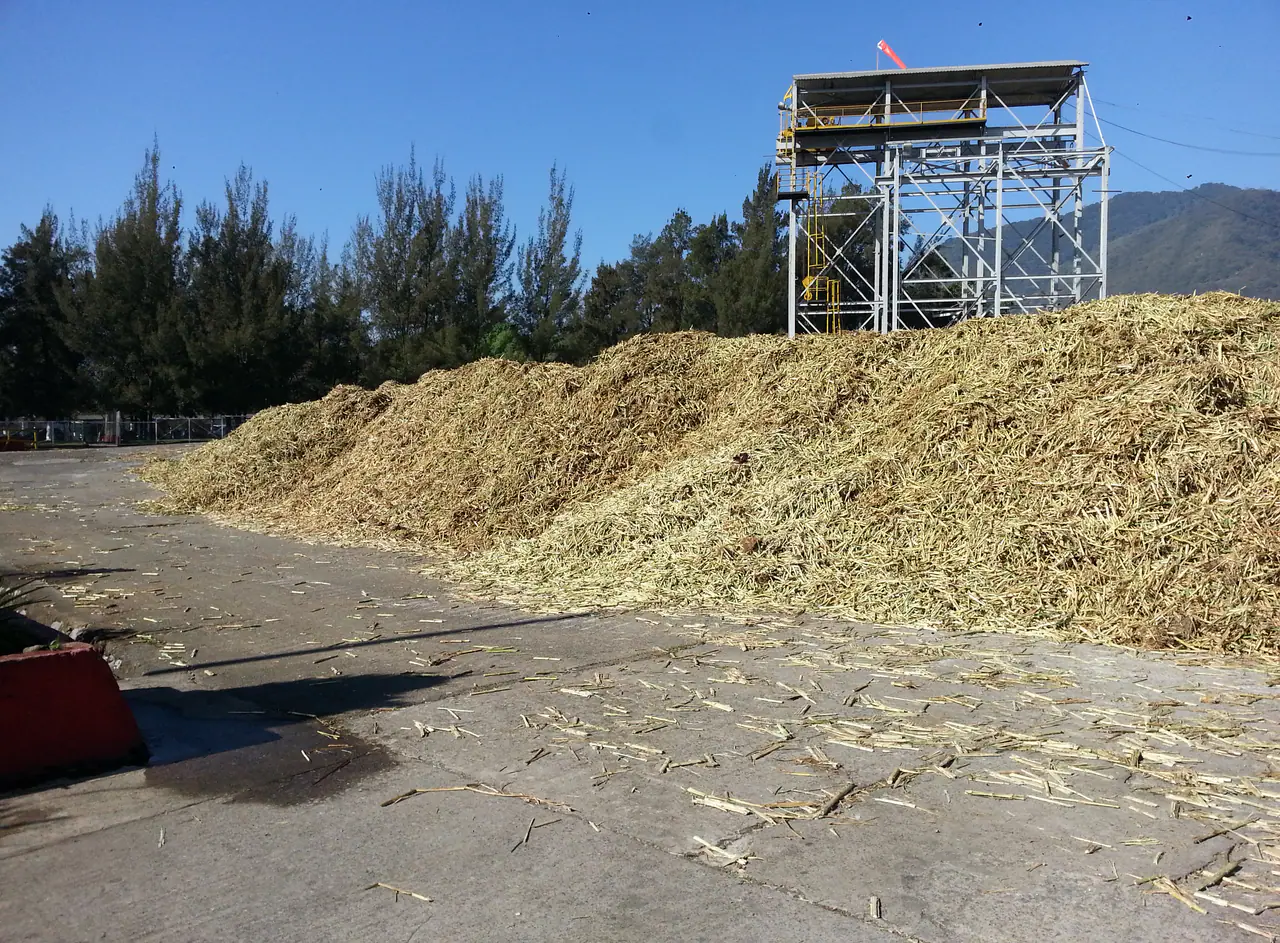
Hubs · covered stocks · losses · fire safety
Hub location and storage design balance transport efficiency, weather protection, inventory control, losses and dispatch reliability.
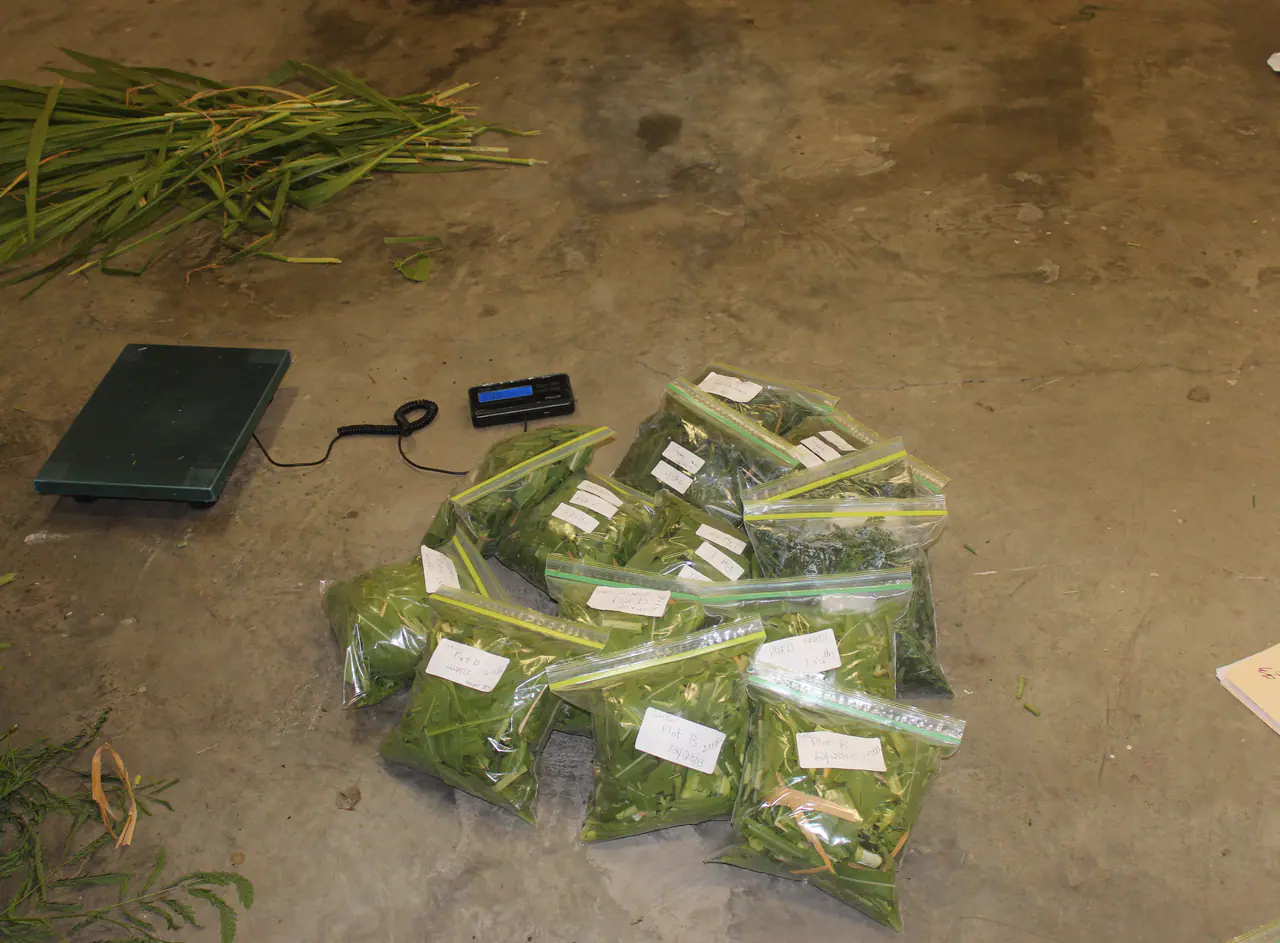
Sampling and quality control
Moisture · ash · composition · traceability
Sampling points, laboratory methods, acceptance limits and supplier feedback protect plant performance as the basin expands.
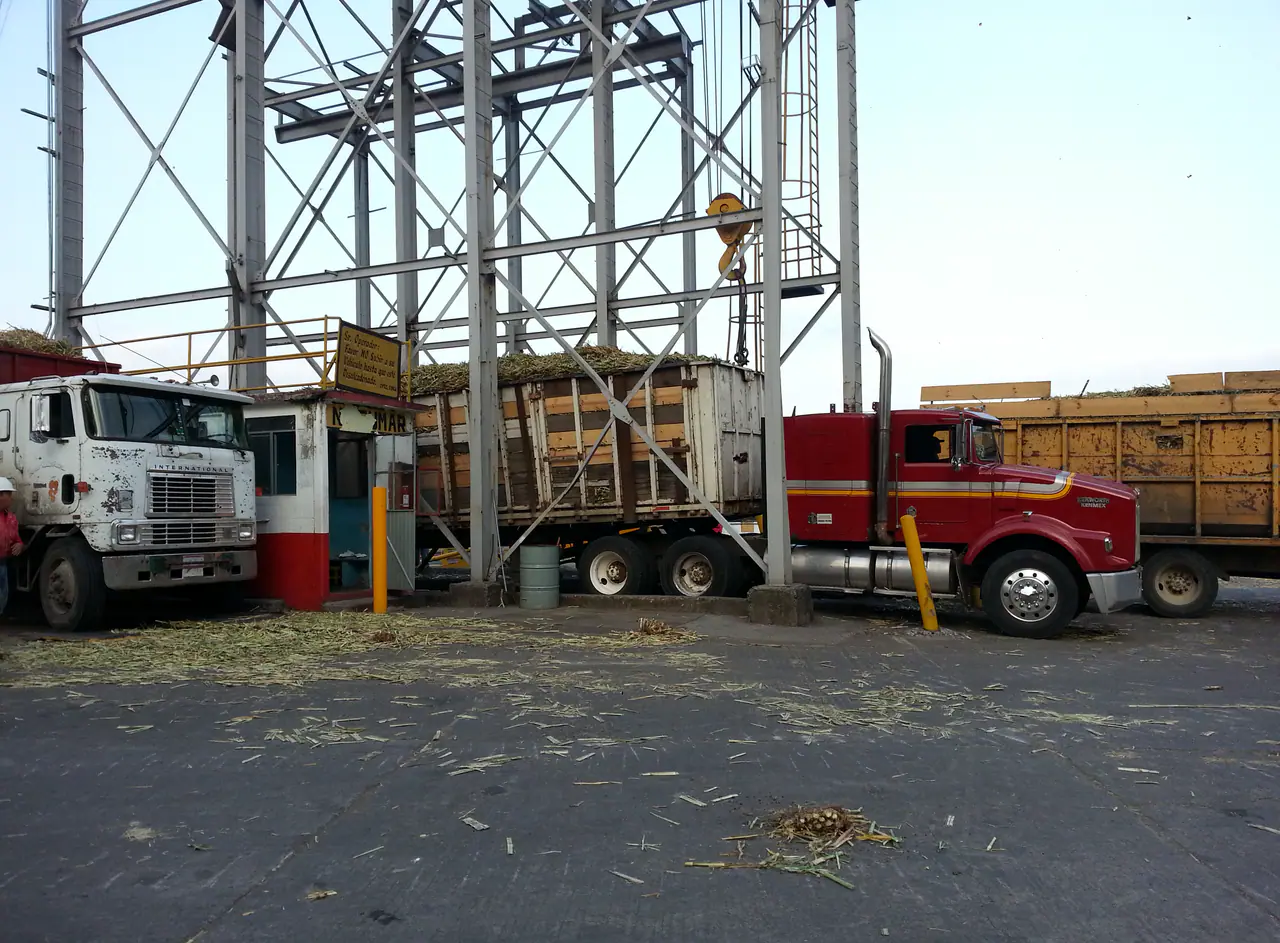
Plant reception and daily dispatch
Weighing · unloading · queues · inventory
Truck cycle time, reception capacity, weighing, unloading, stock rotation and daily reporting close the field-to-plant operating loop.
Decision framework
The spatial model behind the supply plan
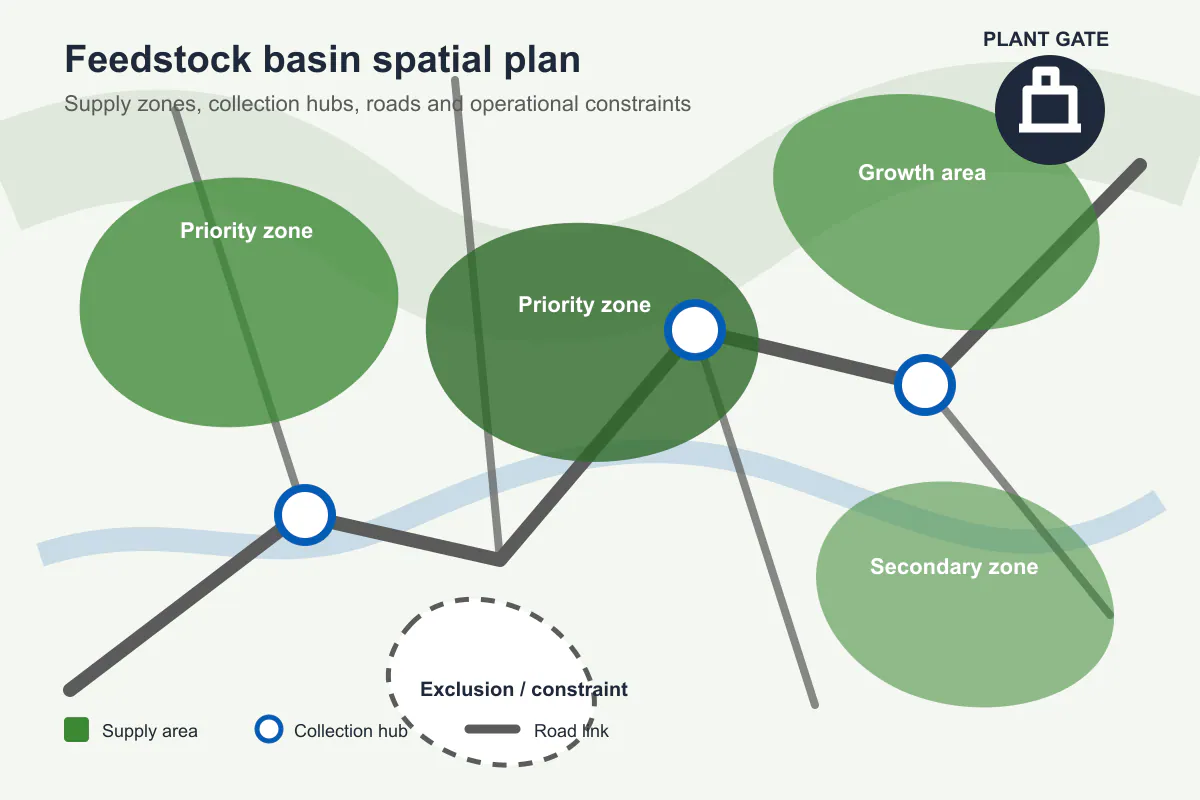
A basin connects mapped production zones to aggregation, quality management, storage and the plant gate. Each spatial assumption is tested against suppliers, roads, seasonality and delivered cost.
Spatial resource and supplier model
Land cover · crops · roads · collection radii · hubs
GIS integrates source locations, restrictions, route conditions, supplier participation and candidate storage or preprocessing hubs before volumes enter the financial model.
What reaches the plant
Feedstock forms and operating implications
Supply curve
Available and recoverable tonnes are ranked by source, distance, season, quality and cost.
Monthly feedstock plan
Crop calendars, residues, storage drawdown, losses and plant demand are balanced through the year.
Quality management
Sampling, acceptance limits, blending, traceability and supplier feedback protect plant performance.
Contracting and contingency
Supply commitments, backup sources and ramp-up gates are tied to demonstrated volumes, quality and delivery capacity.
BEC services
What BEC can deliver
The scope is adapted to the project stage: early screening, feasibility, due diligence, pilot development, procurement or implementation support.
Explore BEC services →- GIS resource and land-suitability model
- Supplier and contractor capacity assessment
- Monthly quantity and quality balance
- Fleet, storage and hub configuration
- Delivered-cost and sensitivity model
- Contracting and contingency strategy
- Digital field and supply-chain data backbone
- Monitoring, reporting and verification plan
Technical evidence
Evidence behind the decision
Crop selection, commercial modelling, implementation planning and due diligence draw on the following evidence.
01Recoverable, contractable and deliverable tonnes
Recoverable supply applies technical and sustainability constraints. Contractable supply adds ownership, price, competing uses and supplier participation. Deliverable supply adds machinery, roads, storage, quality and schedule. BEC reports each stage separately.
02Quality at scale
Feedstock quality varies by crop, field, season, harvest date and storage. A commercial programme establishes sampling points, test methods, acceptance limits, segregation or blending rules and a clear response to off-spec material.
03Phased implementation
Nurseries, farmer recruitment, planting, contractor training, fleet procurement, roads and storage rarely mature at the same speed. Stage gates connect capital release and plant ramp-up to demonstrated hectares, yields, suppliers and operating capacity.
04Digital project backbone and MRV
BEC can design a project-specific digital backbone that combines geospatial data, field and supplier identifiers, geotagged evidence, input and operation logs, yield and quality records, chain of custody, KPI dashboards and version-controlled reporting. GIS, satellite and drone imagery, IoT, field sensors, probes and software are selected independently to fit the crop, site, connectivity, industrial pathway and reporting requirements. Authorised users can review updated field imagery, work completed, inputs, crop performance, quality and exceptions remotely; update frequency follows the actual data source. The resulting records can support carbon-intensity calculations, certification planning and monitoring, reporting and verification under the applicable methodology, while independent assurance remains a separate role.
Discuss a project
Develop a feedstock-basin case for financing and implementation
BEC can develop the spatial, agronomic, commercial and logistics evidence needed to support design, diligence, financing and implementation.