
A distinct BEC practice

Regenerative rural systems

For estates, territories and rural developments where land, water, food, energy, infrastructure and local value chains need one implementable plan.
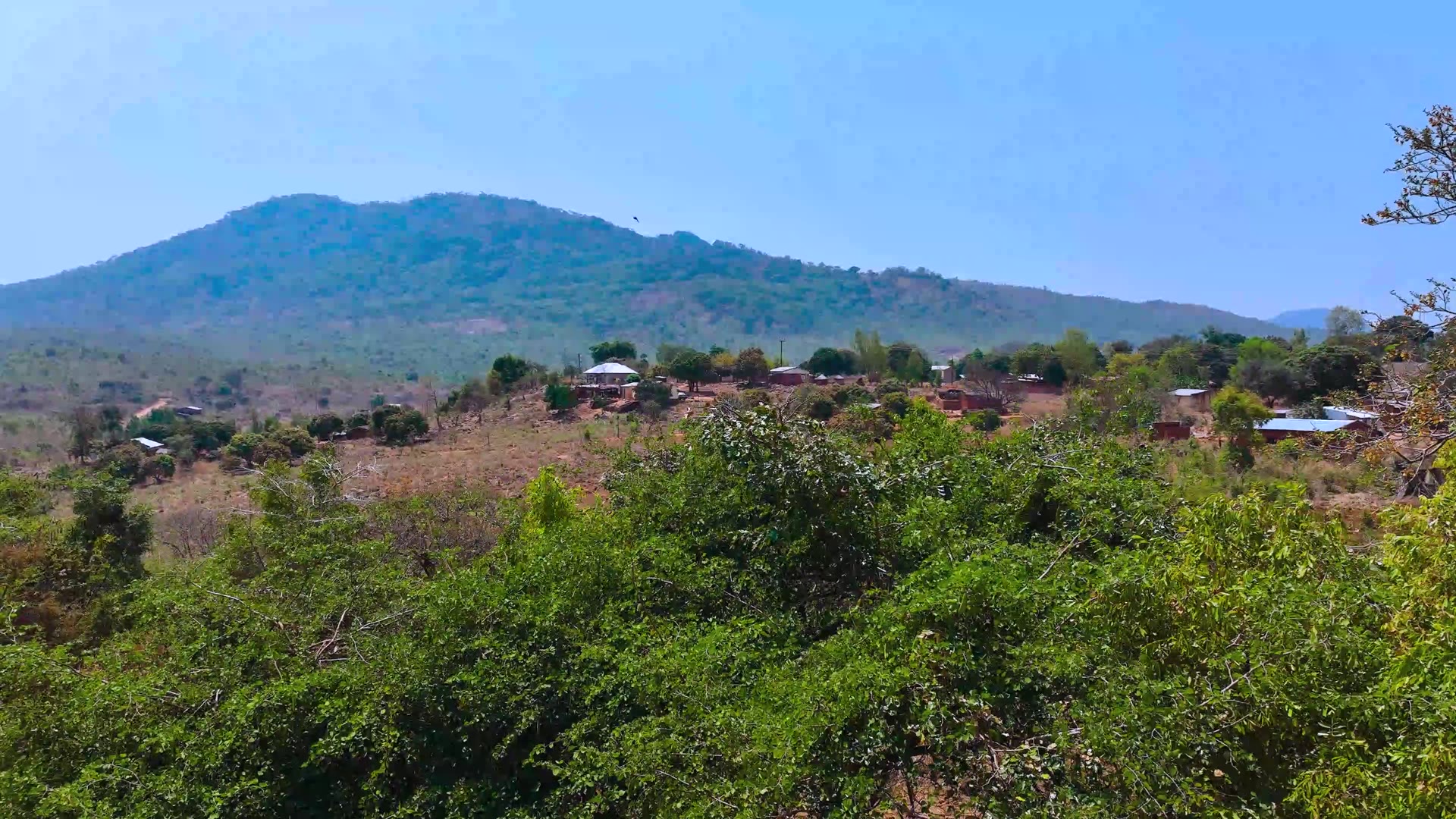
Aerial view of rural land and settlements in Malawi

The practice

From territorial diagnosis to systems that can be implemented

BEC begins with the real territory: its people, institutions, land uses, water, ecosystems, productive activities, infrastructure and economic constraints. We then connect viable combinations of food, biomass, industrial crops, renewable energy, processing and rural services to markets, finance and implementation.

The result is not a catalogue of ecological options. It is an evidence-led masterplan or development pathway that clarifies what can work, at what scale, through which value chains and with which sequence of decisions.

BEC method

A broad diagnosis with a commercial destination

01

Territory & context

Social, cultural, institutional and biophysical conditions, land use, access, climate exposure and development constraints.

02

Land, water & productive systems

Food, crops, agroforestry, biomass, water, soils, biodiversity and ecosystem functions assessed as one operating landscape.

03

Energy, processing & infrastructure

Renewable electricity and heat, water and irrigation, sanitation, storage, preprocessing, logistics and shared infrastructure where relevant.

04

Economics, markets & implementation

Local and export value chains, offtake, competitiveness, budgets, governance, pilots, phasing, metrics and monitoring.

Who this is for

Complex sites and programmes that need one coherent operating model

Landowners & family offices

Productive, environmental and commercial options for large or underused properties.

Hospitality & rural real estate

Food, landscape, water, energy and local-value systems integrated with the visitor proposition.

Regional & carbon programmes

Territorial portfolios linking livelihoods, restoration, infrastructure and investable projects.

Impact & infrastructure capital

Evidence, phasing, risk and monitoring for integrated rural investment strategies.

Selected BEC experience
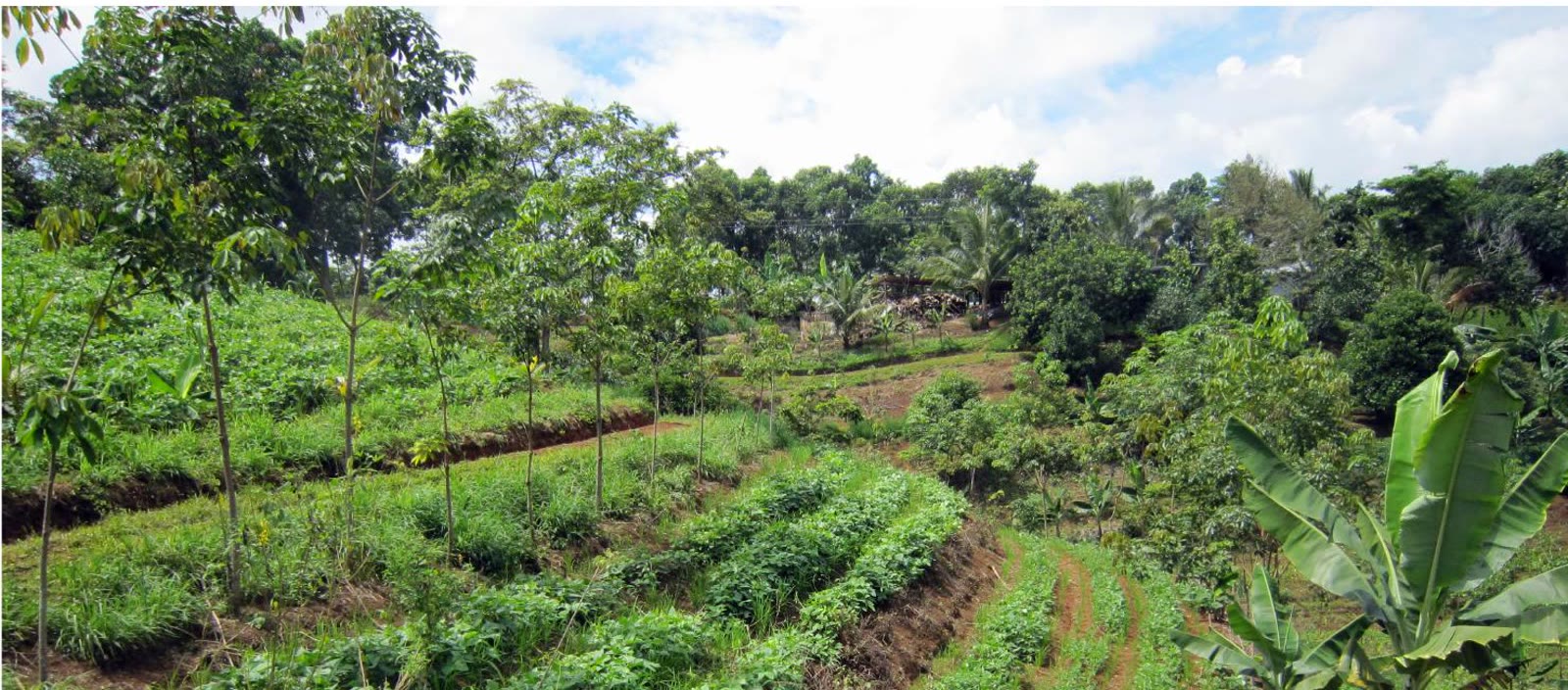
Four models that show how territorial complexity becomes a development decision

Integrated tropical valley and off-grid development — Samaná, Dominican Republic
Samaná, Dominican RepublicIntegrated territorial system

Integrated tropical valley and off-grid development

BEC advisory work examined an integrated tropical-development model linking land-use planning, conservation and productive areas, food, water, waste, local materials, off-grid energy, education and enterprise development.
BEC roleTerritorial and systems advisory.
Decision supportedHow natural and rural assets could form one practical development model.
StatusAdvisory and project-development work.
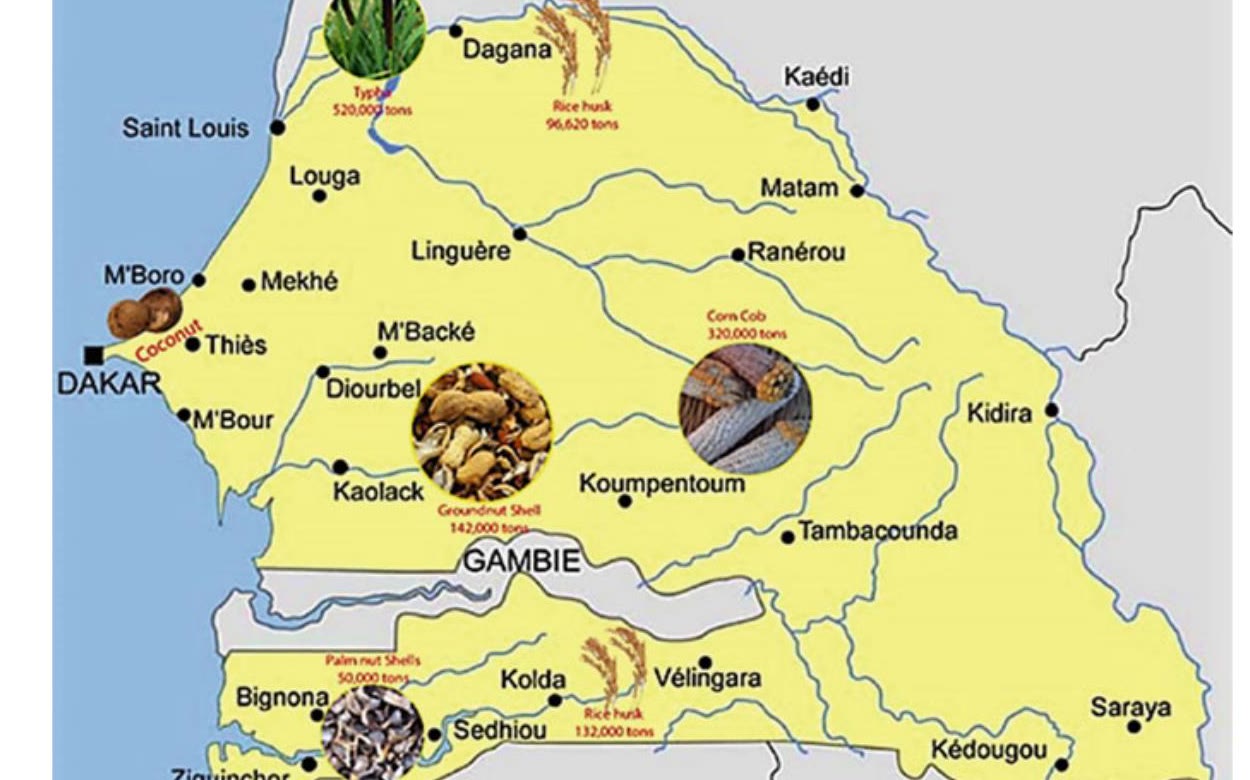
Sahel territorial masterplan and local value chains — Diourbel, Senegal
Diourbel, SenegalIntegrated territorial system

Sahel territorial masterplan and local value chains

BEC developed a regional diagnosis connecting agriculture, residues, water and energy needs with processing options, local services, value chains and an implementation framework. Options included solar water and irrigation, horticulture, food-energy systems and residue valorisation where documented.
BEC roleRegional assessment and programme architecture.
Decision supportedWhich combinations justified pilots and further development.
StatusMasterplan and development framework.
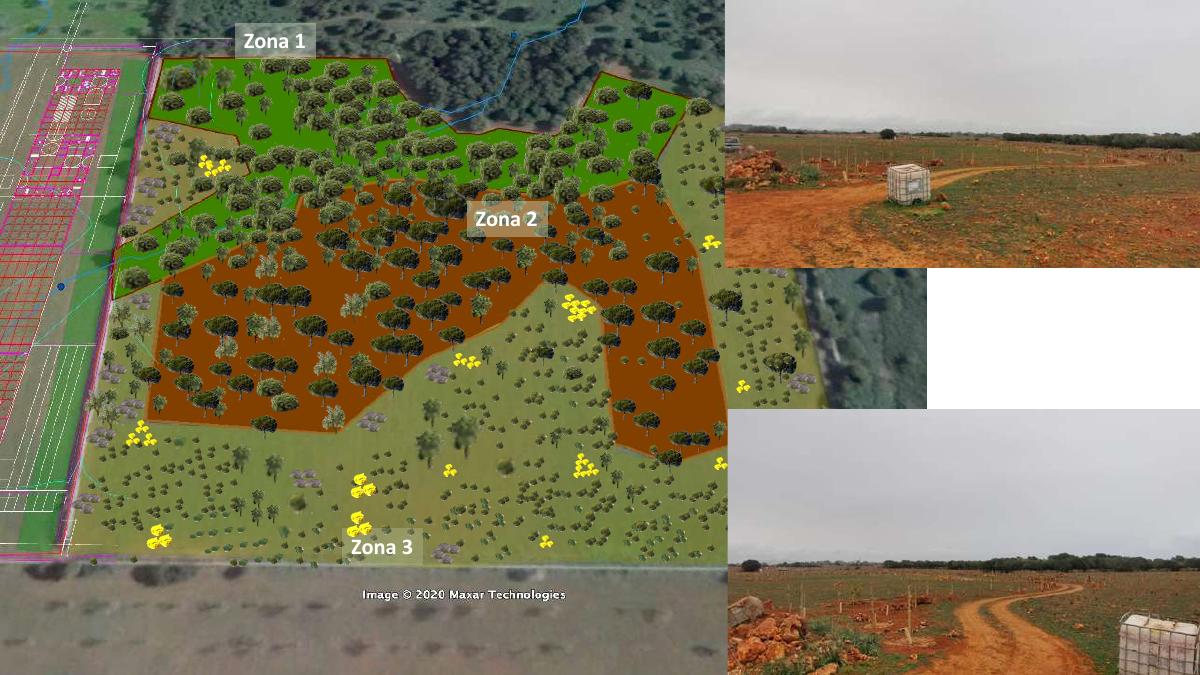
Mediterranean regenerative estate and biobased processing — Mallorca, Spain
Mallorca, SpainIntegrated territorial system

Mediterranean regenerative estate and biobased processing

BEC combined land capability, soil and water recovery, aromatic and botanical crops, native and fruit trees, biomass and biochar with a processing pathway for agrocosmetics, perfumes and scents.
BEC roleFeasibility, spatial and agronomic design, and pilot-development support.
Decision supportedHow constrained Mediterranean land could support a diversified biobased value chain.
StatusDocumented project and pilot-development work.
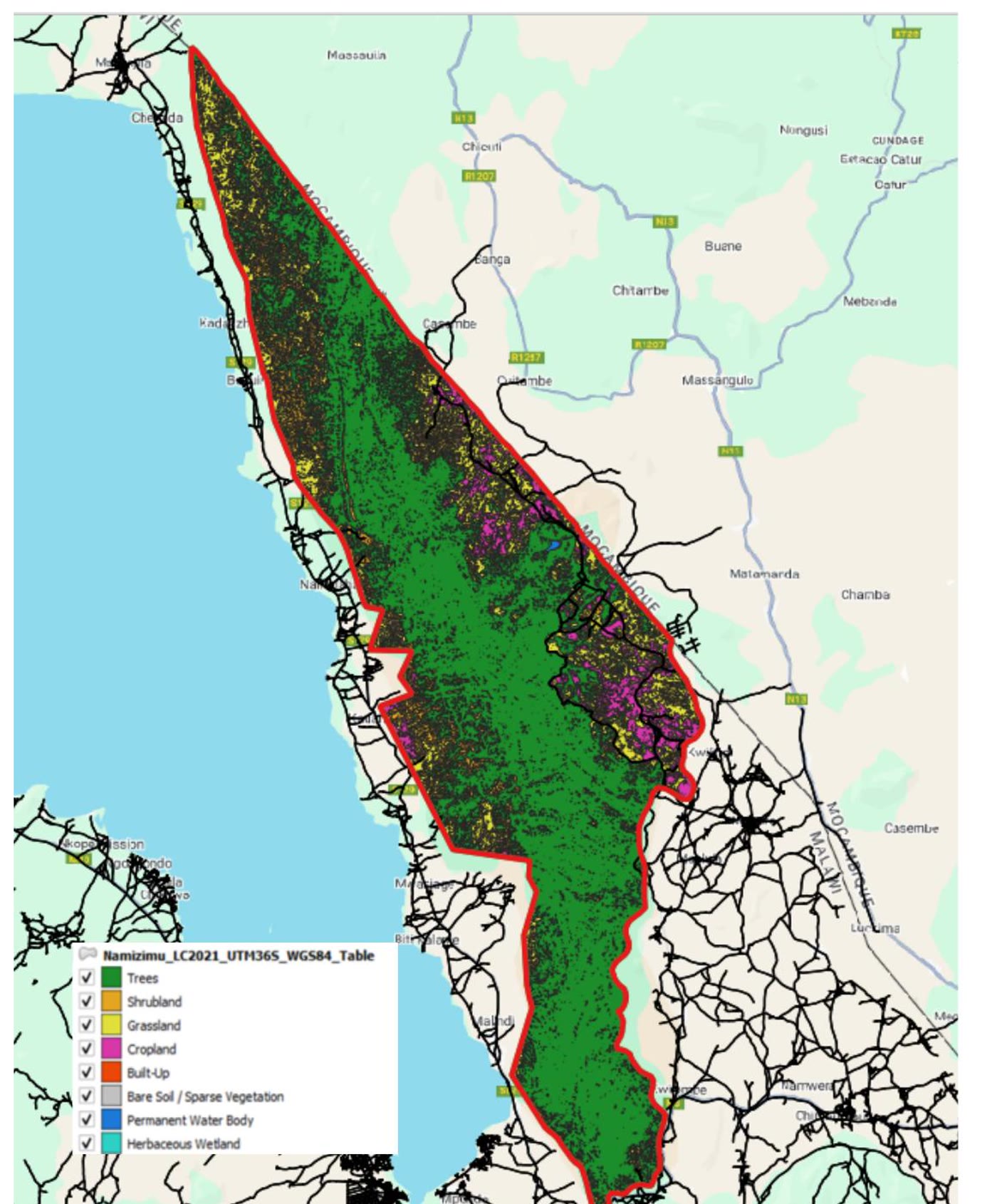
Large-scale restoration and rural value chains — Namizimu, Malawi
Namizimu, MalawiRestoration & rural development

Large-scale restoration and rural value chains

Across approximately 89,000 hectares, BEC mapped land cover, terrain, hydrology, access and pressure patterns to support ARR/ANR, native restoration, agroforestry, woodlots, biomass and rural value-chain planning.

BEC roleStage 1 mapping delivered; zoning and programme design subsequently under development.
Decision supportedHow restoration, food security, employment and investable land-use options could be spatially prioritised.
StatusDelivered mapping with follow-on development work.

Potential modules

Selected around the territory and decision — not sold as a fixed package

  • Land-use and zoning
  • Water and irrigation
  • Food and agroforestry
  • Biomass and wildfire-risk management
  • Solar, heat and off-grid services
  • Processing and local enterprise
  • Hospitality integration
  • Biodiversity, carbon and MRV
  • Finance, governance and implementation

Bring the territory, constraints and ambition into one decision process.

Start a project enquiry

Matias Garrido

Sociologo

Matías es sociólogo y doctor en Ciencias Políticas por la Universidad de Buenos Aires y la Universidad Complutense de Madrid, respectivamente. Tiene una amplia experiencia en investigación social y de mercado, relaciones públicas y capacitación en varios países de América Latina, trabajando con Amnistía Internacional y otras organizaciones. Matías fue Director Nacional de Políticas contra la Violencia Institucional en la Secretaría de Derechos Humanos y Pluralismo Cultural de la Argentina de 2016 a 2019. Actualmente, contribuye al desarrollo de cultivos de bioenergía y bioeconomía en países en desarrollo, en línea con los 17 Objetivos de Desarrollo Sostenible.

Matias Garrido