
Annual biomass, cover and double-crop models
Annual biomass crops, intermediate crops & double-cropping systems
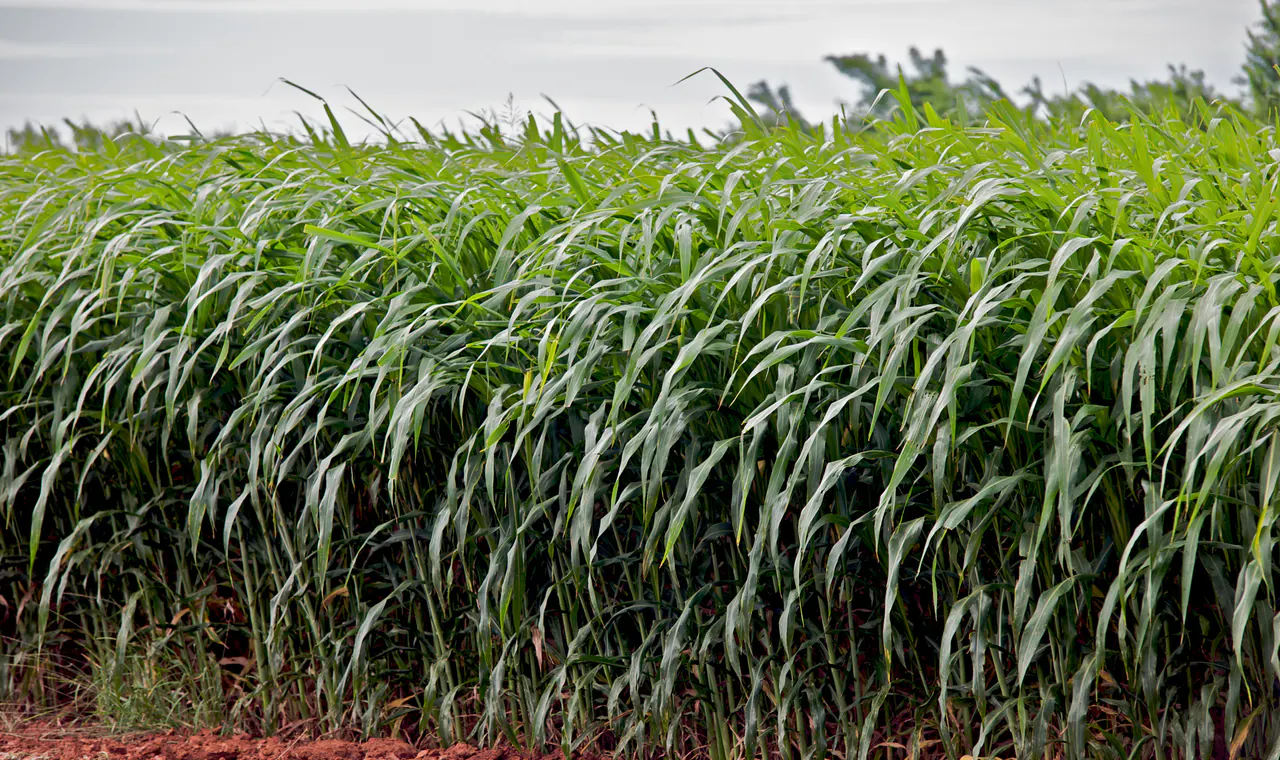
Annual biomass cropping systems can fit established farm calendars, spread supply across the year and create additional biomass, fibre or feedstock streams. Their value depends on rotation fit, soil cover, water, timing, farmer returns and the form required at the plant gate.
Commercial context
Use the farm calendar as a design tool
BEC maps sowing and harvest windows, crop competition, irrigation, machinery, residue handling and supplier incentives before adding tonnes to the project. Intermediate and double crops require enough time, water and margin to work for farmers as well as the industrial buyer.
Crop and system options
Annual and intermediate crop systems BEC can evaluate
Compare the rotation window, farmer margin, water, machinery, feedstock form and seasonal contribution.
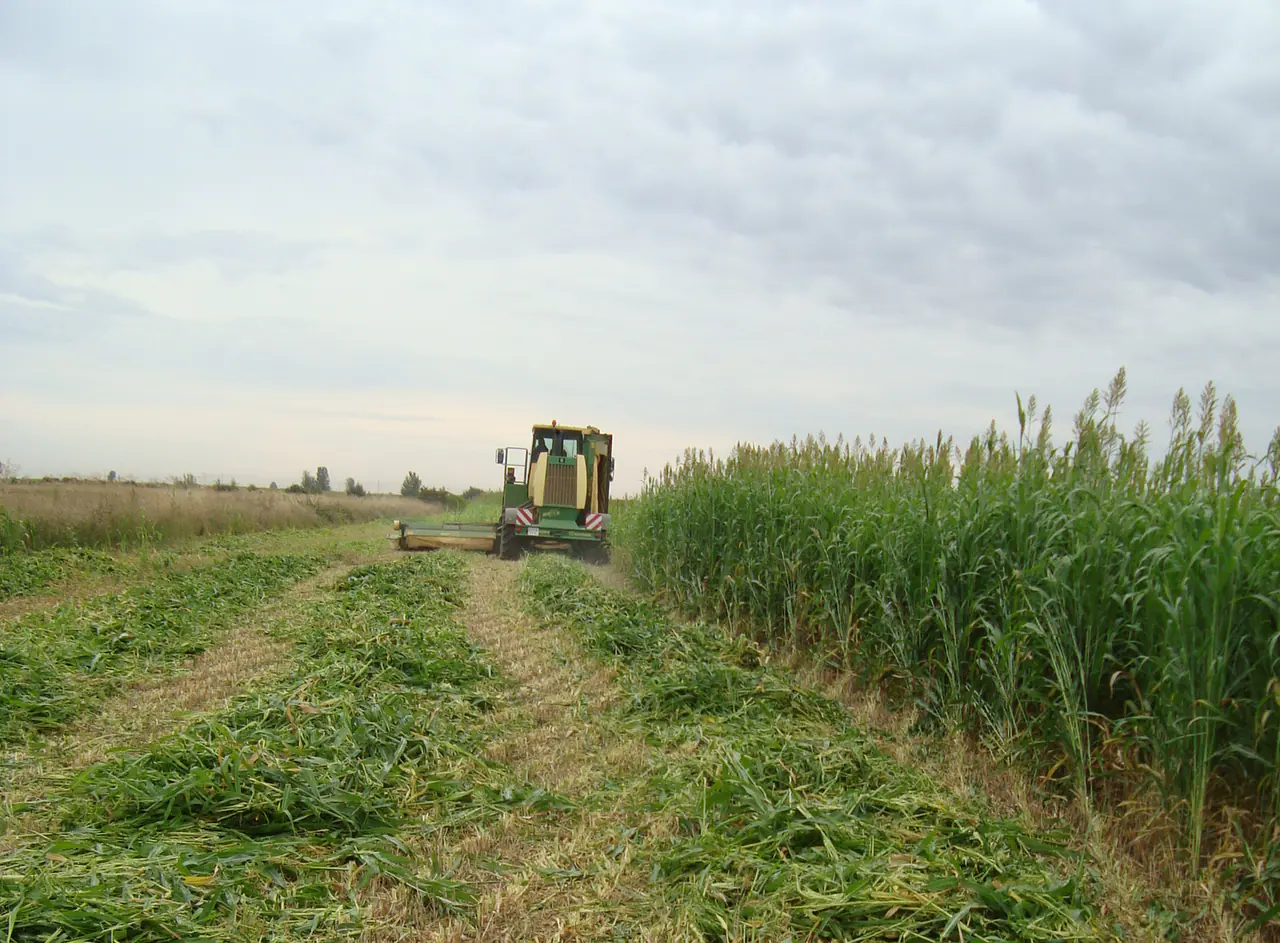
Biomass sorghum & sorghum-sudangrass
Sorghum bicolor and hybrids
High-biomass annual systems for whole-crop silage, fresh chopped material, dry biomass and selected biochemical or thermochemical routes.
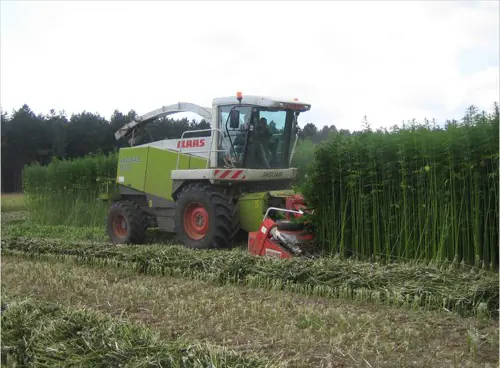
Industrial hemp
Cannabis sativa fibre types
Annual fibre crop assessed through cultivar, regulation, retting or decortication, fibre specification, co-products and farm integration.
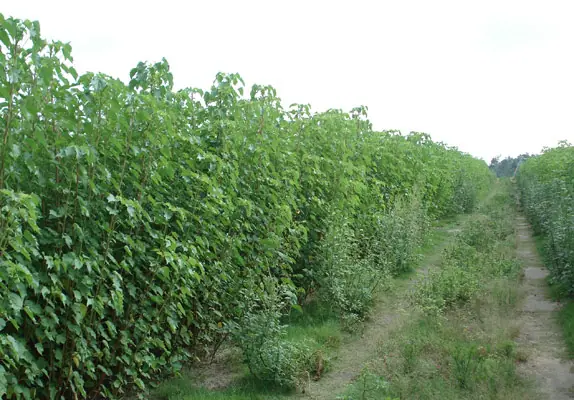
Kenaf
Hibiscus cannabinus
Warm-season fibre crop for pulp, boards, composites, absorbents and other biobased materials where processing and markets are available.
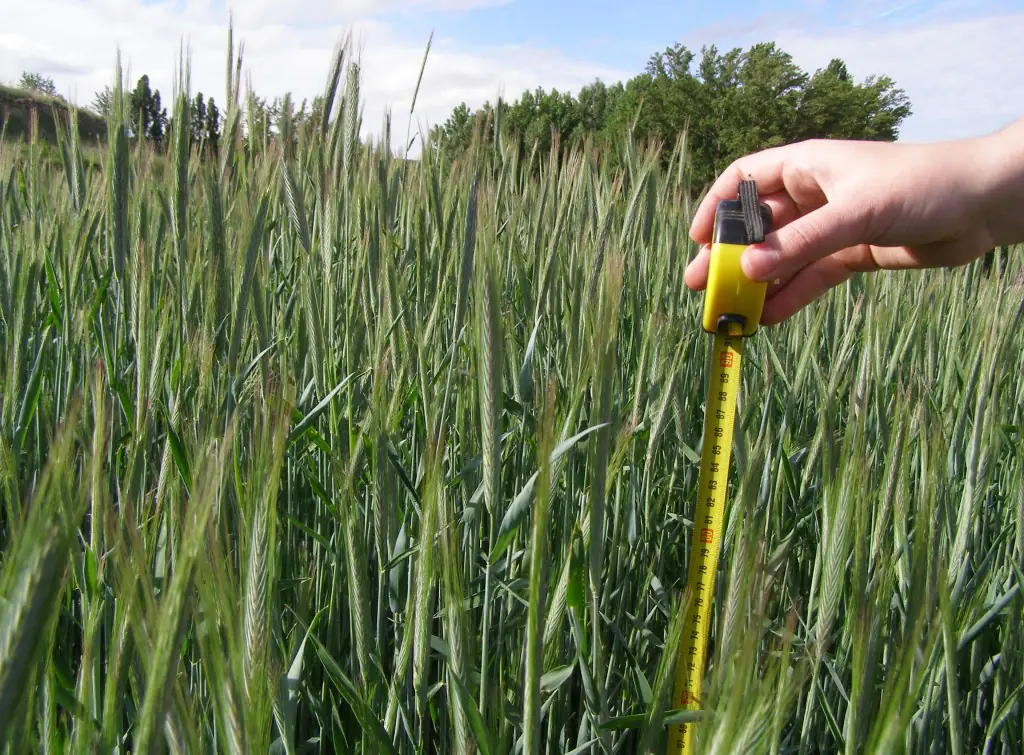
Winter cereals for whole-crop biomass
Triticale · rye · selected cereal hybrids
Winter cereals can supply silage or dry biomass within a double-cropping calendar when sowing, water, nutrient demand and the following crop remain viable.
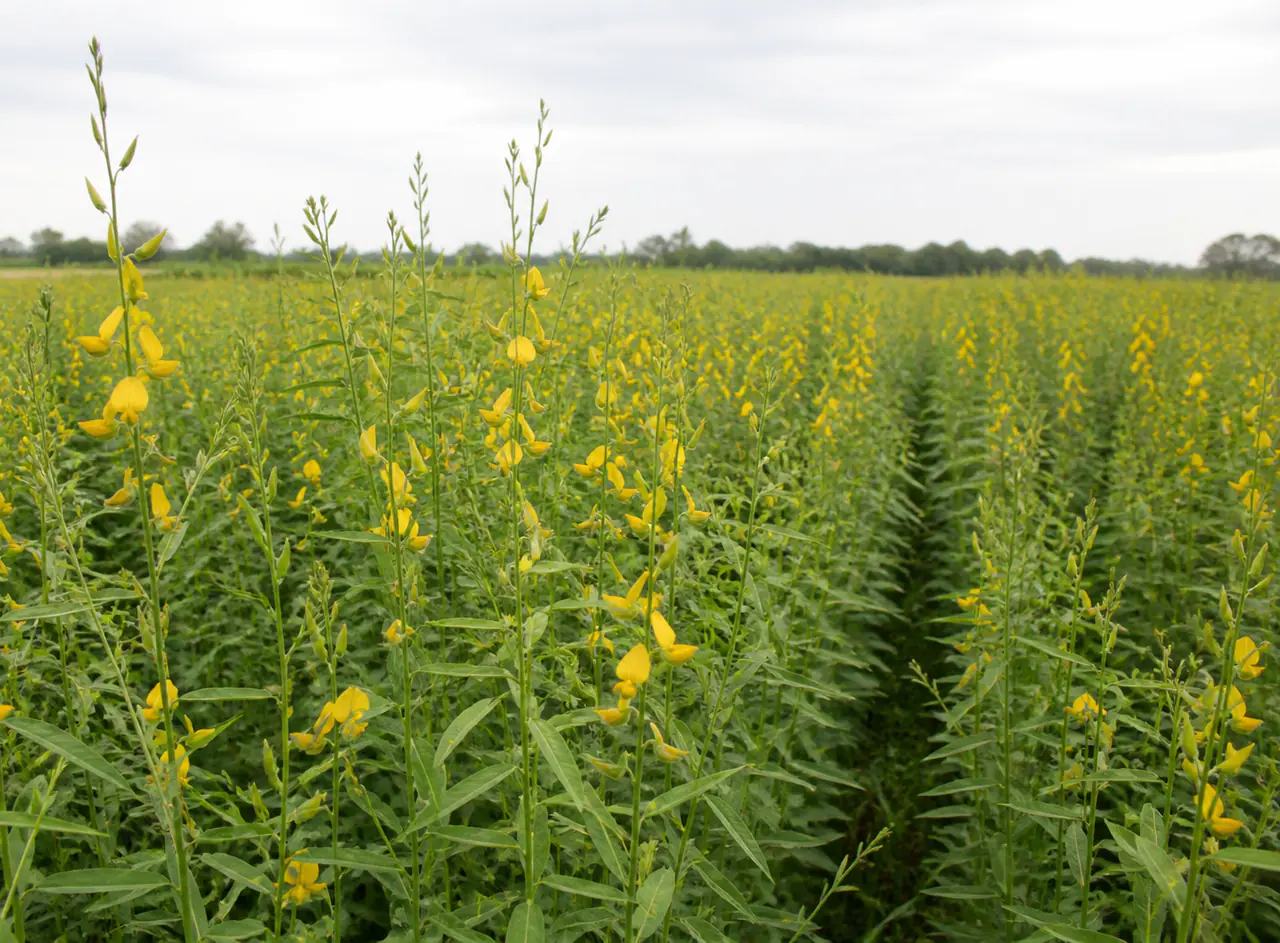
Sunn hemp cover crops
Crotalaria juncea
A subtropical cover and intermediate crop considered for fibre, green biomass, soil cover and rotation services, subject to seed supply, harvest route and local agronomy.
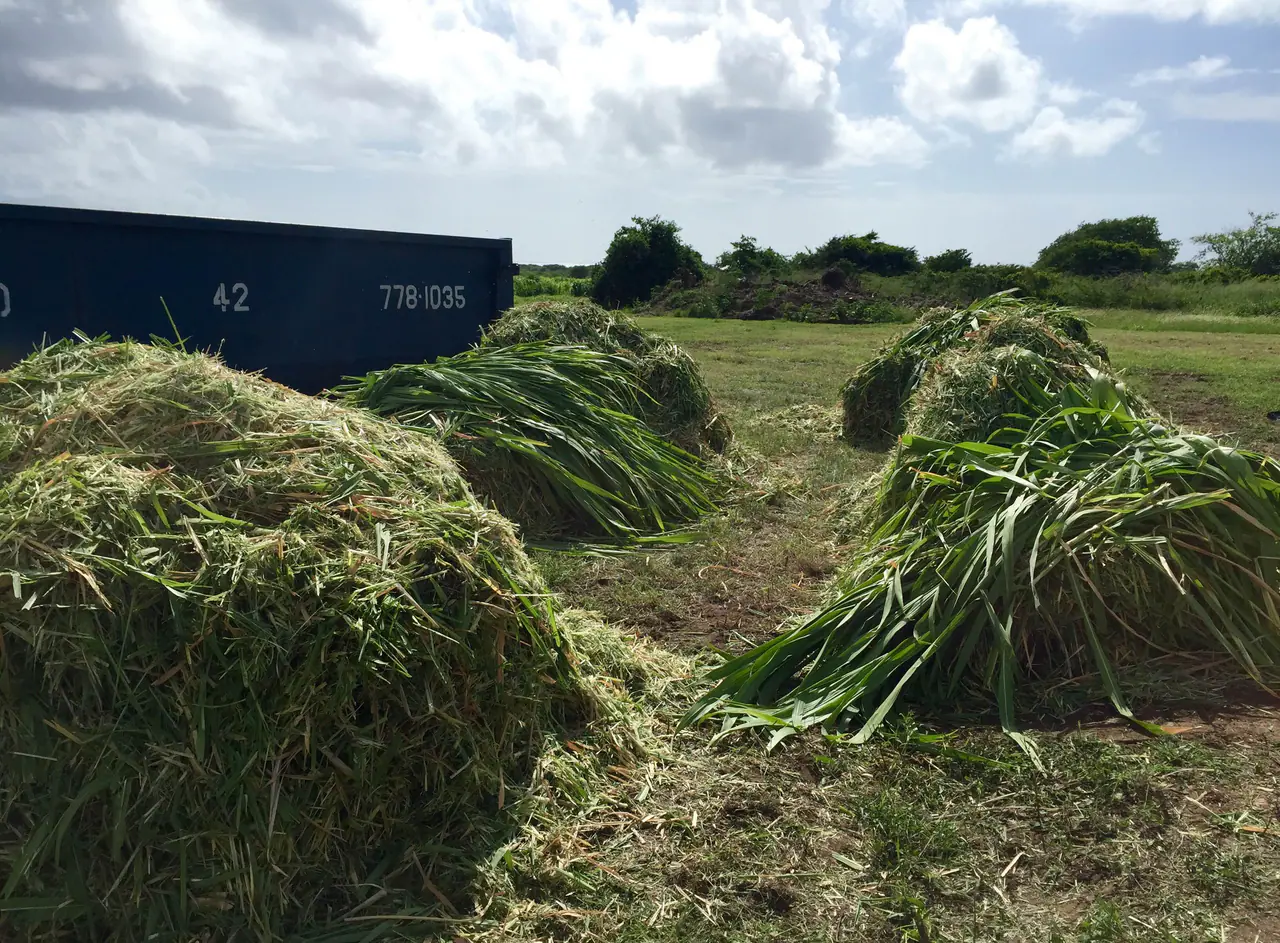
Whole-crop and fresh-biomass chains
Harvest window · chop size · storage
Harvest timing, chop size, loading, storage and delivery are specified against the conversion plant’s daily demand and acceptance limits.
What reaches the plant
Feedstock forms and operating implications
Whole-crop silage
Biomass, moisture, fermentation and storage stability are designed for biomethane and related wet pathways.
Dry cereal or sorghum biomass
Field drying, mowing, conditioning, baling and storage link agronomy to solid-fuel or fibre quality.
Intermediate crop feedstock
A short-season crop adds output between main crops when sowing, harvest, soil cover and water balance remain workable.
Industrial fibre
Harvest maturity and processing determine usable bast, core, pulp and composite fractions.
BEC services
What BEC can deliver
The scope is adapted to the project stage: early screening, feasibility, due diligence, pilot development, procurement or implementation support.
Explore BEC services →- Rotation and crop-calendar analysis
- Water, nutrient and soil-cover assessment
- Farmer margin and contracting model
- Harvest, ensiling or baling system
- Quality and co-product evaluation
- Seasonal supply contribution to the plant
Technical evidence
Evidence behind the decision
Crop selection, commercial modelling, implementation planning and due diligence draw on the following evidence.
01Intermediate, cover and double crops
These terms describe different agronomic roles. An intermediate crop occupies a window between main crops; a cover crop prioritises soil protection and agronomic functions; a double-crop model harvests two marketable crops in one year. The project case must state which role is intended and how the crop affects the full rotation.
02Food, feed and energy integration
Dual-purpose and whole-crop models can allocate grain, forage, fibre, residues and energy fractions according to market conditions. BEC tests land use, traceability, pricing and sustainability before selecting a workable allocation for the project and farming system.
03Supplier adoption
Seed, crop insurance, extension, machinery, working capital, agronomic risk and payment timing influence farmer participation. Commercial supply develops through credible contracts, practical technical support and an achievable planting ramp-up.
Discuss a project
Integrate annual crops into a productive farming system
BEC can quantify the agronomic window, farmer economics, feedstock quality and seasonal contribution of annual and intermediate options.