
Latest BEC publication
BEC Radar Intelligence — 26 October 2026
Biogas contracts, forest residues and biochar investment: seven global developments shaping biomass supply and industrial markets. BEC Radar, 26 October.
Read publication
Bioenergy Crops Blog
Bioenergy Crops publications on feedstocks, energy crops, biofuels, biomethane, biochar and project development.
Latest BEC publication
Biogas contracts, forest residues and biochar investment: seven global developments shaping biomass supply and industrial markets. BEC Radar, 26 October.
Read publication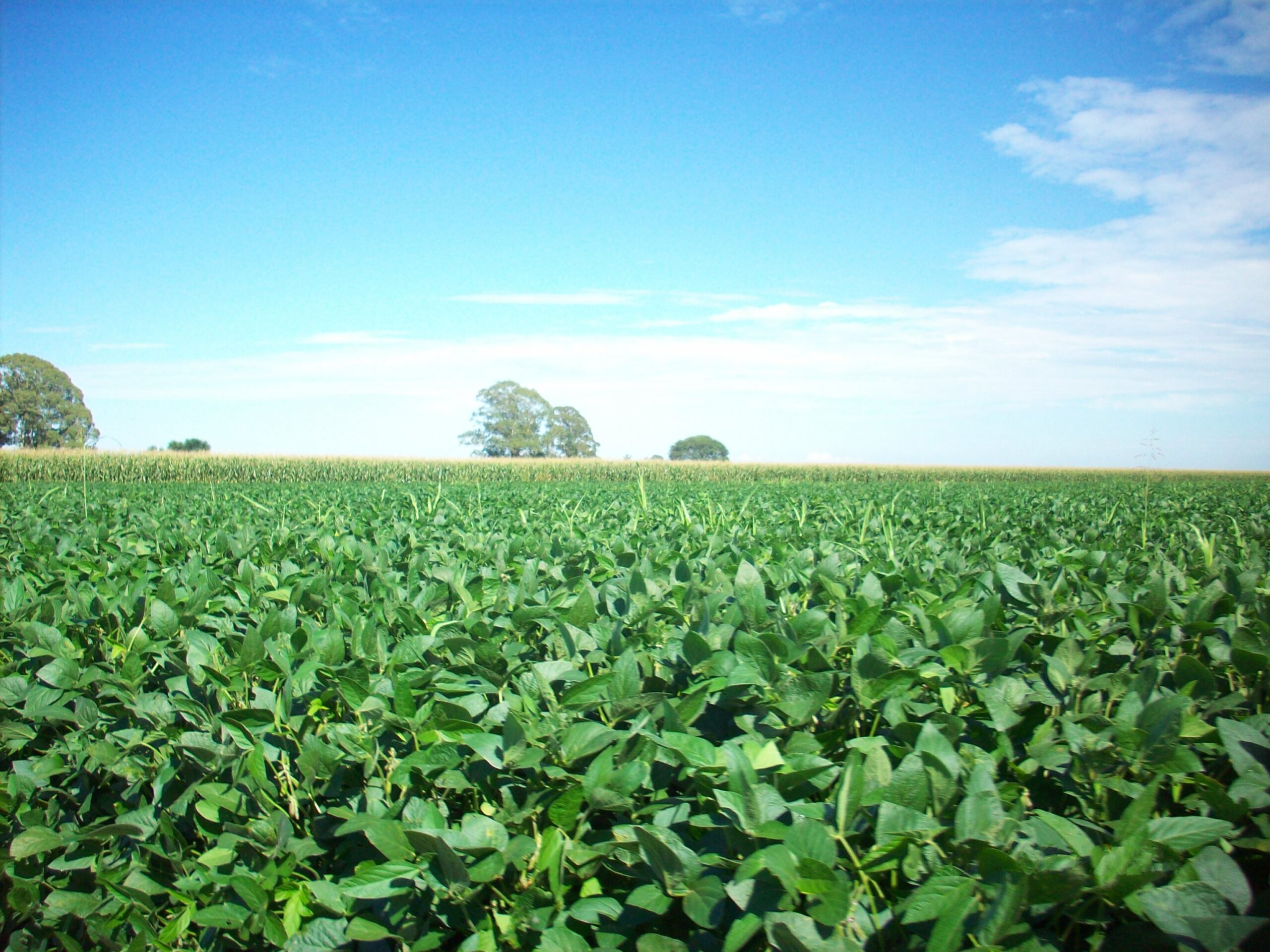
Recent analysis
Argentina’s biofuel opportunity: crop rotations, precision farming, carbon intensity and the supply conditions required by European and US buyers.
Read publicationBlog archive
Explore the rest of the English archive, arranged to alternate weekly Radar editions with recent analysis.
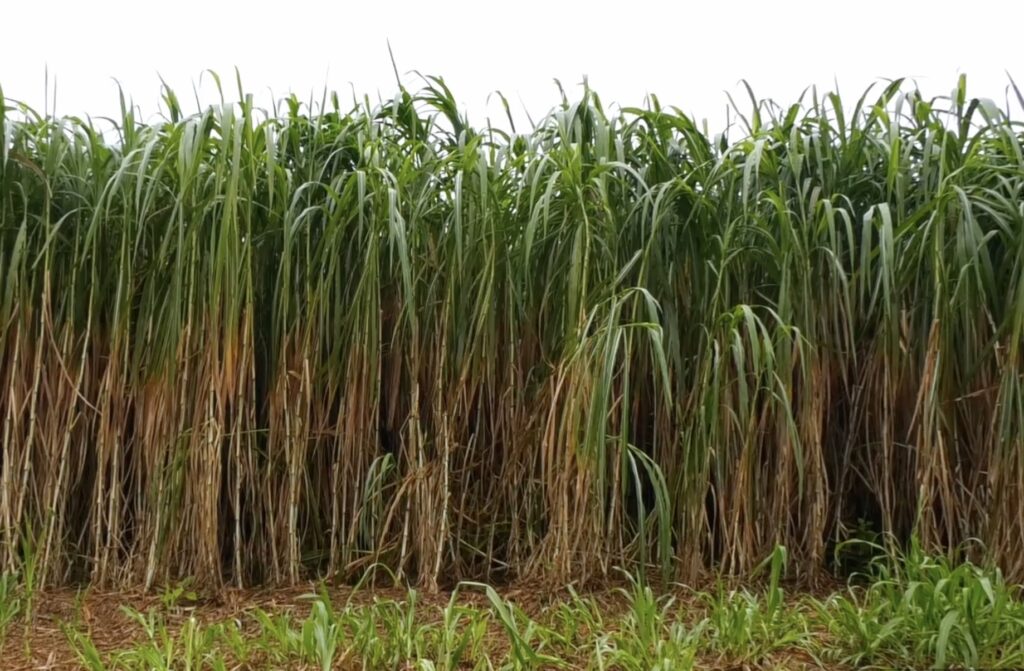
Rapid canopy recovery, young tissue and harvest design influence how much methane a Napier plantation delivers. BEC examines water, nitrogen, machinery and storage costs per unit of recovered gas.
Read more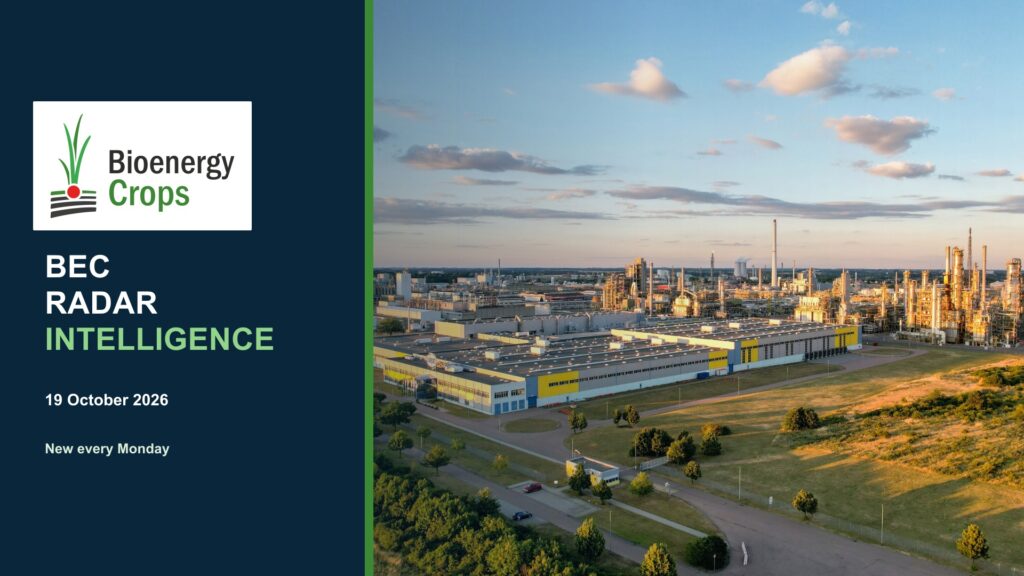
UPM opens in Germany, Zenco secures a UK gas buyer, Valency backs cashew-shell processing in Côte d’Ivoire, and LanzaJet raises US production finance.
Read more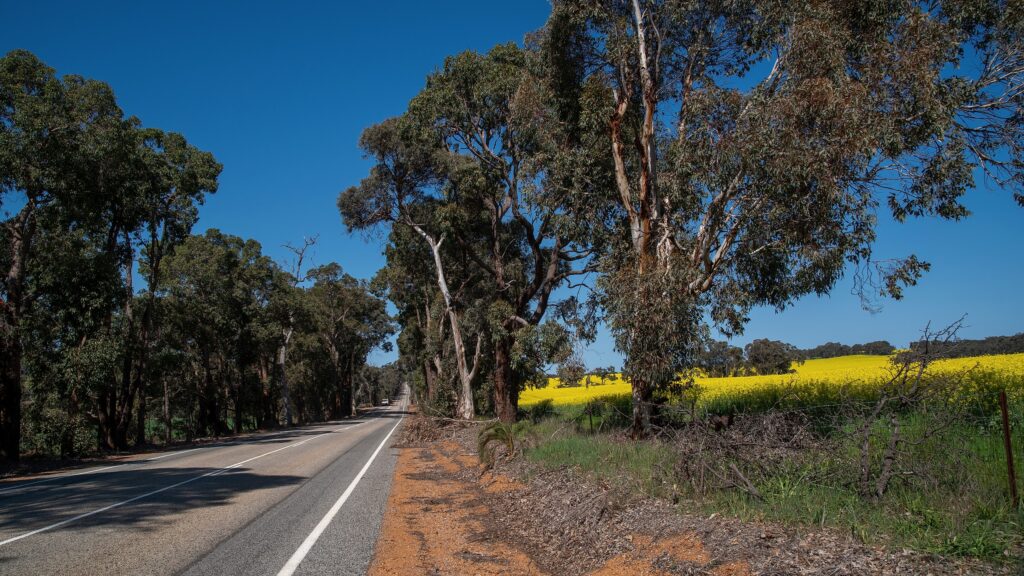
Australia’s National Bioenergy Feedstock Strategy puts investment-grade supply data at the centre of the market. This analysis shows how competing uses, climate, agronomy and logistics determine which tonnes can be contracted and delivered through an adverse year.
Read more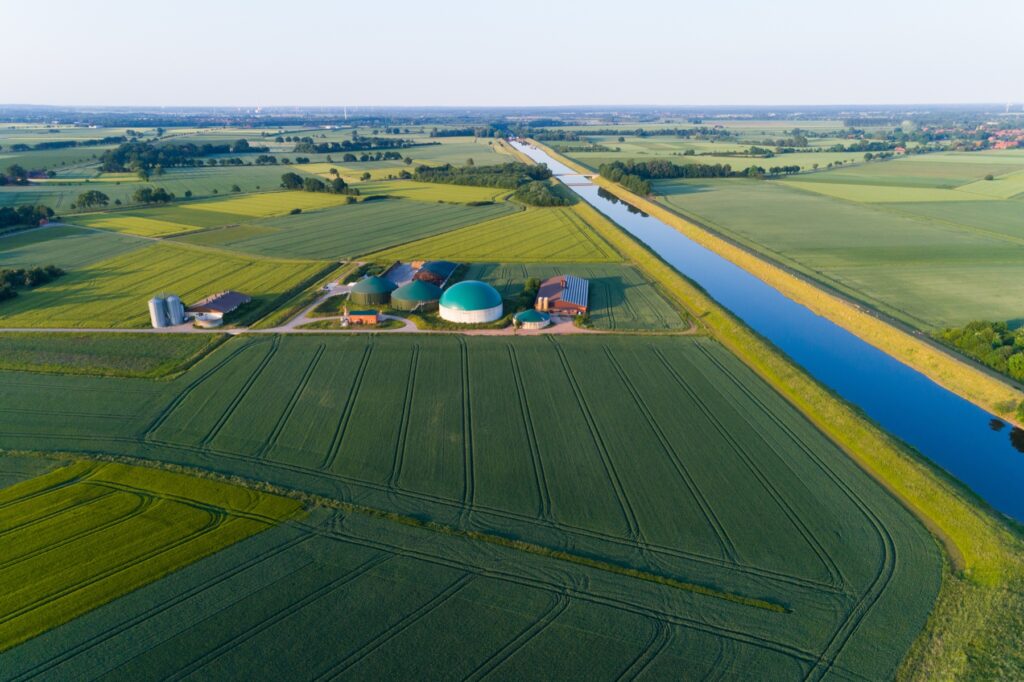
India has strengthened the policy and offtake framework for compressed biogas. The next competitive advantage will be built upstream: in crop systems, feedstock portfolios, storage, logistics and evidence.
Read more
BEC examines France’s new biomass gas rules, US biomass power investment, Brazil’s native-tree proposals and industrial supply in Italy and Indonesia.
Read more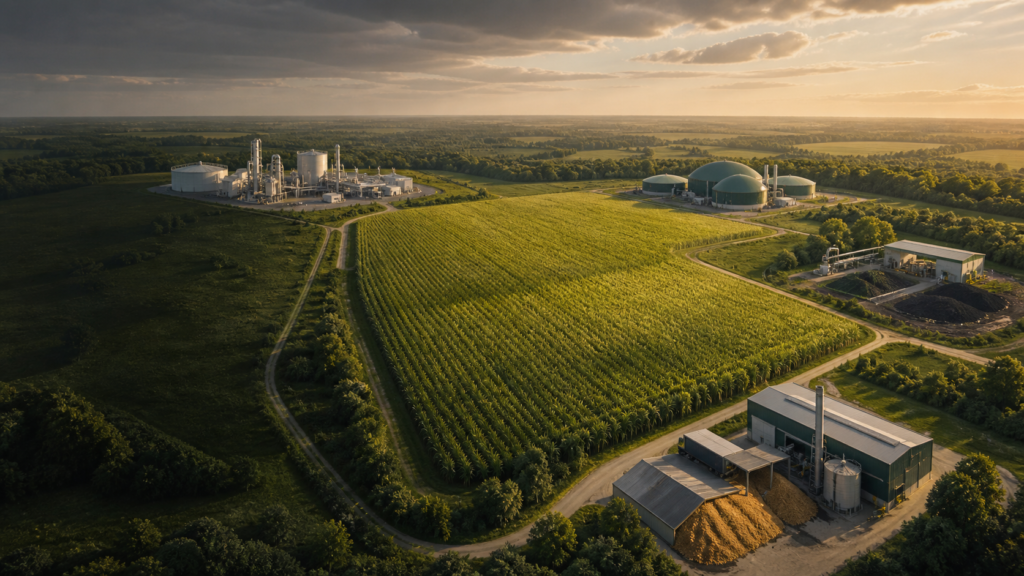
One field can serve several bio-based markets, but each market buys different attributes. BEC sets out a practical crop–market framework for SAF, biomethane, biochar and industrial heat.
Read more
SAF eligibility depends on more than fuel specification. Feedstock rules, lifecycle emissions, infrastructure and offtake determine which projects can scale.
Read more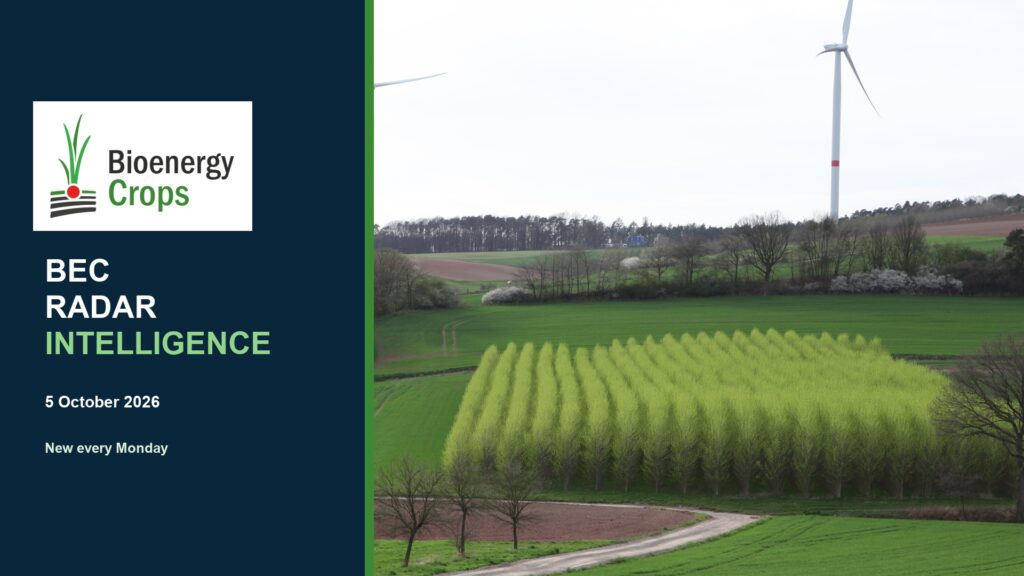
Hybrid poplar plantation in Germany, photographed in 2016. Credit: Janffm007 / Wikimedia Commons, CC BY-SA 4.0 BEC RADAR INTELLIGENCE 5 October 2026 Plant-based materials, industrial heat and the cost of reaching production A first batch of a plant-based plastics ingredient in the Netherlands, construction of a wood-fuelled heating plant in Germany and new engineering work […]
Read more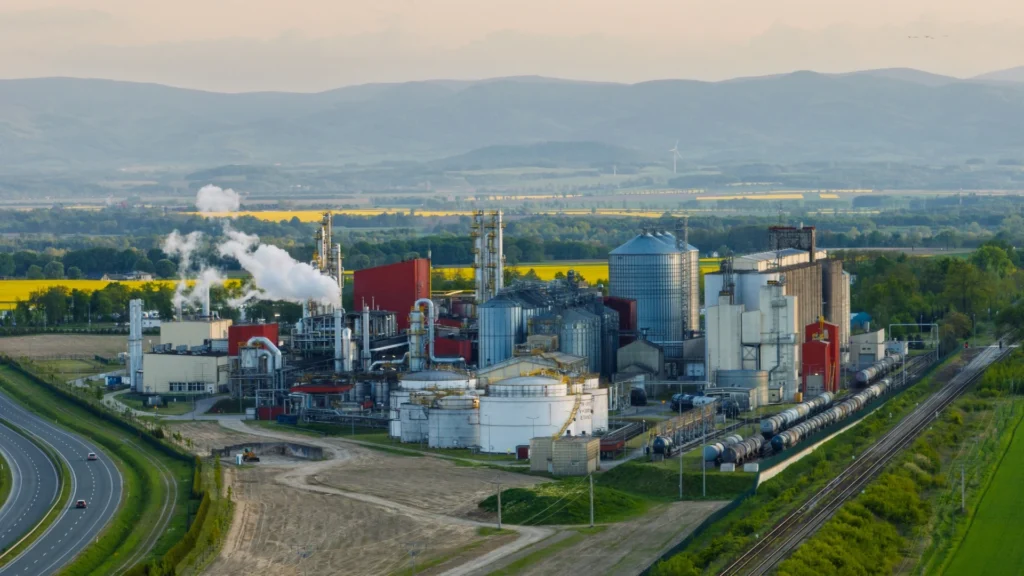
Almost 200 SAF projects are chasing scale, but only a fraction are operating or under construction. The winners will match feedstock, technology, geography, carbon evidence and finance before the refinery is built.
Read more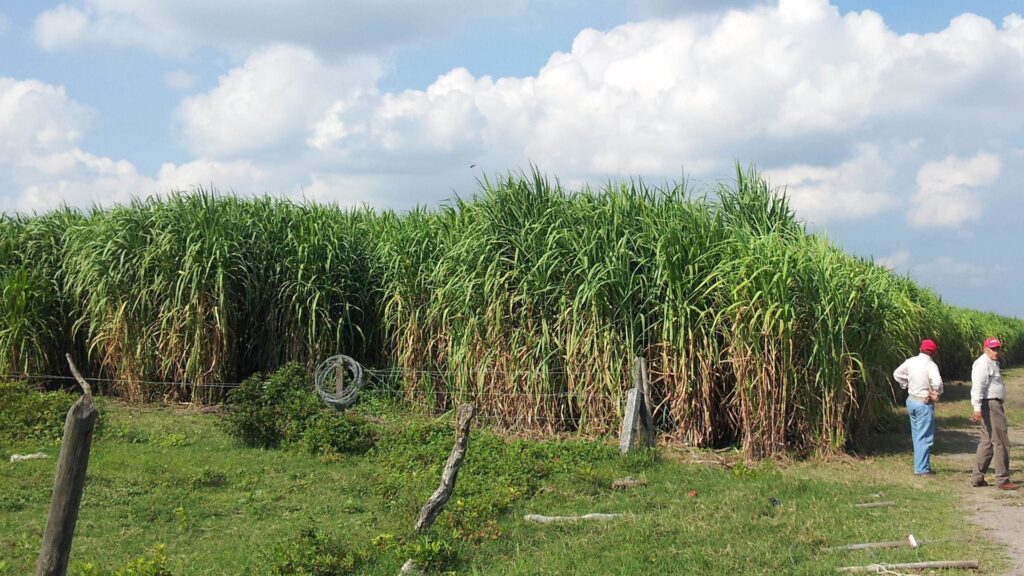
Napier grass can be an excellent crop for compressed biogas projects. But CBG developers should finance constrained productivity, delivered methane cost and feedstock basin design, rather than headline biomass yields.
Read more
Ethanol feedstock planning, industrial biogas, biocarbon commissioning and renewable-fuel construction: BEC examines the connections between land, supply and industrial delivery.
Read more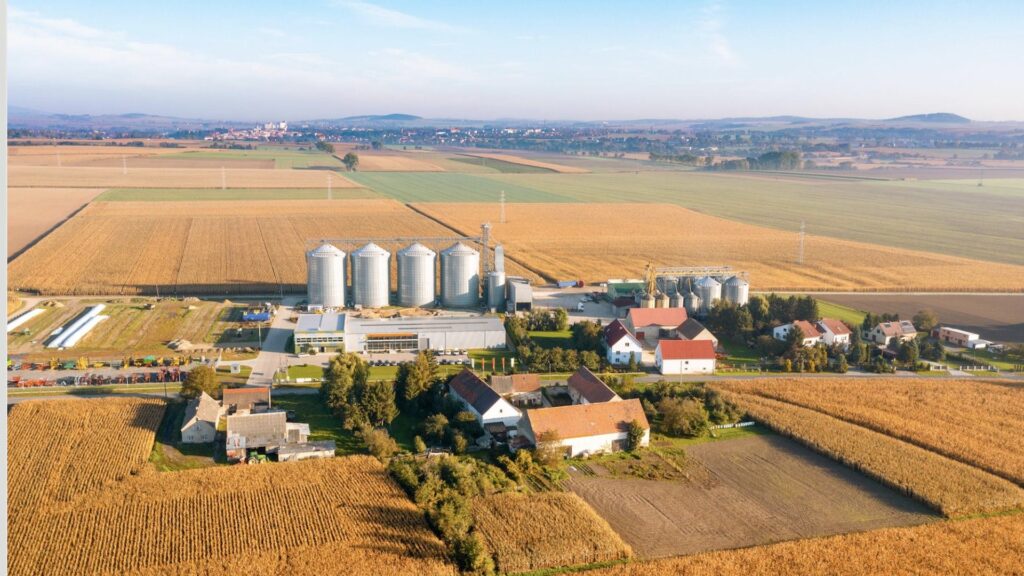
Regional feedstock basins connecting residues, intermediate crops, dedicated energy crops, marginal land and biomass hubs are becoming strategic infrastructure for renewable fuels, SAF and biobased industries.
Read more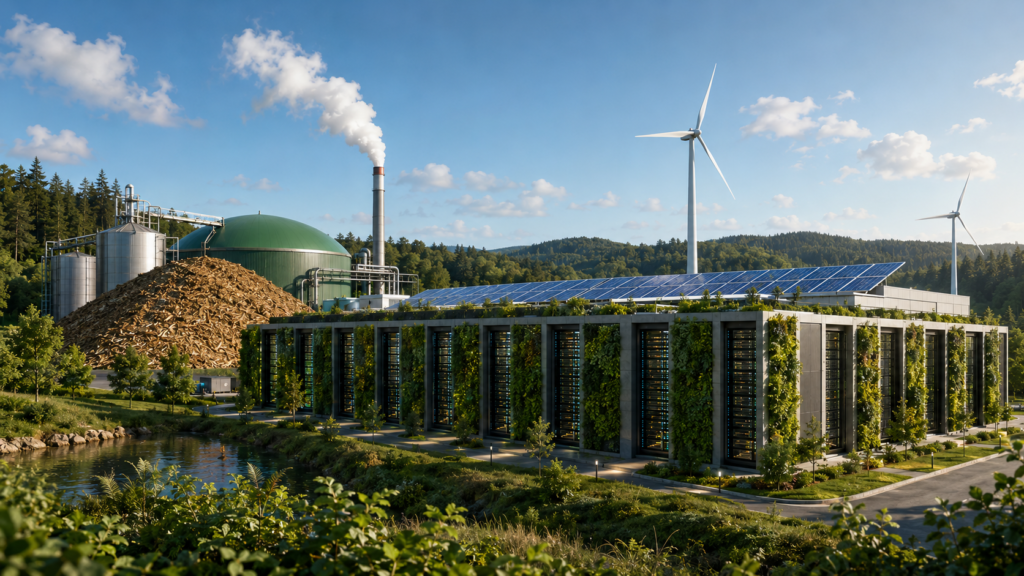
AI data centers are becoming an energy infrastructure challenge. This article explores how biomass, biomethane, heat reuse, cooling and carbon removals could support hybrid data center energy campuses.
Read more
Pellet supply, ethanol field trials, soybean processing and biomethane investment: BEC examines the crop, logistics and execution decisions behind the week’s developments.
Read more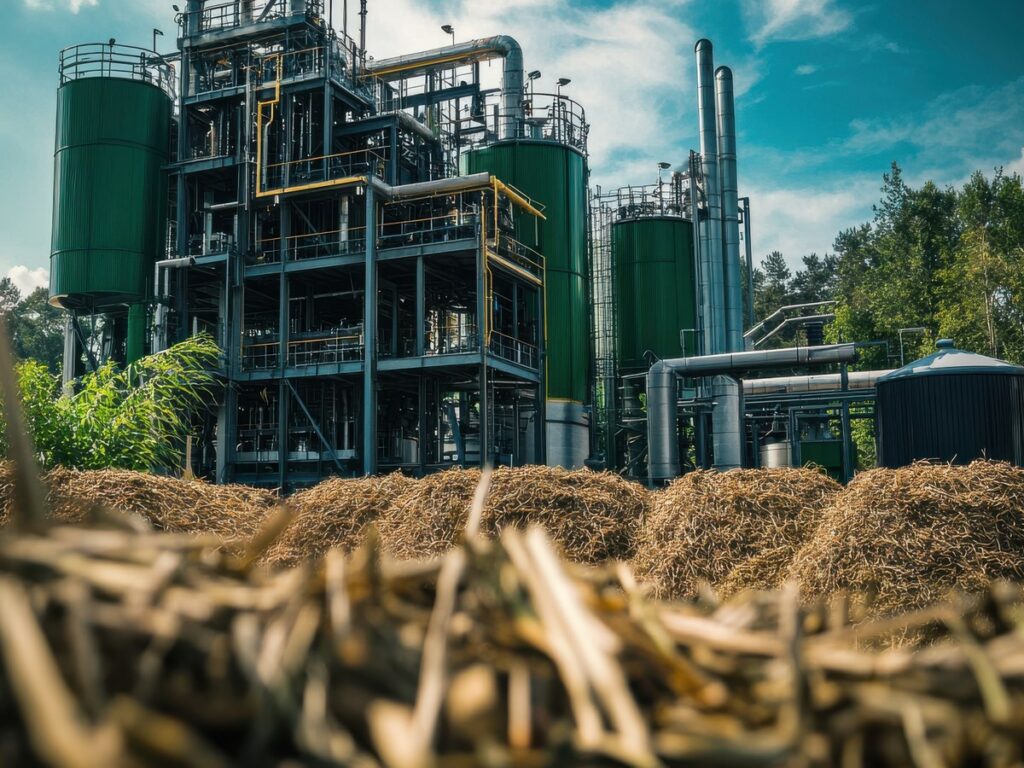
SAF production is increasing, but refinery capacity is only part of the challenge. Reliable feedstock procurement, logistics, certification and long-term supply development will determine which projects can reach commercial scale.
Read more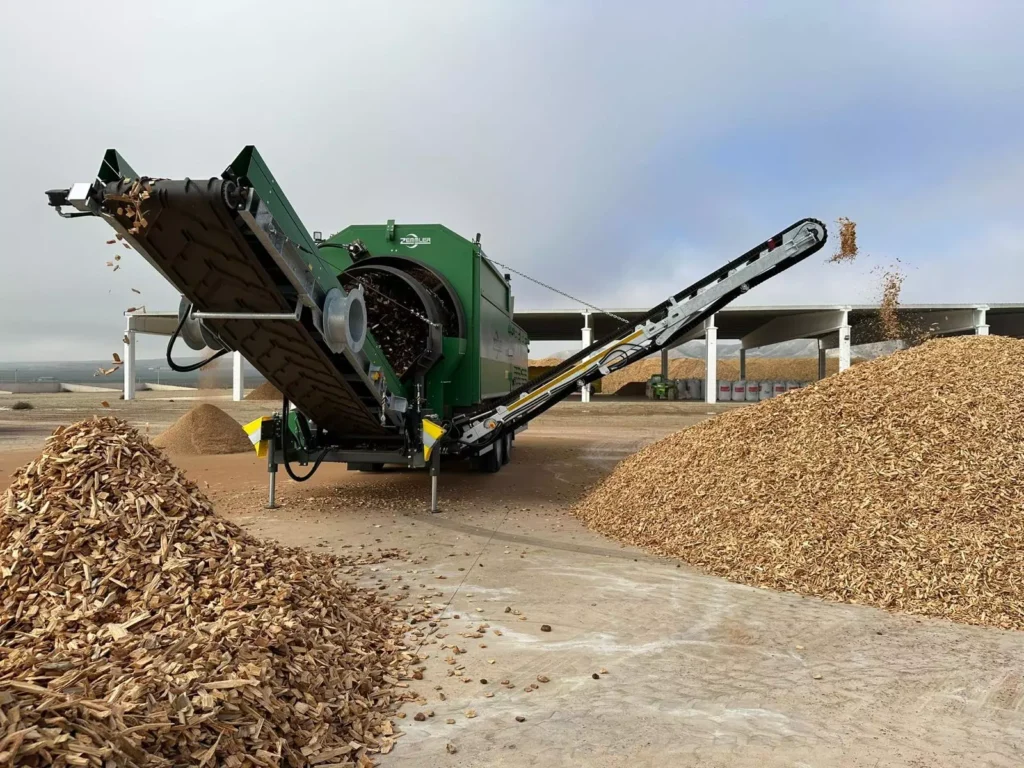
Veolia’s new facility in Aragón combines organic-waste composting with the processing of agricultural and forestry biomass for fertiliser products and renewable industrial heat.
Read more
Winter canola, pongamia, 45Z guidance, biomethane auctions, industrial heat and waste-to-methanol developments from 7–13 September 2026.
Read more
Camelina and carinata can add low-carbon oilseed supply for SAF, but only where rotations, farmer contracts, crushing, logistics and certification convert hectares into financeable refinery feedstock.
Read more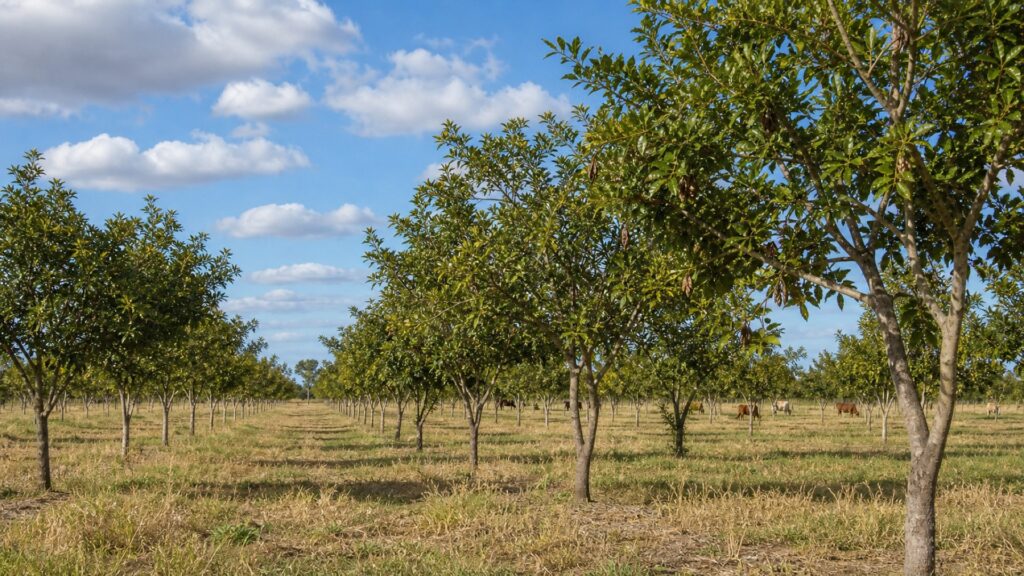
Australia has millions of hectares that may suit pongamia, but bankable SAF feedstock depends on land-use fit, rainfall, logistics, farmer adoption and long-term offtake.
Read more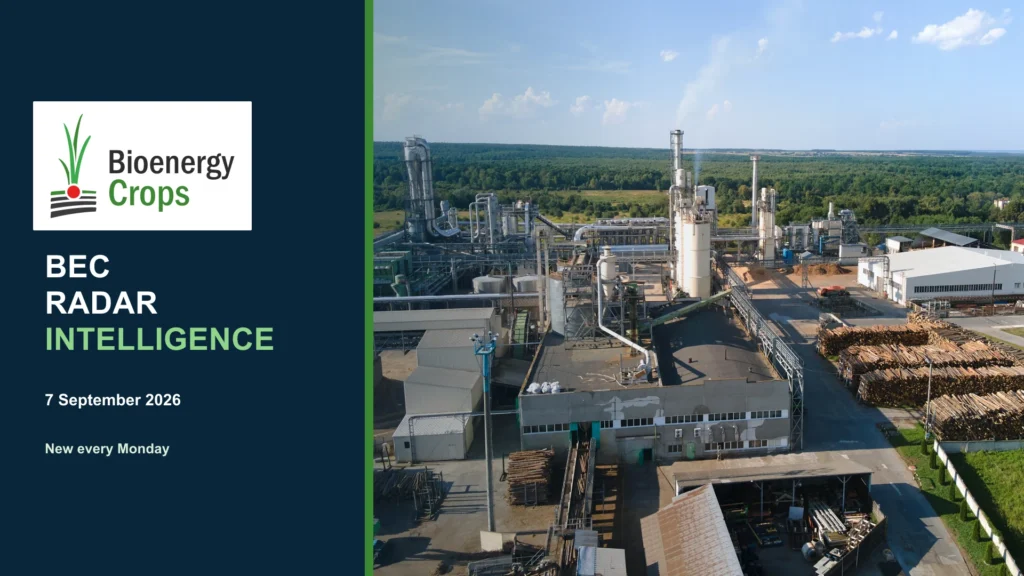
Seven current developments in SAF procurement, sugarcane assets, marine ethanol, biochar, biodiesel finance, brownfield SAF and biomethane certification.
Read more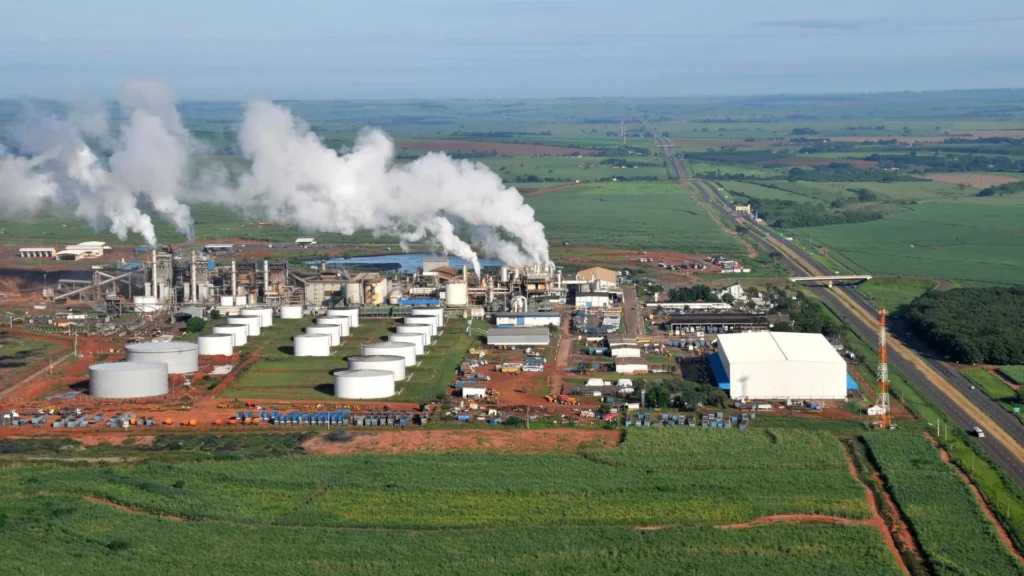
Industrial heat pumps could decarbonise existing ethanol plants faster than new fuel pathways scale, but only where electricity, heat integration and project economics work.
Read more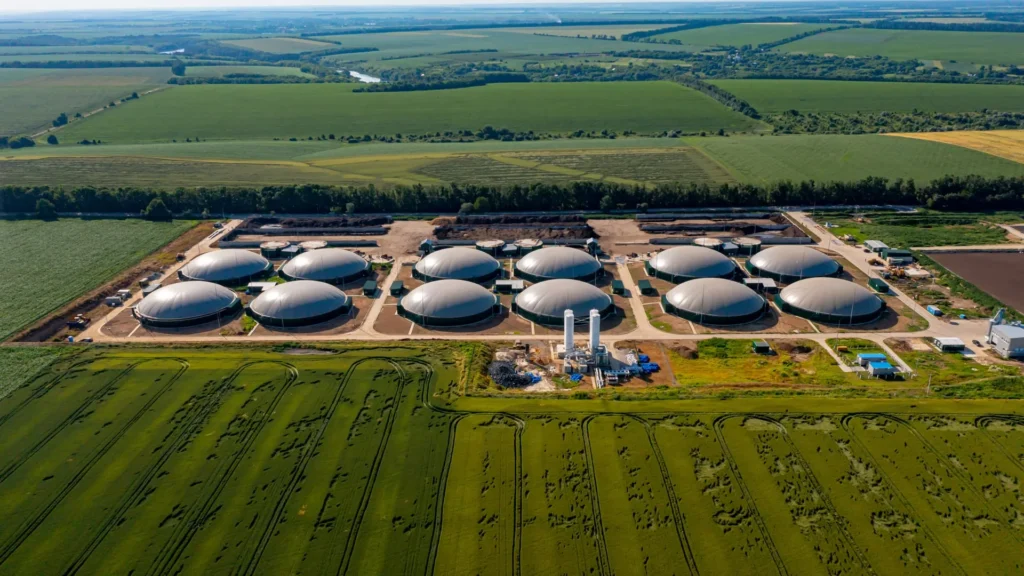
Raw dairy biogas may become a distributed SAF feedstock, but only if upgrading, aggregation, carbon accounting, farm economics and offtake risk are solved together.
Read more
Seven global developments show how feedstock data, public support, buyer commitments and physical execution shape investable bioeconomy projects.
Read more
Acelen’s billion-litre SAF ambition highlights a harder feedstock question: whether macaúba plantation biology, farmer adoption and oil supply can match refinery timelines.
Read more
Rebound brings Technip Energies, Airbus, Safran and Tereos into a Dunkirk Alcohol-to-Jet project before Final Investment Decision (FID). The article examines ethanol supply, offtake and European SAF execution risk.
Read more
Seven industrial bioeconomy developments show how biomass resources become traceable supply through physical delivery, contracts, engineering, aggregation and market implementation.
Read more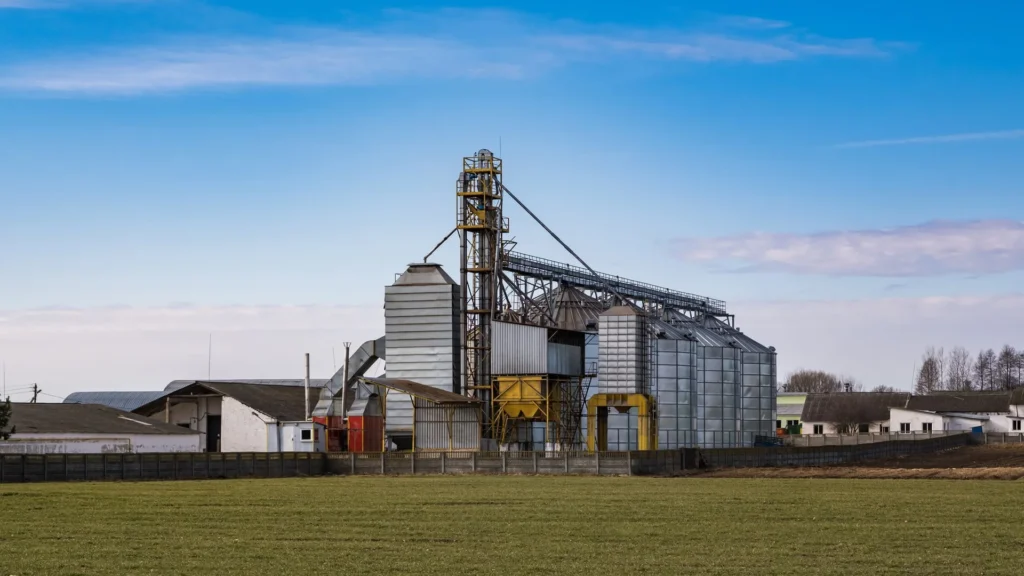
The Renewable Fuel Standard creates demand through RVOs and RINs, but value reaches farmers, residue owners and processors only through approved pathways, qualifying conversion, verified fuel and contracts.
Read more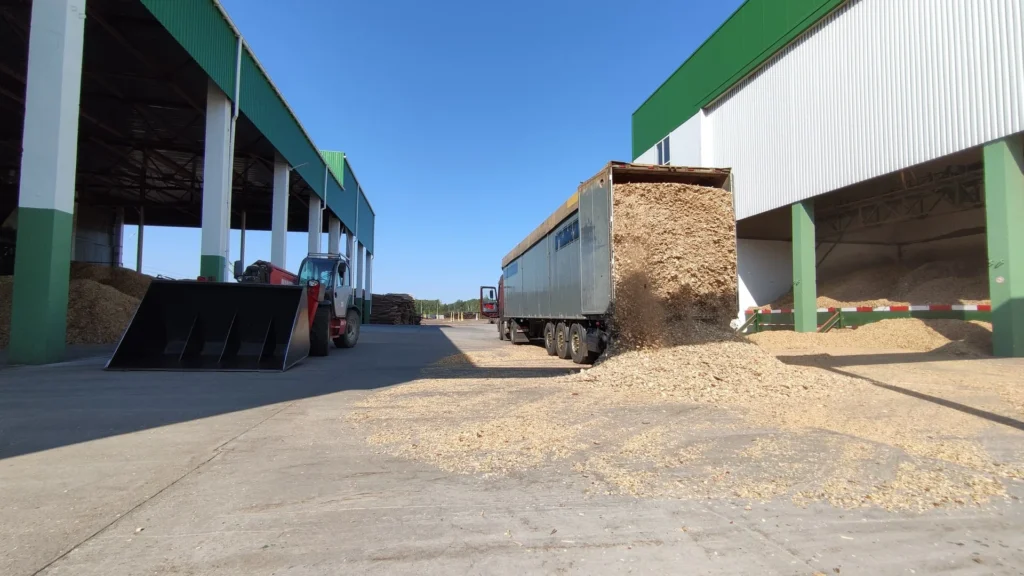
Fast pyrolysis can convert dispersed biomass into liquid fuel, but the project risk moves from residue collection to oil quality, storage, logistics and bankable offtake.
Read more
One live forestry procurement update and five evidence-led decision files on energy forests, forestry fuels, fallow land, poplar and miscanthus — with BEC analysis and clearly labelled uncertainty.
Read more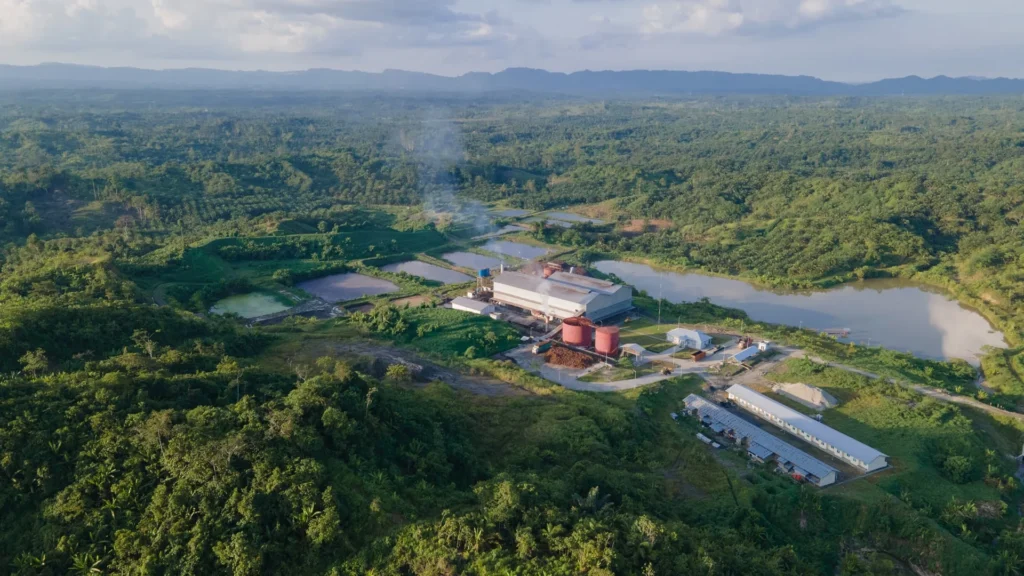
Indonesia’s planned B50 rollout could reshape palm oil demand, but the real test lies in productivity, supply security, renewable diesel and SAF market competition.
Read more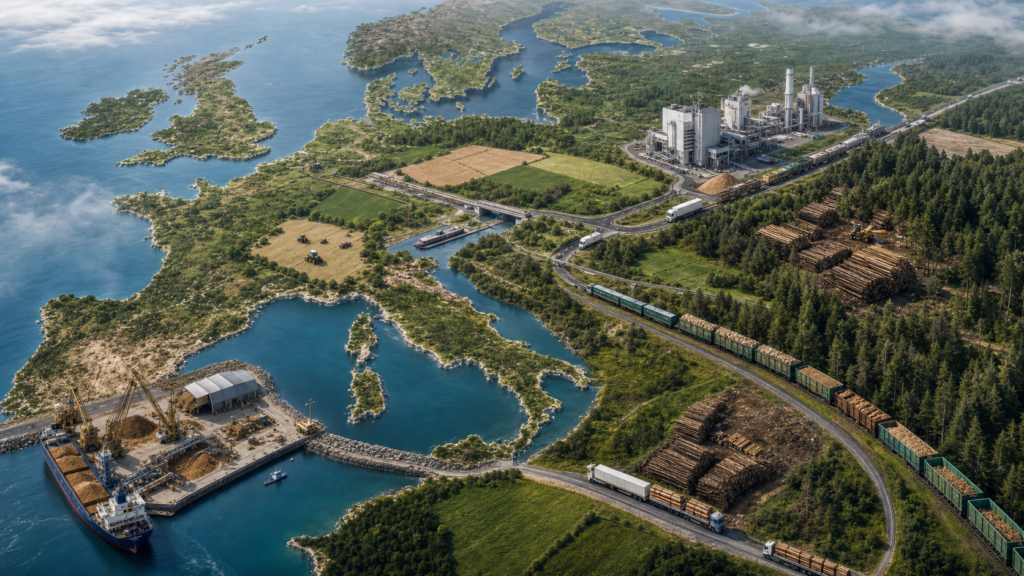
Europe has enough sustainable biomass potential for advanced fuels, but bankability depends on mobilisation, logistics, infrastructure, contracts and financeable supply chains.
Read more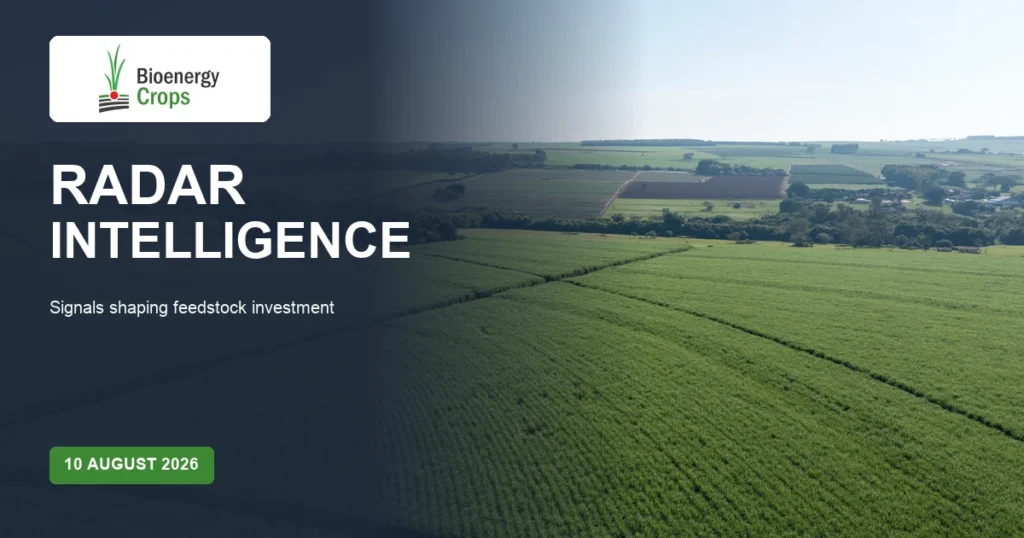
Five evidence-checked developments shaping biochar, biomass residues, perennial energy crops, advanced fuels and regional biobased supply chains, with BEC's implications for feedstock investment and delivery.
Read more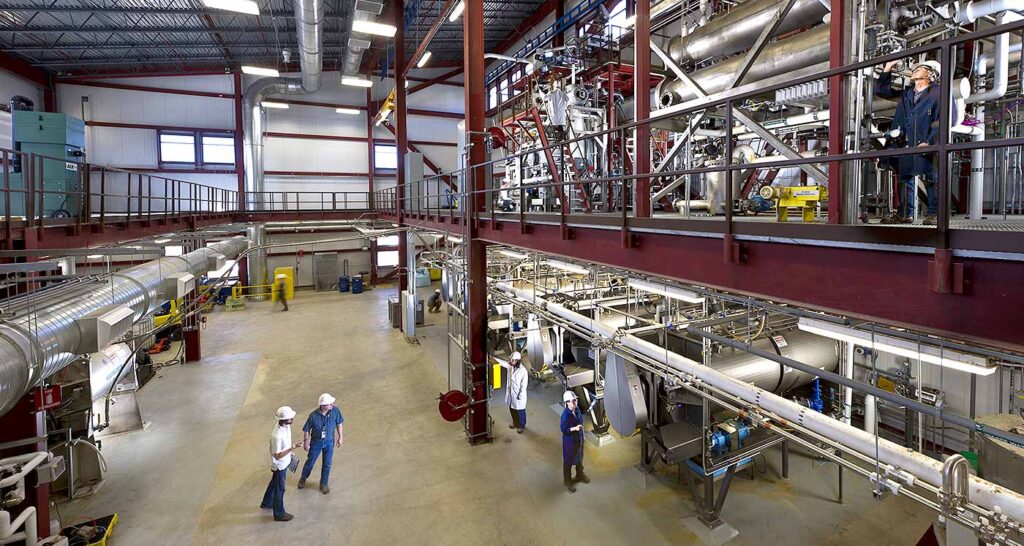
Lignocellulosic intermediates may extend the HEFA infrastructure model, but only if conversion quality, logistics, refinery integration and offtake economics align.
Read more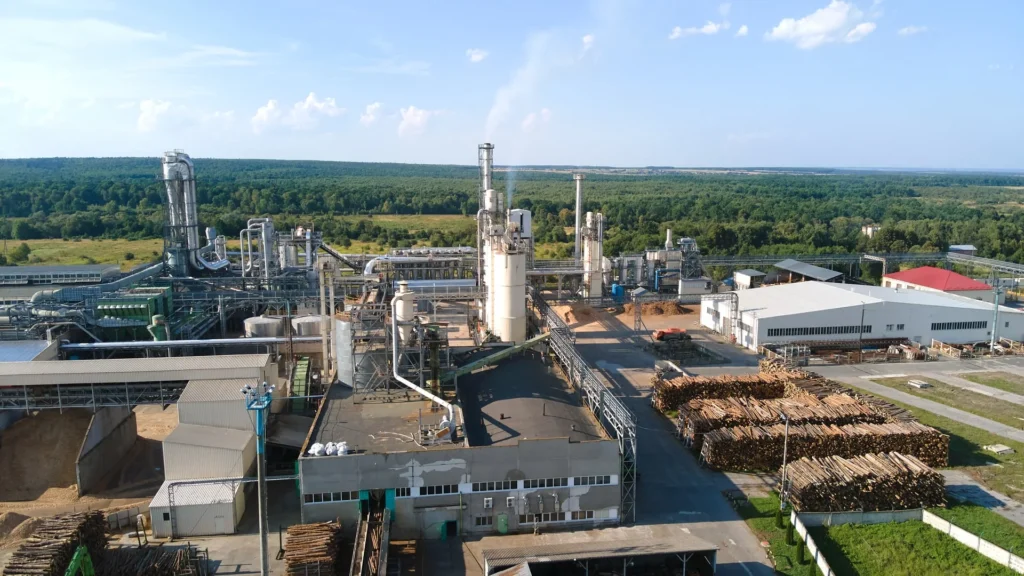
Beaver Lake shows why developers must resolve biomass supply, methanol markets, carbon storage, execution risk and bankability before scaling integrated projects.
Read more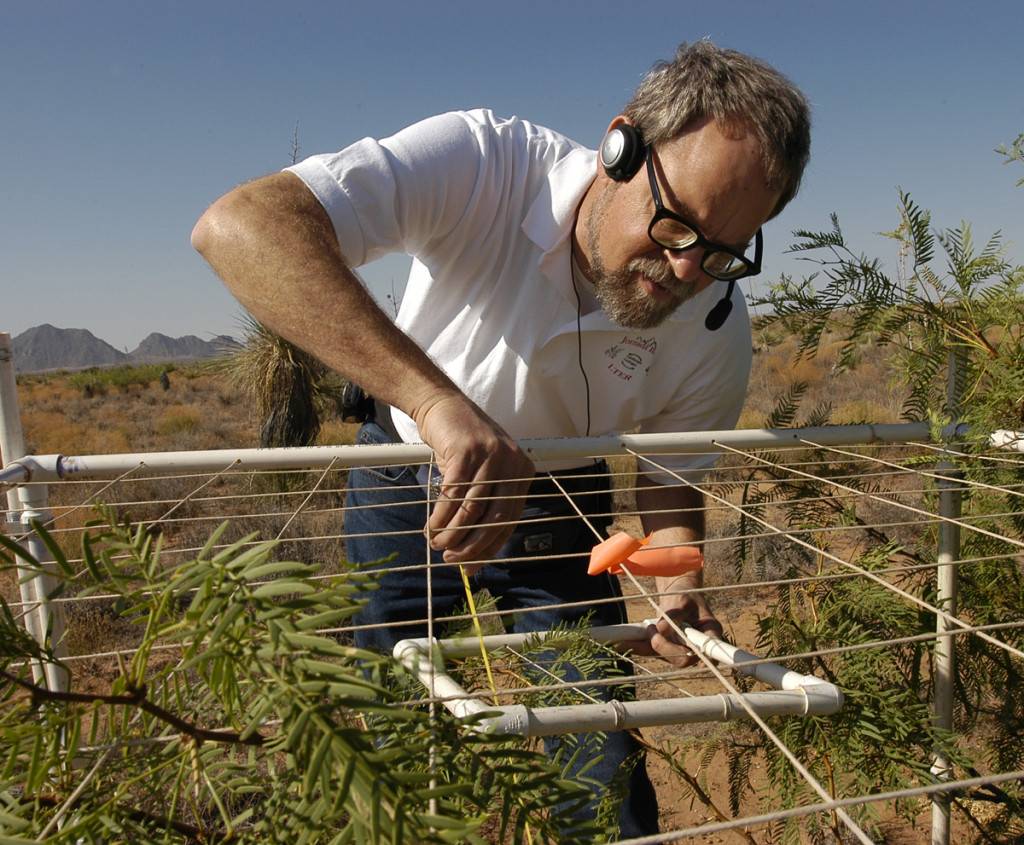
Expert advice on energy crops can save millions by improving species choice, land assessment, yield assumptions, logistics, contracts and project design from the start.
Read more
A regenerative bioeconomy in Mallorca can connect biomass production, land restoration, circular resource use and local energy opportunities in a practical regional model.
Read more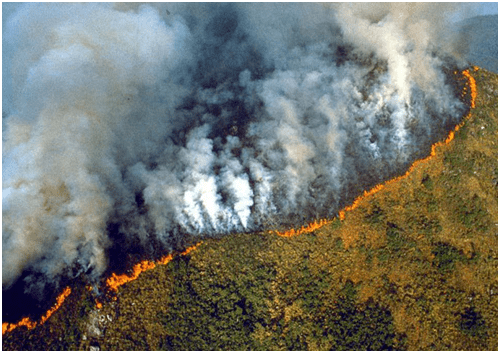
Biomass and wildfire reduction models can support regeneration where forest management, residue logistics, local energy use and long-term offtake are planned together.
Read more
Energy crops can improve soil fertility in European systems when species, rotations, residue management, biodiversity and land-use context are designed carefully.
Read more
Energy crops can increase biodiversity when perennial cover, habitat structure, flowering resources, low disturbance and landscape planning are part of the production model.
Read more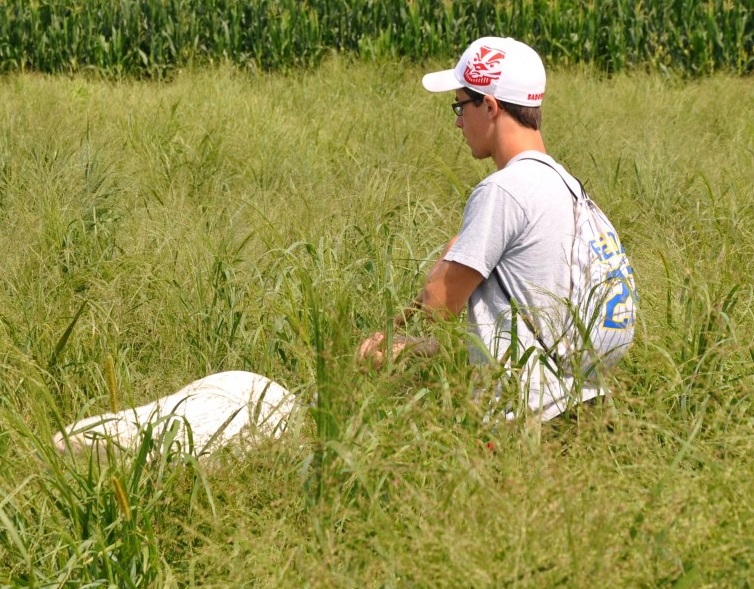
Perennial energy crops can stimulate belowground fauna where permanent cover, root systems, organic matter and lower disturbance improve the soil environment.
Read more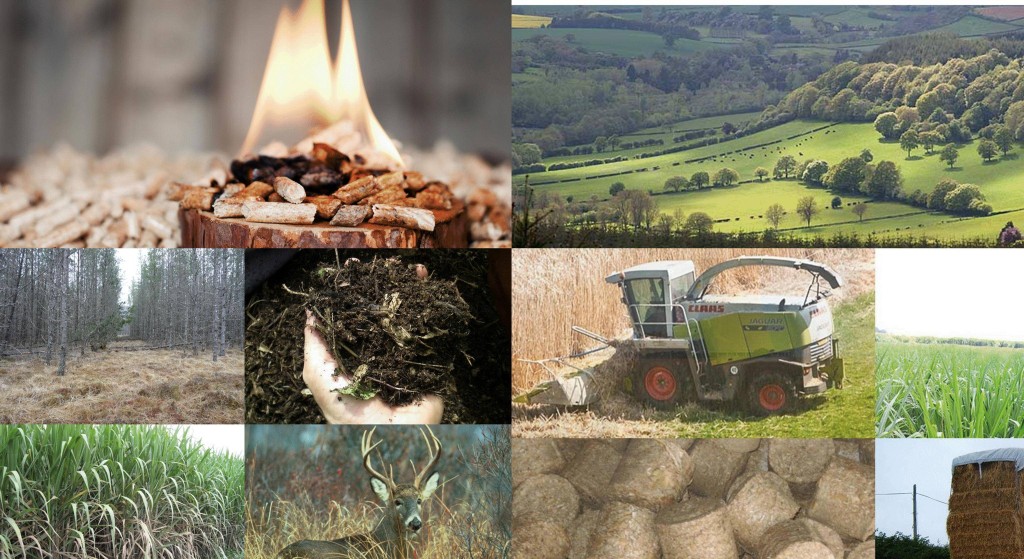
Cultivating renewable biomass can support energy security, land restoration, farmer income, biodiversity and resilient local value chains when projects are well designed.
Read more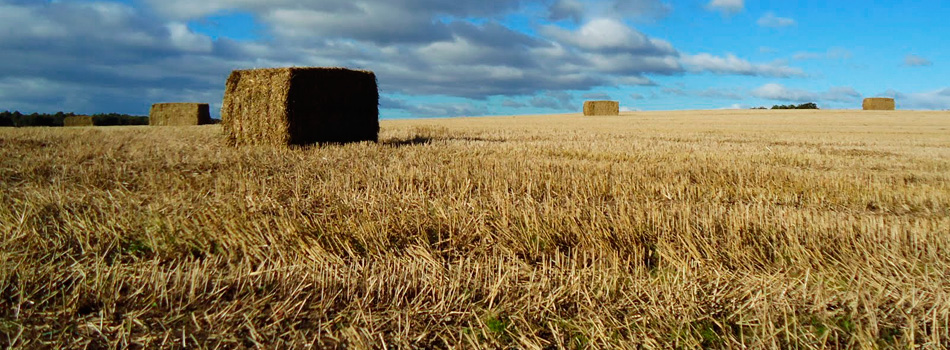
Marginal lands can host alternative energy crops where species selection, water limits, soil quality, yield expectations and biomass logistics are assessed realistically.
Read more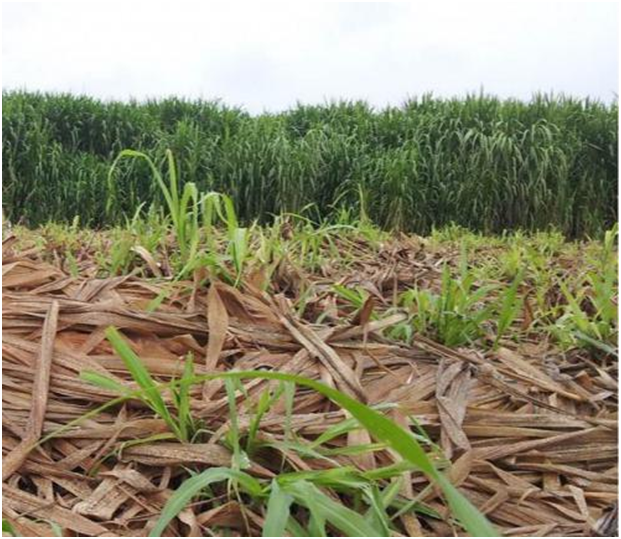
Bioenergy crops have already met many expectations in systems where land use, productivity, soil benefits, biodiversity and long-term biomass demand are aligned.
Read more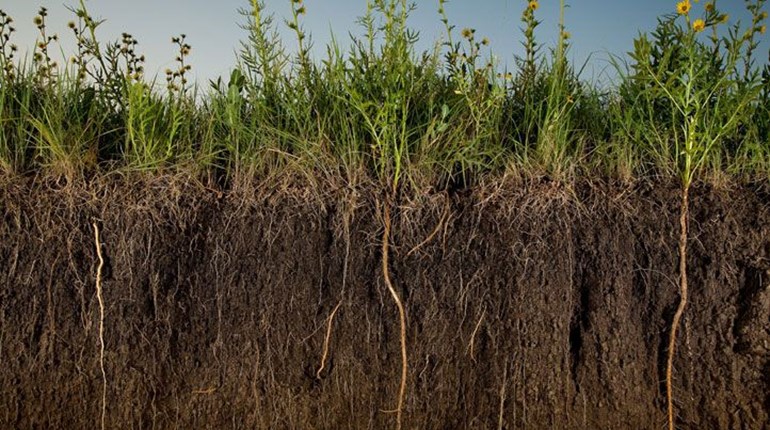
Regenerative agriculture can strengthen bioenergy projects when biomass production, soil health, biodiversity, carbon outcomes and farm economics are planned together.
Read more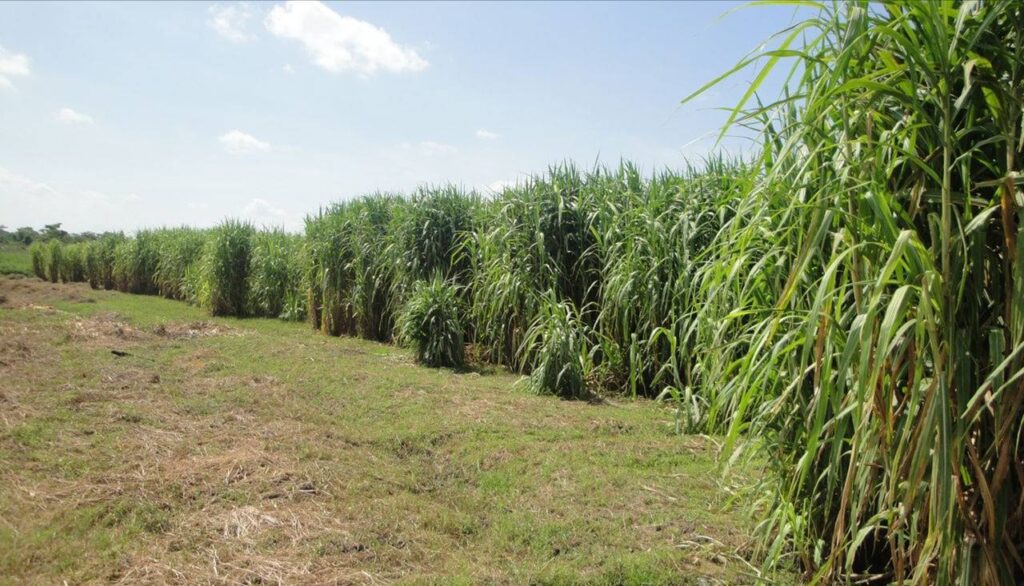
Improving Napiergrass harvest logistics can reduce field losses, transport costs, moisture risk and delivery delays in biomass supply chains.
Read moreNo publications match those words.