
A practical industrial definition
What are bioenergy crops?
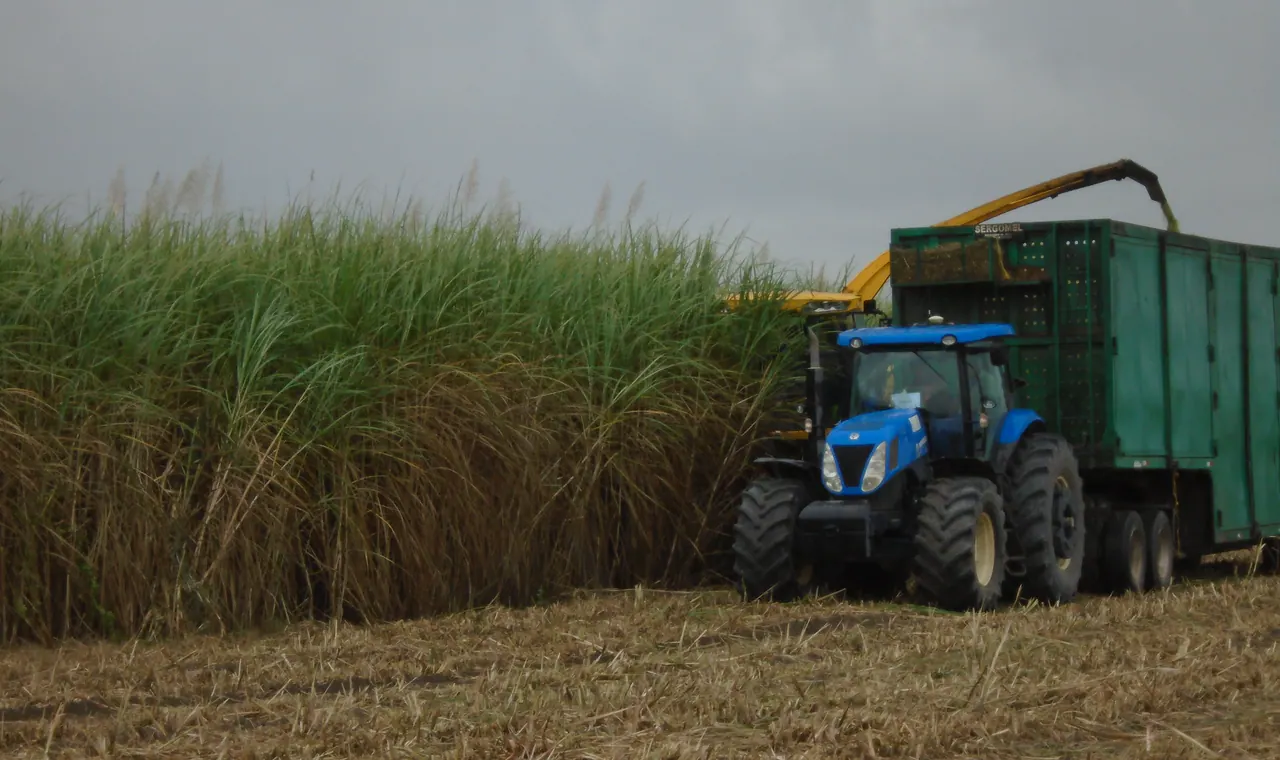
Energy crops—also referred to as bioenergy crops—are purpose-grown or integrated crop systems that supply biomass, oils, sugars, starches, fibres or other biological inputs to energy and biobased industries. Bioenergy feedstocks are broader: they also include agricultural and forestry residues, processing co-products and other biogenic materials.
Commercial context
One term, several commercial models
Terminology varies across institutions and markets. This resource uses energy crops and bioenergy crops as overlapping terms; biomass crops, biomass cropping systems and biofuel crops describe narrower or market-specific uses. Each project then specifies the industrial pathway, physical form, quality, delivery model, cost and sustainability evidence. BEC aligns those requirements with land, crop biology, planting material, machinery, suppliers, logistics, regulation and finance.
Crop and system options
How an energy crop becomes an industrial feedstock
A crop becomes an industrial feedstock through defined land fit, physical form, quality, seasonality and delivery requirements.
Land and country fit
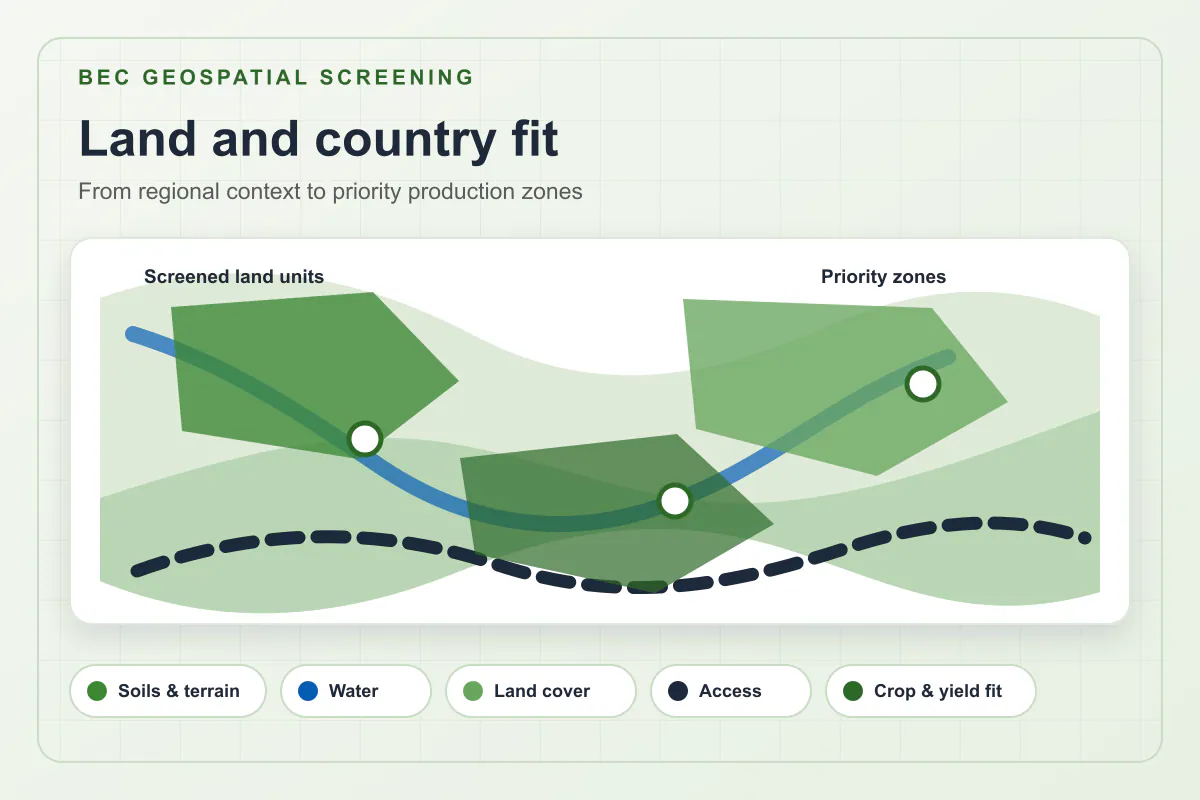
Climate · soils · water · vegetation
GIS and field evidence establish where a system can operate, possible displacement effects and the constraints that will shape yield and access.
Crop system and establishment
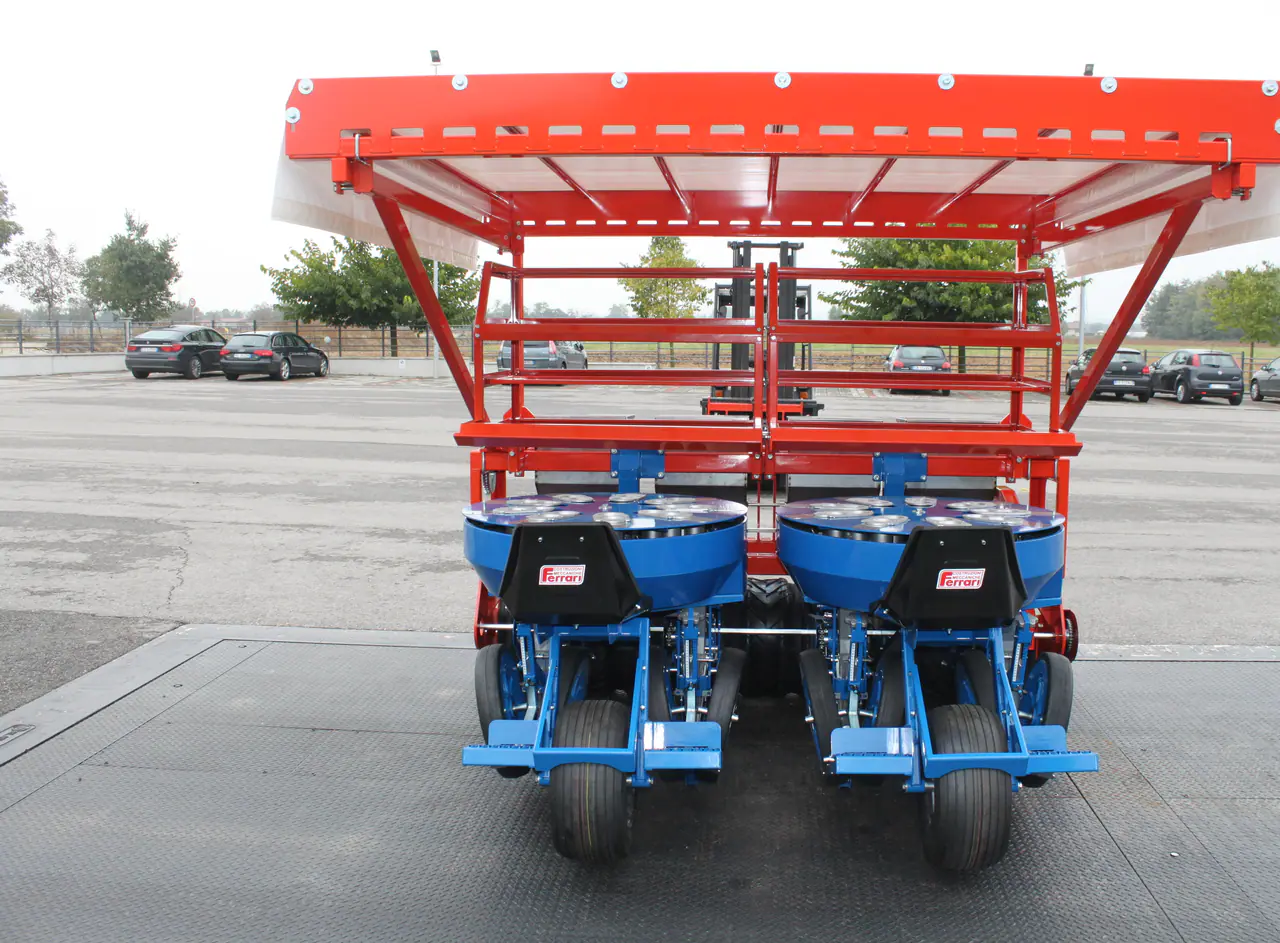
Genetics · planting stock · nurseries
Material availability, propagation method, machinery, field design and realistic establishment rates determine the scale-up schedule.
Feedstock specification
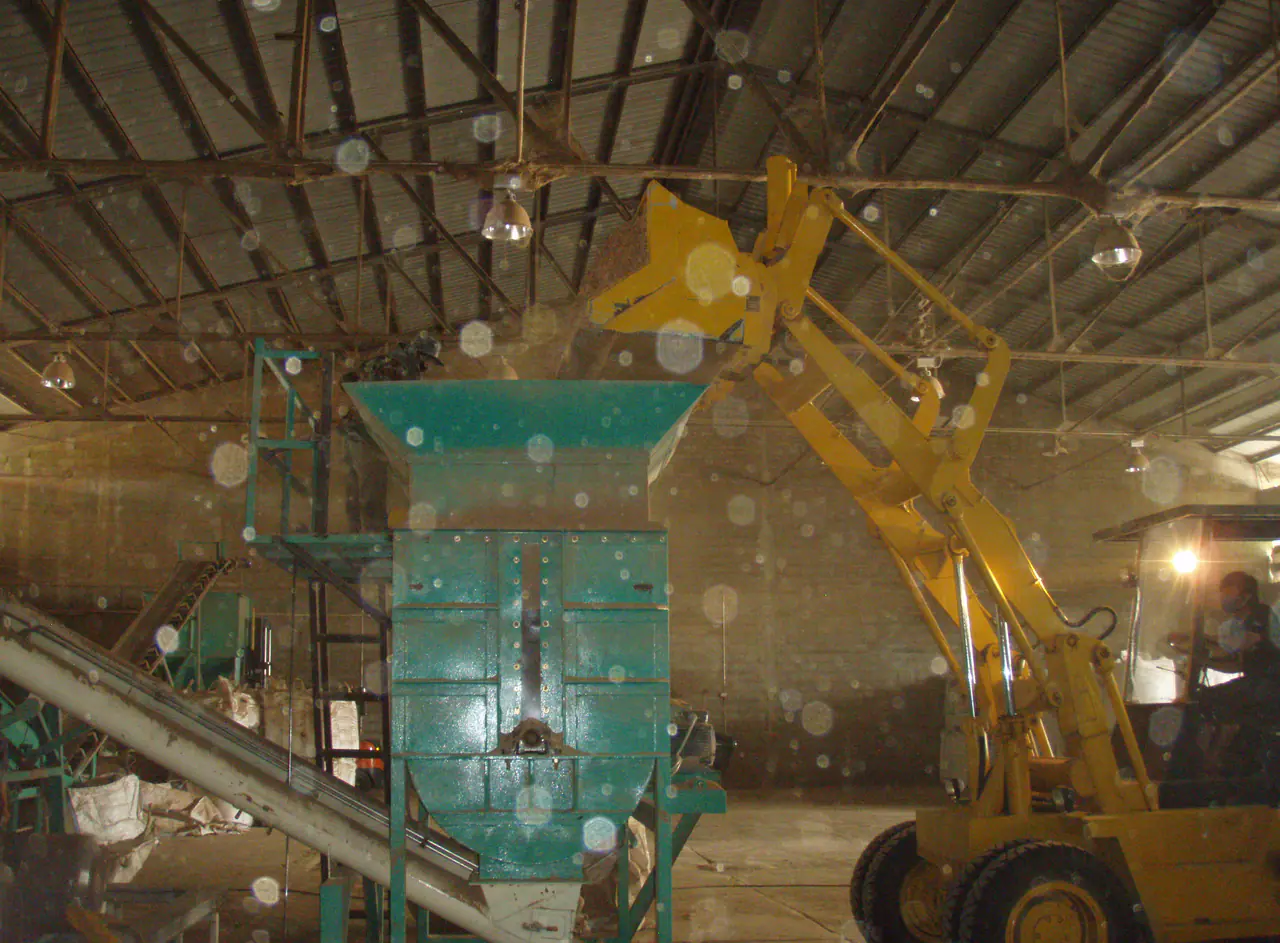
Moisture · ash · chemistry · form
Quality is matched to conversion, storage and handling requirements before hectares are translated into plant capacity.
What reaches the plant
Feedstock forms and operating implications
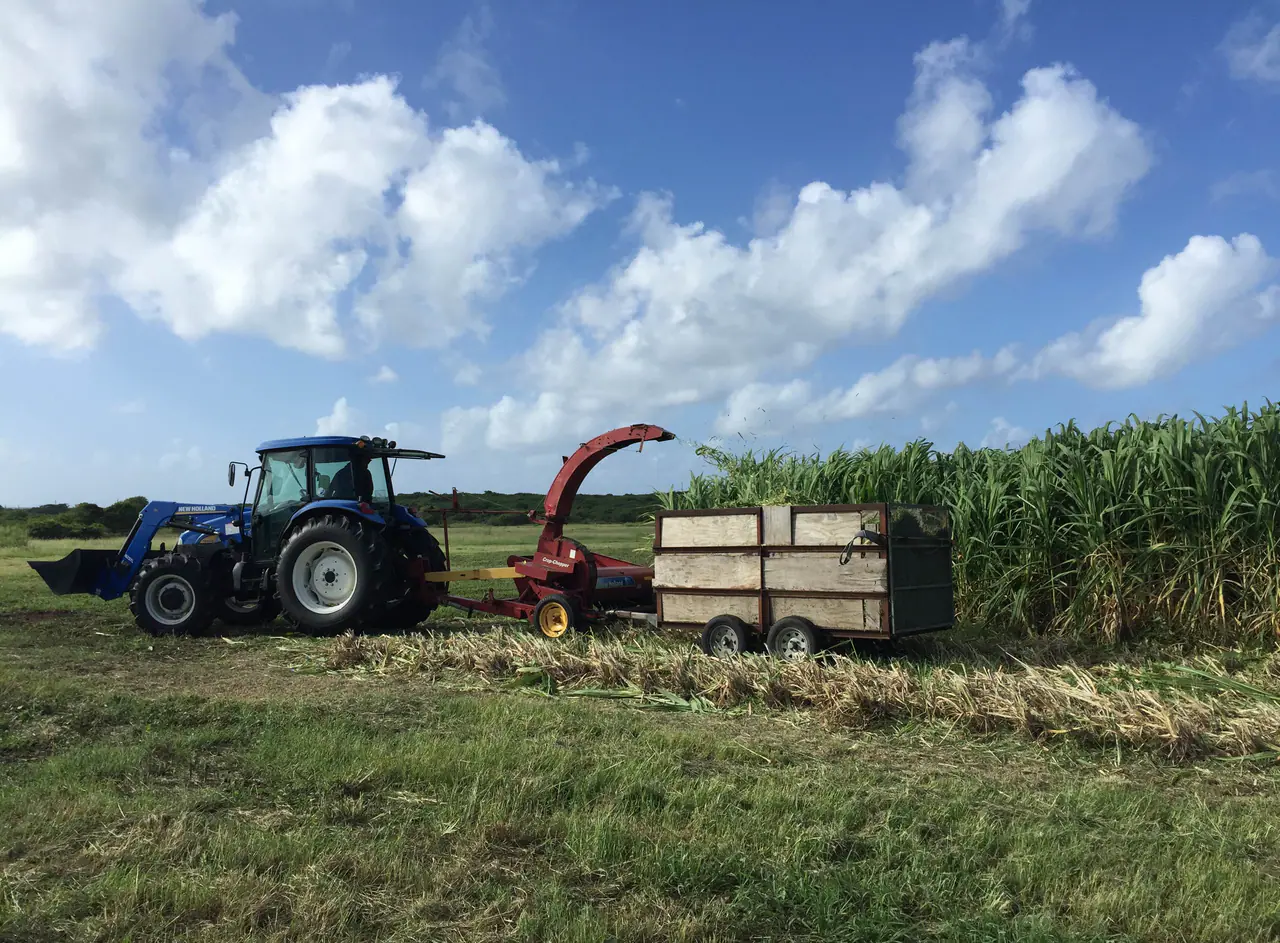
Wet biomass
Fresh chopped crop, whole crop or process stream for rapid delivery, ensiling, biomethane or selected biochemical routes.
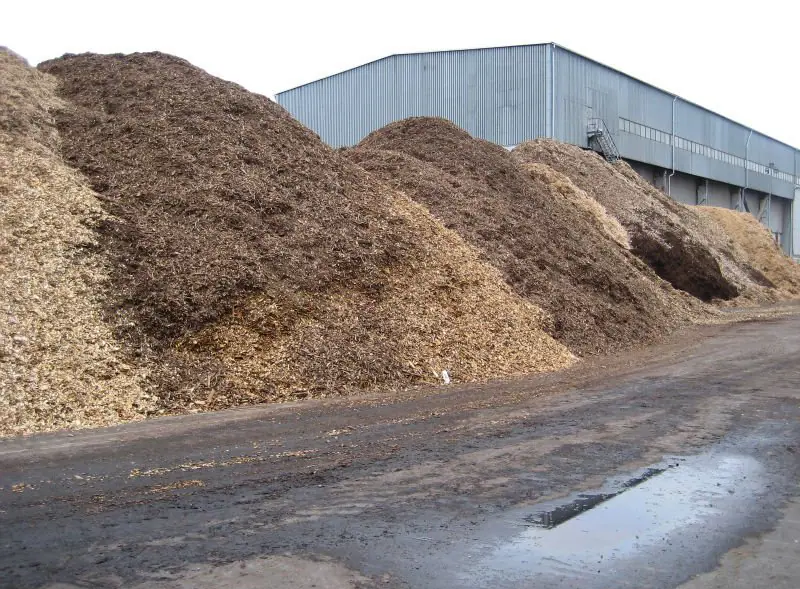
Dry biomass
Field-dried or conditioned material supplied as bales, chopped fibre, chips, billets, bundles, pellets or densified products.
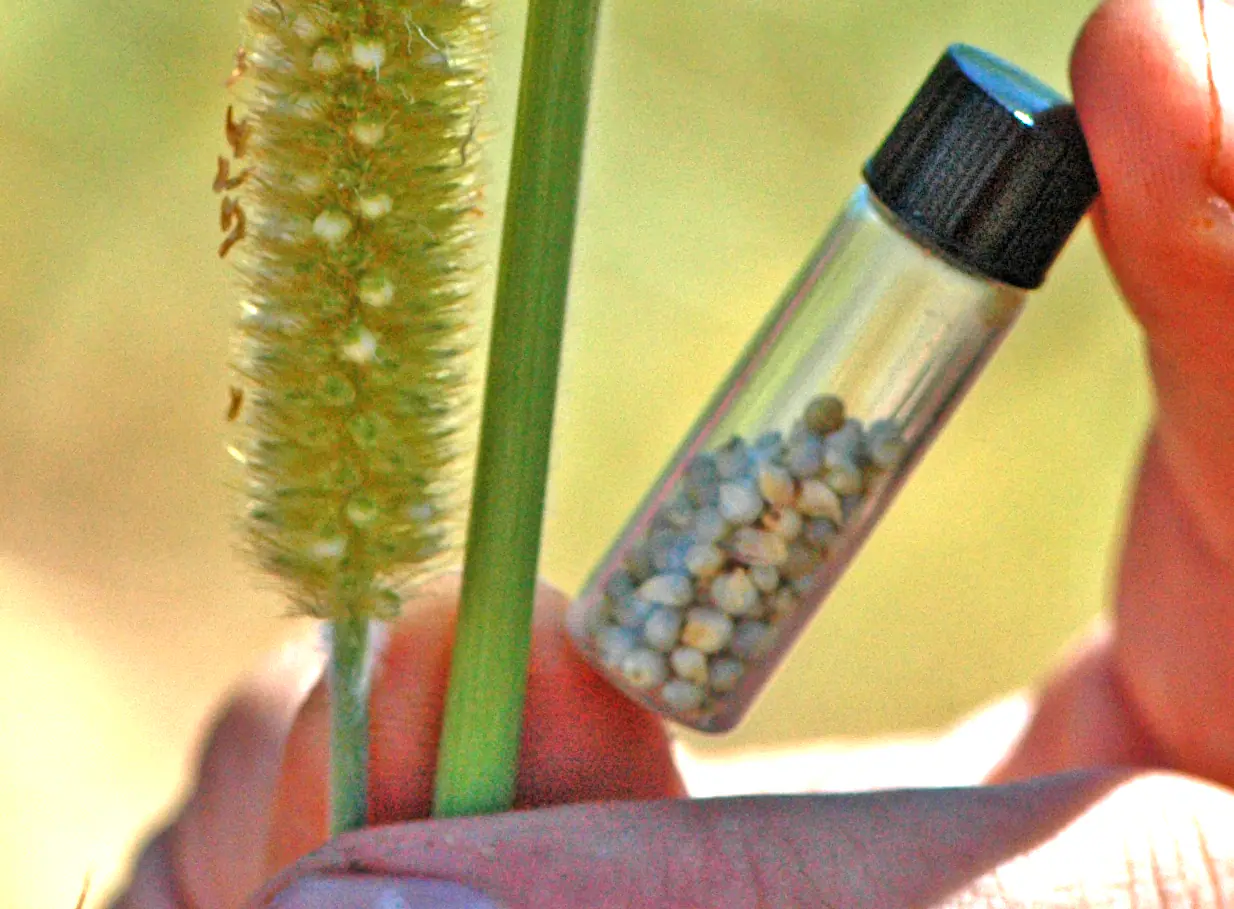
Seeds, oils and sugars
Oilseeds, extracted oils, fermentable sugars and co-products with crop-specific storage, processing and traceability.
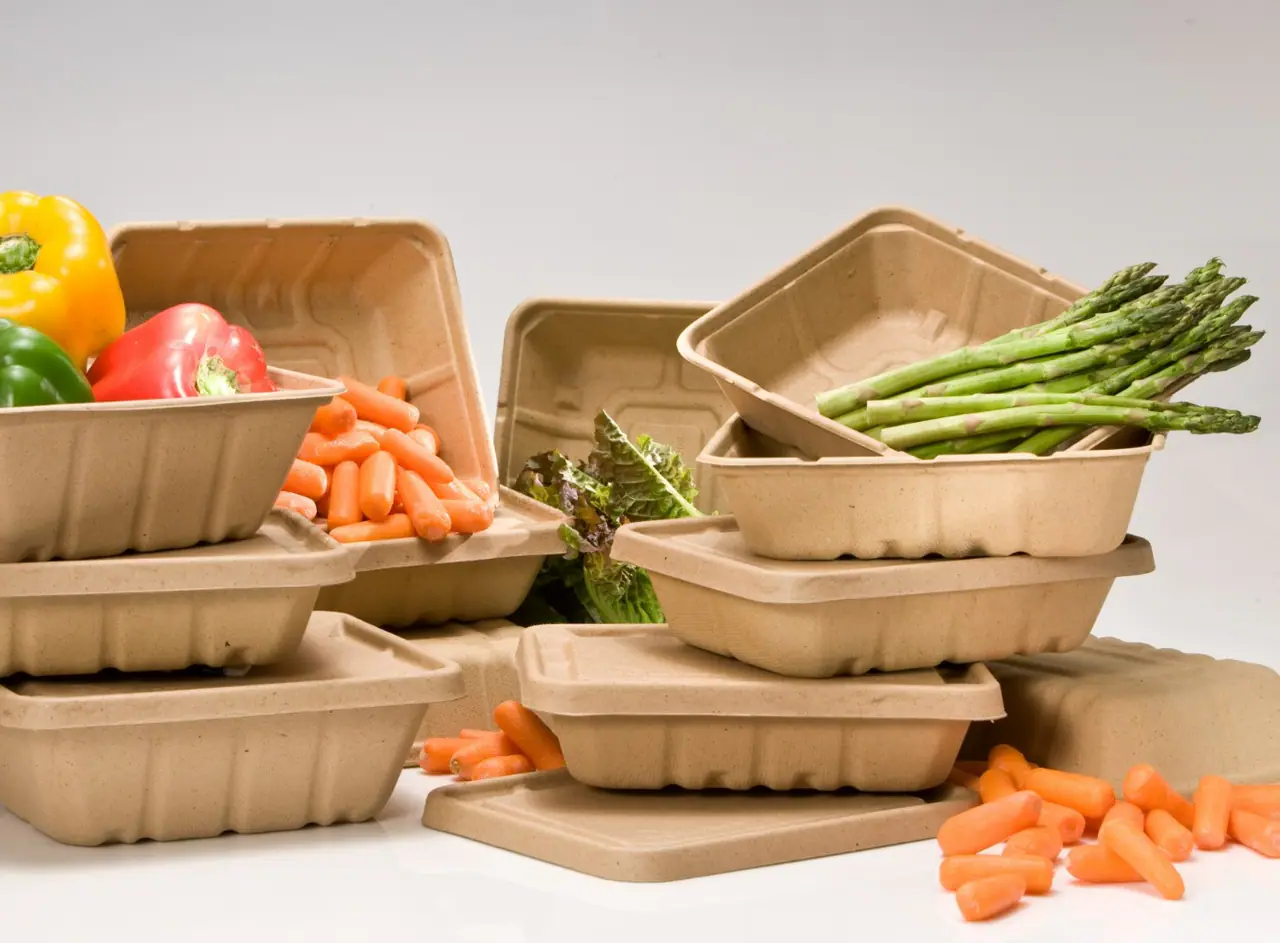
Fibres and biomaterials
Specified lignocellulosic material for pulp, boards, composites, insulation, packaging and other biobased products.
BEC services
What BEC can deliver
The scope is adapted to the project stage: early screening, feasibility, due diligence, pilot development, procurement or implementation support.
Explore BEC services →- Feedstock and crop option screening
- Land, climate, water and land-use assessment
- Yield, quality and seasonality model
- Planting-material and machinery strategy
- Pilot, trial and scale-up plan
- Supply-chain, cost and risk case
Technical evidence
Evidence behind the decision
Crop selection, commercial modelling, implementation planning and due diligence draw on the following evidence.
01Dedicated crops and integrated crops
Dedicated systems are developed primarily for the target industrial market. Integrated models include intermediate crops, cover crops, rotations, agroforestry, dual-purpose crops and recovery of co-products. The right model depends on farmer economics, local agronomy, regulation and the plant's operating window.
02From potential to deliverable supply
A decision-ready supply case distinguishes plot yield from commercial yield and standing resource from recoverable, contractable and deliverable tonnes. Establishment losses, harvest efficiency, storage loss, moisture, road access, supplier behaviour and ramp-up time belong in the financial model.
03Sustainability, soil and compliance
Sustainability is established through project evidence, including current land use, land-use change, lifecycle emissions, water, soils, fertiliser and chemical inputs, biodiversity, farmer competitiveness, livelihoods and traceability. BEC assesses low-input agronomy, soil cover, amendments, carbon-farming practices, digital monitoring and possible displacement effects. The resulting evidence supports project design, due diligence, certification planning and measurable environmental, social and economic performance.
Discuss a project
Build an evidence-based feedstock case
BEC can compare crop and residue options, identify the evidence gaps and design a staged route from screening to implementation.