
SRC, SRF, plantations and agroforestry
Woody biomass crops, SRC/SRF & agroforestry
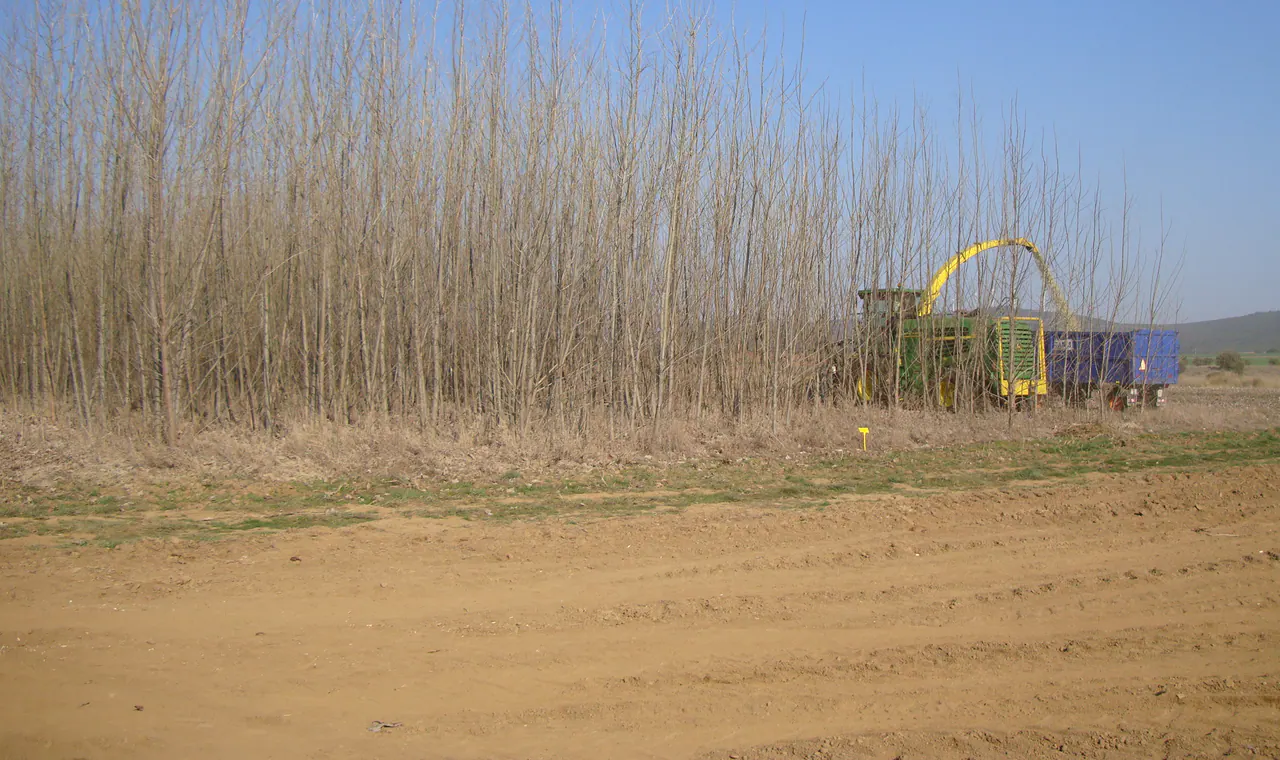
Woody feedstock systems combine species and provenance, nursery capacity, rotation, harvesting, roads, fire and phytosanitary management. Product specifications cover wood chips, billets and fibre, including feedstocks for biochar, biocarbon and multipurpose wood markets. BEC develops short-rotation coppice (SRC), short-rotation forestry (SRF) and other systems around local ecology and industrial specifications.
Commercial context
Design the rotation around land and product
Temperate SRC often uses poplar or willow with coppice harvest cycles. Tropical and subtropical systems can draw on eucalyptus, Corymbia, acacias, leucaena and other locally suitable species. BEC adapts the model to ecology, planting material, regulation, contractors and industrial demand.
Crop and system options
Woody crop, plantation and supply systems
Compare species, planting stock, rotation, harvest form, wood quality and delivered cost.
Acacia plantation systems
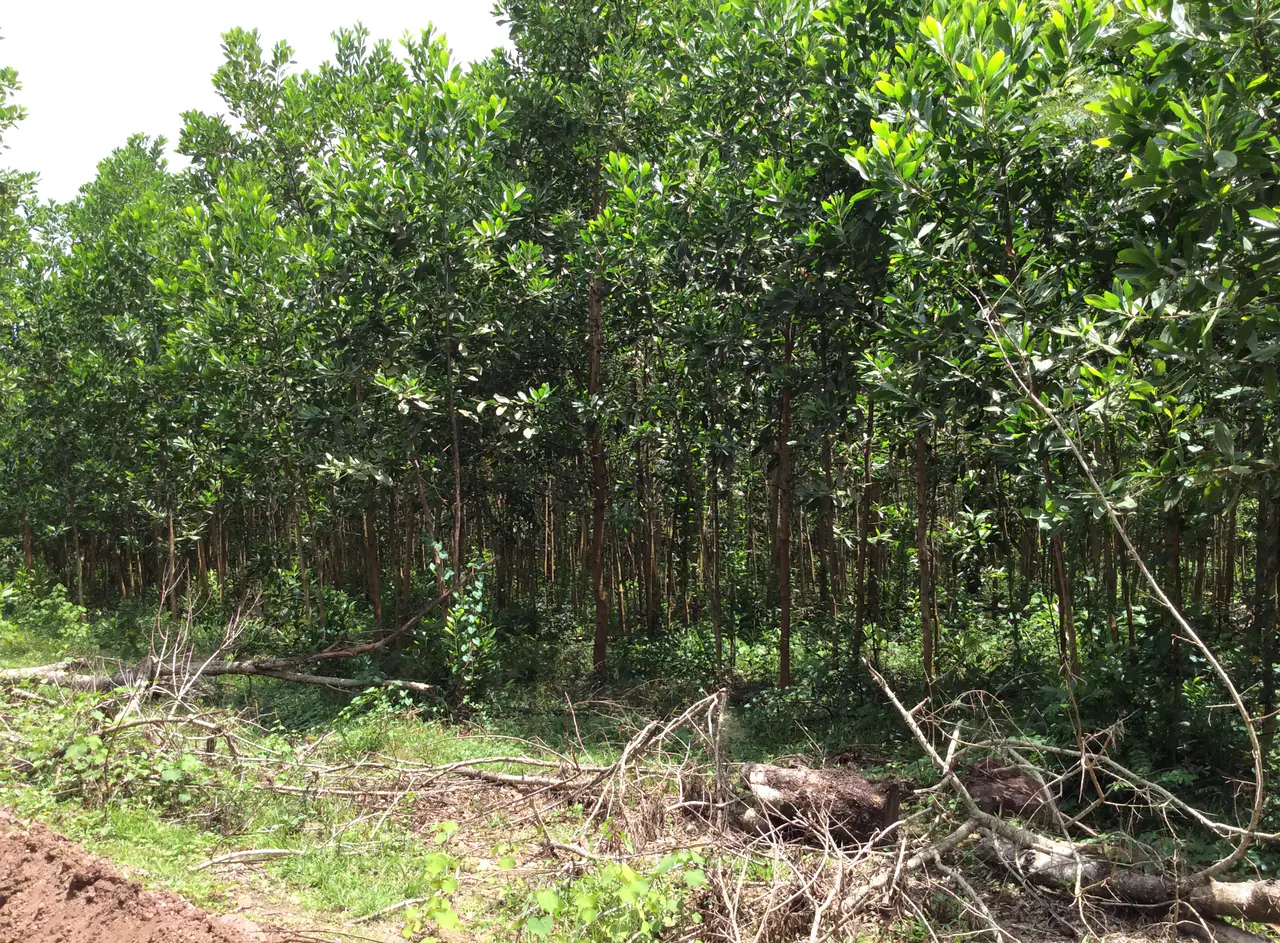
Acacia mangium and locally suitable species
Tropical woody crops assessed through seed source, nursery quality, spacing, rotation, coppice response, fire and chip specification.
Coppice regrowth
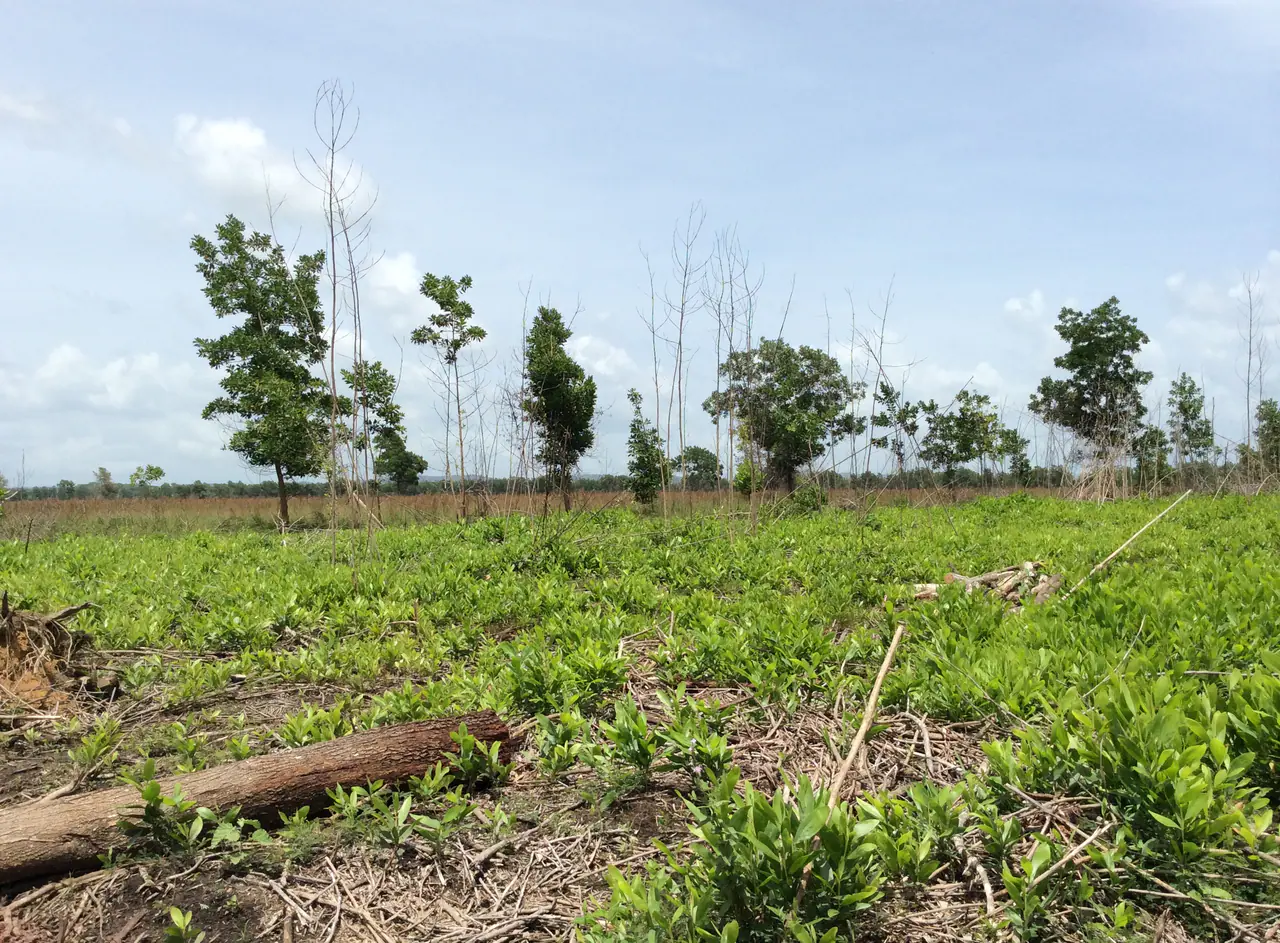
Rotation and stool management
Regrowth performance, stocking, mortality and harvest damage influence the next rotation and long-term yield case.
Poplar SRC
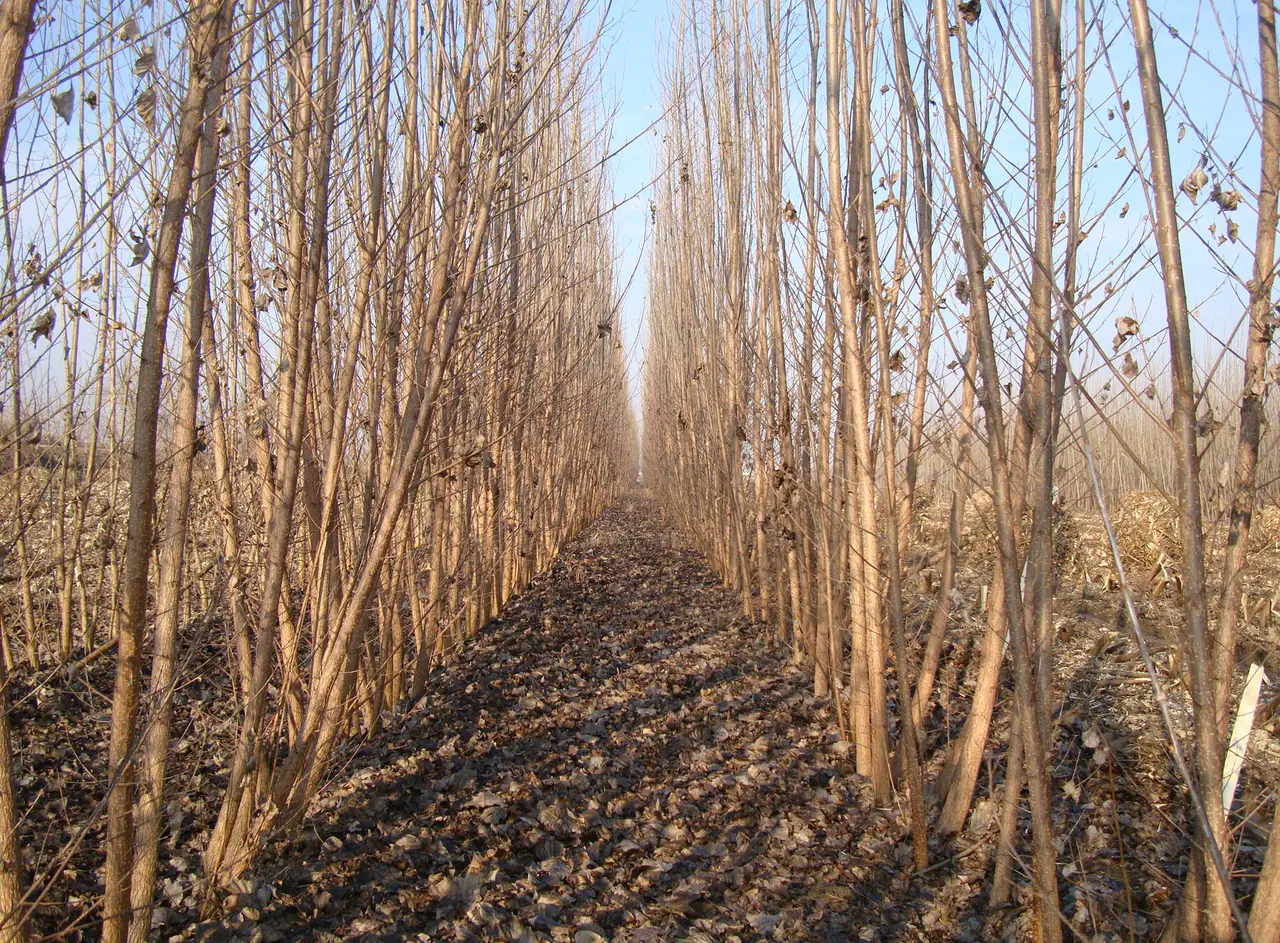
Populus species and hybrids
Temperate short-rotation coppice with genotype, spacing, site quality, harvest cycle and moisture designed for the receiving plant.
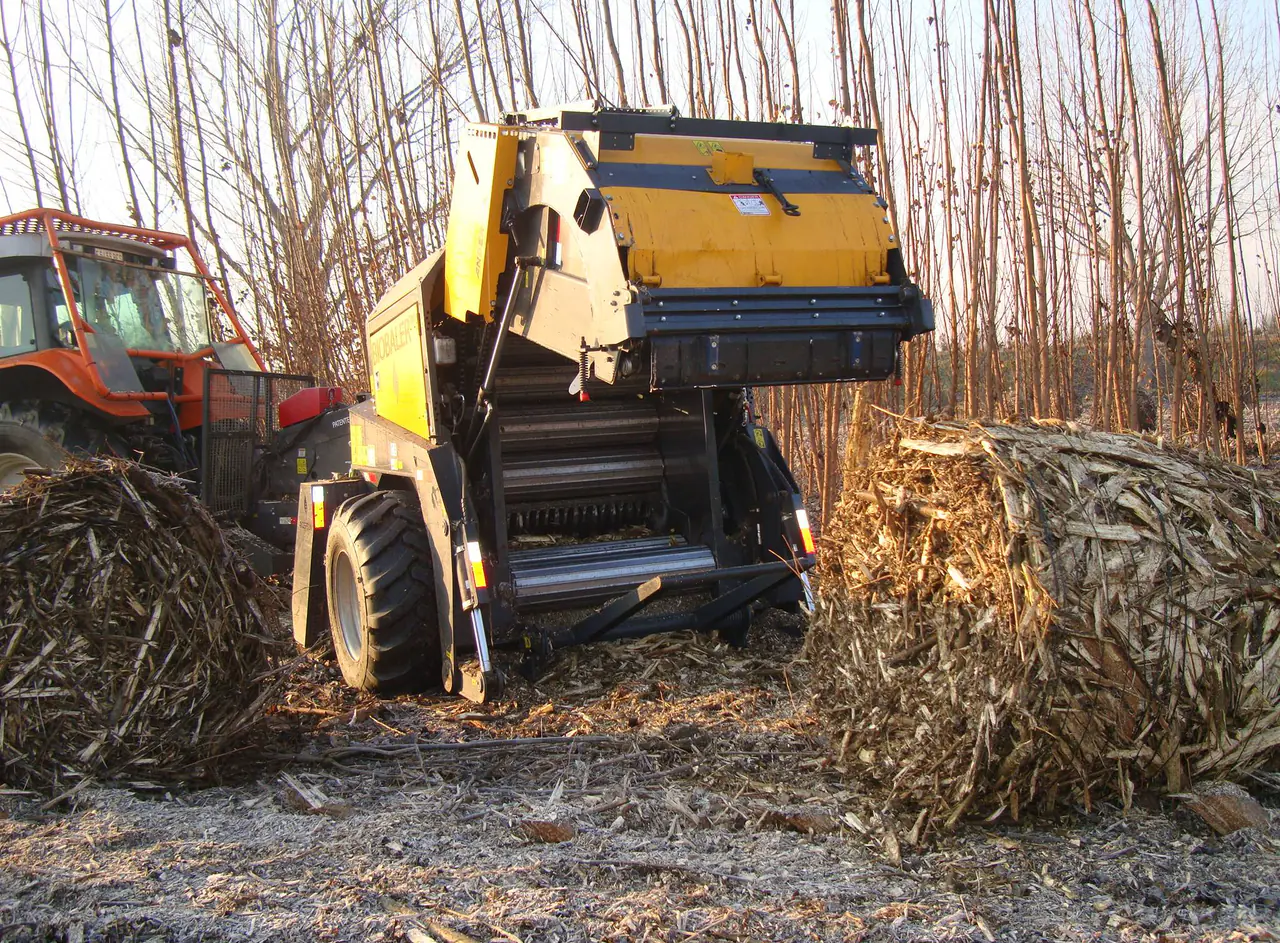
Purpose-built woody harvesting
Direct chip · billets · rods · bundles
Harvest format changes field loss, moisture, contamination, storage behaviour, transport density and plant handling.
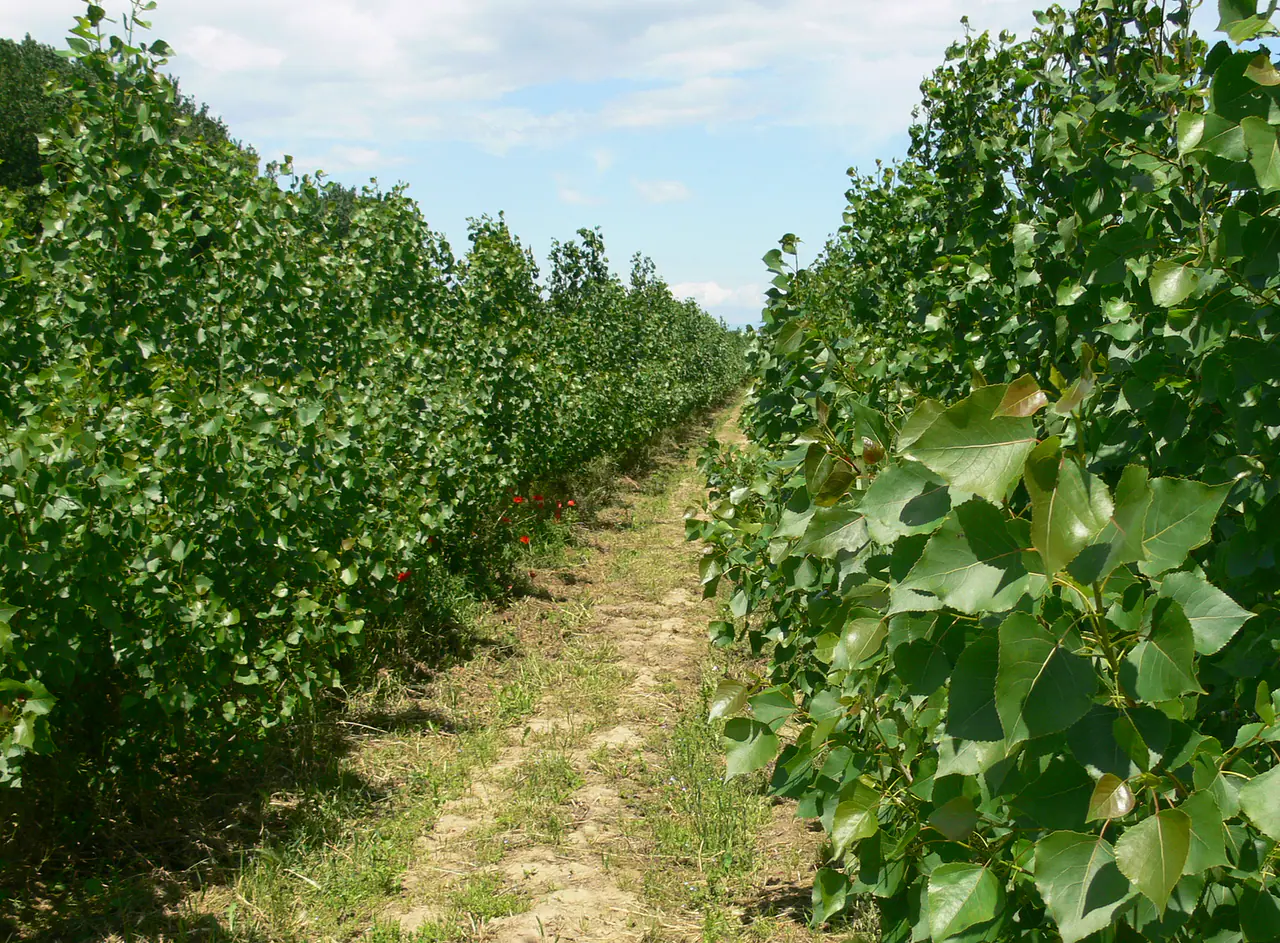
Plantation geometry
Access · headlands · row spacing
Field layout must fit the planting and harvest fleet, slopes, soil protection, roads and fire-management plan.
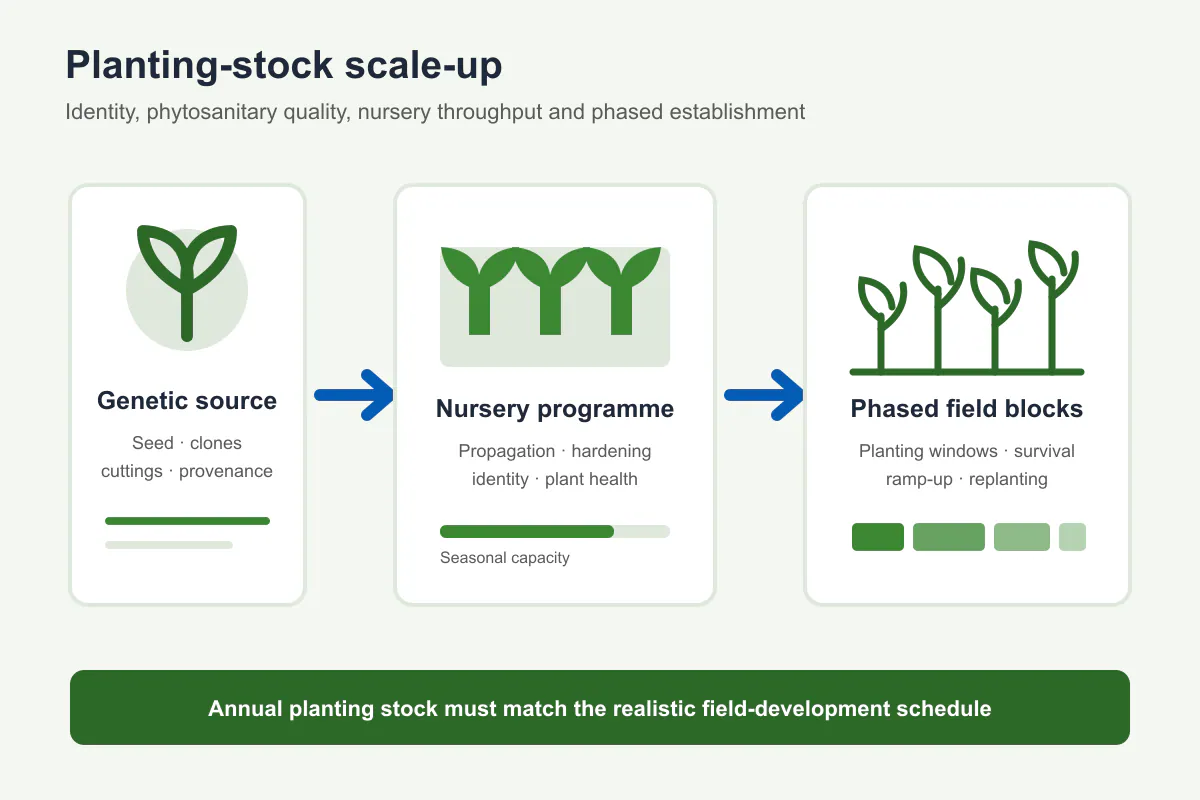
Nurseries and planting-stock scale-up
Genetics · propagation · quality control · dispatch
Nursery throughput, plant quality, losses and field dispatch determine the annual establishment schedule and achievable scale-up rate.
Decision framework
Scale planting stock before scaling hectares
Genetic identity, phytosanitary quality and nursery throughput determine when a woody system can move from a trial to a commercial planting programme.
Nursery and planting-stock scale-up
Seed · cuttings · clones · rooted plants
BEC links provenance and propagation method to nursery capacity, hardening, field survival, planting windows and the annual scale-up schedule.
What reaches the plant
Feedstock forms and operating implications
Wood chips
Chip grades are defined through moisture, particle size, bark, ash, fines, contamination, bulk density and storage behaviour.
Billets, rods and bundles
Alternative harvest forms can support field drying and different transport or comminution strategies.
Multipurpose wood and longer rotations
Systems can combine biomass from thinnings or short rotations with selected longer-rotation stems for higher-value wood markets.
Fibre, biochar and biocarbon
Wood chemistry, ash, contamination and sizing connect the crop to pulping, boards, pyrolysis and industrial carbon products.
BEC services
What BEC can deliver
The scope is adapted to the project stage: early screening, feasibility, due diligence, pilot development, procurement or implementation support.
Explore BEC services →- Species, provenance and site screen
- Nursery and planting-stock programme
- Rotation and commercial yield model
- Planting, harvest and road design
- Fire, pests and phytosanitary risk plan
- Wood quality, storage and delivered cost
Technical evidence
Evidence behind the decision
Crop selection, commercial modelling, implementation planning and due diligence draw on the following evidence.
01SRC and SRF
Short-rotation coppice relies on regrowth from living stools (established rootstocks) after harvest. Short-rotation forestry is replanted after each cycle and may use longer rotations or different product forms. The distinction affects establishment cost, harvest planning, yield continuity and long-term site management.
02Commercial yield and loss
Financial models include unplanted areas, mortality, edge effects, machine access, harvest recovery, moisture, bark fraction, storage loss and road constraints. Trial yields are translated into achievable delivered tonnes over the full rotation.
03Agroforestry and multifunctional systems
Trees may provide energy feedstock alongside shade, shelter, forage, soil protection, water management, crops or restoration. BEC can model biomass cuts, longer-rotation stems and other outputs within the same land-use system, with separate qualities, calendars and markets.
Discuss a project
Build a woody supply system around the site and product
BEC can compare species and rotations, plan planting-stock scale-up and connect field operations to a realistic delivered-wood case.