

Feedstock Resources, Origination & Supply Chains
Biomass Resources, Feedstock Origination and Supply Chain Development
Map the resource, validate commercial availability, identify suppliers and calculate the cost of reliable biomass delivery.
Audience and commercial question
What biomass exists, who controls it, and what can be mobilised?
For industrial users, feedstock buyers, EPC contractors, developers, investors and traders who need to know what biomass exists, where it is, who controls it, what can be mobilised and what it costs at the plant gate.
Questions resolved
The decisions a supply study must answer
Resource assessment
Resource mapping around an industrial demand point
BEC maps agricultural, forestry and agro-industrial resources within defined supply radii or across wider regions. The analysis can combine crop areas and yields, residue coefficients, municipal statistics, land cover, processing sites, road networks, existing uses and field assignments.
Supply radius, transport corridors and supplier clusters are reviewed against project-specific demand and logistics constraints.
Commercial recoverability
From theoretical tonnes to commercially mobilisable supply
Commercial supply depends on soil-protection limits, competing uses, ownership, local practices, seasonal access, machinery, moisture, quality, supplier incentives and contracting capacity. BEC separates theoretical, technically recoverable and commercially mobilisable resource and records the assumptions behind each layer.
Cost modelling
How delivered biomass cost builds as supply radius increases
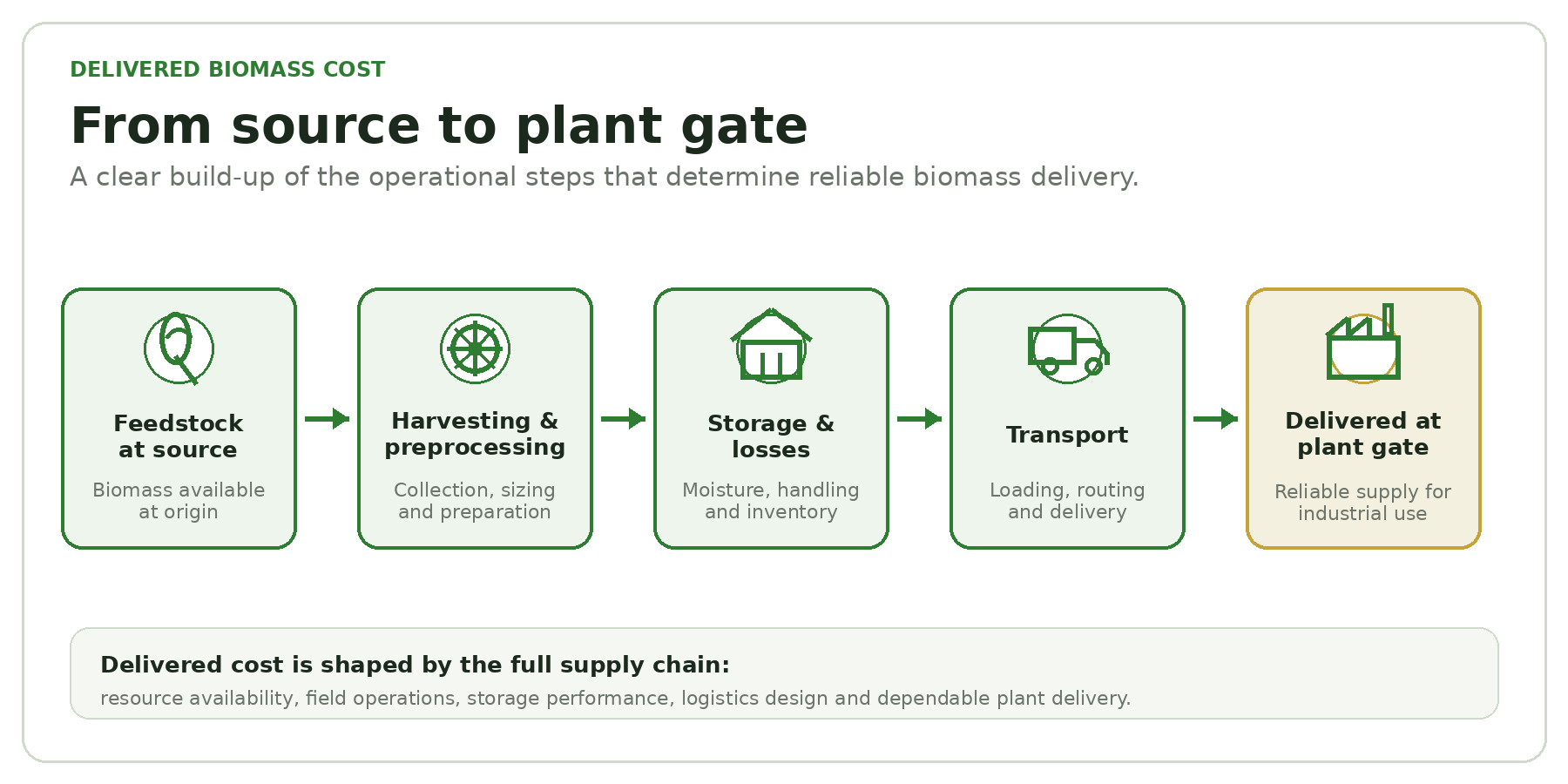
Delivered biomass cost rises as the supply radius expands because handling, storage losses and transport are added to the cost of biomass at source.
Origination and procurement
Build the supplier landscape and ramp-up route
BEC identifies producer groups, agroindustries, aggregators and service providers; supports supplier engagement; defines quality and traceability requirements; and develops procurement, aggregation, storage and contingency strategies for project ramp-up.
Supplier, storage and aggregation planning
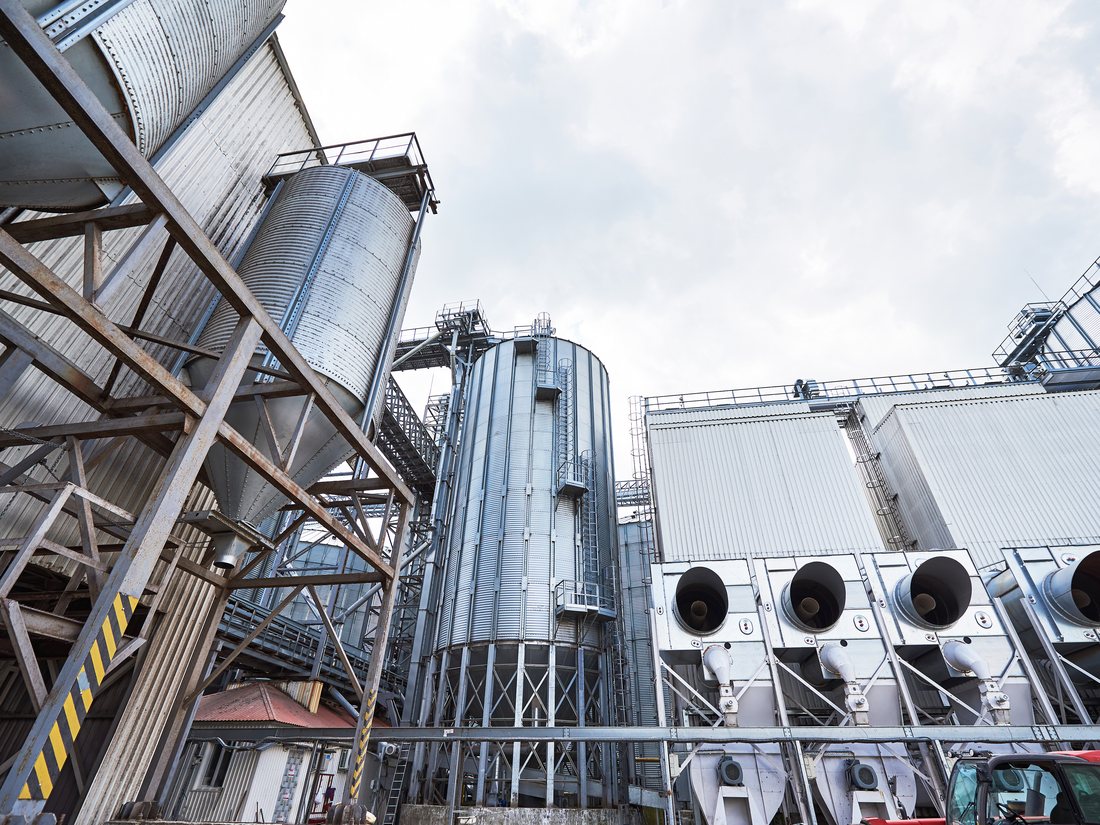
Storage, loading, supplier clusters and service-provider capacity shape whether a supply chain can move from mapped resource to dependable plant delivery.
Logistics and handling
Make operations tangible before procurement begins

Baling and collection
Field collection routes, machine availability and bale handling influence both quality and delivered cost.
Moist substrates and storage
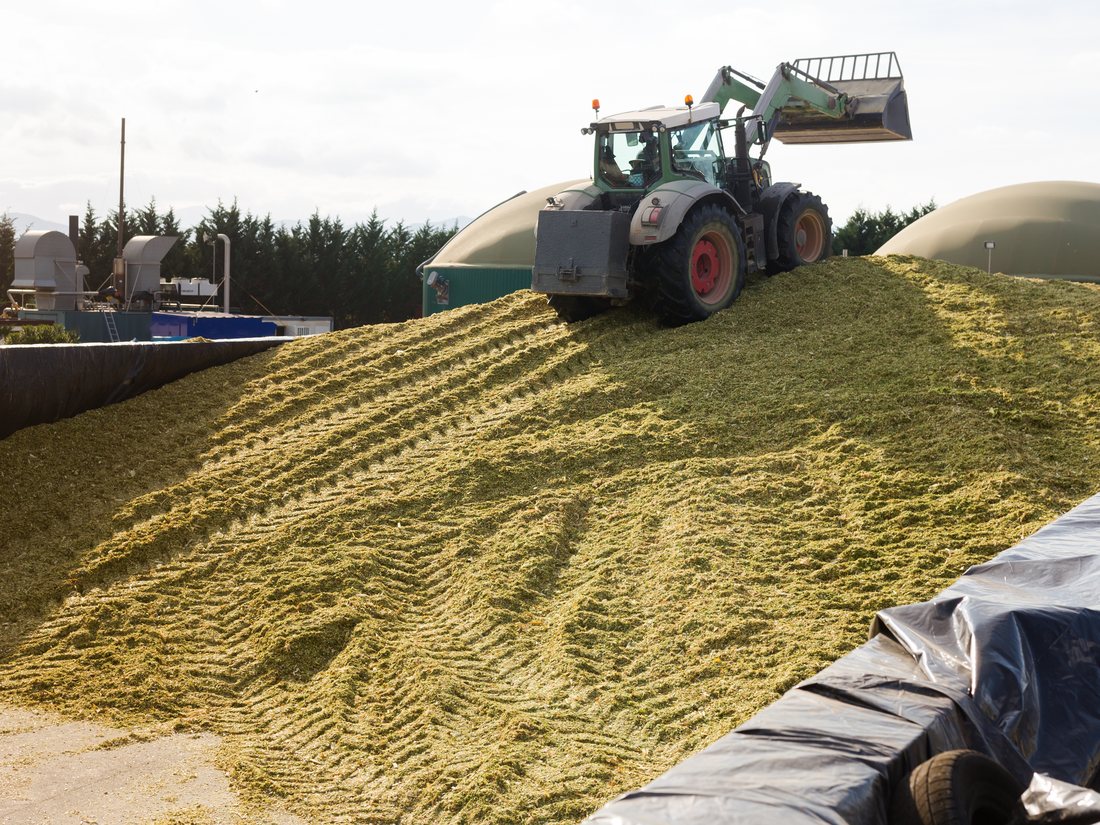
Silage and other wet feedstocks require storage, access, losses and seasonal supply assumptions to be modelled explicitly.

Loading and transport
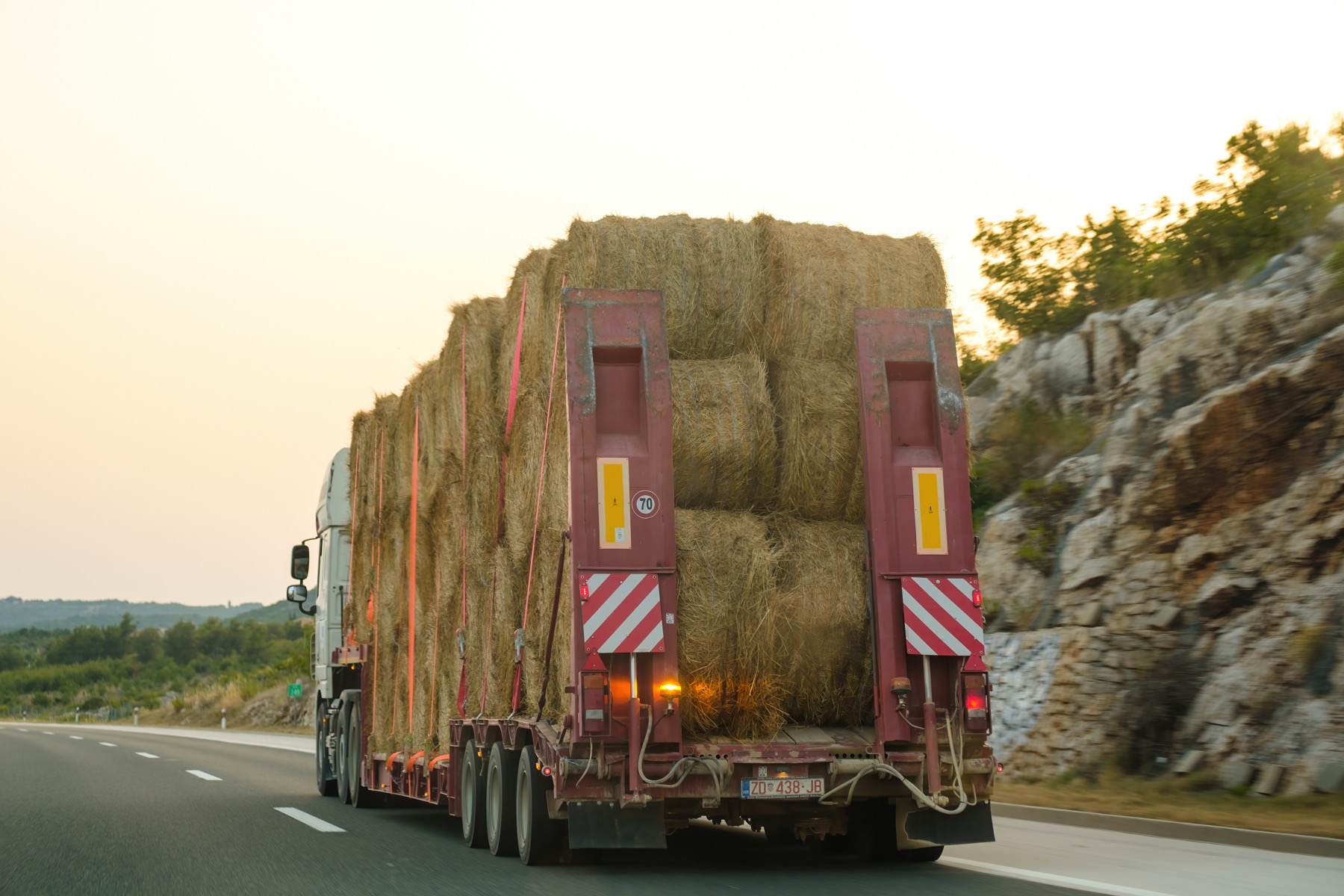
Loading systems, transport windows and contingency capacity turn mapped tonnes into practical supply.
Ways to engage
Small screens, full studies and procurement support
Anonymous case typology
100 km resource assessment for industrial biomass demand
An industrial demand point requires a dependable annual feedstock plan. BEC defines the supply radius, maps resource layers, separates theoretical and commercially mobilisable tonnes, identifies supplier categories, tests logistics assumptions and prepares a cost and risk framework for the next project decision.
- Anonymised resource map and cost bands.
- Supplier and aggregator landscape.
- Procurement, storage and contingency roadmap.