
BEC RADAR INTELLIGENCE
19 October 2026
Wood chemicals, seaweed gas and cashew-shell value
New milestones in Germany, the United Kingdom, Côte d’Ivoire and the United States reveal how different biomass routes reach industrial markets.
UPM opens a wood-based chemicals refinery in Germany
The Leuna inauguration marks a new stage for chemicals made from regional hardwood.
Leuna, Germany
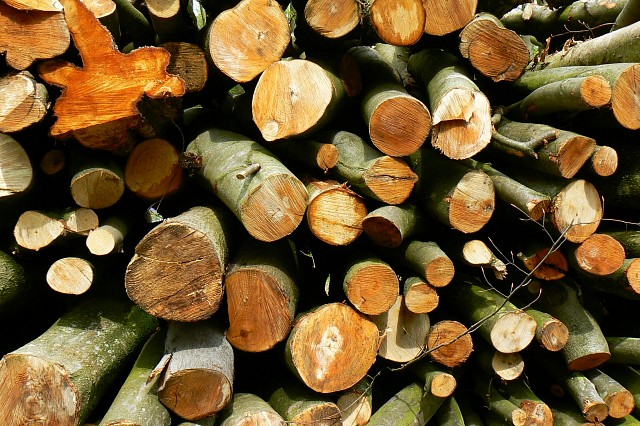
UPM inaugurated its biorefinery at Leuna, in eastern Germany, on 15 October 2026. The Finnish forest-industry group reports stable hydrolysis and lignin-speciality production during commissioning. Its design capacity is 220,000 tonnes of biochemical products a year; this figure describes the intended output of the refinery, while achieved annual production will depend on its operating ramp-up.
Leuna has a long-established chemical industry and an existing network of utilities, logistics and industrial customers. It also hosts Fraunhofer’s Centre for Chemical-Biotechnological Processes, where a separate wood-fractionation pilot entered operation in 2013. That research history helps explain the location’s technical ecosystem. UPM brings its own industrial project to this setting, following its first commercial-product announcement in December 2025.
The process separates wood into useful components. After debarking and chipping, pretreatment and enzymes release sugars from the structural carbohydrates. Some sugars are converted into glycols: ingredients used in products such as packaging, textiles and coolants. Lignin, the material that helps give wood its rigidity, becomes functional fillers for rubber and plastics. Different parts of the same incoming wood therefore serve different product markets.
UPM specifies beech from forest thinnings and sawmill residues within an approximately 200-kilometre supply area. These are streams from managed forests and wood processing. Their availability follows harvesting decisions, sawmill activity and alternative uses. The stated radius describes the intended supply geography; annual wood consumption, contracted volumes and individual suppliers remain separate quantities from the refinery’s product capacity.
The industrial setting also supplies a less visible part of the production chain. InfraLeuna built an anaerobic wastewater pretreatment plant for the organic-rich effluent associated with UPM’s operations. Microorganisms break down the organic material before further treatment in the site’s central system, producing biogas along the way. InfraLeuna reports treatment capacity of 4,000 cubic metres a day.
The inauguration brings these forest, chemical and utility systems into a new operating phase. Recurring product deliveries will show how the individual production lines work together as output increases. UPM’s reported progress establishes a commissioning milestone; the next evidence of scale will come from sustained operation and sales across its product portfolio.
+ Our Analysis
One wood stream, several production rhythms
Leuna’s strength is the combination of a forest-industry operator and an established chemical site. The distinctive coordination problem lies within the refinery: one wood intake supplies sugar, glycol and lignin routes whose operating and sales schedules can develop at different speeds. A stable upstream process can therefore coexist with an uneven draw on downstream products.
This makes the balance between intermediate storage, product demand and wastewater treatment particularly relevant during ramp-up. Wood deliveries that follow this combined operating picture can reduce unnecessary stock accumulation. Published annual product capacity alone provides too little information to calculate the corresponding wood requirement.
Sources
UPM, 15 October 2026 | InfraLeuna, wastewater infrastructure | UPM, process explanation | UPM, products and capacity | Fraunhofer, Leuna pilot history
Zenco secures a gas buyer for its UK seaweed project
SmartestEnergy signs an agreement for a proposed plant using anaerobic digestion.
United Kingdom — project location undisclosed
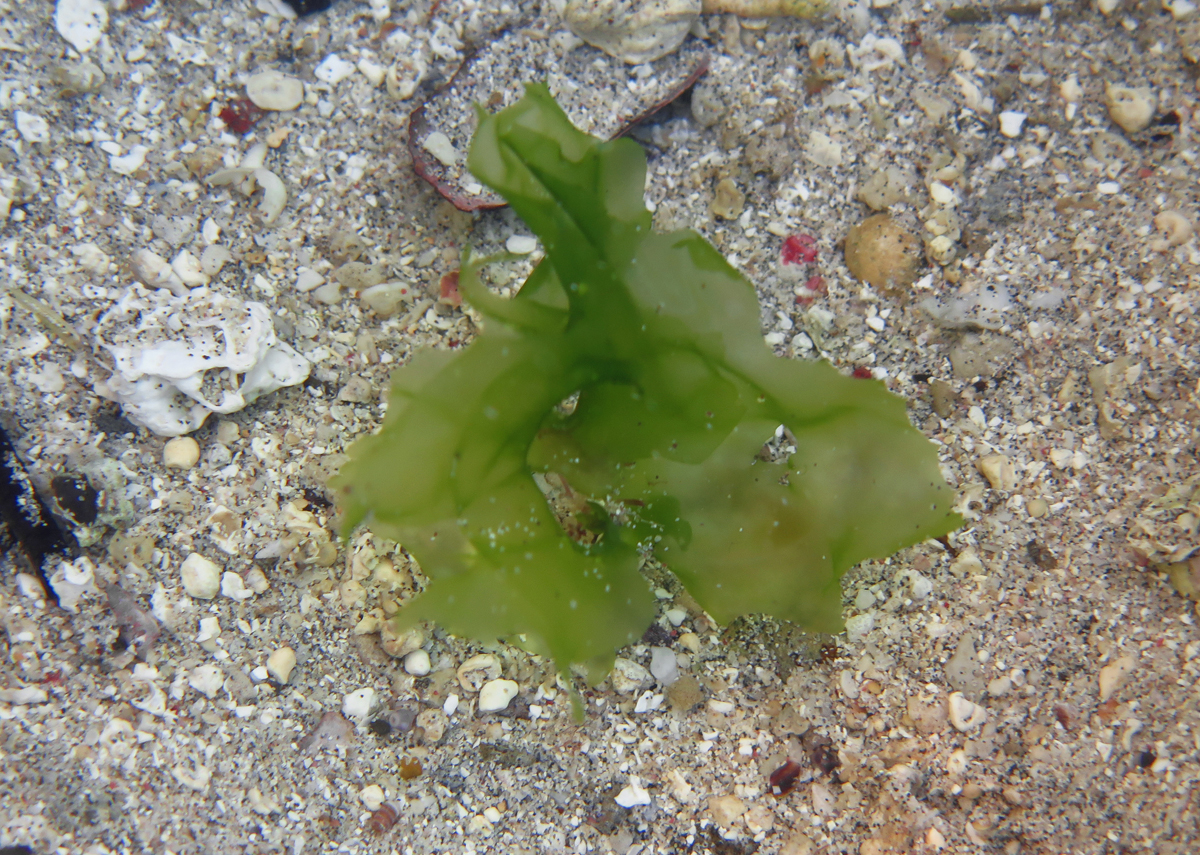
SmartestEnergy announced a long-term biomethane and environmental-products agreement with Zenco on 13 October 2026. The proposed United Kingdom facility targets up to 420 gigawatt-hours of renewable gas annually, with commercial operation planned for 2028. SmartestEnergy will buy the gas and market the associated certificates, providing a commercial outlet while the physical project develops.
Zenco is developing a marine-feedstock platform; SmartestEnergy brings energy trading and market access. The announced first phase produces gas for injection into the network. A later phase would add renewable fuels. The buyer’s announcement specifies anaerobic digestion, a biological process in which microorganisms break down organic material in the absence of oxygen. Gas upgrading then separates methane from other components for network use.
Zenco describes a preparation chain in which cultivated seaweed is harvested, dried, blended with complementary inputs and pelletised. This creates a transportable, storable material for digestion. Its current public descriptions leave the cultivation location, species, blend composition and supply quantities open. Those details determine how a marine harvest becomes a predictable industrial input and which local growing and permitting conditions apply.
Seaweed digestion has a research history that helps explain the practical questions. A University of Greenwich-led review describes how species, seasonal composition, salts and pretreatment can affect methane recovery. It also explains that anaerobic digestion can accept wet biomass. Drying therefore needs its own purpose in the complete supply system, such as longer storage or transport, and an energy balance that includes the preparation stage.
Marine cultivation brings a different territorial context from a field crop. NatureScot’s guidance describes site selection around water movement, depth, access, native species and neighbouring activities. This Scottish experience illustrates the dependencies that a cultivation plan must resolve; the applicable authorities and requirements follow the actual project location. Zenco’s eventual site and permissions will establish that connection for this development.
The next documented steps are the scaling of cultivation and progress towards the planned gas operation. The announcement establishes a buyer and a target, while marine production, feedstock preparation and the digestion plant still need to develop together. Species-specific growing evidence and the final input blend will make the project’s land, water and processing implications clearer.
+ Our Analysis
Drying creates a separate energy decision
Zenco’s pellet route could separate a seasonal marine harvest from the digester’s regular feeding schedule. That is a plausible logistical benefit. Because digestion itself can use wet biomass, the value of drying rests on the storage, transport and process consistency it provides relative to the energy it consumes.
This is a more specific comparison than choosing a crop from its yield alone. Wet local supply, preserved material and dried pellets would need comparable delivery and methane-recovery data. The disclosed information supports this trade-off; it leaves a ranking of species, complementary crops and supply systems open.
Sources
SmartestEnergy, 13 October 2026 | Zenco, current anaerobic-digestion route | Greenwich-led review, 2019 | NatureScot, cultivation context
Valency secures backing for cashew-shell processing in Côte d’Ivoire
A green-bond guarantee supports a programme linking agricultural residues with chemicals and energy.
Côte d’Ivoire
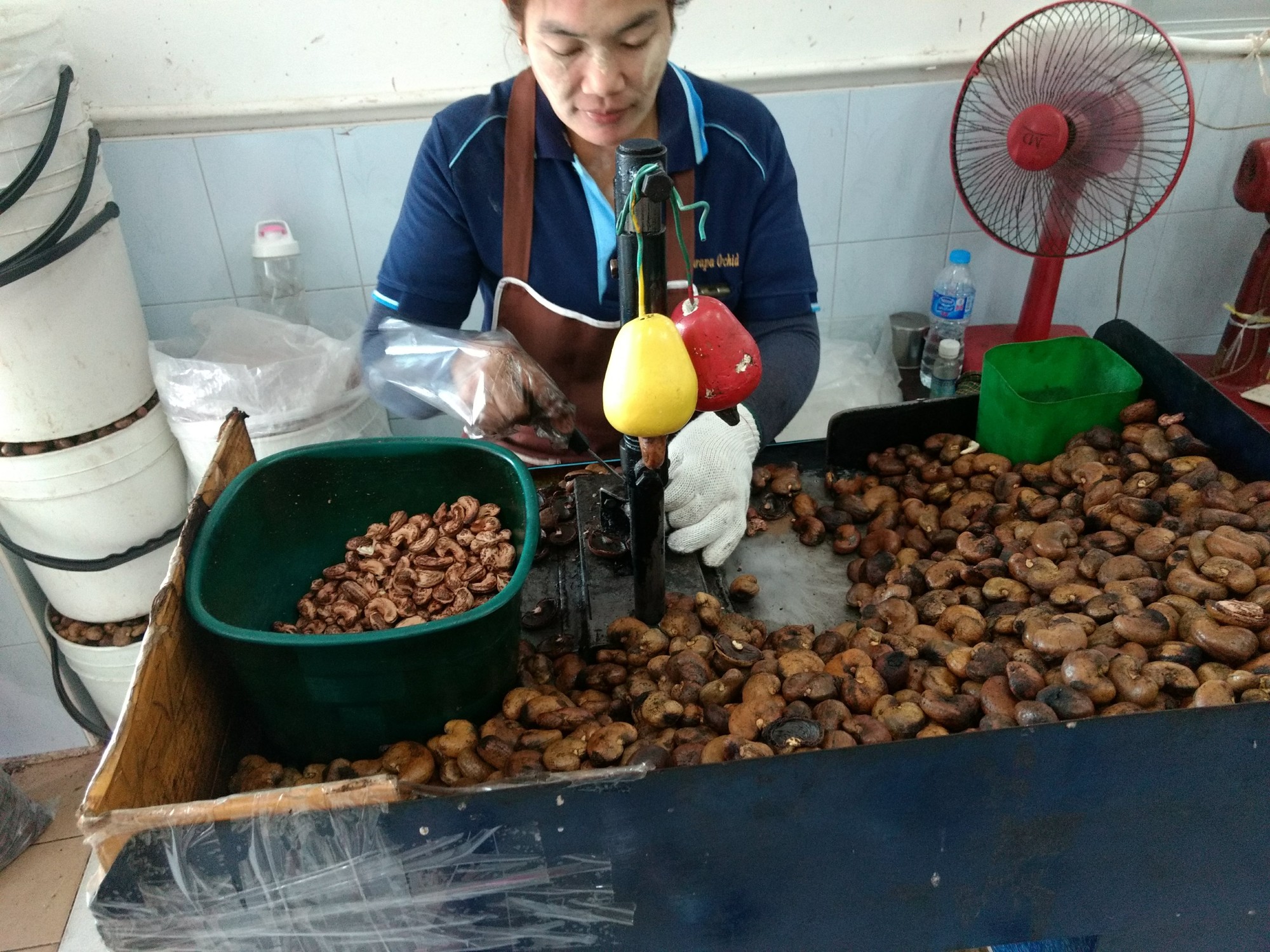
The Green Guarantee Company announced a US$60 million guarantee for a Valency International green bond on 15 October 2026. HSBC arranged the transaction, Blend Finance advised it and Legal & General is the sole investor. The proceeds are intended for an integrated cashew-waste processing park and green warehousing in Côte d’Ivoire.
The investment sits within a national effort to retain more value from the cashew crop. A 2025 World Bank account describes growing domestic processing, agro-industrial zones and improvements in storage, roads and nursery material. Processing nuts locally also concentrates their shells locally, creating a residue stream alongside the kernels sold into food markets.
Cashew shells contain a valuable liquid that can become industrial chemicals and fuel precursors. Their solid fraction can also serve energy and carbon-material routes. Valency’s wider US$150 million programme ultimately targets approximately 90,000 tonnes of shell waste a year, with proposed outputs including shell liquid, cardanol, fuel pellets, biochar and gas for electricity. These figures describe the programme’s intended scale.
The different products draw on a connected material stream. Extracting shell liquid changes the material available for subsequent solid-fuel or carbon production. Storage and handling also affect what reaches each process. A useful view of the proposed park therefore follows the shells through successive operations and accounts for each product and remaining fraction.
The guarantee helps connect an industrial programme with institutional capital. The bond has Climate Bonds certification under its bioenergy criteria, according to the guarantor. This establishes a financing and classification milestone. Construction, commissioning and achieved product sales will determine how the programme translates into an operating residue-processing system.
Côte d’Ivoire’s expansion of domestic nut processing supplies the wider setting for that next phase. The programme’s published aggregate targets leave individual processing-unit capacities, contracts and commissioning dates to be established. Those details will show how shell supply, chemical recovery, energy production and warehousing are sequenced as the investment advances.
+ Our Analysis
Extracting more value changes the remaining fuel
Recovering chemicals from cashew shells can increase the value retained locally. It also changes the quantity and characteristics of the solid material available for pellets, biochar or energy. Each additional product therefore belongs in one connected material and revenue balance.
For this programme, the interesting question is how the processing sequence allocates the same shell stream between products. Evidence on that sequence would help distinguish complementary revenues from competing uses of the material. The announcement gives an investment envelope and intended outputs; operating yields and product allocations remain open.
Sources
Green Guarantee Company, 15 October 2026 | Côte d’Ivoire Ministry of Commerce, 19 June 2026 | EBRD, project 56704, disclosed 2025 | World Bank, cashew value-chain context, 2025
LanzaJet secures financing for US aviation-fuel production
New capital supports the commercial ramp-up of Freedom Pines in Georgia.
Soperton, Georgia, United States
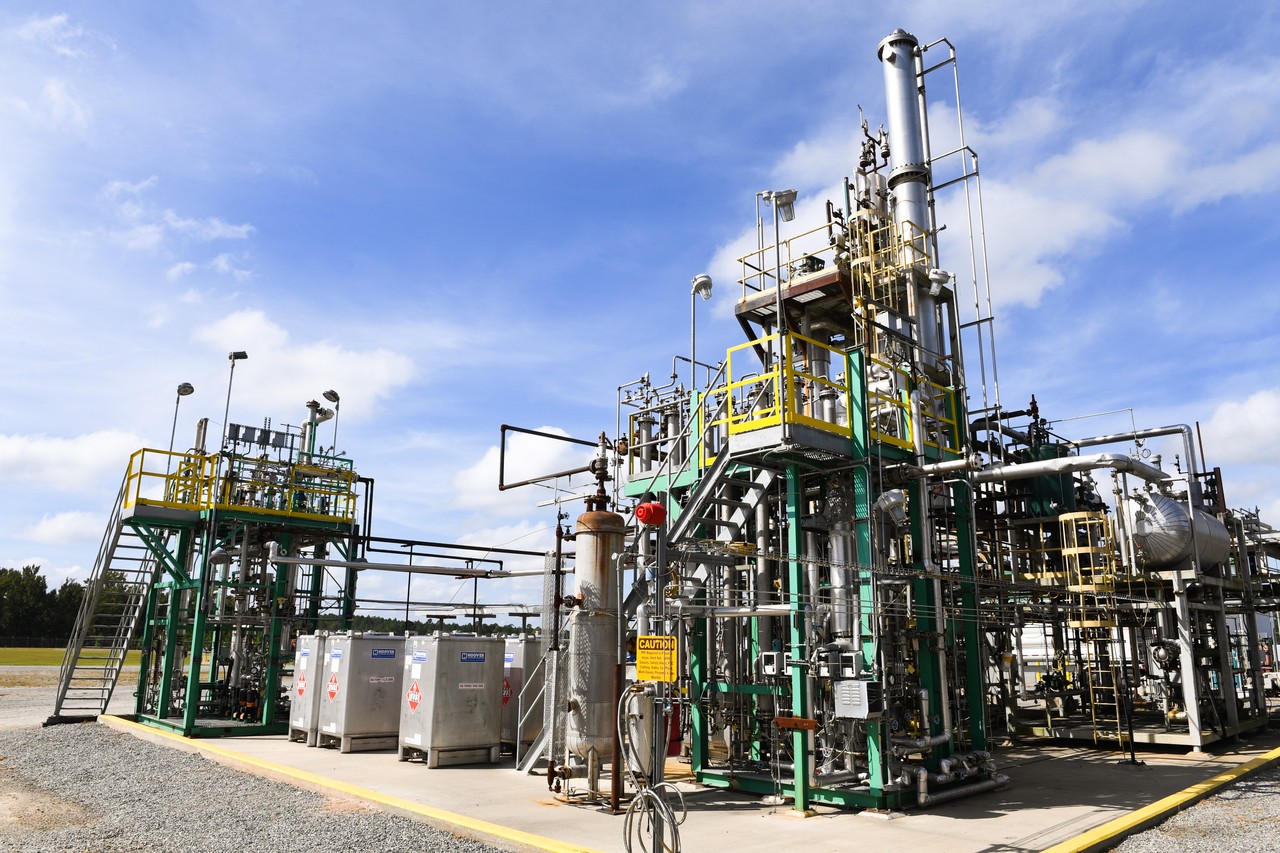
LanzaJet announced new financing on 15 October 2026 to support production at Freedom Pines Fuels in Soperton, Georgia, United States. At least US$20 million had been committed, with a first close on 14 October and a final close expected in December. The company describes the funding as support for its transition into commercial growth.
Freedom Pines opened in January 2024. Its design capacity is 10 million US gallons a year of sustainable aviation fuel and renewable diesel combined. The October announcement reports production meeting fuel specifications. That achievement establishes a product milestone; operating volumes over time will show how quickly the facility approaches its design output.
The plant uses alcohol-to-jet technology. Ethanol is converted into longer hydrocarbon molecules, then processed into fuel fractions suitable for aviation and other uses. The ethanol is an industrial intermediate, so the biomass conversion that produces it occurs upstream. Its origin can include different agricultural or waste-carbon routes, each with its own production, transport and emissions characteristics.
The corporate roles matter here. LanzaJet operates the alcohol-to-jet business, while LanzaTech is a shareholder and a separate technology company associated with converting waste gases into ethanol. The financing announcement says LanzaTech will increase its ownership in LanzaJet. It also names support from Vinod Khosla and board members and identifies Jennifer Holmgren as interim chief executive.
The regional plant connects an ethanol supply chain with a new fuel outlet. Feedstock quality must meet the conversion process, while the finished fuel must meet specifications and the sustainability conditions of its destination market. The US Department of Energy describes the technology’s development with Pacific Northwest National Laboratory and its progression towards commercial scale, placing this week’s financing within a longer development history.
The next announced financing milestone is December’s expected final close. Operationally, repeated production and deliveries will provide a clearer picture of the plant’s purchasing needs and market contribution. The October disclosure supplies evidence of fresh capital and product progress; the pace of sustained production remains the next substantive measure.
+ Our Analysis
Ethanol purchasing follows the operating ramp
Freedom Pines gives ethanol suppliers a potentially valuable additional market, but the timing of that demand follows the plant’s operating ramp. The financing event is particularly relevant because it sits between demonstrated product quality and a recurring production cycle.
For upstream producers, dependable purchase schedules matter alongside annual capacity. A gradual ramp can favour flexible supply arrangements before larger commitments become useful. LanzaTech’s increased ownership may influence commercial coordination, while the actual ethanol contracts and their origins remain the evidence needed to establish that effect.
Sources
LanzaJet, 15 October 2026 | US Department of Energy, January 2024 opening | LanzaTech, financing and ownership
BEC Perspective
The week connects three different ways of obtaining value from biomass: separating wood into chemicals, converting a prepared marine crop into gas, and recovering several products from cashew shells. Each route changes the relationship between the original resource and its end use. Understanding that relationship makes the announcements more informative than their headline capacities alone.
Persistent Developments
Europe’s 2026 oilseed trials: fitting a crop into a rotation
CARINA’s 2026 demonstrations examine camelina and carinata in cropping systems across Europe and North Africa. The useful question is how each crop fits the season and the following crop. Establishment timing, harvest date, soil water and machinery availability can change the return of the whole rotation. A short winter growing window and a longer crop cycle offer different possibilities even when both produce industrial oilseeds. Results from one site therefore need their soil, weather and crop-sequence context before they support a recommendation elsewhere. The programme provides a basis for comparing locally workable systems; comparable site results and credible purchase conditions remain the next evidence needed for wider planting. Its current value is agronomic context for future supply decisions.
United States, 2026: land allocation in grass-to-gas models
A 2026 United States study by Valderrama and colleagues models grass-to-gas options within a dairy-farm system. Its broader relevance is the connection between energy-crop allocation and the farm’s existing feed needs. Land assigned to one use changes what remains for another, while manure, storage and transport influence the energy system. A perennial crop may have useful production characteristics and still displace a valuable farm activity. Comparing systems therefore requires the value of that displaced production, establishment time and harvest schedule alongside gas revenue. The paper’s results remain conditional on its modelled setting. Its next useful application is a locally specified comparison using actual farm inputs, with scenario assumptions retained explicitly when translating the study to another region.
Outlook
Sustained output at Leuna and Freedom Pines will show how commissioning progress becomes recurring supply. Valency’s implementation details will clarify the sequence of its residue-processing investment. For Zenco, disclosed cultivation and preparation arrangements will make the proposed gas target easier to interpret. These milestones concern different stages of development and will be followed on their own terms.
Follow the next developments
Subscribe to BEC’s Radar on LinkedIn for the next edition, or explore the preceding review.
Subscribe on LinkedIn · Read the 12 October edition
For project-specific work, explore BEC’s services or contact Bioenergy Crops.
Image credits
- Cover photograph: Peter Gercke / Staatskanzlei und Ministerium für Kultur Sachsen-Anhalt; CC BY-SA 4.0. Cropped within the official BEC composition; adapted photograph retains CC BY-SA 4.0. Image source · Licence
- Brian Robert Marshall; CC BY-SA 2.0. Photograph shown in native proportions. Image source · Licence
- Philippe Bourjon; CC BY-SA 4.0. Photograph shown in native proportions. Image source · Licence
- Lauren Hudgins; CC BY 4.0. Photograph shown in native proportions. Image source · Licence
- British Airways; British Airways media centre: free editorial media use; other commercial uses excluded. Photograph shown in native proportions. Image source


