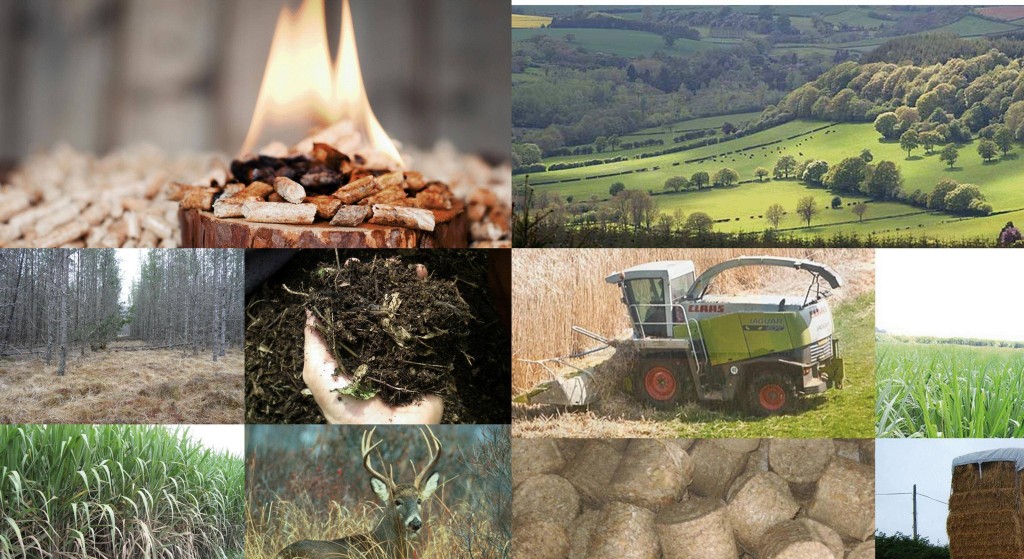
5 reasons to cultivate renewable biomass
Cultivating renewable biomass can support energy security, land restoration, farmer income, biodiversity and resilient local value chains when projects are well designed.
MORE INFO »
Cultivating renewable biomass can support energy security, land restoration, farmer income, biodiversity and resilient local value chains when projects are well designed.
MORE INFO »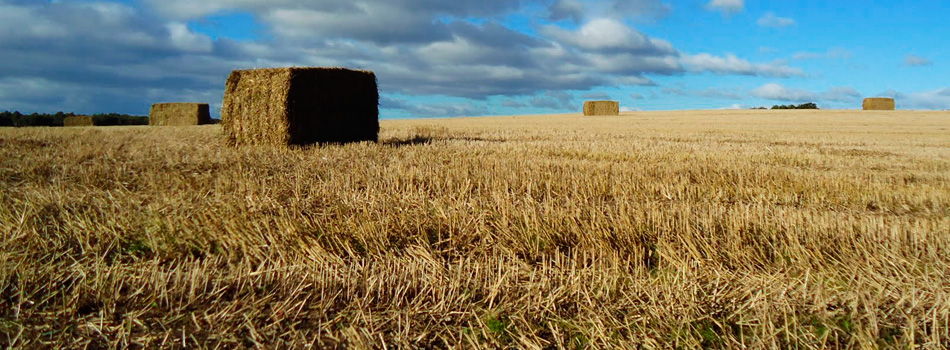
Marginal lands can host alternative energy crops where species selection, water limits, soil quality, yield expectations and biomass logistics are assessed realistically.
MORE INFO »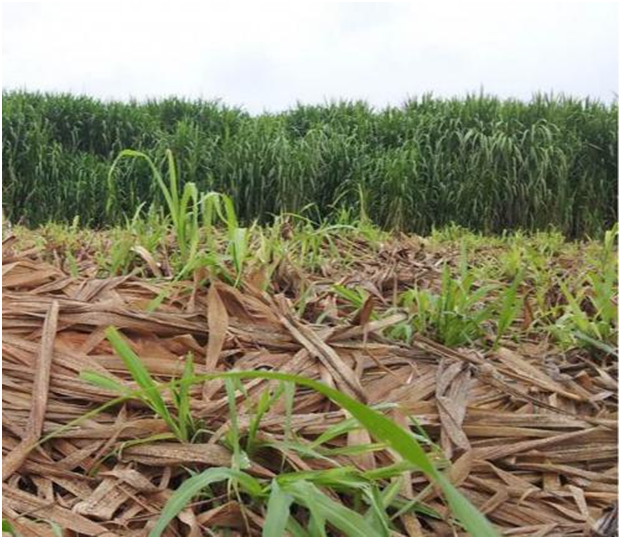
Bioenergy crops have already met many expectations in systems where land use, productivity, soil benefits, biodiversity and long-term biomass demand are aligned.
MORE INFO »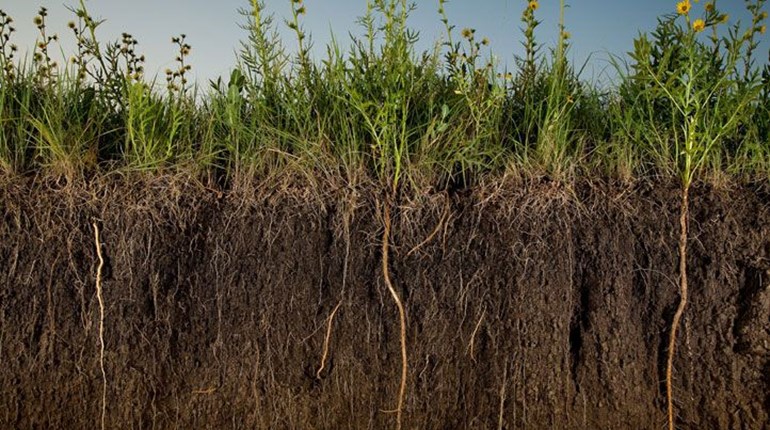
Regenerative agriculture can strengthen bioenergy projects when biomass production, soil health, biodiversity, carbon outcomes and farm economics are planned together.
MORE INFO »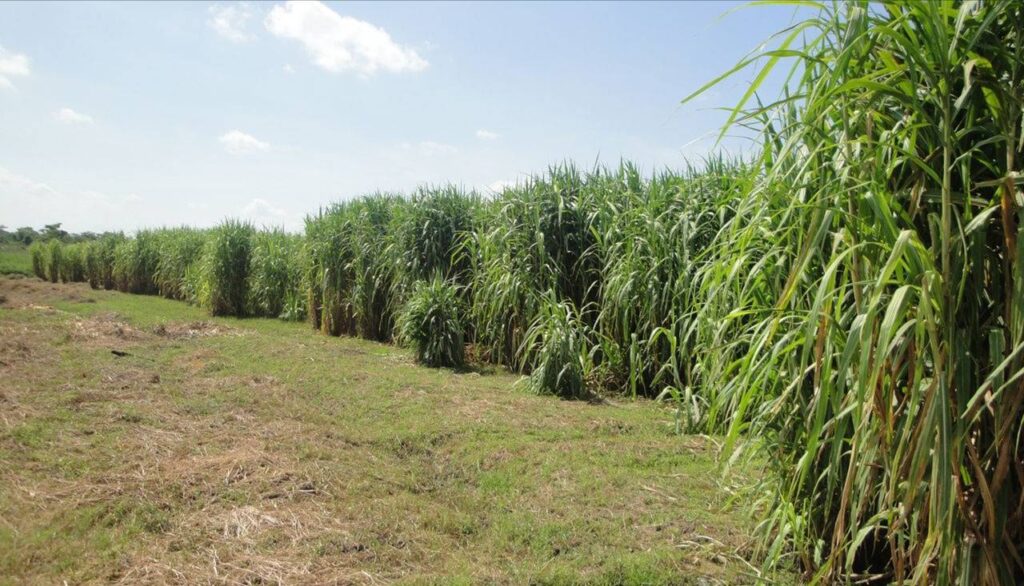
Improving Napiergrass harvest logistics can reduce field losses, transport costs, moisture risk and delivery delays in biomass supply chains.
MORE INFO »
Receive new analysis on sustainable feedstocks, biomass supply chains, SAF, bioenergy and carbon markets.