
BEC RADAR INTELLIGENCE
Plantation supply, agricultural gas, aviation fuels and durable carbon
Developments from 26 October to 8 November 2026
Seven developments connect biological resources with new industrial commitments. This edition examines what changes for growers, operators and buyers when plants open, ownership consolidates, transport improves and new products seek a reliable supply base.
Ayébo, Côte d’Ivoire · 5 November 2026
Côte d’Ivoire inaugurates BIOVEA’s 46 MW biomass plant
Existing oil-palm plantations now face the task of supplying an industrial electricity schedule.
BIOVEA was inaugurated on 5 November at Ayébo, in the Sud-Comoé region of Côte d’Ivoire. The energy ministry describes a 46 megawatt plant designed to generate 336 gigawatt-hours annually from palm residues. Those are design expectations; the first year’s measured generation and fuel consumption will establish its operating performance.
The project connects the electricity system with an established plantation economy. PALMCI, part of the SIFCA group, and neighbouring growers form the resource base. Proparco’s original financing description envisaged 450,000 tonnes of material a year, with 30% coming from PALMCI plantations and 70% from smaller growers. That historical procurement design provides useful context for the opening; the current contracted shares and delivered moisture remain to be established.
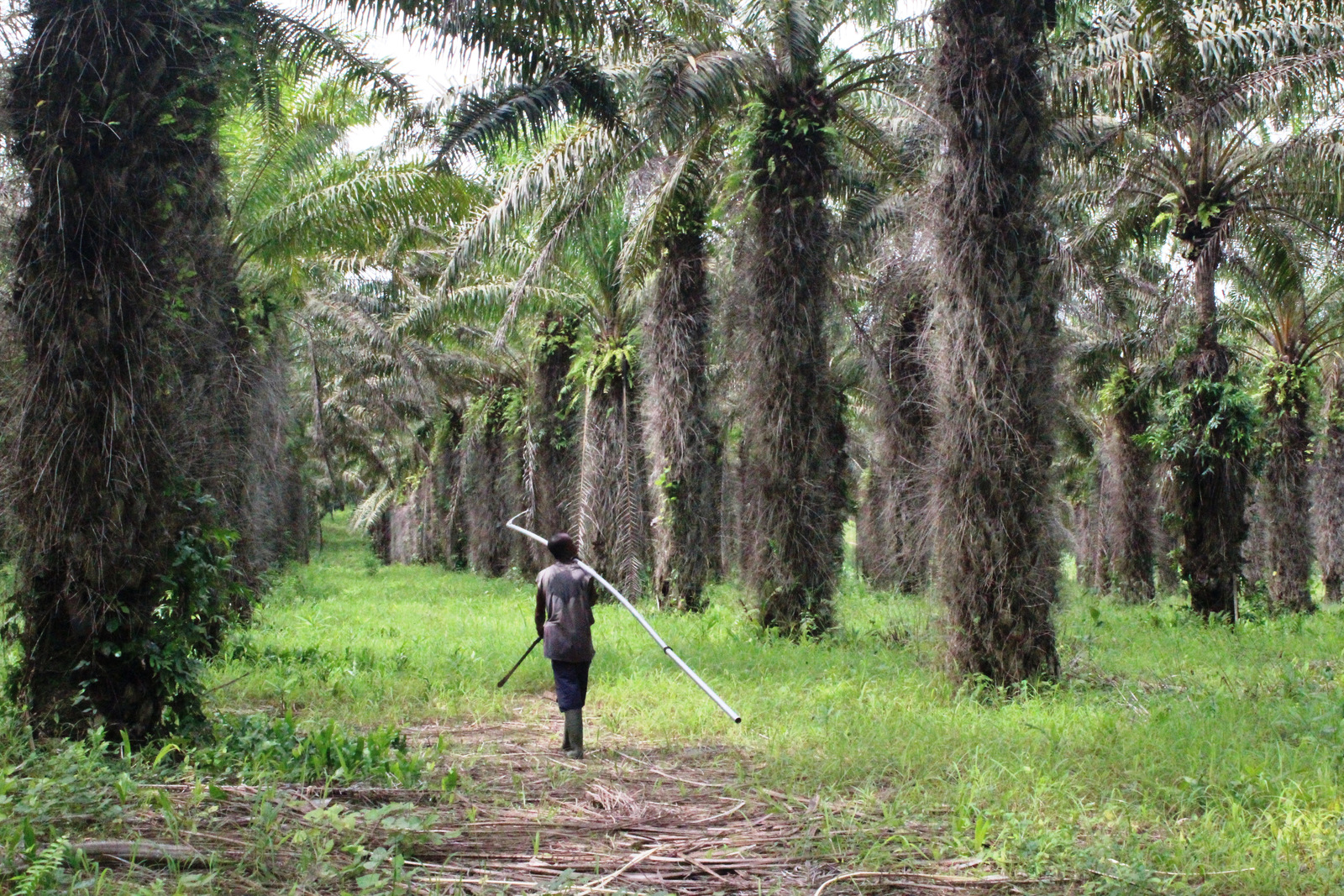
The ministry identifies approximately 12,000 growers within the anticipated supply-chain benefits and more than 1,000 direct and indirect lasting jobs. These figures describe expected reach and employment, with the direct–indirect distinction especially important. The inauguration therefore introduces an operational test of a supply model that extends well beyond the power-station fence.
Residues have characteristics shaped by their origin. Material collected in a plantation involves field access, collection labour and decisions about what remains on the soil. Mill residues arise at a concentrated processing site and can have existing energy or material uses. A dependable fuel plan needs those streams identified separately, together with their moisture, storage behaviour and seasonal availability.
BIOVEA’s development history also matters. The concession dates from 2019, financing was announced in 2021, and the foundation ceremony took place in 2023. EDF, Meridiam and SIFCA bring power-development, infrastructure and agricultural experience respectively. The next evidence will come from dispatch, delivered-fuel quality and the continuity of collection through different weather conditions.
The inauguration statement also mentions prospective biomass projects at Divo and Boundiali, linked respectively to cocoa residues and cotton stalks. Their announced status warrants follow-up. Each resource has its own harvest calendar, collection geography and agricultural role; BIOVEA’s operational experience could inform those projects while their supply systems are assessed on their own terms.
Our Analysis: Collection must work for the grower too
The distinctive challenge is coordinating many collection decisions with one plant’s fuel schedule. Payment that compensates growers for access, handling and the material actually delivered can strengthen participation. At the same time, the soil needs an explicit residue-retention basis. A programme that measures delivered energy alongside field condition would make both obligations visible.
This creates a practical question for the first operating year: which collection arrangements remain reliable when roads, labour availability or moisture change? Published monthly delivery, rejection and payment data would help answer it. Until those results emerge, the project demonstrates a financed and inaugurated industrial system; the resilience of its smallholder procurement model remains an operating outcome to observe.
United Kingdom · 26 October 2026
Future Biogas announces £104 million deal for six UK plants
Full ownership creates a common investment decision across established agricultural gas operations.
Future Biogas announced a £104 million transaction for the remaining 49% interest in six UK anaerobic-digestion facilities on 26 October. Backed by 3i Infrastructure, the company had acquired the initial 51% in August 2024. The new transaction brings the portfolio under full ownership and accompanies plans for operational improvements and expansion.
Anaerobic digestion uses microorganisms to convert organic material into biogas. Upgrading removes carbon dioxide and other components to produce biomethane suitable for the gas network. The biological process depends on a stable feed mixture; an acquisition gives management control of the assets, while agricultural production still follows field conditions and crop calendars.
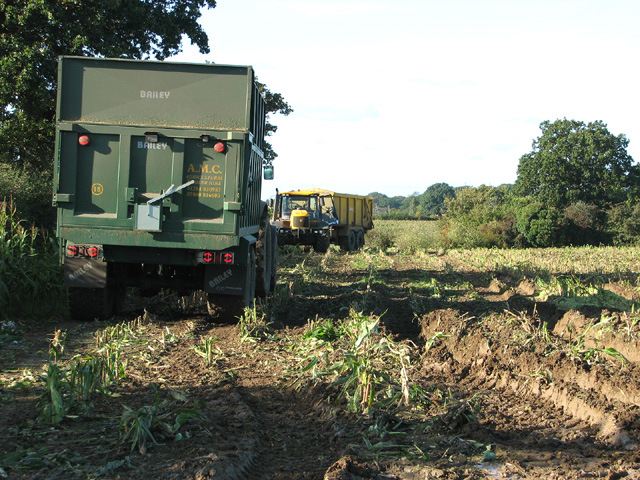
Future Biogas describes a broader farming model involving maize, wholecrop rye and barley, grass leys and trials of additional crops. Its published examples include early-summer cereal harvests that create an opportunity for subsequent cover, alongside grass managed for several cuts. Those descriptions explain the company’s agricultural approach. The exact feedstock proportions and supplier arrangements at each of the six acquired plants require separate confirmation.
The investor’s announcement envisages funding through equity and company cash ahead of refinancing, with most of the acquisition equity expected to return by March 2027. This creates a near-term financial milestone. The operating improvement assumptions, their timing and the agricultural commitments needed to achieve them will matter when the business is refinanced.
Crop choice joins the economics of the farm and the digester. A crop with high fresh-weight yield can carry substantial water, while its timing may compete with food production, labour or suitable harvest conditions. Comparing alternatives on recoverable methane per hectare and delivered cost helps make those differences explicit. Storage losses and the value of other crops in the rotation belong in the same comparison.
Full control can also make investments easier to coordinate across sites: procurement, storage, biological management and maintenance can be assessed together. Whether that creates additional sustainable gas output depends on each plant’s physical limits and its agricultural catchment. The announcement identifies the transaction and its direction; site-level investment plans and resulting performance remain the next evidence to follow.
Our Analysis: Ownership can coordinate plants and crop rotations
The opportunity is to align a multi-year plant improvement programme with multi-year farm decisions. If expansion requires a different feed mixture, farmers need enough lead time to establish the crop, fit it into the rotation and arrange harvest and storage. That coordination can reduce the risk of new equipment waiting for suitable material.
A useful test is whether the refinancing case separates gains available from existing material from gains requiring additional land or a new collection area. The distinction changes both the lead time and the cost exposure. Future Biogas’s established farming platform is relevant experience; the six plants’ individual resource balances will determine how far that experience can support the proposed growth.
Nador West Med, Morocco · 2 November 2026
Shell signs an offtake agreement for Morocco’s Manara fuel project
A prospective export buyer joins a project whose development finance remains under review.
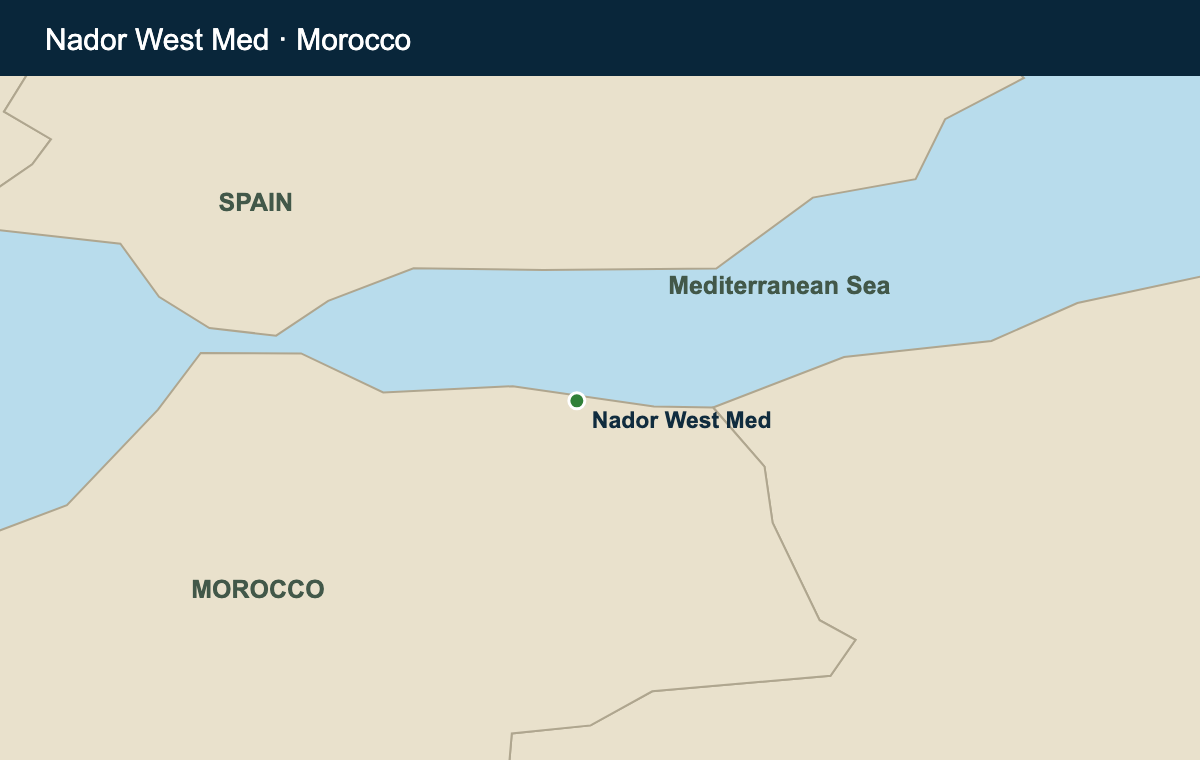
Shell Aviation announced a long-term offtake agreement with Green Sky Manara for a planned renewable-fuels facility at Nador West Med in northeastern Morocco. The disclosed arrangement covers 150,000 tonnes a year of sustainable aviation fuel, or an equivalent quantity of renewable diesel, together with associated products. Commercial operation is targeted for October 2028.
The project sits within the Betoya industrial and logistics zone associated with the Mediterranean port. The European Bank for Reconstruction and Development describes a plant using Axens’ Vegan technology, based on hydrotreating oils and fats. This route uses hydrogen to convert suitable lipid feedstocks into hydrocarbons; subsequent processing and product specifications determine the proportions of aviation fuel, diesel and other outputs.
The EBRD project record, updated on 29 October, lists a total project cost of US$239 million and proposed financing of up to US$135 million. Its status is exploratory and pending concept review. The offtake announcement therefore accompanies a financing process still in progress. The bank’s public record also describes environmental and social assessment work that remains part of development.
The feedstock concept is waste oils, fats and greases, supported by collection within Morocco and imports where necessary. Establishing that supply involves collection density, contaminant control, traceability and pretreatment. Different oils can carry different impurity loads and conversion characteristics, which affect both process costs and the volumes of saleable products.
A port location creates access to international feedstock and product markets. It also connects the project to the prices and transport conditions prevailing in those markets. Local collection and imported material may consequently have different cost structures and documentation needs, even where they feed the same process. The public description includes support for collection capacity, including women-led cooperatives, as part of the proposed local supply development.
The capacity figure in the bank’s description and the contracted product quantity use different definitions. Comparing them as a simple percentage of capacity sold would overstate what the available information establishes. The useful next disclosures are the final product slate, confirmed feedstock contracts, financing approval and the conditions that bring the plant into construction.
Our Analysis: Feedstock terms will shape the project’s margin
The offtake agreement gives the project an identifiable route to market. Its economic durability will depend on how feedstock prices, hydrogen costs and conversion yields interact with the product-price formula. A long-term sales relationship can coexist with short-term procurement exposure when collection and import contracts follow different pricing arrangements.
For Moroccan collectors, the practical opportunity is a dependable industrial buyer with explicit quality and documentation requirements. For the plant, developing that network early could improve supply visibility before commissioning. The value of local collection should be tested against delivered quality and cost, alongside credible import alternatives. Publicly available contract terms currently leave that balance open.
Emmen–Ommen, Netherlands · 3 November 2026
Gasunie opens a new route for Dutch biomethane
A converted 60-kilometre pipeline links regional production with the national gas system.
Gasunie announced new biomethane transport arrangements in the northeastern Netherlands on 3 November. The project repurposes approximately 60 kilometres of existing pipeline in the Emmen–Ommen area, working with regional network operators RENDO, Enexis and Coteq. Two boosters at Ommen allow gas to move from the collecting system into the national high-pressure network.
The location explains the investment. Biomethane producers commonly connect to regional networks, where local demand can limit how much gas those networks can absorb. Demand is especially relevant in summer, when heating consumption is lower. A route to the national system can give a regional production basin access to a wider set of consumers.
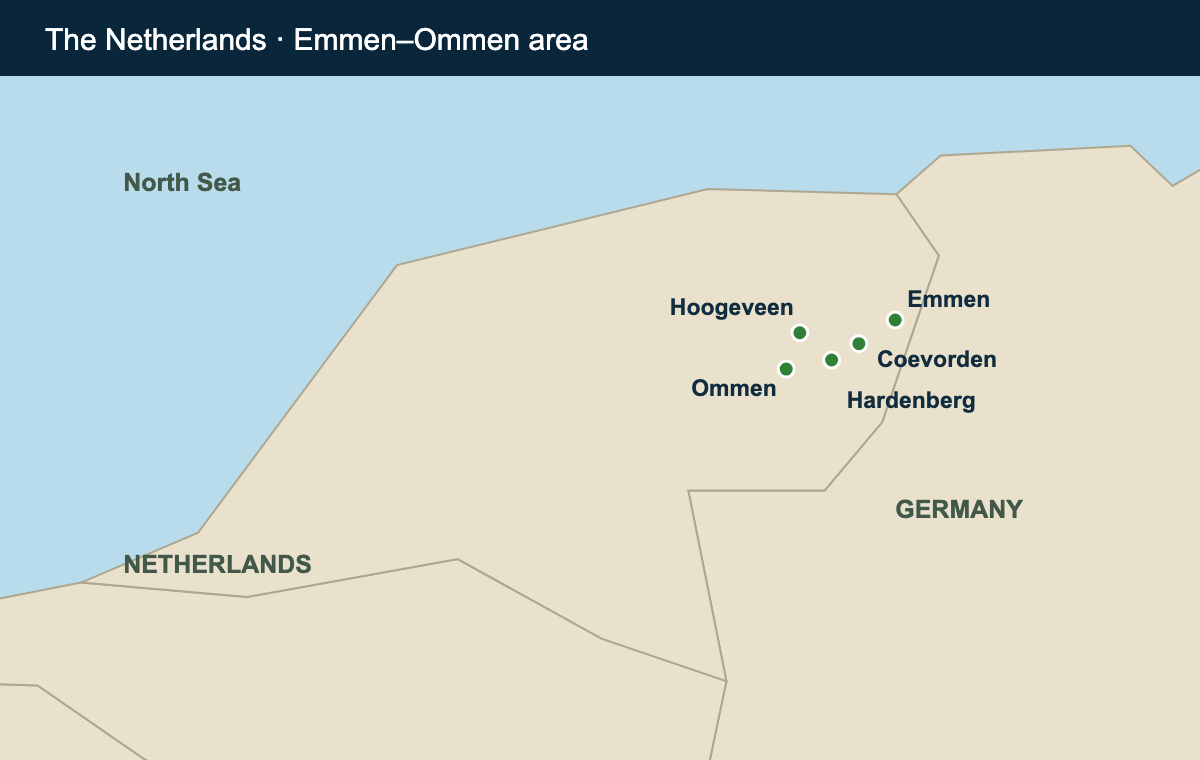
This infrastructure has a history extending beyond the present announcement. Gasunie described the collecting-pipeline concept in 2024, including the challenge of integrating gas from regional systems with national transmission specifications. The new development concerns a physical connection and associated operating arrangements, following several years of preparation.
Biomethane is upgraded biogas: impurities and a substantial share of carbon dioxide are removed to reach the required gas specification. Upgrading alone does not resolve every network interface. Pressure, oxygen content, odorisation and monitoring arrangements also matter when gas crosses between distribution and transmission systems. The earlier Gasunie explanation makes those interfaces part of the project’s purpose.
The change can improve the usefulness of nearby biological resources, but its agricultural consequences depend on which producers connect. Manure, food-processing residues and crops create different digestion and collection systems. The announcement does not establish the feedstock composition, contracted volumes or future expansion plans of every plant that might use the pipeline. Those questions remain specific to each connection.
For developers, the next useful evidence is available entry capacity and the conditions under which it can be used throughout the year. A map of existing pipework provides a starting point; firm connection terms and an operating timetable determine what a project can incorporate into its production forecast. The commissioning announcement gives the region a new infrastructure reference against which those terms can be assessed.
Our Analysis: Summer access can reshape a supply basin
A plant designed around continuous digestion needs a route for its gas when local demand is low. Removing a seasonal network constraint may support fuller use of an existing feedstock base. It can also make a nearby site more attractive than a resource-rich location with an uncertain gas outlet.
The implication reaches land and collection planning. Additional digestion capacity around a better-connected node could increase competition for suitable material, while existing farms may benefit from a more dependable industrial outlet. Assessing that effect requires the actual connection queue, entry limits and feedstock plans. The present announcement establishes the transport solution; the scale of any resulting procurement change remains to be measured.
Kyogle, New South Wales, Australia · 29 October 2026
New South Wales launches a mobile biochar trial in plantation forestry
A field programme will test the economics of moving equipment to residues and the response of plantation soils.
New South Wales’ Department of Primary Industries and Regional Development reported a mobile biochar demonstration at Boorabee State Forest, near Kyogle, Australia, on 29 October. Roundhill Engineering built the unit in Glen Innes. It processed lantana at the demonstration, and the programme will compare biochar from that invasive vegetation with biochar made from plantation forestry residues.
The planned field work covers Blackbutt, Spotted Gum and Gympie Messmate plantations. Researchers will assess tree growth, soil carbon and the costs and logistics of mobile production. The announcement establishes a trial and its questions. Quantified field benefits, commercial throughput and net carbon-removal results remain to be reported.
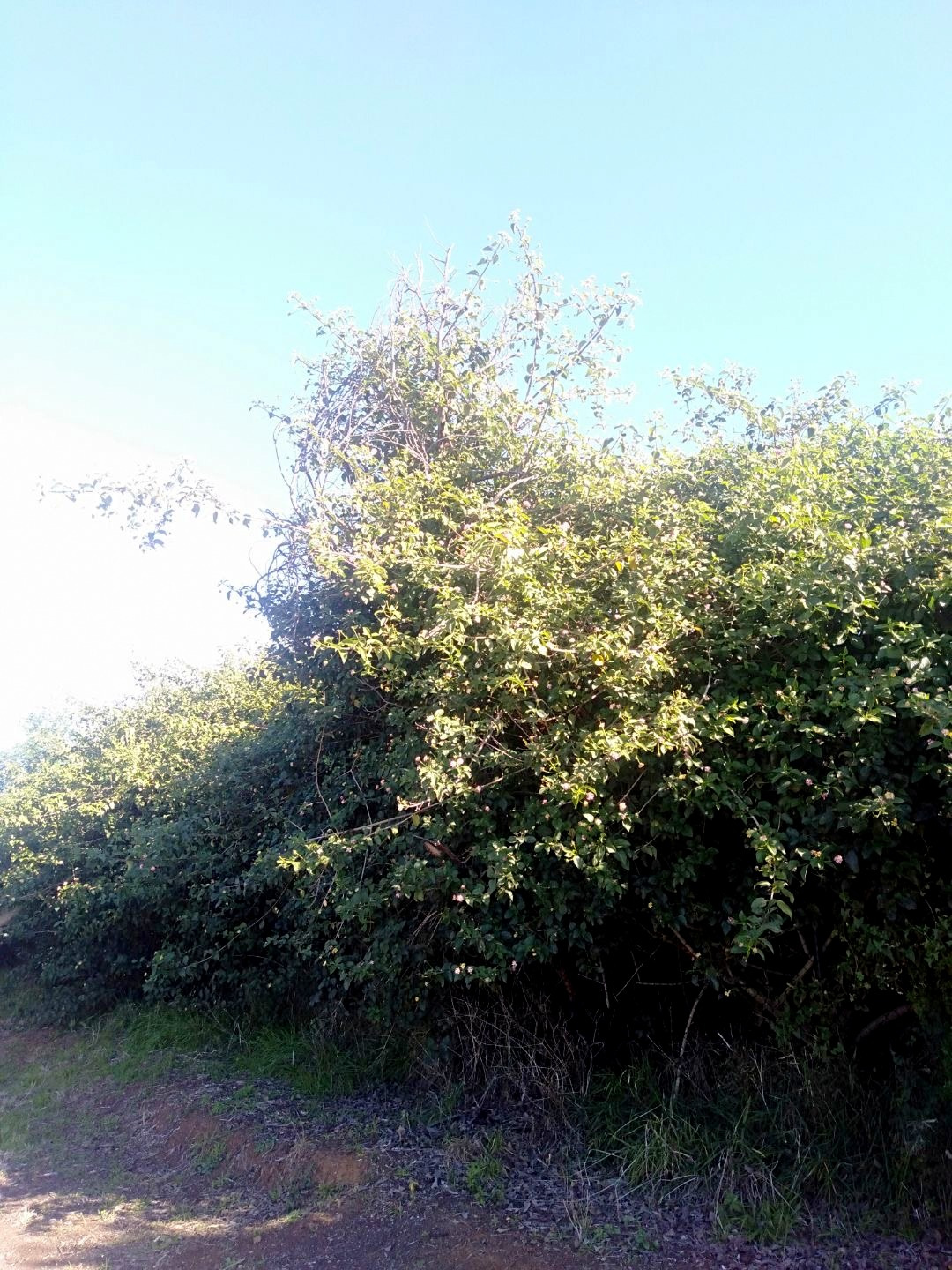
Mobility changes the collection problem. Bulky vegetation can be expensive to move relative to its useful content, particularly when it carries substantial moisture. Taking conversion equipment to the resource can reduce some transport. That saving must be weighed against moving and setting up the equipment, preparing the material, supplying labour and keeping the unit productively occupied.
Lantana clearance and plantation harvesting also create different resource patterns. Clearance produces a pulse of material at a site; a continuing forestry programme may produce a sequence of harvest locations. A workable operating schedule would connect those locations closely enough to maintain utilisation while respecting access, fire-management requirements and the conditions of each operation.
The resulting biochar needs its own destination. Its physical and chemical properties depend on the material and process conditions, and the response to an application depends on soil and management. Plantation trials can establish whether a particular product, application rate and soil combination merits wider use. Transport savings at the conversion stage and agronomic performance at the receiving site should both be measured.
This distinction is useful for readers considering mobile pyrolysis elsewhere. Pyrolysis heats biomass with restricted oxygen to produce a carbon-rich solid alongside gases and vapours. A successful demonstration shows that the equipment can process the chosen material. Commercial replication then needs operating costs, consistent product quality and an appropriate destination supported by field evidence.
Our Analysis: Mobility needs a sequence of workable sites
The important design question is how the unit moves through a landscape. A short haul saving at one location may be outweighed by idle days between jobs, while a coordinated harvest and clearance programme could support a more regular schedule. The trial’s logistics work can help identify that difference.
Plantation use also offers a direct test of whether the biochar’s destination can remain close to its source. A favourable result would combine suitable soil response with manageable production and application costs. Evidence of weak soil response, unsuitable product characteristics or low utilisation would change the preferred outlet or operating model. Those are useful outcomes for a trial designed to guide investment.
California, United States · 5 November 2026
Circularity Fuels raises US$7 million for dairy-biogas aviation fuel
A California pilot now faces the step from demonstrated conversion to a repeatable commercial system.
Circularity Fuels announced a US$7 million seed round on 5 November, led by Trucks Venture Capital and DCVC. The company is developing equipment that converts dairy biogas into liquid fuels. Its earlier pilot near Madera, California, United States, provides the technical starting point for the new funding programme.
The company’s process combines an electrically heated reformer with Fischer–Tropsch synthesis. Reforming converts the methane and carbon dioxide in biogas into a mixture of carbon monoxide and hydrogen, known as synthesis gas. The subsequent synthesis stage turns that gas into hydrocarbons that can be processed into liquid fuels. Feed preparation, electricity and product finishing therefore sit alongside the biological production of the gas.
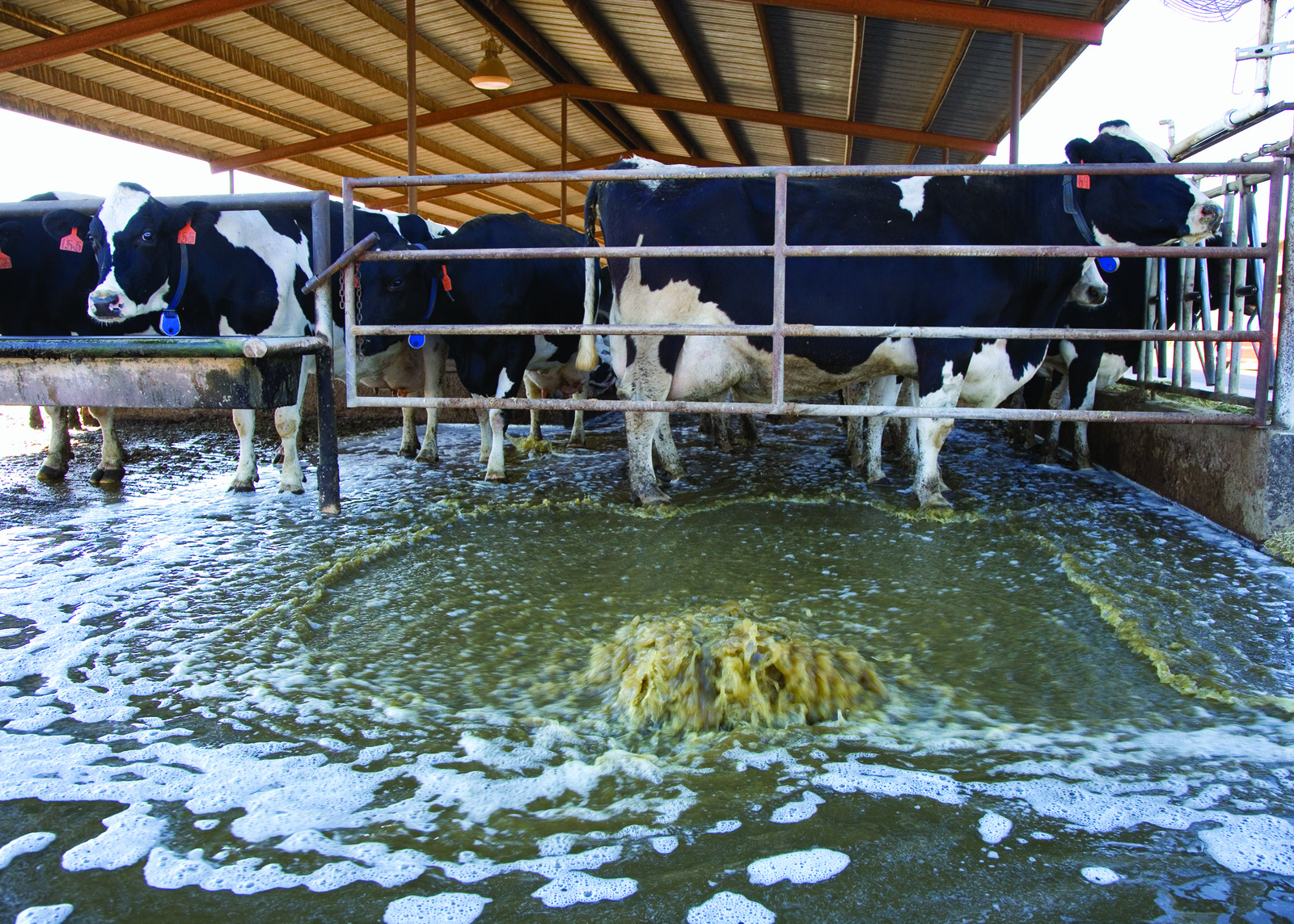
In June, Circularity reported an end-to-end pilot using raw dairy biogas and fuel meeting the cited ASTM aviation-fuel pathway specification. These are company-reported technical results. The November financing announcement describes an 18-month demonstration programme and engineering for a 75-barrel-per-day commercial design. The design figure describes the next scale of equipment, with operating output still to be demonstrated.
A dairy site creates a particular physical setting. Manure collection and digestion can provide a continuing gas source, but the gas still varies with animal management, digestion performance and treatment. Sulphur compounds, water and other contaminants require an equipment-specific handling strategy. The appropriate comparison with selling upgraded biomethane should include those requirements and the electricity used by the conversion route.
The farm also continues to manage digestate after gas production. Nutrients, water and land application remain part of the agricultural system. A fuel process can add a new destination for the gas while the environmental performance of the wider site depends on those existing material flows and the way they are managed.
The announced funding is meaningful because it supports the next evidence-generating stage. Prospective customers will need continuous operating data, maintenance requirements, product yields and an electricity balance. Those results can establish which dairy sites have the scale and infrastructure needed for a repeatable deployment.
Our Analysis: Farm gas needs a complete energy balance
Using both methane and carbon dioxide in a conversion route is an interesting fit with biogas. The economic question is how much electricity, conditioning and finishing are required for each unit of saleable fuel. That balance determines whether the extra processing creates sufficient value at a particular site.
The comparison should use the farm’s actual alternative outlet for gas, including network access and contract terms, alongside the proposed liquid-fuel route. A site with a constrained gas connection may value a different product pathway, while an established biomethane outlet creates a tangible opportunity cost. The forthcoming demonstration can make those comparisons more credible by reporting sustained performance and the full operating boundary.
Geneva, Switzerland · International framework · 3 November 2026
Gold Standard launches a biochar methodology with three scale tracks
The international framework distinguishes production scale, feedstock eligibility and durable carbon storage.
Gold Standard, based in Geneva, Switzerland, announced its PARC biochar methodology on 3 November. The framework provides three production tracks, ranging from small manually operated units to industrial facilities. It is intended to support durable carbon-removal projects at different scales, subject to a common set of integrity requirements.
The scale thresholds matter for project design. The announcement distinguishes equipment processing less than one dry tonne a day, mechanised systems handling one to fifteen tonnes, and industrial systems above that range. Different evidence and monitoring arrangements can therefore accompany different operating scales. A small unit and a larger plant still need to establish the origin of their material and the eventual destination of the biochar.
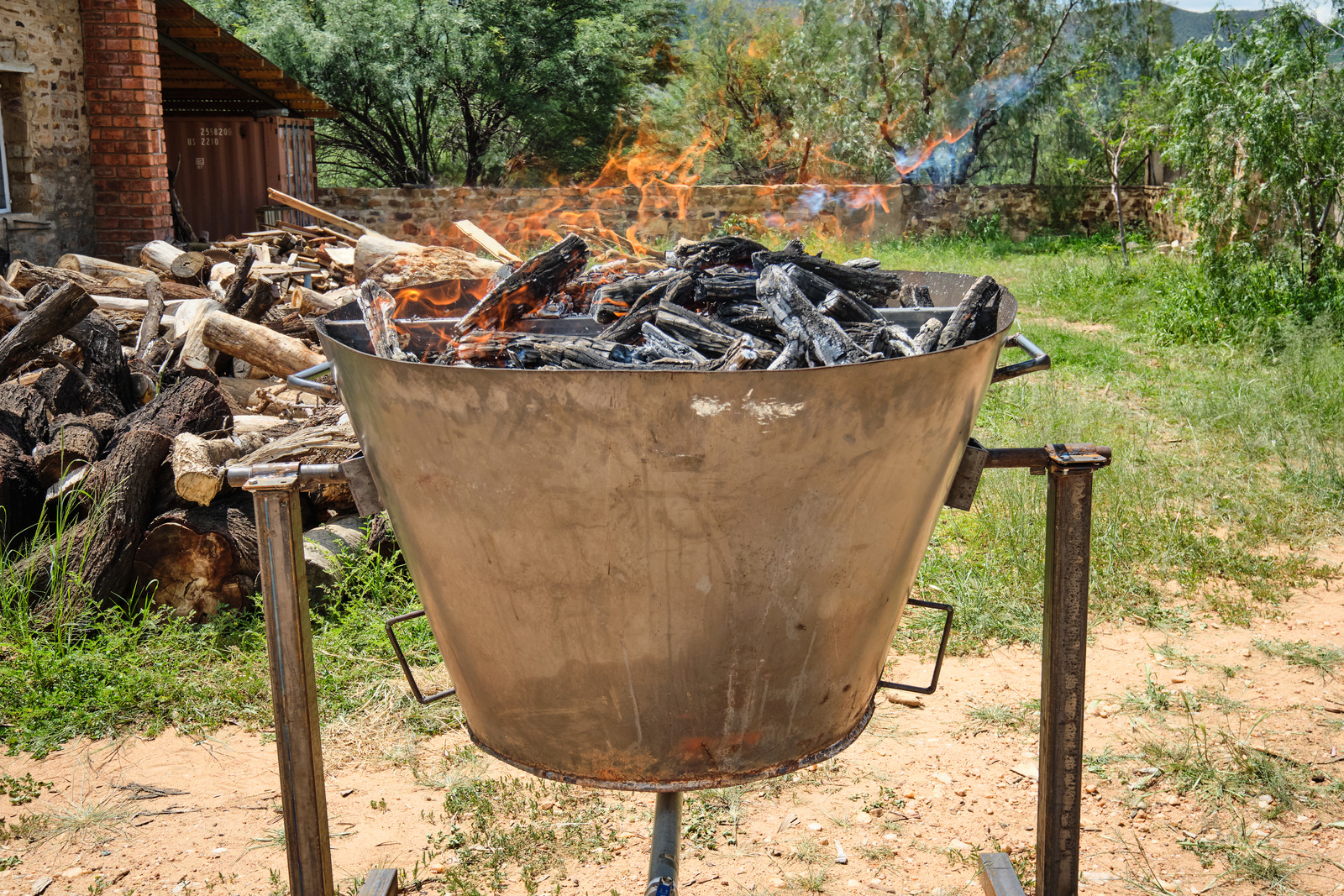
The feedstock rules introduce a particularly relevant distinction for energy-crop developers. Purpose-grown biomass on degraded land and organic waste are assigned to the industrial track. Other eligible categories include agricultural or processing residues and invasive vegetation, subject to the methodology’s conditions. A developer’s chosen resource category can consequently affect which project configuration is eligible.
Biochar’s carbon-storage function also depends on what happens after production. A documented final use, a defensible durability assessment and the emissions associated with production and transport all affect the removal claim. Producing a carbon-rich material is one step in that chain. A crediting pathway needs evidence linking the material to an eligible use and a supported net result.
For plantation and residue projects, this raises practical baseline questions. The biomass’s previous use provides the baseline. Does collecting it displace an established use? What does the land condition support, and what records can demonstrate the origin of each delivery? These questions can influence project feasibility before equipment is ordered.
The launch creates another methodological route for developers and purchasers to evaluate. Registration, validation, verification and issuance remain separate steps, and a methodology announcement supplies no project-specific credit price. The next developments worth following are registered projects, the interpretation of feedstock categories in validation and evidence of how monitoring works at each scale.
Our Analysis: Feedstock eligibility can determine the operating model
A distributed plantation project may prefer small conversion units for logistical reasons. Under the announced framework, a purpose-grown feedstock category can point it towards the industrial track instead. That interaction between resource type and equipment scale deserves attention at the beginning of design.
The practical response is to test eligibility, logistics and carbon accounting together. A larger installation may change transport distances and aggregation needs; a different resource category needs its own factual basis. The methodology provides the rules for that assessment. Project-specific validation and operating evidence will determine whether a proposed configuration delivers the expected removal outcome.
BEC Perspective
The useful connection across this edition is the relationship between an industrial commitment and the biological system expected to support it. A power plant, fuel buyer or carbon methodology creates a destination for biomass. The conditions at that destination then reach back into collection, land management, crop choice and the organisation of suppliers. Understanding that movement helps explain why apparently similar projects can have very different economics.
BIOVEA makes the connection tangible. An electricity schedule is supported by material originating across plantations and grower holdings. Collection needs to fit agricultural work and preserve the basis of future productivity. The industrial buyer benefits when growers have a reason to participate reliably; growers benefit when handling obligations, payment and field management are understood. Operating evidence can show whether those interests remain aligned through weather and seasonal changes.
The UK and Dutch biomethane cases expose different parts of the same system. Ownership control can help coordinate investment across plants, while network access determines whether gas can reach a market when regional demand is low. Between those two points sit farms, stores, digesters and contractual obligations. Expanding one part of the chain can increase the demands placed on another. A higher plant-output target is therefore most informative when its agricultural and network assumptions are visible.
The Moroccan fuel project illustrates the importance of definitions. A sales agreement, a proposed loan and a design capacity each describe a different element of development. Their numerical scales can look readily comparable, yet different products, conversion yields and contractual conditions may sit behind them. Readers gain a more useful picture when those distinctions are retained. The next question becomes what evidence connects procurement, process performance and contracted revenue closely enough to support construction.
Biochar adds a further layer because the final use is part of the product’s value. A plantation trial can establish how a particular material behaves in a particular soil. A carbon methodology can define how a removal claim is assessed. The field result and the certification pathway serve different purposes, and both can influence design. Moving equipment to residues may save transport while changing utilisation; directing biochar back to plantation soils may simplify distribution while requiring an agronomic justification for the application.
There is also a question of alternatives. A crop may already supply feed, bedding or another industrial buyer. A dairy may already have a viable outlet for its gas. Material described as available can have a functioning market or an important role on the land. A credible new use identifies that baseline and explains why producers would change their allocation. That perspective makes the behaviour of farmers and resource owners easier to understand than an isolated estimate of tonnes.
The coming months should bring evidence of these connections in practice: refinancing assumptions, firm network access, collection arrangements, sustained demonstration results and purchase commitments. Their significance lies in how they change a specific decision. A stronger outlet can support agricultural investment when its requirements and timetable are clear. Reliable production can support a longer contract when quality and delivery are demonstrated. The most informative developments will show that relationship becoming measurable at the level of a real site, crop system or supplier network.
Persistent Developments
2026–2027 | Crop-residue aggregation becomes an infrastructure investment
Ara Partners announced its majority investment in Pacific Ag on 14 October 2026, before this edition’s news window. The company’s established harvesting and logistics business supplies crop residues to uses including dairy, protein production and mushrooms. Its relevance as a persistent development lies in the investment being made in collection capacity that can serve several markets.
For emerging biomass industries, such platforms can provide machinery, storage and working relationships with growers. Existing customers also establish an opportunity cost for the material. A new conversion plant therefore needs a procurement case that recognises those destinations and the field conditions governing removal. The next development to follow is whether added capital produces new reliable supply, redirects existing supply, or both. Announced investment alone leaves that allocation open; contracts, fleet deployment and actual deliveries will make the change visible.
2025–2027 | Perennial-crop decisions begin before the planting season
Oakbank’s 2026 miscanthus offer with ESG Natural Capital illustrates how a perennial crop links today’s contract with several years of land use. The UK supplier describes potential contracts of at least ten years, with a £100-per-tonne ex-farm price plus inflation adjustment, subject to contract. It identifies East Anglia and the East Midlands as particularly relevant because of haulage. These commercial terms describe one supplier’s offer and require assessment against each farm’s circumstances.
A useful comparison includes the buyer’s location, harvest and haul responsibilities, quality basis and the treatment of establishment years. Novabiom’s 2025–2026 site-visit campaign in France similarly places soil and weed assessment ahead of planting. The alternative use of the land also matters. The next meaningful signal is a documented planting programme linked to a credible outlet, with hectares established and subsequent performance distinguished from hectares proposed. That evidence would connect industrial demand with an observable agricultural response.
2026–2027 | European biomethane matching moves towards contracts
The European Commission’s Biomethane Mechanism, launched in June 2026, began its first matching round on 4 November. Buyers can submit demand until 23 December, suppliers respond from 21 January to 4 March 2027, and matching results are scheduled for 18 March. Participants then explore agreements outside the mechanism.
The longer-term significance is the relationship between visible demand and the conditions needed to deliver it. A matching platform can help counterparties find each other, while price, delivery profile, certification and physical access remain subjects for negotiation. The Gasunie development in this edition shows one part of that physical infrastructure. The useful next milestone is evidence that identified demand becomes contracts supporting an actual project or operating supply. The number of matches will be informative about participation; their conversion into dependable deliveries will be more informative about industrial development.
2025–2026 | Carbon-removal buyers move towards investment decisions
The European Union’s Carbon Removals and Carbon Farming Buyers Club was announced in November 2025. The Commission describes an ambition for initial permanent-removal purchases by December 2026, with buyers undertaking project diligence and contracting. Its permanent-removal approach seeks multi-year demand that can help selected projects reach investment decisions.
For biomass projects, this puts the quality of the delivery commitment alongside the quality of the carbon claim. A developer must connect resource control, process performance, an eligible final pathway and verification with the quantity and timing promised to a purchaser. Payment schedules and responsibility for under-delivery can materially affect the capital required. The next evidence to follow is the terms and project stages of actual purchases. A buyer initiative and a certification framework create useful conditions for a market; completed agreements will reveal how financing and delivery risks are allocated.
Outlook
The next two weeks
BIOVEA’s operating disclosures, the detailed conditions behind the UK portfolio transaction and Manara’s development updates deserve attention. In each case, the useful information is the connection between the announcement and a physical obligation: fuel delivered, investment scheduled or procurement committed.
The next 30–90 days
European biomethane buyers have a 23 December deadline for submitting demand to the first matching round. Carbon-removal purchasers may also begin turning the Buyers Club’s stated 2026 ambition into disclosed agreements. These processes can clarify product specifications, delivery periods and counterparties. For developers, those details can influence the scope of resource studies and the timing of investment.
The next 6–12 months
Watch for measured evidence from new plants and demonstration programmes: sustained operation, collection costs, product quality and field response. The Australian biochar work and Circularity’s fuel programme will be especially useful if they disclose operating boundaries clearly. Across agricultural projects, the key comparison is between the resource plan used for investment and the material actually delivered through a full seasonal cycle.
Explore BEC’s work on feedstock resources and supply chains, view our services or contact Bioenergy Crops.
Image credits
BIOVEA: Papischou. Photograph source · CC BY-SA 4.0.

Future Biogas: Evelyn Simak. Photograph source · CC BY-SA 2.0.

New South Wales: Ghareebota. Photograph source · CC BY-SA 4.0.

Circularity: Photo courtesy of USDA Natural Resources Conservation Service. Photograph source · Public domain.

Gold Standard: Tim Brunauer, GIZ. Photograph source · CC BY-SA 4.0.

Cover: Jeanbaptiste225; cover photograph cropped. Photograph source · CC BY-SA 4.0.
