
BEC RADAR INTELLIGENCE
21 September 2026
Canada's Belledune conversion has secured fuel-supply agreements that connect a utility investment with new pellet-production capacity. Indonesia is putting new ethanol feedstocks into field and processing trials. In Wisconsin, CHS is advancing a major soybean investment whose economics connect renewable fuels with livestock feed. European biomethane transactions are bringing capital and operating expertise into project portfolios, while a Texas biomass property is attracting preliminary interest linked to data centres. Argentina adds a different route to industrial progress: an authorised fermentation technology for existing ethanol production.
These developments affect different parts of the bioeconomy, from the next crop planted to the next industrial asset acquired. Their commercial significance depends on how supply, conversion and markets fit together. A crop trial can establish the cost of a future feedstock; a local meal buyer can strengthen an oilseed plant; an experienced operating team can help an investor turn a development portfolio into dependable gas production.
The longer view remains equally important. Energy plantations in Brazil, woody supply assessments in Texas and intermediate oilseed crops in France connect today's industrial ambitions with the land, equipment and growing seasons needed to support them.
Canada · 17 September 2026
NB Power secures Belledune fuel agreements: new pellet plants must match the power station’s timetable
NB Power announced approval and signed Canadian fuel contracts on 17 September for its planned 467 MW Belledune conversion.
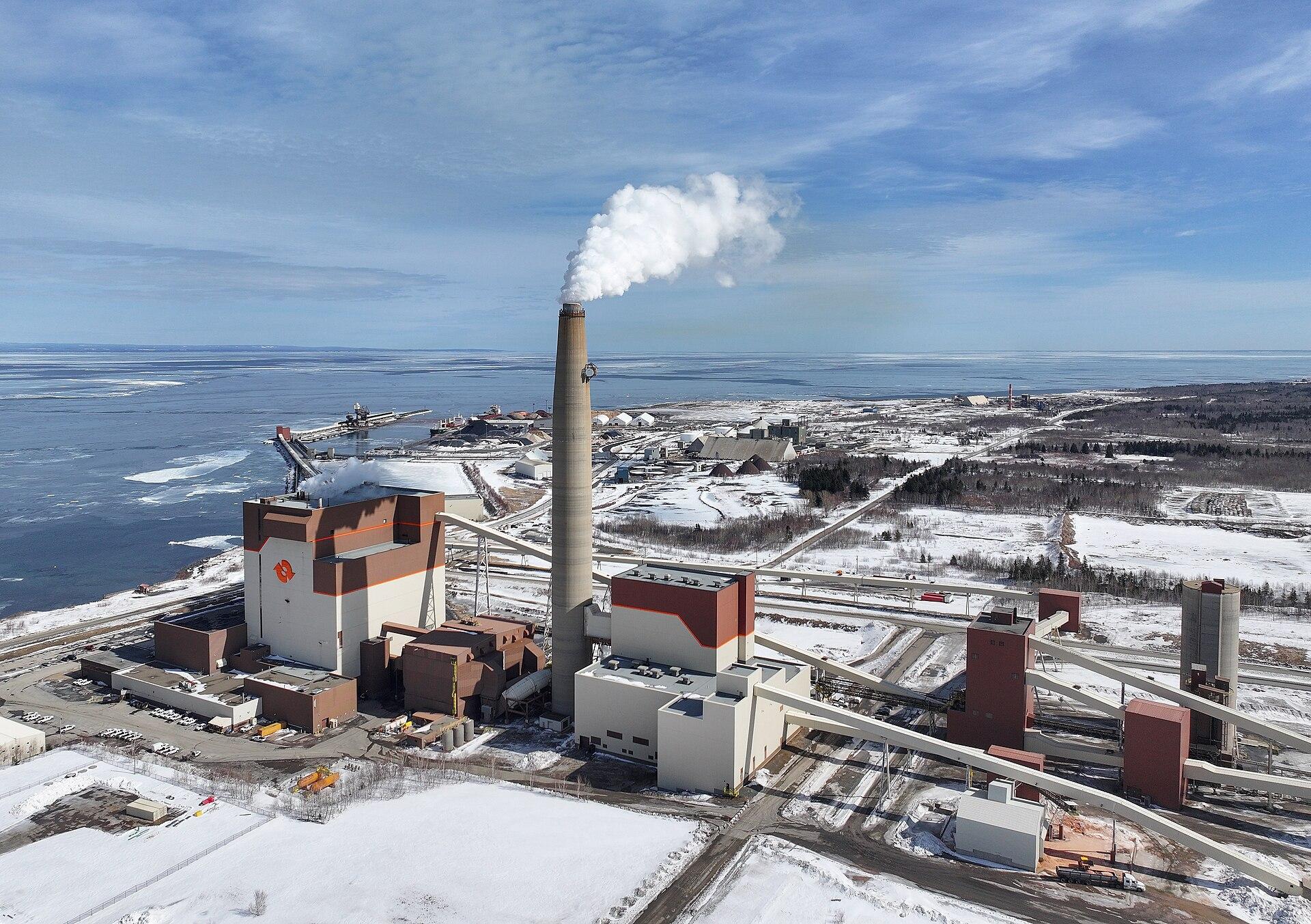
NB Power announced board approval and signed Canadian fuel-supply agreements for the planned conversion of its 467 MW Belledune generating station from coal to advanced pellets. The utility says the agreements cover the majority of the fuel required and identifies wood and agricultural hemp among the intended biomass sources. Board approval took place in August; the September announcement brings the contracts into public view.
Chapleau BioCarbon separately announced an agreement to supply 75,000 metric tonnes of torrefied wood pellets annually through 31 March 2040. Its proposed Ontario facility remains in engineering and financing development. NB Power's project schedule now records the investment decision as complete, targets a construction permit in September 2027 and places conversion completion between 2028 and 2030, with exact timing still to be determined.
BEC's reading: a long-term customer can give a proposed pellet plant the revenue foundation needed to pursue financing. Delivery still depends on two investments progressing together: the fuel-production facility and the power-station conversion. The crop and forestry supply systems behind the pellets must be ready for that shared timetable.
Our analysis
Belledune has moved through a sequence of fuel tests and commercial development. NB Power describes successful advanced-pellet tests in 2024, followed by work on the fuel strategy and investment decision. The September disclosure adds signed supply agreements to that history. This changes the question facing prospective suppliers from whether a buyer might emerge to how the contracted volume will be manufactured and delivered.
Chapleau's agreement illustrates the distinction between commercial commitment and physical readiness. A named utility customer and a contract extending to 2040 can support a financing discussion. Lenders will also examine construction cost, performance guarantees, delivery obligations and the conditions under which the customer must accept and pay for fuel. Those detailed terms remain undisclosed in the releases.
The route connects a proposed Northern Ontario production base with a power station in New Brunswick. That geography makes inland transport, terminal handling and inventory material to the delivered price. The announcements identify the locations; a complete logistics arrangement and its allocation of cost and interruption risk still need to be established. A tonne sold at the pellet plant and a tonne available at the boiler represent different commercial obligations.
Agricultural hemp broadens the potential resource base described by NB Power. Its contribution will depend on cultivation, collection and processing arrangements that deliver the required fuel specification. The utility's reference establishes the intended feedstock category. Named growers, contracted area, harvestable volumes and the share of the fuel mix supplied by hemp remain important open questions.
Torrefaction adds a conversion stage between raw biomass and the generating unit. Its operating cost, mass yield and product quality connect the supplier's resource economics to the buyer's combustion requirements. A useful assessment therefore follows the material through preparation, processing, storage and delivery, and tests how variable moisture or quality affects the value received by each party.
BEC sees a stronger commercial basis for the project, with execution risk now concentrated in linked industrial and supply investments. Supplier financial close, demonstrated fuel performance and a delivery schedule aligned with the station's conversion would strengthen that interpretation. A mismatch between either construction programme and the agreed start of supply could increase inventory, financing or replacement-fuel costs.
Sources
NB Power, 17 September announcement; NB Power, project history and current schedule; Chapleau BioCarbon, 17 September company release distributed by Business Wire.
Indonesia · 14 September 2026
Lampung launches ethanol trials: can local crops support Indonesia’s next fuel investment?
Lampung launched its Bioethanol Development Center on 14 September, linking field trials with proposed ethanol production.
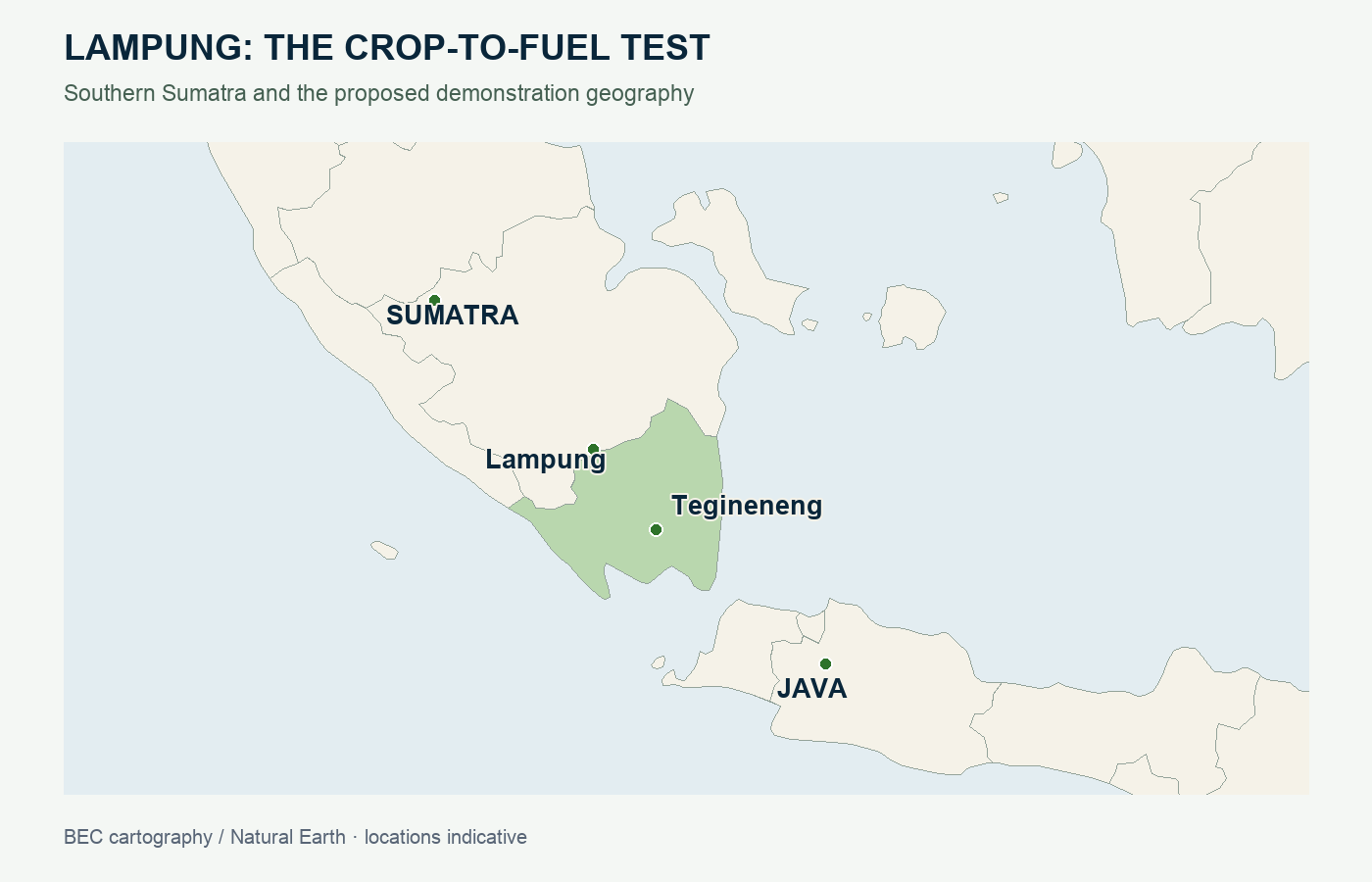
Lampung launched its Bioethanol Development Center in Tegineneng, Pesawaran, bringing Pertamina New & Renewable Energy, Toyota Motor Manufacturing Indonesia, government and university participants into a programme linking agricultural feedstocks with fuel production. Provincial reporting describes the start of construction and sorghum planting on a 10-hectare demonstration area. The investment ministry targets initial ethanol production by December 2026, with commercial expansion proposed for 2027.
The centre is intended to test several feedstocks and their processing economics. That gives the programme a practical role in Indonesia’s ambition to increase ethanol blending: establish which locally available materials can support a competitive, repeatable production system.
BEC’s reading: the demonstration becomes commercially valuable when it connects field performance with delivered feedstock cost and recoverable ethanol. For farmers and industrial sponsors, a successful crop must fit the local calendar, reward the grower and reach the plant in a condition that the process can use reliably.
Our analysis
The provincial and national accounts put complementary questions on the table. Lampung describes an agricultural development programme, including sorghum establishment and links to farmer groups. The investment ministry places greater emphasis on commercial testing and the eventual expansion of domestic fuel supply. An investable project needs evidence from both sides.
A demonstration plot can reveal establishment problems, harvesting requirements and the performance of a crop under the conditions tested. Its results become more transferable when the trial records soils, water availability, input use, harvest timing and the share of harvested material recovered by the process. Variation between farms matters to a plant that must buy material throughout a season.
Using several feedstocks could help extend the operating calendar. Each additional material also changes handling, storage and conversion requirements. A useful comparison would express their costs against saleable ethanol and coproducts, with the moisture, sugar or starch basis stated. This is BEC’s analytical framework for the programme; pilot results remain pending.
Farmer cooperatives are presented by the ministry as possible collection hubs. Such hubs could aggregate deliveries and coordinate quality, provided their commercial terms cover storage losses, rejection criteria and payment timing. Their viability will depend on actual throughput and logistics; those terms remain to be established for the proposed supply system.
The official accounts refer to a 60-kilolitre pilot and a proposed 60,000-kilolitre commercial scale. The operating-time basis of those figures remains unspecified in the releases reviewed. An annual feedstock requirement would therefore be premature. The December 2026 and 2027 dates are development targets, with the commercial step conditional on the economics demonstrated.
BEC would give this programme greater investment significance once it publishes repeatable crop-to-fuel results and a supply model that farmers can adopt commercially. Strong processing results combined with weak establishment or expensive seasonal collection would point towards a different feedstock mix, location or expansion pace. That is the value of testing the agricultural and industrial system together.
Sources
Lampung provincial government, launch and demonstration programme; Indonesia’s investment ministry, project purpose and timetable.
United States · 14–16 September 2026
CHS announces its USD 700 million Wisconsin crusher: meal helps explain the location
CHS announced a USD 700 million soybean facility near Evansville on 14 September, with completion targeted for autumn 2028.
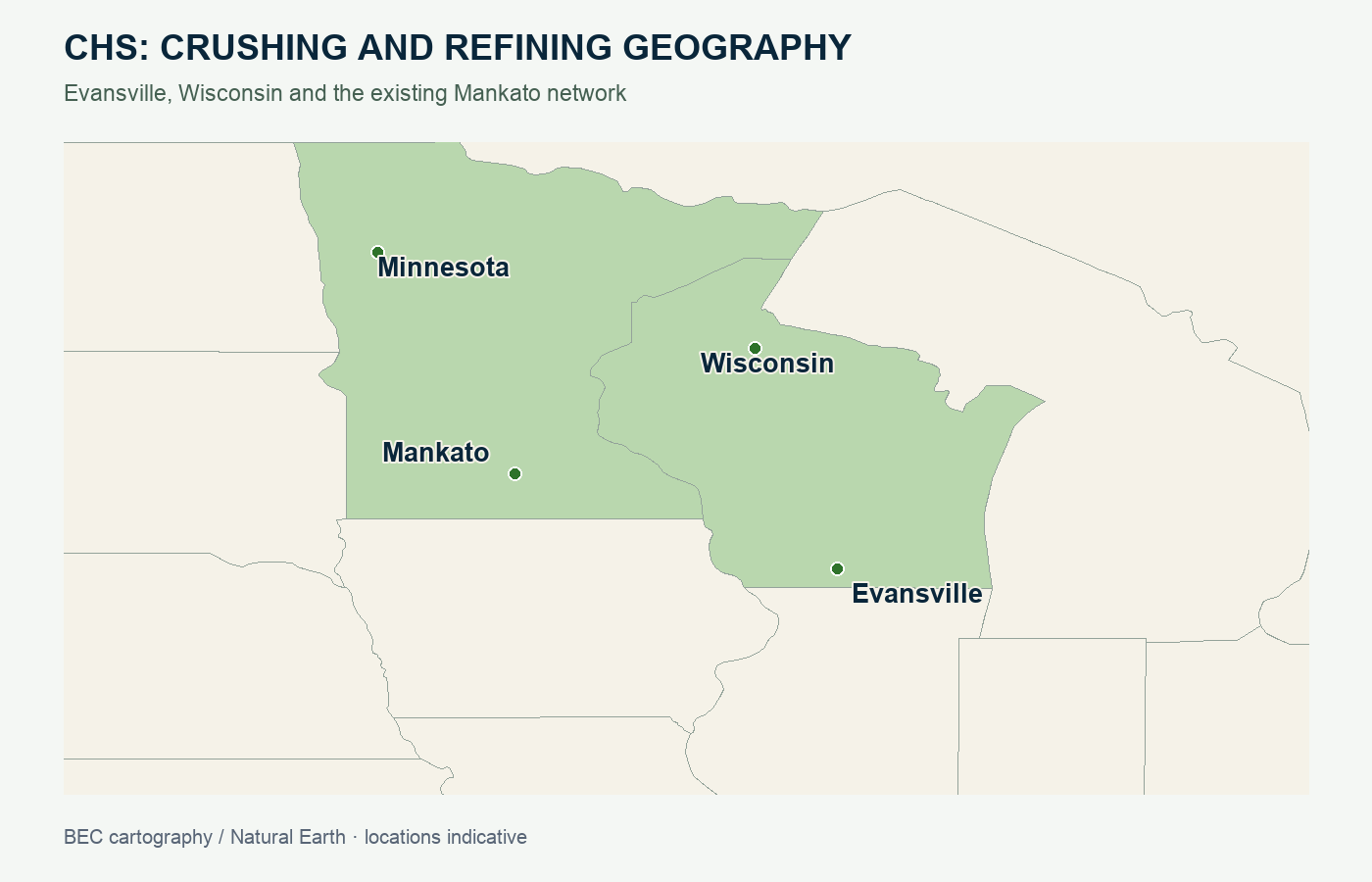
CHS announced plans on 14 September for a soybean processing facility near Evansville, Wisconsin, with an investment of approximately USD 700 million and capacity for 80 million bushels annually. Its corporate announcement targets completion in autumn 2028. The plant would supply soybean oil and protein meal to fuel, food and feed markets.
A 16 September interview with CHS executive Brian Schouvieller in Mid-West Farm Report adds useful local detail. He described board approval and the start of construction, explained the role of stronger oil demand, and said the company expects approximately 42% of the meal to remain in the local area. He also described a rail arrangement to send some oil to CHS’s Mankato refinery.
BEC’s reading: Evansville illustrates why the coproduct market belongs in the original investment case. Nearby meal demand and connections to an existing refining network can influence freight exposure, sales flexibility and the price a processor can afford to pay farmers for soybeans.
Our analysis
The project has a longer development history than its September announcement. Schouvieller described several years of preparation, including engineering and permits. The current disclosure therefore marks progress towards execution in an established project. Construction is beginning according to CHS; independently documented site progress would strengthen confidence in the delivery timetable.
CHS’s project page places Evansville alongside the cooperative’s Fairmont and Mankato operations and recent investments in downstream logistics. That context helps explain the choice of location: a new crusher can feed an existing commercial network while adding a buyer within a soybean-producing region.
The local interview gives the meal market unusual analytical value. Crushing generates oil and meal together. If nearby livestock customers absorb a meaningful share of the meal, part of the production can move by shorter truck routes. The remaining volume still needs competitive access to wider markets, and its net selling price will depend on freight and competing supply.
The 42% figure is management’s expectation. The realised share will depend on customer demand, product specifications and competing bids. A lower local share could expose more output to export logistics; a stronger local market could improve the net value of the coproduct. Neither outcome follows automatically from the plant’s announced capacity.
For growers, a new local processor can change the basis—the difference between local cash prices and the reference market price—and the attractiveness of competing delivery points. Schouvieller expects a positive local price effect. Its eventual size will depend on procurement competition, crop volumes and the processor’s combined returns from oil and meal.
BEC’s conclusion is that Evansville deserves assessment as a connected oil-and-protein business. The decisive evidence will include procurement terms, the realised mix of meal destinations and the costs of moving oil through the refining network. Those variables can materially change the economics of a plant built to serve growing fuel demand.
Sources
CHS, 14 September announcement; CHS, Evansville project and network context; Mid-West Farm Report, interview with Brian Schouvieller.
Italy · Transaction reported 15 September; investor confirmation 17 September 2026
FIEE acquires control of Biomethan Holding: EUR 42 million backs six Italian biomethane projects
FIEE acquired a majority stake through a EUR 42 million capital increase, backing six Italian biomethane projects.
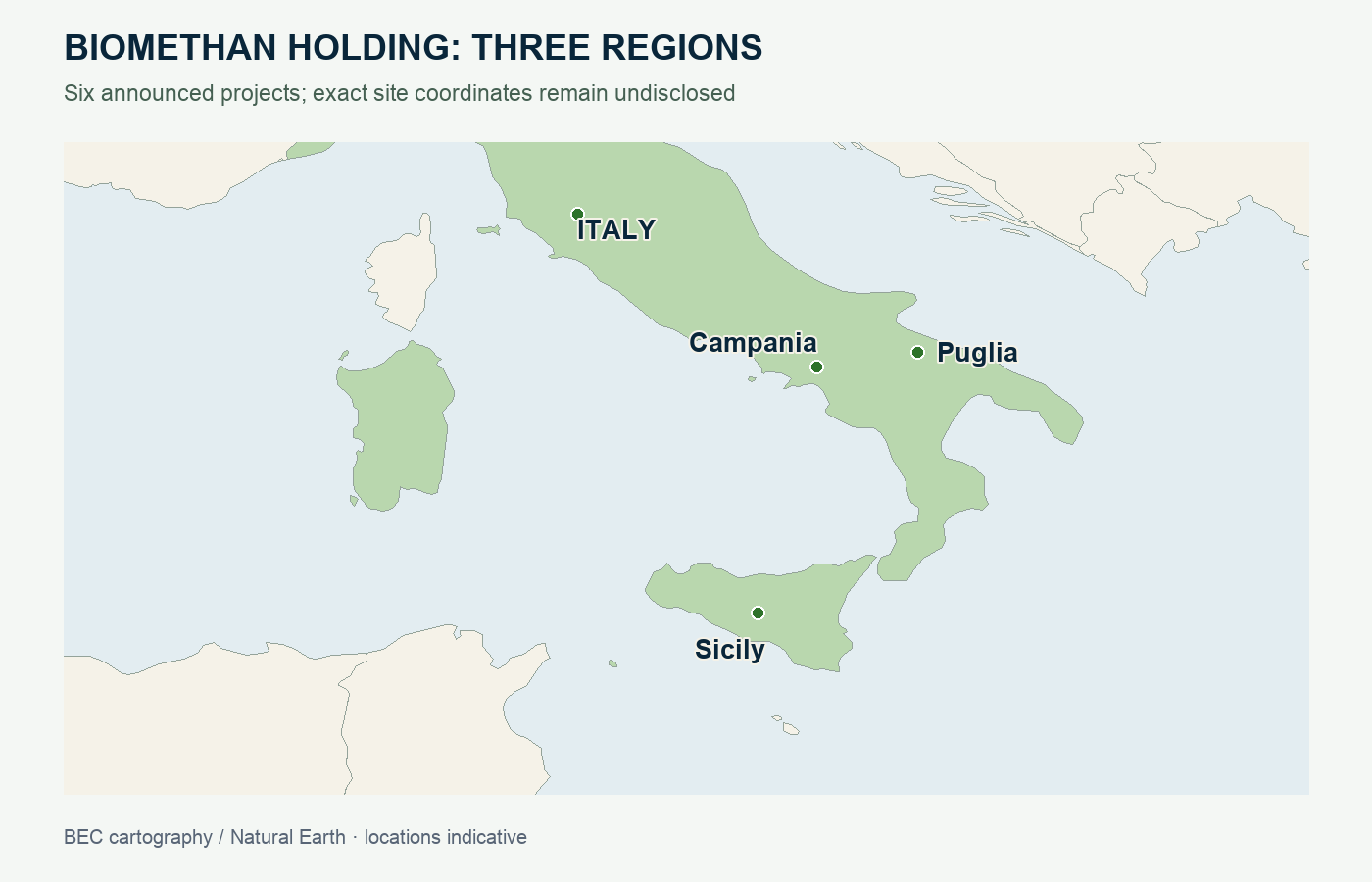
FIEE Energy Transition Fund III has acquired a majority stake in Biomethan Holding, the Italian biomethane platform of Cambium Group. FIEE confirms a EUR 42 million capital increase; transaction reporting describes the amount as the overall investment commitment supporting the platform’s growth.
The initial portfolio is reported to include six advanced projects in Sicily, Puglia and Campania, with an aggregate nominal capacity of 3,000 standard cubic metres per hour and operation targeted for the first half of 2028. Those are development capacities and targets. The transaction follows FIEE’s earlier investment in Spain’s Naturmet platform.
BEC’s reading: the capital increase strengthens the platform’s capacity to develop several plants. Its industrial value will emerge from site-level delivery: securing suitable feedstocks, completing the works and connecting each facility to a dependable route to market.
Our analysis
A capital increase puts funding into the company receiving the investment. That distinction matters when interpreting an acquisition headline: the announced structure is intended to support development and growth alongside the existing industrial partner. The public information establishes the transaction and its stated scale; expenditure already made on each project remains a separate question.
The Naturmet precedent supplies relevant background. In June 2026, FIEE announced EUR 60 million of financing arranged by BBVA, Santander and Abanca for the first three Spanish plants. The Italian investment extends a platform strategy across another market. Financing arrangements, construction conditions and feedstock economics remain specific to each portfolio.
Six projects can share procurement expertise, engineering practices and operating systems. Their resource bases can still differ materially. Each site needs enough suitable material at an affordable delivered cost and a workable destination for digestate, the nutrient-bearing material remaining after digestion. These local conditions determine how far standardisation can translate into repeatable performance.
Transaction reporting describes the six sites as authorised and admitted to an Italian support scheme. Detailed award conditions, construction milestones and the interaction with the proposed 2028 timetable remain important diligence questions. Support eligibility and the timing of receipts need to be established at project level before an investor can model their contribution to cash flow.
A portfolio can also concentrate exposure. Several sites may depend on similar feedstock categories, contractors or commissioning periods. BEC would test those shared sensitivities alongside the benefits of scale, particularly where an adverse season or a delivery delay could affect more than one plant.
The conclusion is a stronger development platform with a substantial execution programme ahead. Evidence of individual financial closes, construction progress and secured supply would strengthen the case for repeatability. Changes in those conditions could alter the order and pace at which the portfolio is built.
Sources
FIEE, confirmation of the Biomethan transaction; Teleborsa via Corriere, initial portfolio and timetable; Financecommunity, transaction structure and advisers; FIEE, June 2026 Naturmet financing.
Netherlands · 14 September 2026
Kanadevia Inova acquires BioValue’s operating business: 23 specialists join its biomethane expansion
Kanadevia Inova announced the BioValue transaction in September, adding an operating business and 23 specialists.
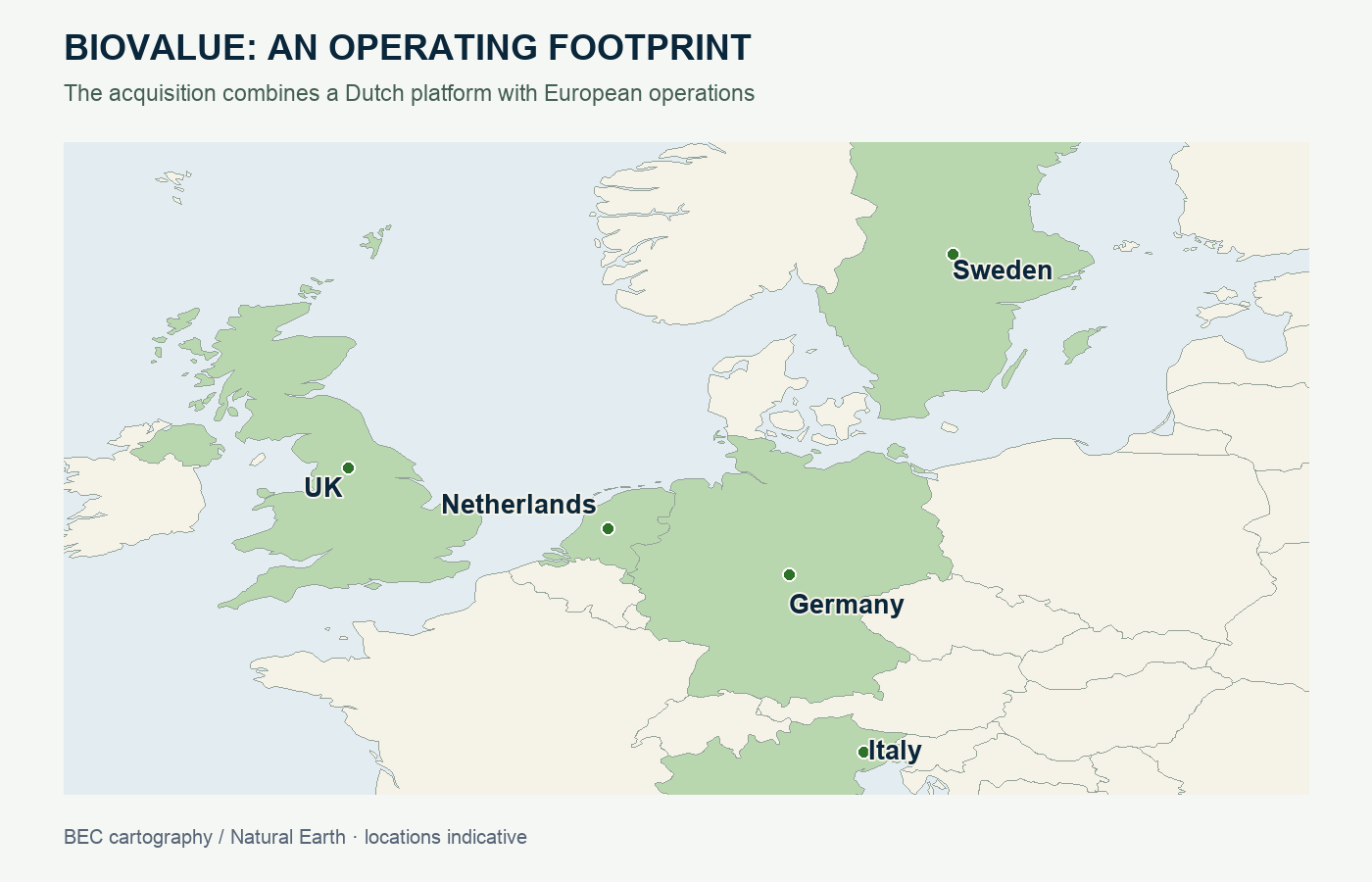
Kanadevia Inova announced a controlling interest in BioValue’s operating business, bringing a team of 23 specialists and capabilities in asset management, maintenance, engineering and construction management into its group. Founder Ids Schaap retains a minority interest through his company and continues as chief executive. The transaction includes service contracts and anticipated engineering and construction work.
The companies already had an investment relationship at Groengas Cothen. BioValue’s February 2025 account describes Iona, acquired by Kanadevia Inova, taking a majority interest in that plant. The September transaction broadens the relationship to the operating business; Kanadevia also states that it will acquire the remaining 15% of Cothen separately.
BEC’s reading: buying an operating business can carry lessons from existing plants into the design of the next ones. BioValue’s experience with agricultural feedstocks could help that transfer. Its value to asset owners will depend on the responsibilities assumed under service contracts and the operating results delivered across the enlarged platform.
Our analysis
The earlier Cothen transaction and the current business acquisition answer different strategic needs. The first placed capital into a specific asset and established a framework for further projects. The second brings operating and engineering capability into the acquirer’s organisation. Treating them as separate steps makes the current development more intelligible.
BioValue’s local project account describes Cothen through its relationships with dairy farmers and the handling of manure and residual materials. That is useful context for understanding the work performed by an operating platform: maintaining feedstock relationships, process stability and compatibility with the surrounding agricultural system.
BEC sees potential value in carrying operating feedback into new plant design. Experience with actual substrate variability, maintenance demands and nutrient management can inform equipment selection and contractual responsibilities. The extent of that benefit depends on how experience is documented and applied across sites; an acquisition announcement alone provides limited evidence of the result.
The public sources also illustrate why plant metrics deserve careful interpretation. Kanadevia describes Cothen using an energy figure, while BioValue’s project page gives a green-gas volume and its own energy conversion. A comparison of plant performance requires a common measurement basis and operating period. The acquisition establishes a change in ownership and capability; its contribution to gas output will depend on operating results.
For asset owners choosing an operating partner, the useful comparison is the service delivered: responsibilities for availability, maintenance, feedstock acceptance and process optimisation, together with the evidence supporting them. The announced continuity of the management team is relevant, while the detailed obligations and performance record remain material to commercial evaluation.
The acquisition’s wider significance is the integration of operating capability with project expansion. BEC’s positive interpretation would strengthen with evidence that the enlarged platform sustains production and improves delivery across varied feedstock conditions. Plant-level operating results and service terms will make that proposition measurable.
Sources
Kanadevia Inova, September business acquisition; BioValue, February 2025 Cothen investment; BioValue, local project and operating context.
United States · Disclosed 16 September 2026
1606 reports Prime Tex interest in Lufkin: can a timber connection support data-centre power?
1606 reported Prime Tex interest in Lufkin property rights, linking an existing biomass facility with a proposed data-centre strategy.
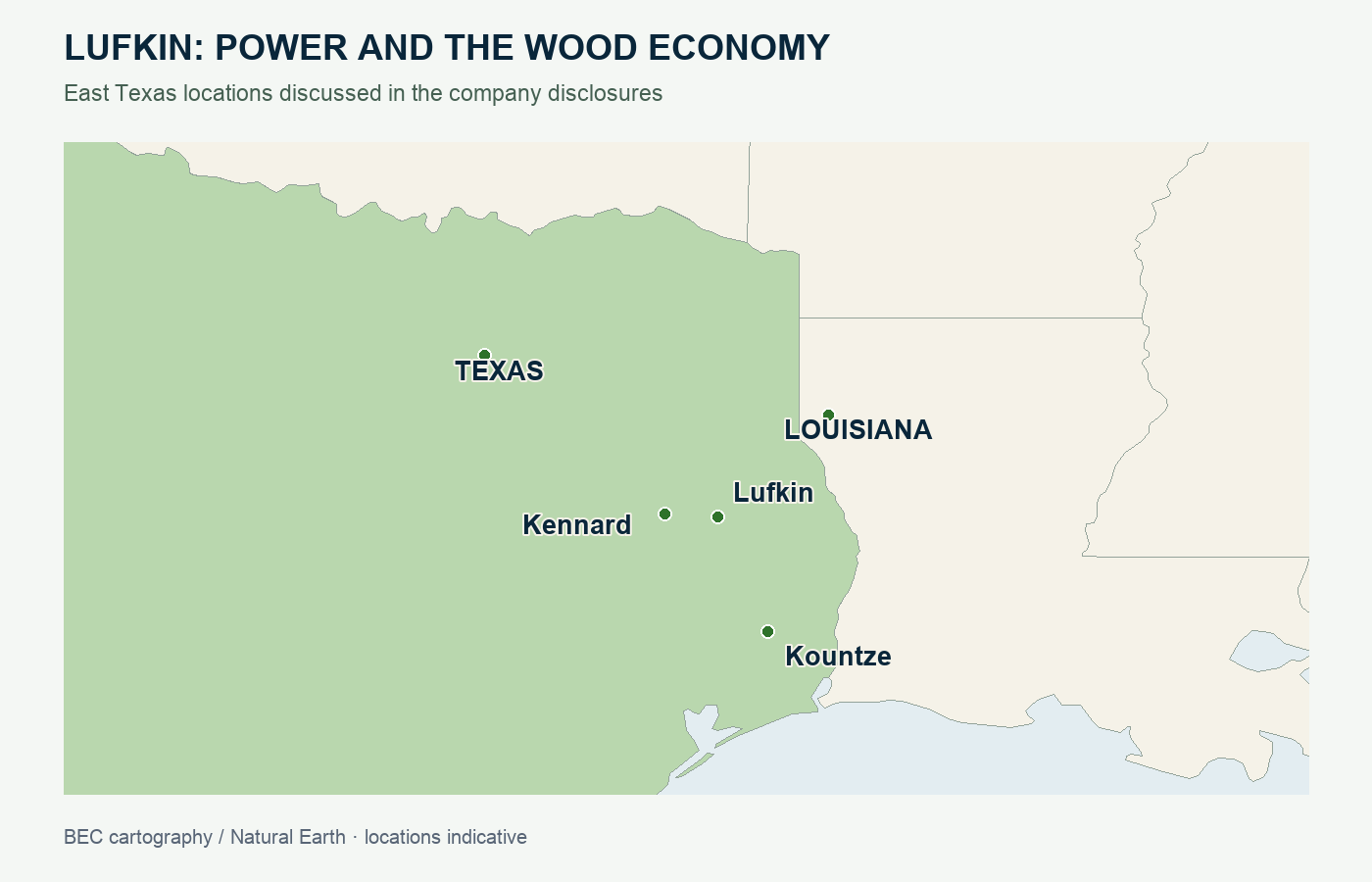
1606 Corp. disclosed a letter of intent with Prime Tex concerning a possible acquisition or assignment of its contractual interests in a biomass-power and proposed data-centre property in Lufkin, Texas. The letter, dated 6 September, is non-binding and non-exclusive. Definitive terms and completion remain pending.
The company presents Prime Tex’s stated timber operations as a potential connection to the biomass infrastructure. Its filing also identifies financing, property-title and recommissioning issues affecting the proposed acquisition. Earlier August disclosures describe efforts to attract prospective data-centre users and strategic buyers.
BEC’s reading: the strategic idea connects a possible fuel supplier with existing generation infrastructure and a prospective electricity customer. Commercial credibility will depend on making those links contractual and technically dependable, with the acquisition and plant condition resolved first.
Our analysis
The current event is a preliminary transaction discussion. In August, 1606 had already described marketing the site and pursuing several development alternatives. The September letter adds a named interested counterparty; the company continues to evaluate its options. This sequence supports a view of the project as an early redevelopment investment case.
The proposed timber connection deserves investigation because sawmill coproducts can supply a biomass boiler where their specifications, delivered cost and availability fit. In this case, the September filing attributes the descriptions of sawmill operations and expansion to Prime Tex. Supplier-level evidence and the commercial terms of any future fuel arrangement remain open.
For a data-centre customer, usable power depends on plant availability, maintenance and the arrangement covering interruptions. An existing biomass facility can have redevelopment value, while its condition determines the work and capital required to deliver that service. A site-level technical assessment would connect those requirements with the intended customer’s load.
Fuel purchasing and the electricity commitment would also need compatible terms. A fixed electricity obligation supported by variable fuel prices creates exposure that must be allocated through pricing, supply flexibility or other contractual provisions. This is a possible diligence issue, with the actual commercial arrangements still pending.
The disclosed acquisition deadline of 31 October 2026 and the letter’s stated expiry on 31 December 2026 belong to separate instruments. Their interaction makes the sequence of financing, title resolution and definitive agreements important. A later letter expiry alone establishes little about the ability to complete the underlying property transaction.
BEC considers the case relevant to the emerging relationship between biomass infrastructure and large electricity users. Its next increase in significance would come from a binding structure supported by verified plant condition, fuel supply and a credible customer arrangement. The present evidence supports continued scrutiny of that proposition.
Sources
1606, September disclosure filed with the SEC; 1606, 25 August redevelopment update; 1606, 11 August marketing agreement.
Argentina · Official publication 14 September 2026
Argentina approves Evolve Evergreen yeast: ethanol plants gain a new process option
Argentina approved Evolve Evergreen yeast for starch-based ethanol production in September, adding an authorised fermentation option.
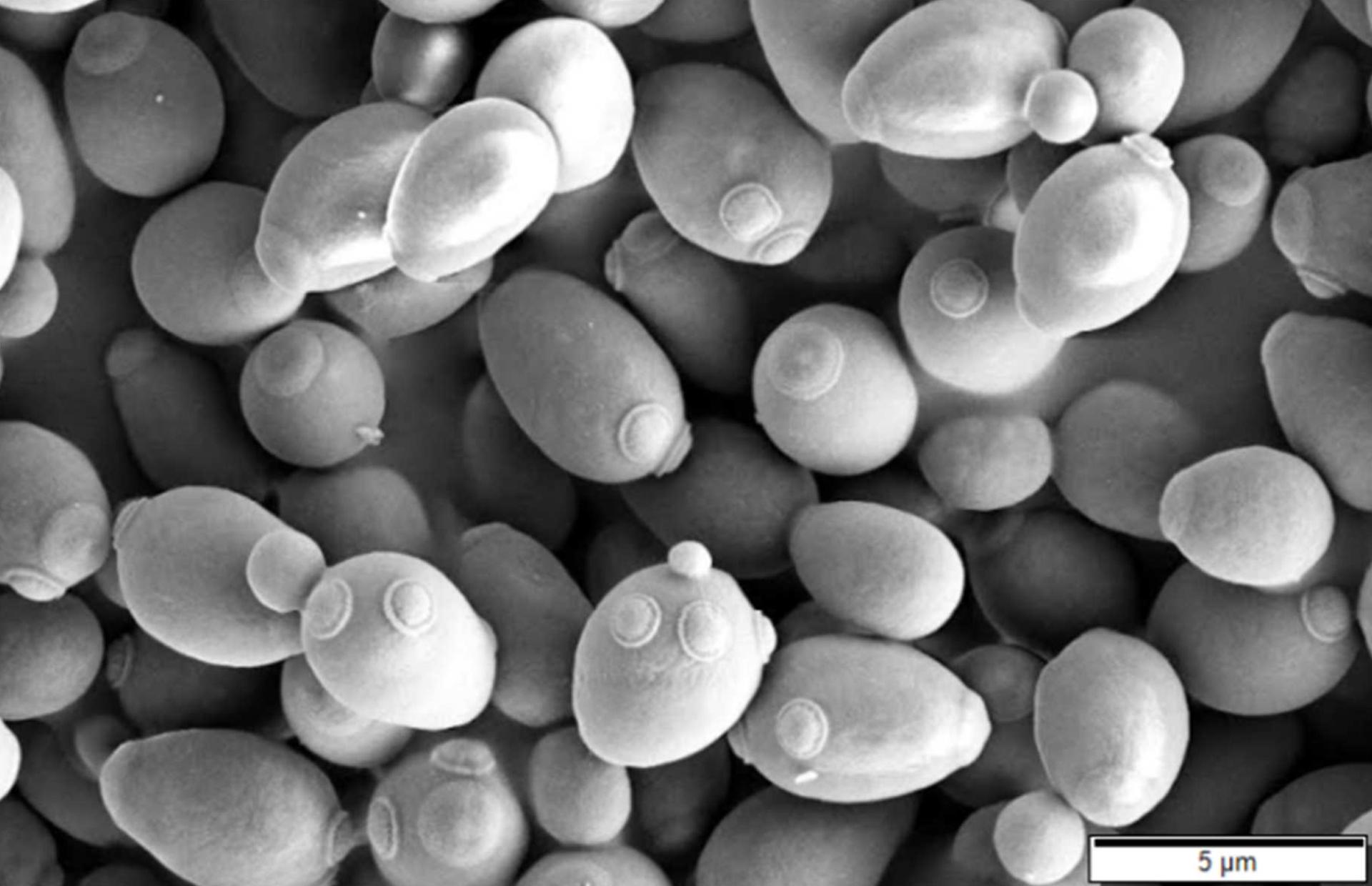
Argentina authorised SAF Argentina to commercialise the genetically modified yeast Saccharomyces cerevisiae Evolve Evergreen for ethanol production from starch-based biomass. Resolution 171/2026 was signed on 11 September and published on 14 September. The agriculture ministry describes the technology as intended to improve industrial ethanol performance and reports the biosafety evaluation supporting its intended use.
For corn-ethanol operators, the authorisation introduces another option for evaluating fermentation performance within an existing production system. The ministry’s announcement describes efficiency benefits. A quantified comparison under identified industrial operating conditions would give plant managers a firmer basis for evaluating adoption.
BEC’s reading: the commercial value will depend on the gain achieved under the operator’s own conditions. A useful adoption decision compares the value of additional saleable ethanol with the changes in process inputs, operating requirements and coproduct value.
Our analysis
The authorisation is a concrete regulatory step. Its scope concerns an industrial fermentation organism and the intended ethanol process. SAF Argentina is the authorised company’s name, and starch-based ethanol is the specified application. The immediate decision falls to ethanol operators evaluating their fermentation process.
Lesaffre’s technical overview explains the broader role of yeast in ethanol production and the treatment required to make different substrates fermentable. That context helps place the announcement at the conversion stage of the supply chain. It provides background on the mechanism, with the performance of this particular product requiring its own evidence.
An operator’s comparison would need a consistent feedstock basis. Grain moisture, starch content, process conditions and fermentation time can influence the measured result. A higher volume of ethanol has economic significance when the comparison also accounts for the inputs and operating changes required to obtain it.
The coproduct belongs in that assessment. Changes in the process can affect the overall mass balance and the characteristics or value of material sold into feed markets. BEC would therefore assess the combined output of the plant, using its actual customers and operating constraints as the commercial reference.
The evidence supporting adoption would include repeatable industrial trials, their comparator and the conditions under which the gain was measured. The public ministry release supplies an authorisation and qualitative performance claims. Plant-level savings, uptake and payback remain to be established.
This is a useful complement to the week’s new-project announcements. Process improvements can affect the economics of an existing asset, with their value determined by measured performance at that asset. The case becomes more commercially informative as operators disclose results that connect the biological change with net production value.
Sources
Argentina, official resolution summary and dates; Agriculture ministry, authorisation and stated purpose; Lesaffre, technical context for ethanol fermentation.
Persistent Developments
Bowie County’s woody-biomass rating puts delivery capacity in focus
The Bowie County BDO Zone assessment carries an issue date of 9 September 2026. Its strategic relevance continues through the identification of woody resources and infrastructure around Texarkana. The issuer estimates 500,000 bone-dry tons of pulpwood and 300,000 of forest residues per year within a 75-mile driving radius, while identifying limitations in logging labour, grinding capacity and transport economics.
BEC’s interpretation is that the equipment and contractor base will help determine how much of an assessed resource a new buyer can procure on schedule. The two biomass categories require their own harvesting and processing arrangements. A supplier programme supported by actual prices, mobilisation capacity and commitments would move the investment case closer to industrial use. The rating remains an assessment of prospective supply and infrastructure, with each project responsible for securing its own deliveries. The Bowie assessment also concerns a different location from the Lufkin proposal discussed above.
Source: BDO Zone, dated assessment and stated constraints.
Brazil’s corn-ethanol expansion connects industrial heat with plantation lead times
An Itaú BBA assessment reported by JornalCana on 11 September 2026 examines the woody biomass needed to support Brazil’s corn-ethanol expansion, including energy plantations in Mato Grosso. The report’s scenario gives planted forest a strategic role in supplying process energy. Its importance extends to other regional biomass buyers, including grain drying and food-processing industries.
For BEC, the central issue is timing. A plant expansion creates a demand schedule; new plantations require establishment and growth before commercial harvests can support it. A credible supply plan must connect the transition period with the later plantation programme, accounting for competing customers and the cost of delivery. The attractive plantation returns described in the coverage belong to a model with specific assumptions. Site-level land costs, productivity, harvesting arrangements and purchase terms would determine the result for an actual investment. This remains a continuing development from the preceding week.
Source: JornalCana, 11 September account of the Itaú BBA assessment.
Intermediate oilseeds: the harvest window determines what fits in the rotation
ARVALIS’s technical account dated 30 May 2024 remains useful background for intermediate camelina and carinata systems. It explains how preceding crops, establishment conditions and harvest dates influence the place of an additional oilseed crop in a rotation. The article links summer camelina performance to rainfall, particularly at emergence, and discusses the importance of timely harvest before the following main crop.
BEC’s conclusion is that an additional crop needs to be assessed across the full rotation. Its own revenue must be considered alongside establishment risk, labour, inputs and any effect on the following crop’s sowing date or performance. A processor seeking dependable volumes would benefit from regional evidence covering both harvestable output and the crop’s fit within commercial farms. The practical investment case lies in systems that combine an additional marketable product with a workable agricultural calendar.
BEC Perspective
The week’s transactions put value on three different foundations of a biomass business: a customer willing to buy, a resource that can reach the plant economically, and an organisation capable of operating it. Belledune’s fuel agreements strengthen the customer side. CHS’s local meal market helps explain where processing capacity can earn its return. Kanadevia’s acquisition brings operating capability into an expanding asset portfolio. Each development addresses a different constraint on investment.
For a developer allocating capital, the implication is to establish which constraint governs the next stage. A long-term buyer can support financing while a proposed fuel plant still requires construction and commissioning. A large resource assessment can justify deeper investigation while contractor capacity limits the volume available on schedule. Investing in the unresolved part of the system gives greater meaning to the headline capacity or transaction value.
Landowners and agricultural suppliers influence that sequence. A plantation established against a credible future purchase programme can align its harvest with industrial demand. An intermediate crop can add supply where its establishment and harvest fit the main rotation. The commercial investment case depends on purchasing terms that cover the supplier’s seasonal costs and risks while preserving a competitive delivered price for the industrial buyer. Lampung’s trials and Brazil’s plantation discussion make those agricultural conditions part of the investment case.
Outlook
For Belledune and its proposed suppliers, financing, permits and construction schedules will determine how the newly announced commitments become physical deliveries. The utility's 2028-2030 conversion window gives forestry and agricultural suppliers a planning horizon, with the actual start of supply and fuel specifications still central to procurement decisions.
Lampung’s proposed December pilot start could begin to provide the data needed to compare feedstock and processing options, with the commercial expansion dependent on the economics demonstrated. In Wisconsin, construction progress and the development of procurement and product markets will give substance to CHS’s 2028 target. Both cases connect future industrial capacity with decisions farmers and suppliers must make earlier.
In European biomethane, the next useful evidence will concern how capital and operating capability translate into individual project delivery. Contracted supply, construction progress and operating performance will help distinguish the benefits of portfolio scale from exposures shared across sites. Lufkin has a nearer transaction timetable, with its disclosed October acquisition deadline placing financing and title resolution ahead of any dependable power-supply proposition.
For industrial buyers planning expansion, the practical investment case is to align those milestones with their own procurement and capital decisions. A project whose supply system is prepared in time can offer a different commercial proposition from one still resolving where its next season’s material will come from.
Developing a biomass or biofuel project?
BEC connects land and crop assessment with feedstock supply and industrial project development. Explore our services or contact BEC to discuss the agricultural and supply conditions relevant to your project.
Image credits and licences
Maps: BEC using Natural Earth public-domain geographic data; city and regional reference locations. Cover: licensed agricultural transport photograph.
- Quintin Soloviev / Wikimedia Commons · Original photograph · CC BY 4.0. Resized proportionally.
- Mogana Das Murtey and Patchamuthu Ramasamy · Original photograph · CC BY 3.0. Resized proportionally.
- Natural Earth: public-domain geographic data.

