

BEC RADAR INTELLIGENCE
14 September 2026
Bayer and Neste’s Newgold agreement brings a fuel buyer into the development of a winter oilseed supply chain, while Four Pride’s Cambodian pongamia programme adds a perennial crop opportunity. For growers, developers and investors, both raise a practical commercial question: which production systems can deliver competitive feedstock while fitting local farming conditions?
Biomethane procurement in the Czech Republic, industrial heat research in Japan and waste-to-methanol development in Australia extend that question from the field to the plant. Crop performance, recoverable biomass, logistics and purchase terms will determine where these opportunities become viable investments. US farm-practice guidance and the UK’s HVO trade decision add further considerations for fuel producers and their suppliers.
United States · Southern Great Plains
Bayer and Neste sign agreement to expand Newgold winter canola
The 9 September agreement targets oilseed production in the US Southern Great Plains, with hybrid launch planned for autumn 2027
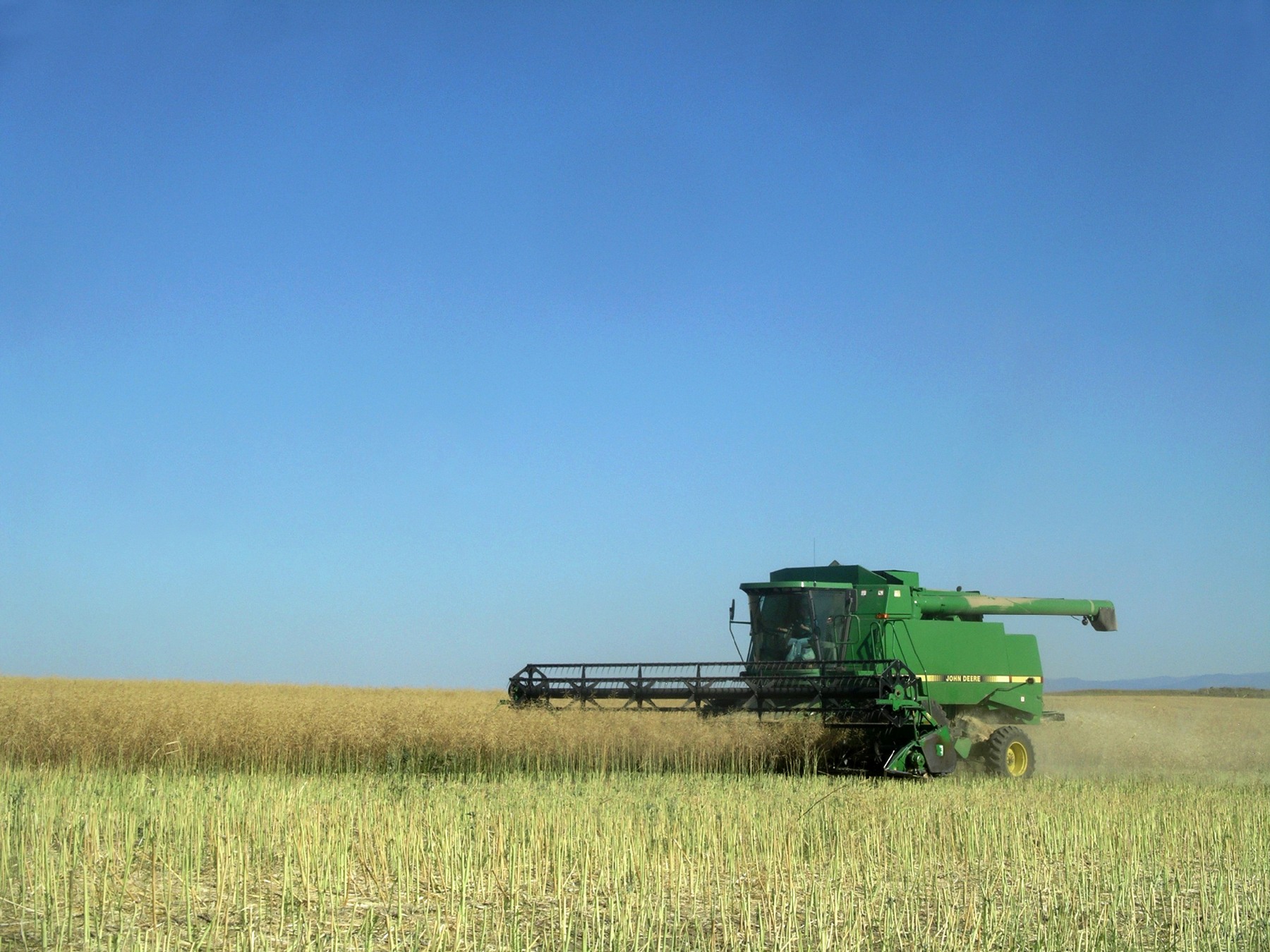
Bayer and Neste announced a commercial agreement on 9 September to expand Newgold winter canola in the Southern Great Plains of the United States. The partnership connects Bayer’s crop development with a renewable-fuel producer’s interest in additional oilseed supply, giving the programme a clearer commercial counterpart.
The companies describe winter canola as a crop for wheat-based rotations, supplying oil for renewable diesel and sustainable aviation fuel alongside protein meal for animal feed. Bayer plans a hybrid launch in autumn 2027. That timetable places the announcement in the development of future supply rather than current industrial-scale harvest deliveries.
The release does not disclose contracted hectares, annual oil volumes, grower prices or a guaranteed purchase schedule. Its immediate significance is the agreement between the two companies. Establishing how farmers, grain handlers and processors participate will determine whether that agreement becomes an attractive and repeatable regional cropping system.
Our analysis
A fuel customer can help define the quality, traceability and delivery requirements of a new crop programme early enough for growers to respond. The value of that coordination depends on practical contracts: planting decisions precede harvest income, and growers need clarity about acceptance standards, collection arrangements and how price changes are shared.
Rotation performance should be evaluated across the full farming sequence. Additional oil production is commercially useful when establishment, harvest timing and soil-water use fit the following crop. Comparisons should include the existing rotation, total farm margin, operational congestion and downside years, rather than considering the new oilseed in isolation.
The meal stream deserves equal attention in regional planning. A credible feed market can influence processing economics, storage requirements and the allocation of environmental impacts. Oil demand alone does not establish a viable local crushing chain. Meal quality, buyers and transport distances should therefore enter the assessment alongside fuel specifications and oil recovery.
Claims of lower lifecycle emissions will need an explicit baseline and auditable farm data. Fertiliser, field operations, crop yields, soil effects and processing energy can change the result substantially. The label winter crop cannot establish a particular carbon outcome without showing what land use and management would otherwise have occurred. The contract structure also needs to address crop failure and quality discounts. A grower should be able to compare expected margins with the existing rotation under dry conditions, not just under average yields. Regional trials that include establishment failures and the following wheat harvest would make those comparisons considerably more useful for expansion decisions.
A workable grower offer will connect seed availability and expected yield with purchase terms, quality specifications and a reliable collection network. For aggregators and processors, the planned autumn 2027 hybrid launch creates a preparation period for grower recruitment, storage arrangements and trial-based production budgets. Early coordination can reduce the risk of crop production expanding faster than the local handling system.
Sources
United States
IRS issues new 45Z guidance on clean-fuel emissions and agricultural inputs
Notice 2026-53, released on 8 September, updates the treatment of feedstock origin, farm practices and manure-derived fuels
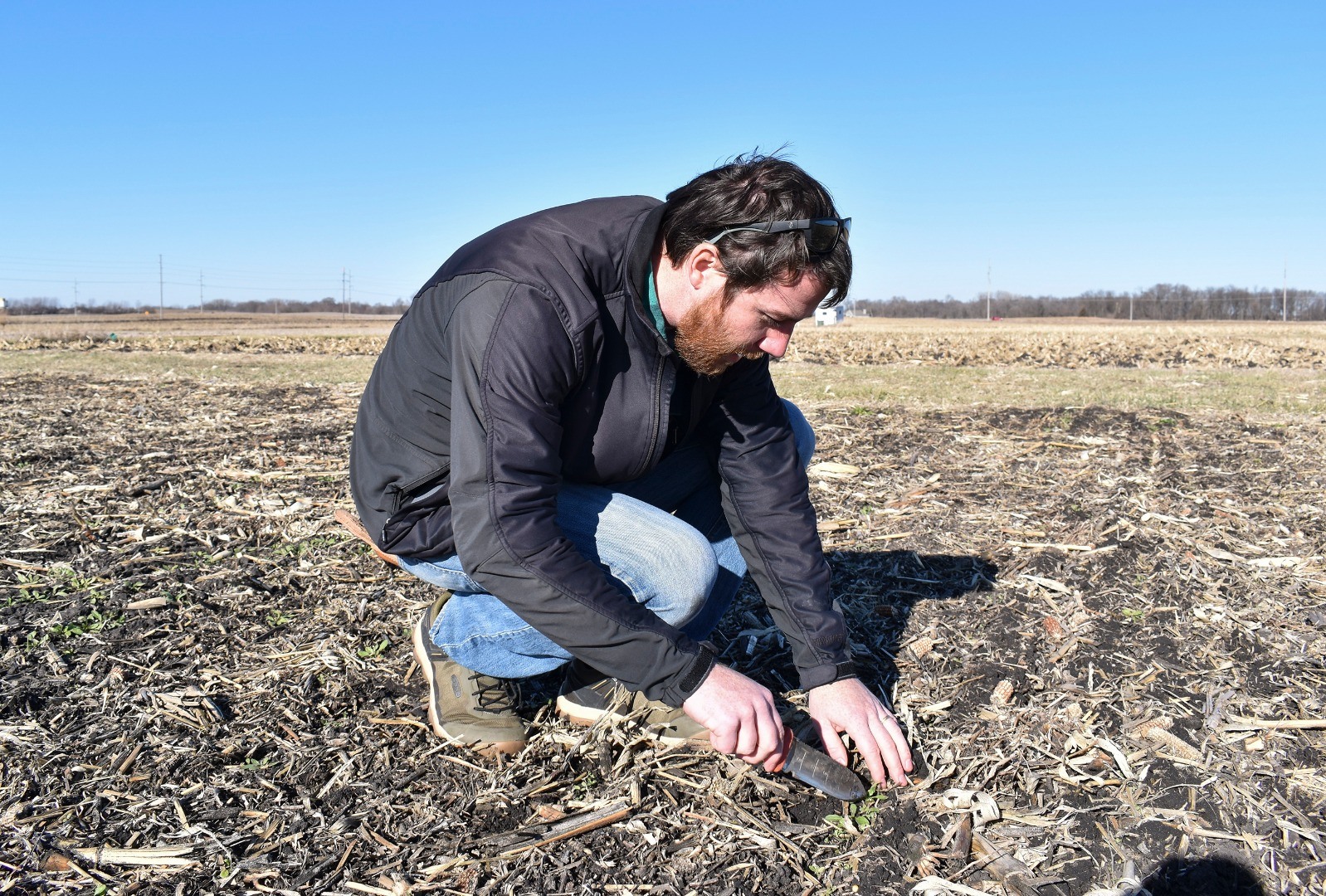
The US Internal Revenue Service issued Notice 2026-53 on 8 September, providing further guidance for the Section 45Z clean-fuel production credit. The notice addresses emissions calculations and agricultural inputs, making the treatment of the upstream supply chain a current issue for fuel producers and their feedstock partners.
The guidance includes treatment of qualifying agricultural practices and animal-manure pathways. It also reflects statutory changes affecting North American feedstock origin and the exclusion of indirect land-use change for fuel produced after 2025. Negative emissions treatment is restricted, with a specific exception for qualifying manure-derived fuel.
These provisions require pathway-specific reading of the notice and the applicable calculation tools. They do not establish a single credit value for every producer or crop. The dated guidance gives suppliers a basis for reviewing documentation and contract terms with the fuel producer responsible for the calculation.
Our analysis
Farm management can influence commercial value when an accepted calculation method recognises a measured change. That places greater importance on records linking a practice to the relevant feedstock, production period and fuel batch. Producers will need documentation that survives aggregation and processing rather than relying on a broad description of regenerative farming.
Feedstock origin restrictions can alter procurement choices before they change refinery technology. A facility may be technically capable of processing several oils or other inputs while facing different credit treatment for their origins. Contract specifications should distinguish physical suitability, sustainability certification and eligibility under the particular fiscal mechanism being claimed.
Manure-derived pathways require careful separation of avoided-emissions assumptions from measured plant performance. Methane capture, leakage, upgrading losses and the counterfactual management system are different elements of the assessment. A favourable model result cannot substitute for operating evidence, and project comparisons need consistent boundaries before they can inform investment or feedstock decisions.
The new guidance strengthens the case for connecting agronomy with data custody. Field identifiers, input records, harvest quantities and custody transfers are easier to maintain when responsibilities are agreed before production. Costs of measurement and verification should be allocated explicitly between growers, aggregators and fuel producers, alongside any premium they expect to share. Traceability systems should also distinguish a practice claim from its quantified emissions effect. A documented operation may still produce different results under different yields, soils or calculation assumptions. Reviewing the underlying inputs and version of the model is essential when comparing credits across projects or negotiating a premium based on a claimed carbon benefit.
The commercial opportunity for growers and feedstock suppliers lies in contracts that connect documented farm practices with a defined share of the value recognised by the fuel producer. Responsibility for records, verification costs and rejected claims needs to be allocated at the outset. Otherwise, upstream suppliers may incur additional costs without a predictable improvement in their realised price.
Sources
Cambodia
Four Pride announces Cambodia pongamia programme with a 100-hectare first phase
The company’s 10 September release reports planting started in August and describes approximately 100 hectares as planned initial scope
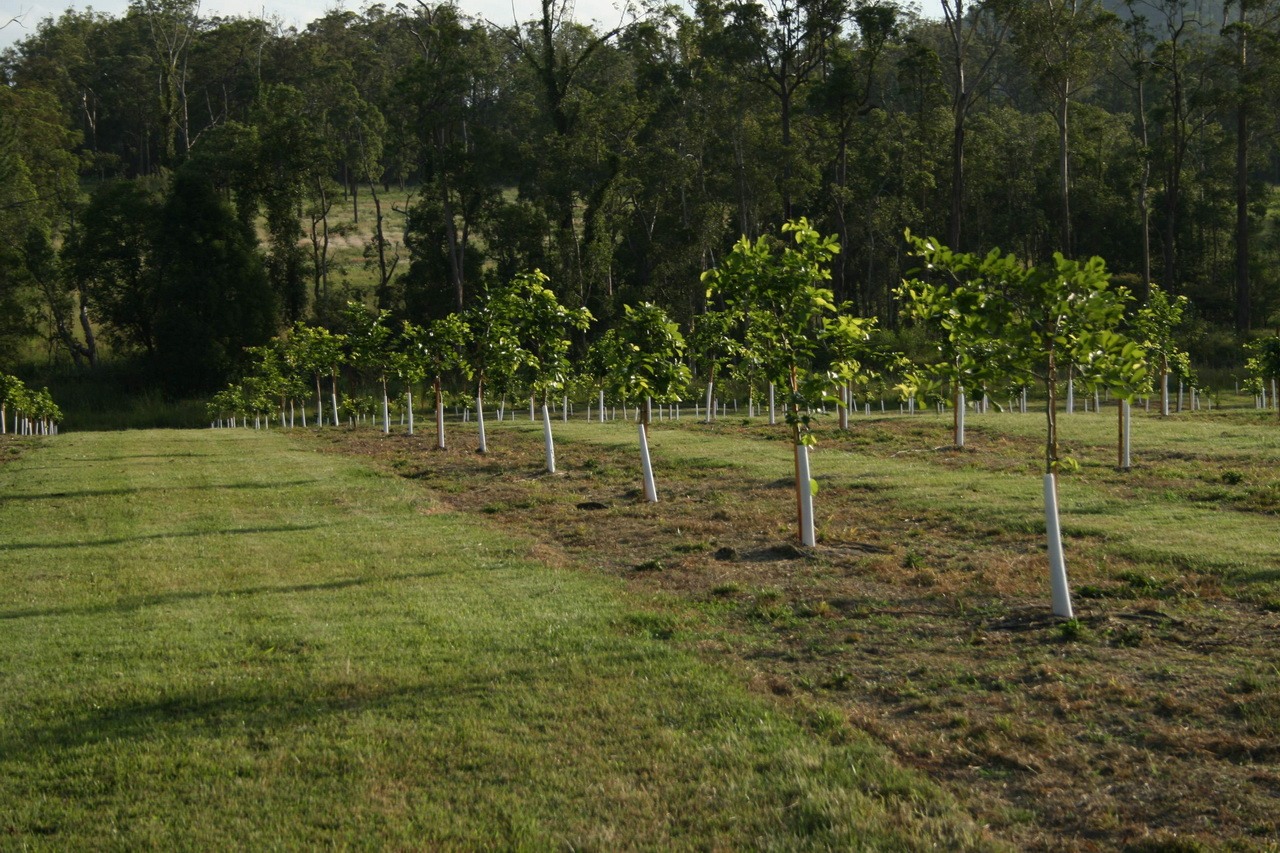
Four Pride announced on 10 September that it had started a pongamia planting programme in Cambodia during August. Its Japanese-language release describes an initial phase of approximately 100 hectares and refers to local collaboration. The programme combines a perennial oilseed species with local collaboration and a phased establishment plan.
The company presents the programme as a use of underutilised land and relates it to its broader experience with pongamia in Southeast Asia. The stated area is a first-phase plan. The announcement supplies no independently measured planted-area total, harvest result, oil yield or binding fuel purchase agreement.
The current development is therefore the company’s disclosure of an early planting programme, rather than proof of an established commercial feedstock basin. Its relevance lies in the combination of a perennial species, a defined initial scale and a new geography. The land and agronomic assumptions remain central questions for subsequent assessment.
Our analysis
Perennial oilseed projects require a different appraisal horizon from annual crops. Establishment costs and the period before useful harvests affect grower cash flow, land commitments and financing structure. A planting announcement becomes more informative when accompanied by the age distribution of stands, survival results and an explicit production ramp rather than a mature-yield target alone.
An initial area can provide a useful operational test if it represents the conditions expected during later expansion. Soil variation, drainage, planting material, access and management intensity should be documented. Results from favourable plots should not be extrapolated across a larger landscape without showing where comparable land and operational capacity are available.
The description of land as underutilised needs local evidence. Existing livelihoods, grazing, biodiversity, tenure and competing uses can remain important even where commercial cropping is limited. A defensible project assessment should identify those conditions before claiming restoration benefits or assuming that the land has no productive or environmental function.
Harvest and processing arrangements will eventually determine whether biological production reaches a fuel market. Collection costs, seed handling, extraction performance and the destination of co-products belong in the same development plan as planting. Until those links are disclosed, the announcement supports an establishment-stage assessment with a substantial commercial chain still to be demonstrated. Replication will depend on planting-material supply as well as land. Nursery capacity, genetic consistency and phytosanitary controls can constrain expansion even where initial field results are promising. Establishment records should therefore retain the origin and handling of material, allowing later differences in growth or survival to be investigated rather than attributed automatically to climate.
A phased establishment plan can protect capital while survival, growth, harvesting requirements and oil recovery become better understood under local conditions. Nursery capacity, planting-material provenance and a credible processing route belong in the same investment plan. Expansion based on several seasons of measured performance provides a stronger basis for procurement commitments and working-capital planning.
Sources
Four Pride · Japanese corporate announcement, 10 September 2026
Czech Republic
Czech ministry reports biomethane applications nearly four times the auction quota
The Ministry of Industry and Trade reported 63 applications on 8 September against a 45-million-Nm³ annual auction quota
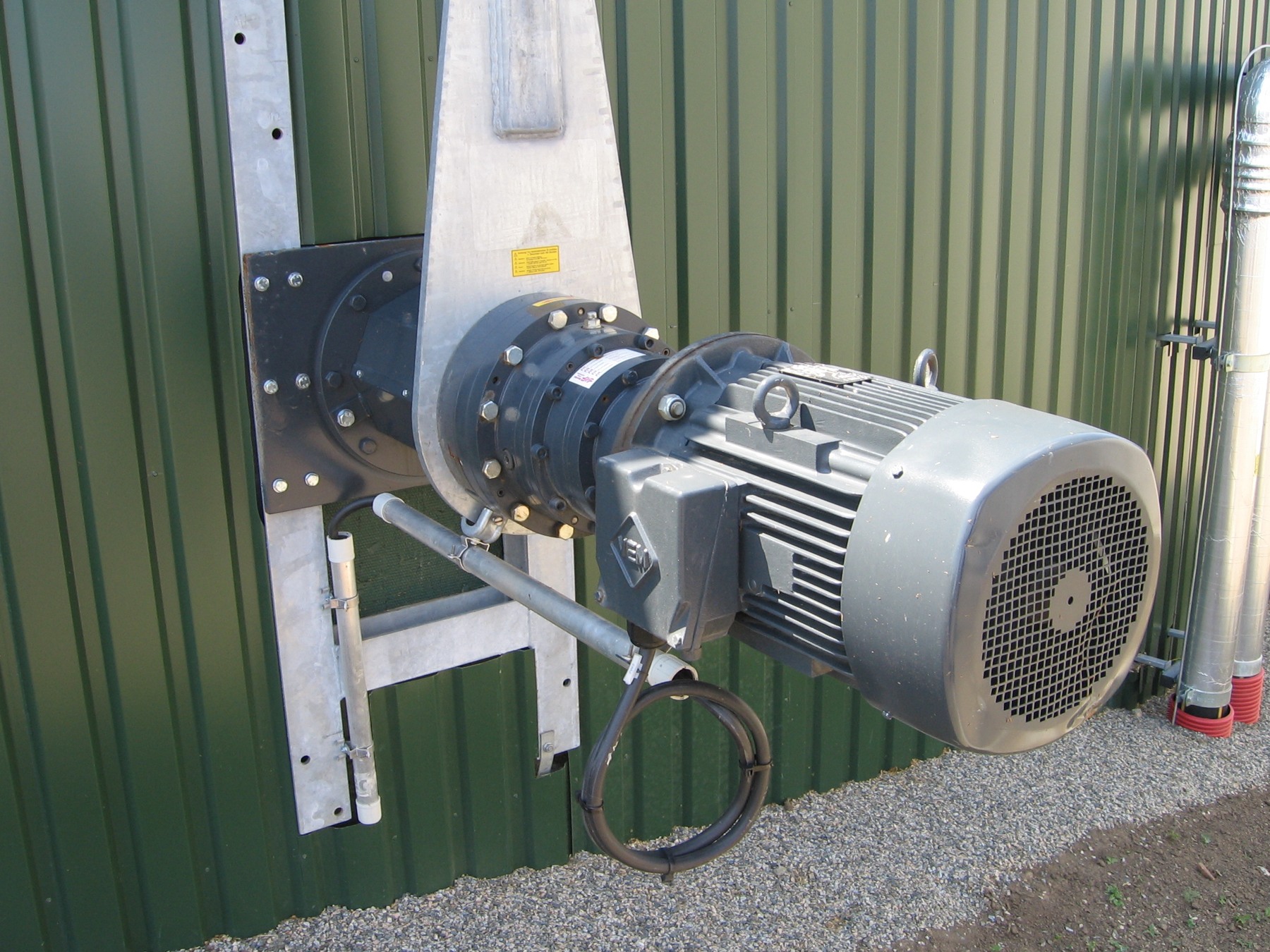
The Czech Ministry of Industry and Trade reported on 8 September that the country’s first operating-support auction for biomethane attracted 63 applications. Together, applicants sought support for 176,407,035 normal cubic metres per year, compared with an auction quota of 45 million normal cubic metres per year.
The requested annual volume was approximately 3.92 times the quota, calculated from the ministry’s published figures. The figures show substantial competition for the support envelope. Awards, project financing and commissioning schedules will determine the resulting demand for feedstock, construction services and grid capacity across the participating regions. Existing and prospective suppliers face a developing market whose eventual scale depends on those investment decisions.
The ministry’s update gives a quantified indication of developer interest in the support mechanism. The commercial significance will depend on awarded projects, their development status and delivery obligations. It also raises a practical question for feedstock markets: how much of the competing project pipeline can secure sustainable local inputs at workable cost?
Our analysis
Strong application demand can make an auction competitive without resolving the development risks of its participants. The relevant follow-up is the distribution of awards by project readiness, location, input type and planned output. A large application pipeline can contain projects at very different stages of permitting, financing and connection preparation.
Feedstock competition should be assessed at the catchment level. Several projects drawing on similar residues or agricultural inputs can make individually reasonable supply plans inconsistent when combined. Regional resource accounting should include existing users, seasonal availability, recoverable fractions, storage losses and the cost of moving material between the farm and the digester.
Existing biogas plants may face different conversion economics from new developments. Upgrading, connection and changes to heat use can reshape the revenue balance of an established facility. For a new plant, construction and establishment costs are more extensive. Those distinctions matter when assessing what a successful support bid means for eventual delivery.
The support instrument should be read together with sustainability conditions and operational obligations. A quoted reference price alone cannot describe the economics of a project with variable input costs or constrained grid access. Contract duration, indexation, eligible production and penalties for underdelivery can determine how much risk remains with the operator. Actual gas delivery will also depend on connection capacity and gas-quality acceptance. Projects competing for support may share network constraints even when their feedstocks differ. A regional development picture should include the timing and cost of grid works, so an awarded production entitlement is not treated as immediately available injection capacity.
For developers, the strongest auction position will combine a competitive support bid with a secured local resource base and a feasible grid connection. Suppliers can use the emerging project pipeline to assess future demand, competing buyers and the value of storage or aggregation services. Procurement commitments should reflect the commissioning schedules and financial capacity of the projects they serve.
Sources
Brisbane · Queensland · Australia
Mitsui Kinzoku announces waste-to-methanol demonstration with Wildfire in Brisbane
Mitsui Kinzoku’s 9 September release describes a 2026–2028 demonstration and a separate larger-scale feasibility study
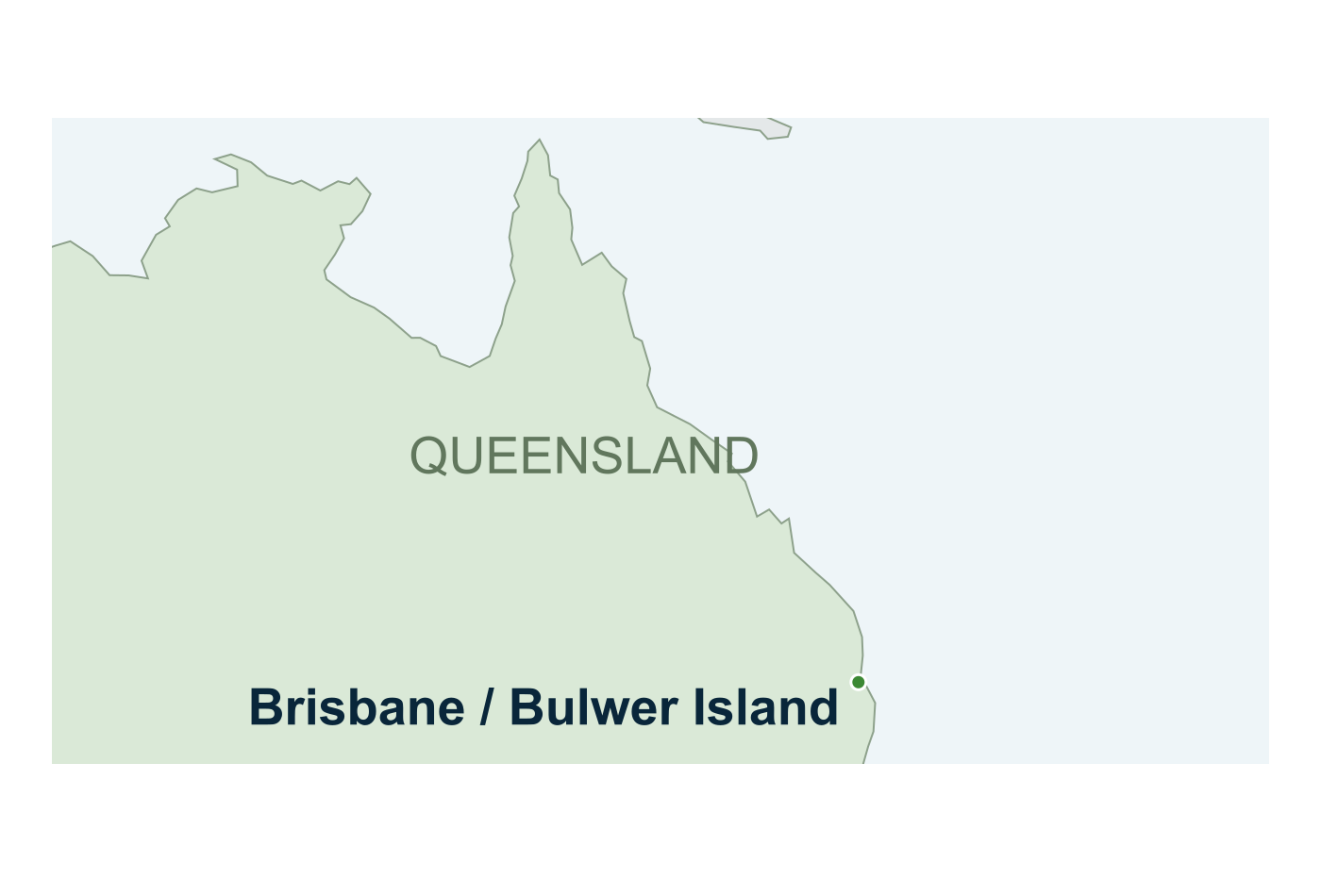
Mitsui Kinzoku announced on 9 September a collaboration with Wildfire Energy to demonstrate waste-to-methanol production in Brisbane. The planned work combines Wildfire’s gasification approach with Mitsui Kinzoku’s methanol synthesis technology. The company describes a demonstration period running from 2026 to 2028.
The release also refers to a feasibility assessment for a larger facility processing more than 200,000 tonnes of waste annually. That figure concerns a potential future input scale, separate from the demonstration. It is neither an announced methanol output nor evidence that an industrial plant of that size has reached an investment decision.
Possible further conversion of methanol into aviation fuel adds strategic interest, although the announced development does not establish commercial SAF production. The immediate technical issue is the integration of waste preparation, gasification, gas treatment and synthesis into a reliable operating system with a documented feedstock and product balance.
Our analysis
Variable waste composition creates a demanding test for integrated fuel production. Moisture, ash, contaminants and the balance of biogenic and fossil-derived material can affect both operation and lifecycle accounting. A credible demonstration should publish the feedstock specification and sampling basis alongside output, so performance can be interpreted beyond a selected test run.
Gas quality is a critical interface between the two technology packages. The synthesis stage depends on consistent conditions that upstream conversion and cleaning must deliver. Evaluation should therefore include contaminant removal, conditioning requirements and system availability, with attention to how maintenance or a disturbance in one unit affects the complete plant.
The stated future waste throughput is useful for understanding ambition but cannot be converted into saleable fuel without a demonstrated yield and operating schedule. Product recovery, auxiliary energy, downtime and residue handling all enter the calculation. Scale-up assessments should reconcile these factors before presenting an annual fuel volume or a commercial cost.
Carbon accounting needs to distinguish renewable carbon from any fossil-derived fraction in the incoming waste. The destination of separated carbon and residues also matters. Buyers seeking a particular fuel certification will need a documented method that connects feedstock composition, conversion losses and the final product rather than treating all waste as uniformly renewable. The comparison with other conversion routes should use the same waste boundary. Avoided disposal, recovered heat and co-products can change reported costs or emissions when included selectively. An assessment that reports these contributions separately will be easier to compare with biomass-only projects and with facilities that use a different mix of incoming material.
Investment in a larger facility will depend on how sustained demonstration performance translates into the cost of saleable methanol. Feedstock acceptance criteria, availability, maintenance, utilities and residue disposal all affect that calculation. A supply contract and an offtake agreement built around the same operating assumptions would help align the interests of the waste supplier, technology providers and fuel buyer.
Sources
Japan
NEDO opens a study tender on regional biomass for industrial biogas heat
The call published on 10 September seeks value-chain evidence for a possible programme from fiscal 2028

Japan’s New Energy and Industrial Technology Development Organization opened a call on 10 September for a study of industrial heat supplied by biogas from regional unused biomass. The assignment examines the value chain and the case for further technology development, rather than awarding construction of a commercial plant.
The work is intended to inform the necessity and feasibility of a possible programme from fiscal 2028. Proposals are due on 19 October at noon Japan time, with the study scheduled to run until 28 December 2027. These are procurement and research milestones, not expected dates for commissioned heat supply.
The call links resource availability with conversion and industrial use, making local supply conditions part of the technical question. For biomass practitioners, its significance is the formal demand for evidence about an integrated regional system. The eventual study design will determine whether that evidence captures seasonal availability and practical delivery constraints.
Our analysis
Industrial heat can provide a relatively concentrated customer for renewable gas, but the demand profile has to match the supply system. Temperature, pressure, continuity and plant shutdown periods influence usable energy and backup requirements. An annual energy total is insufficient to demonstrate that a biomass-derived gas system can meet a factory’s operating needs.
The available resource should be expressed as collectable and contractable material. Gross estimates often include fractions that are dispersed, already used or costly to recover. Local surveys should distinguish wet and dry matter, collection frequency, contamination and distance, then connect those quantities with the process capacity and storage strategy under consideration.
Seasonality can shift costs between farms, aggregators and industrial users. A system designed around average supply may require substantial storage or alternative inputs during part of the year. Study scenarios should examine those choices explicitly, including losses, working capital, transport peaks and the implications of changing the input mixture.
Integration with an existing heat system also affects the commercial boundary. Gas conditioning, burners, controls, reliability provisions and the treatment of digestate can belong to different parties. A useful development programme would identify those responsibilities early and compare total delivered heat cost with the relevant local alternative on consistent assumptions. The study should also examine how supply contracts respond to competing uses of biomass. A resource that appears inexpensive before a new buyer enters can become more costly as demand grows. Sensitivity analysis should include realistic alternative uses and collection costs, rather than treating the current availability estimate as a fixed long-term price.
Japan’s study creates an opportunity to develop industrial heat projects around regional supply networks and existing factory demand. The strongest configurations are likely to combine manageable collection distances, useful digestate outlets and a heat customer whose operating profile matches gas production. Those advantages can be tested during project development before committing to a larger investment programme.
Sources
United Kingdom · United States trade
UK confirms it will not impose proposed countervailing duties on US HVO
The TRA published its final determination on 10 September, with subsidisation and injury findings but no duties after the economic-interest assessment
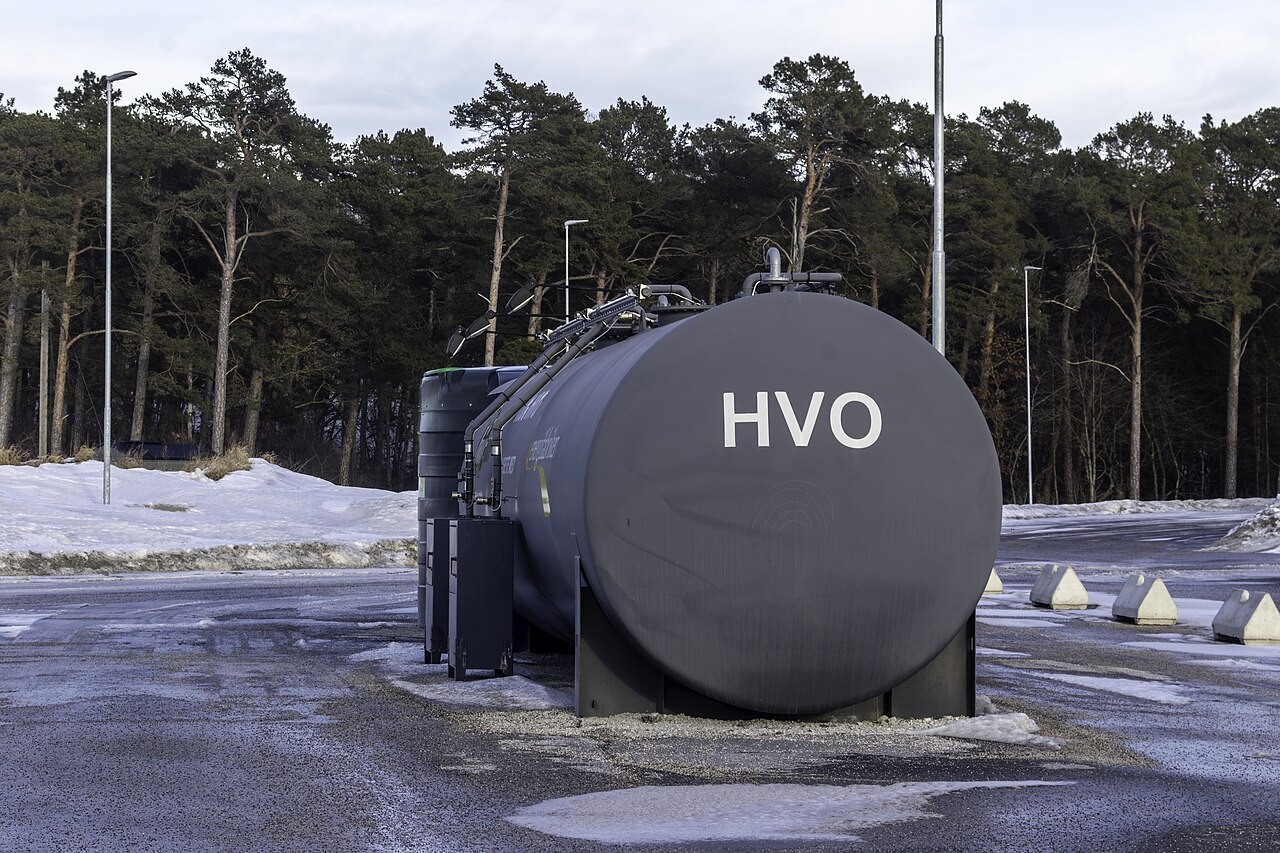
The UK Trade Remedies Authority published its final determination on US hydrotreated vegetable oil biodiesel on 10 September. The investigation found subsidisation and injury, but the recommended measure did not pass the economic-interest test. The minister decided not to impose the proposed countervailing duties.
The decision concerns the investigated HVO biodiesel imports. Sustainable aviation fuel is outside the investigation’s product scope. For suppliers serving both road transport and aviation, the product boundary matters when comparing market access, customer contracts and the destination of eligible feedstocks.
The determination leaves the identified countervailing measure unapplied while retaining the authority’s findings about the investigation. It is therefore a concrete change in the expected trade-policy outcome. It does not by itself demonstrate a change in import volumes, delivered fuel prices or the operating performance of UK fuel producers.
Our analysis
Trade treatment can influence the relative position of different renewable diesel supplies without changing their physical properties. Purchasers still compare specification, certification, logistics and price. The absence of this measure removes one prospective cost from the transaction calculation, while other market and regulatory conditions continue to determine the attractiveness of particular cargoes.
The case also illustrates why different diesel substitutes need to be analysed separately. HVO and fatty-acid methyl ester biodiesel can serve overlapping markets while differing in production assets and use characteristics. A conclusion about competitive effects should identify the products and producers examined rather than treating the entire biofuel sector as one uniform industry.
Upstream consequences depend on how refiners and traders respond. Additional sales into one market could alter demand for eligible fats and oils, but the direction and scale require evidence of procurement or shipments. An announcement about duties should therefore be followed through commercial data before it is translated into a new feedstock-demand forecast.
Contracts exposed to policy uncertainty benefit from a clear allocation of taxes, duties and changes in law. The final determination can help counterparties settle one element of that uncertainty. It does not remove risks around sustainability documentation, input price movements, freight or differences between expected and accepted product specifications. The authority’s findings on subsidisation and injury remain relevant to future trade-policy uncertainty. Buyers with long-term delivery commitments can address that exposure through review clauses, diversified sourcing and a clear definition of which party carries the cost of a subsequent regulatory change.
For HVO buyers and suppliers, the decision changes one part of the landed-cost calculation and leaves procurement strategy sensitive to feedstock prices, freight and certification. Supply offers can now be compared without the proposed countervailing duty, while contracts still need to allocate other tax, specification and sustainability obligations. Commercial gains will depend on the terms available to each buyer.
Sources
Persistent Developments
Longer-term developments shaping future feedstock demand and investment.
Be8’s winter-cereal biorefinery in Passo Fundo
Be8’s winter-cereal biorefinery in Passo Fundo could create a substantial new outlet for grain within southern Brazil’s rotations. The company’s August construction update targets production in March 2027. For growers and aggregators, the opportunity depends on crop specifications, delivery windows, storage capacity and purchasing terms. The timing of grain intake will influence when these requirements begin to affect planting and procurement decisions.
Biomass-linked data-centre development in West Virginia
The Nscale Monarch proposal in Mason County links prospective data-centre demand with possible biomass generation. Regional reporting on 8 September builds on earlier permitting and certification developments. A firm power contract could support long-duration fuel demand, with implications for regional biomass aggregation and transport infrastructure. Financing, power-purchase terms and a dependable resource base remain central to the proposal’s commercial prospects.
BEC Perspective
For a fuel producer, an additional tonne of oil or biomass has value when its delivered cost, quality and supply reliability fit the plant. Winter oilseeds can add a revenue stream within existing rotations, but their attractiveness to farmers depends on establishment costs, harvest timing, effects on the following crop and a buyer able to offer workable terms. Those conditions need to be built into the supply programme from the outset.
Perennial crops introduce a different investment profile. Establishment capital and the interval before useful harvests make site selection, planting material and phased expansion particularly important. Where a project also targets soil improvement, revegetation or productive use of underutilised land, agronomic design must address those objectives alongside fuel output. Local water conditions, land tenure and existing livelihoods shape both performance and the scope for replication.
BEC’s perspective is that feedstock development and industrial design need to advance together. Plant capacity, storage, preprocessing and supply contracts are interdependent choices. A regional assessment that tests seasonal volumes, competing uses and delivered cost can inform where to locate a facility, how large to build it and which crop-residue combinations offer a resilient supply base.
Outlook
Commercial advantage is likely to favour projects that organise growers, planting material and logistics ahead of processing demand. The Newgold programme and Be8’s planned grain intake illustrate the preparation needed between a buyer’s commitment and a functioning supply chain. Clear procurement terms can give growers confidence to participate while helping processors plan utilisation and working capital.
For biomethane and industrial heat, local resource competition and infrastructure will shape which opportunities advance. Czech auction participants will need to align feedstock supply with financing and connection schedules; Japan’s regional approach puts similar emphasis on the relationship between resources and industrial demand. In waste-to-methanol, sustained integrated performance will be central to assessing larger investments. Across these pathways, supply-chain preparation can become a competitive advantage before construction begins.
Developing a biomass or biofuel project?
BEC supports feedstock assessment, crop-system design, supply-chain development and project due diligence. Discuss your location, intended pathway and supply requirements with our team.
Image credits and licences
USDA photographs: Dennis Roe (winter canola harvest) and Katherine Kral-O’Brien (winter camelina assessment), USDA Agricultural Research Service; public domain. Maps: BEC, using Natural Earth public-domain geographic data.
- Jumanous / Wikimedia Commons · Pongamia plantation, Caboolture · CC BY-SA 3.0.
- RomanM82 / Wikimedia Commons · Biogas plant, Bořetice · CC BY-SA 4.0.
- Bene Riobó / Wikimedia Commons · HVO storage, Visby · CC BY-SA 4.0.

_-_Biogas_Plant,_pic03.jpg)
