
BEC Radar Intelligence — 7 September 2026
This weekly edition tracks decisions and operating evidence that shape biomass, biofuels, biomethane, carbon removal and project delivery. Seven developments were selected from the final evidence window, with the emphasis placed on physical milestones, signed agreements, enacted rules and measurable results.
The edition moves from demand creation and asset ownership to feedstock execution, finance and certificate infrastructure. Each item separates confirmed current facts from forward targets and sets out the evidence that will determine commercial relevance.
SINGAPORE | SAF PROCUREMENT | POLICY EXECUTION
Singapore
Singapore confirms SAF levy collection and centralised procurement
CAAS announced a 1 October 2026 sales-date trigger for flights departing from 1 January 2027
.svg)
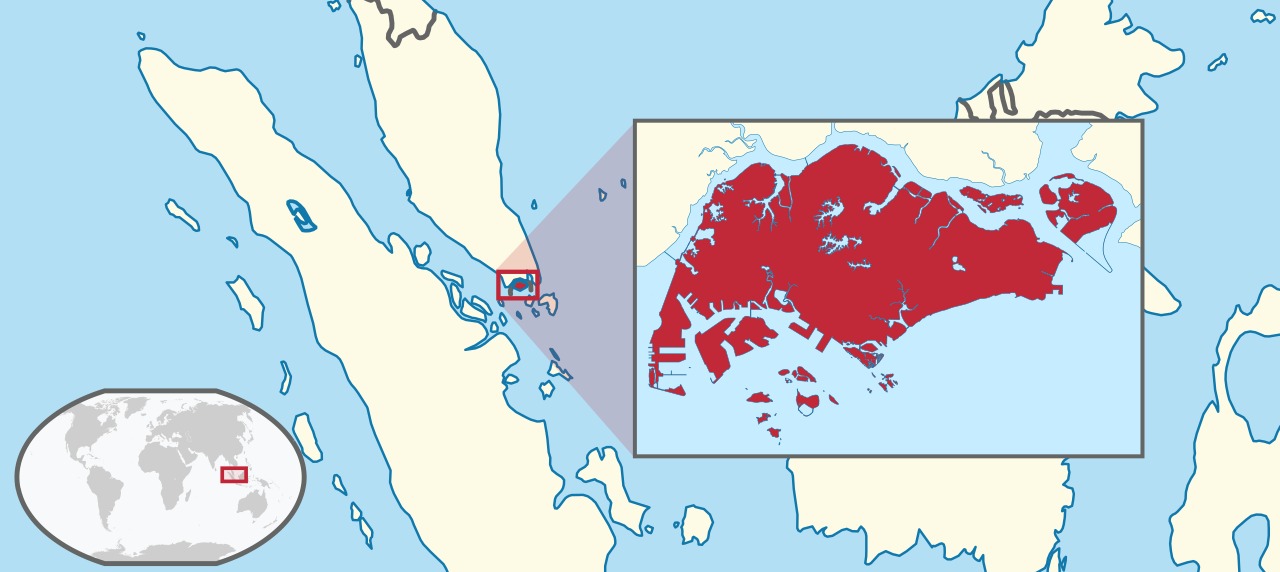
Singapore's Civil Aviation Authority announced that the sustainable aviation fuel levy will apply to passenger and general or business aviation services sold from 1 October 2026 for departures from 1 January 2027. The schedule converts a broad policy direction into a dated collection mechanism and gives airlines, travel intermediaries and fuel suppliers a defined implementation horizon.
Receipts will flow into a statutory SAF Fund, while the new Singapore Sustainable Aviation Fuel Company will aggregate demand and procure both physical fuel and associated environmental attributes. Cargo treatment has been deferred for one year. That separation matters because purchasing, delivery, accounting and attribute retirement can occur through different contractual and logistical channels.
The announcement establishes the operating architecture, while tender size, eligible pathways, certification, supplier awards, delivered price and physical volumes remain open. Those terms will determine how much demand reaches producers and which feedstock systems can compete. Singapore's approach is especially relevant to projects seeking a credible buyer structure before large production assets reach financial close.
Our analysis
Centralised procurement can reduce fragmentation in an early market. A single buyer can aggregate small passenger levies into larger tenders, standardise certification and create a clearer contracting interface for producers. The model may also improve transparency around environmental attributes, provided the tender documents define delivery points, ownership, retirement rules and audit responsibilities precisely.
The decisive feedstock question sits behind pathway eligibility. HEFA volumes remain constrained by suitable fats and oils, while alcohol-to-jet and thermochemical routes depend on certified ethanol, residues or purpose-grown biomass. Tender rules that recognise several pathways can broaden supply, yet lifecycle thresholds, traceability and land-use treatment will shape which molecules qualify in practice.
Price risk is likely to be distributed across the levy, fund and procurement contract. Developers need to know whether awards contain fixed prices, indexation, floors, volume flexibility or attribute-only transactions. Lenders will also test counterparty strength and payment security. A public fund can strengthen demand visibility when its cash collection and purchase obligations are clearly linked.
Physical delivery remains distinct from book-and-claim accounting. Singapore can support fuel produced elsewhere, though infrastructure at origin and destination still has to handle blending, custody and documentation. The first tenders should show whether suppliers deliver fuel into Changi's system, transfer attributes across recognised registries or combine both routes under one verified framework.
The next evidence will be the procurement timetable, tender volumes, contract term, approved sustainability schemes, winning suppliers and realised deliveries. Passenger levy rates and expected collections will indicate purchasing power. Later disclosure of fuel origin, feedstock category and verified lifecycle intensity will show how the policy influences real upstream investment and diversified supply.
Sources
BRAZIL | ETHANOL BUNKERING | BIOMETHANE
Santos and São Paulo, Brazil
Copersucar reports transoceanic ethanol bunkering and higher biomethane use
Copersucar reported a July marine-fuelling milestone and 6.5 million cubic metres of biomethane use
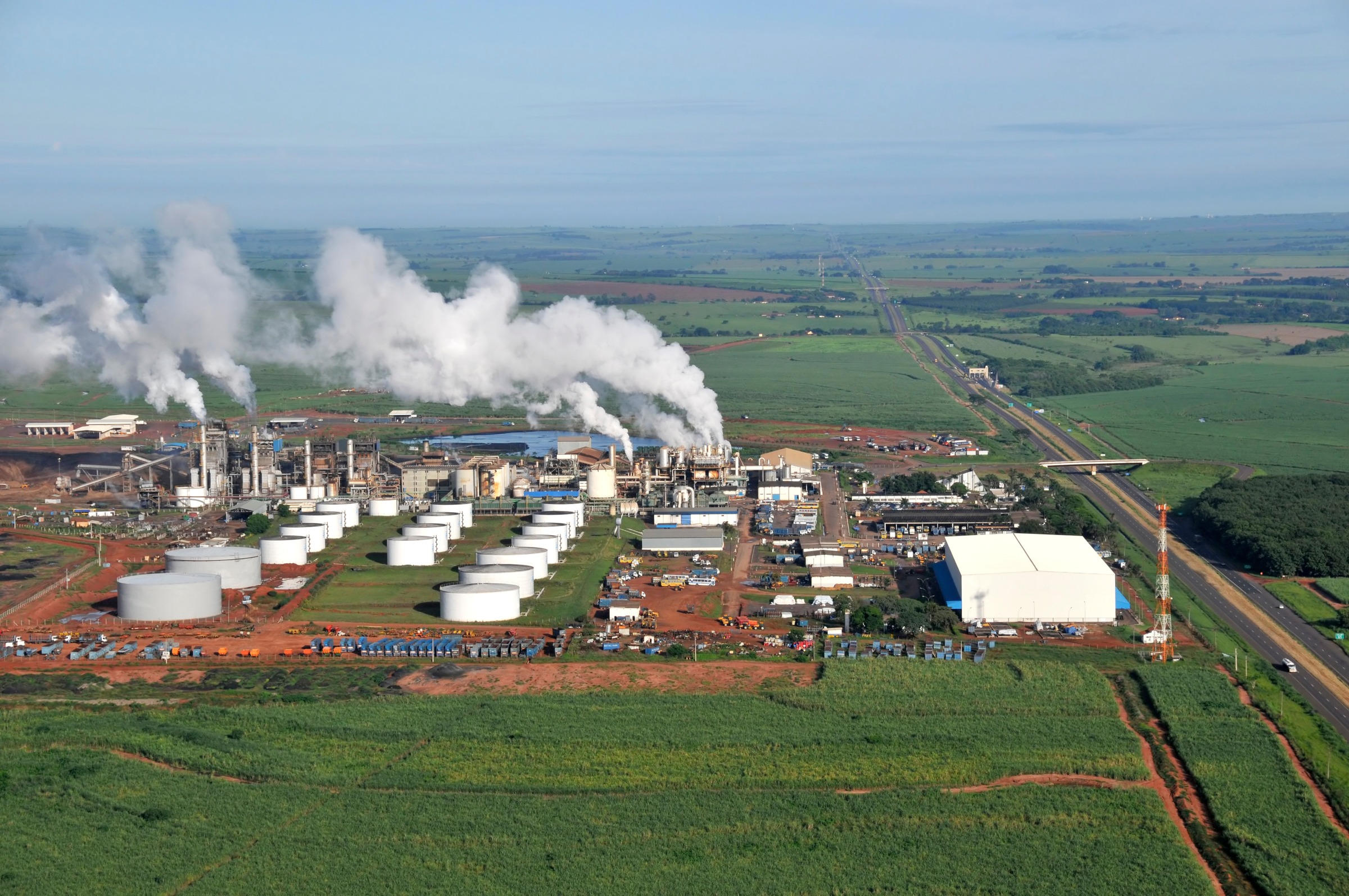
Copersucar reported Brazil's first ethanol bunkering of a transoceanic container ship, completed at the Port of Santos in July 2026. Its current sustainability release also records 6.5 million cubic metres of biomethane used across logistics and industrial operations during the 2025/26 crop year, a company-stated increase of 150 percent.
The reported biomethane volume displaced 6 million litres of diesel across a fleet of more than 70 trucks and seven carriers. Copersucar also says 14 percent of associated-mill road sugar volume moved through its BioRota programme and reports 6.5 terawatt-hours of electricity generated from cane biomass. These figures describe physical operating activity rather than announced design capacity.
The marine milestone opens a route for ethanol beyond conventional road-fuel markets, while repeat demand is still unproven. Vessel operator, exact fuel specification, blend, delivered volume and commercial terms were absent from the reviewed release. The biomethane result also needs reconciliation with a June estimate that cited approximately 5 million litres of diesel displacement.
Our analysis
Marine ethanol can expand the value of integrated cane systems when ship engines, fuel standards and port logistics align. One bunkering event demonstrates handling capability and stakeholder coordination. A recurring commercial lane would require repeat vessels, defined volumes, compatible engine fleets, reliable terminal procedures and a fuel contract that allocates price and performance risk.
The biomethane programme has a clearer operating base because fleet size, carriers, gas volume and diesel displacement are quantified. The key comparison is energy-equivalent service delivered per vehicle and route. Kilometres travelled, truck utilisation, refuelling availability and methane losses will determine whether the programme produces repeatable cost and emissions gains across the wider logistics network.
Cane-sector integration offers several feedstock and energy streams: ethanol, bagasse power, filter cake, vinasse and biomethane. Their value depends on local mill configuration and seasonal balance. Biomethane can support heavy transport or industrial heat, while exported electricity competes for bagasse. Transparent mass and energy balances would show how each outlet affects the others.
A sustainability report supplies company measurements and methodology, though independent reconciliation remains useful for investor and customer decisions. The June-to-September diesel figures may reflect a later cut-off or an expanded boundary. The full report should clarify reporting period, conversion factors, fleet ownership, purchased versus produced biomethane and the treatment of lifecycle emissions.
The next tests are a named marine counterparty, fuel standard, bunkered volume, repeat sailing and commercial terms. For biomethane, contracted supply, verified gas quality, fleet kilometres, fuel cost and audited emissions would convert the current result into a stronger replication case. Mill throughput and exported-power boundaries should accompany future scale claims.
Sources
BRAZIL | SUGARCANE ASSETS | M&A
Junqueirópolis and Guararapes, São Paulo, Brazil
Bunge signs the sale of two Brazilian sugarcane mills to COFCO International
Bunge announced an agreement covering Rio Vermelho and Nova Unialco, subject to customary conditions
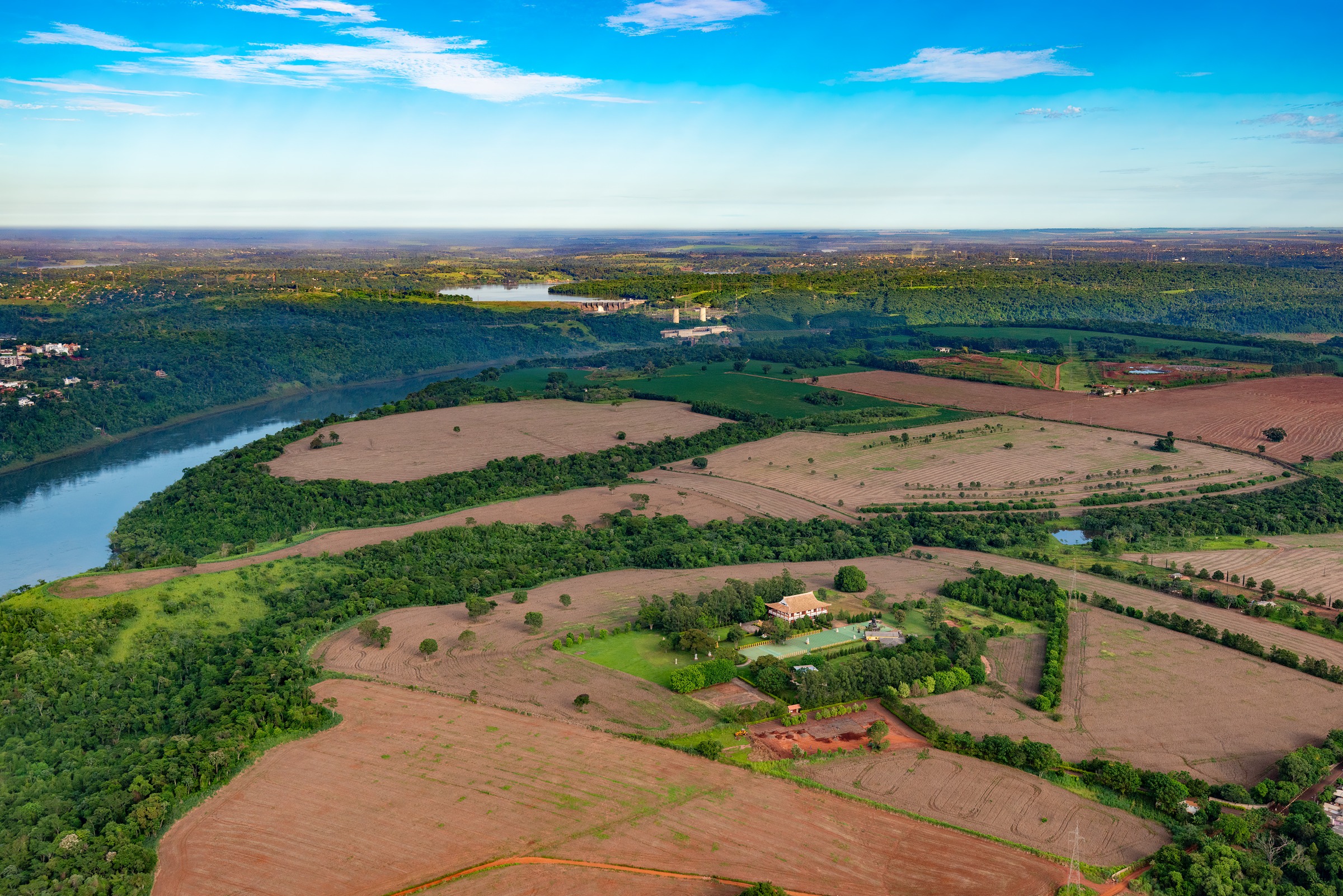
Bunge signed an agreement to sell its Rio Vermelho and Nova Unialco sugarcane mills in São Paulo state to COFCO International. The assets entered Bunge through the July 2025 combination with Viterra. Completion remains subject to customary conditions and regulatory clearances, and the company release leaves transaction value undisclosed.
The two mills sit in a major cane, ethanol and cogeneration basin. Current sector reporting places their combined crushing capacity near 7 million tonnes per crop, although Bunge's announcement provides no operating capacity, utilisation, cane area, supply contracts or product split. That secondary estimate should therefore remain separate from the verified terms of the signed agreement.
Ownership change can affect cane procurement, grower relationships, ethanol output, electricity exports and capital allocation. The present trigger confirms the buyer, seller and asset perimeter. Closing date, purchase price, liabilities, regulatory filings and COFCO's operating plan are the next facts required to judge how the transaction changes regional competition and feedstock demand.
Our analysis
Sugarcane assets combine agricultural supply, industrial conversion and energy exports, so their value depends on more than nameplate crushing. Contracted and owned cane, field distance, crop age, mechanisation, weather exposure and mill recovery all affect earnings. A transaction can transfer those strengths and liabilities together, making asset-level diligence essential before strategic conclusions are drawn.
COFCO already operates across global agricultural trade. The acquisition may strengthen access to Brazilian sugar and ethanol flows, while the practical effect will depend on integration with its local logistics, trading and risk systems. Public confirmation of governance, management and product strategy would show whether the mills are treated as stand-alone operations or linked to a wider portfolio.
The 7-million-tonne crushing figure is useful context and should be verified against permits, operating reports and sector datasets. Installed capacity can overstate deliverable output when cane availability or maintenance constrains the season. Historical crush, ethanol mix, sugar recovery, exported electricity and planned capex would provide a more decision-ready operating baseline.
Feedstock competition in São Paulo can intensify when mills change hands or raise utilisation. Growers will respond to price, contract terms, payment reliability and transport radius. Any new investment in ethanol, biogas or power also changes demand for cane and residues. Mapping neighbouring mills and catchments will reveal where procurement pressure may emerge.
Regulatory clearance and closing are the immediate milestones. Afterward, the most informative disclosures will cover purchase price, assumed debt and environmental liabilities, crushing and ethanol capacity, cane-supply model, planted or contracted area, energy exports and investment programme. Those facts will establish whether the transaction represents portfolio simplification, expansion or a deeper operating shift.
Sources
INDIA | BIOCHAR | SCALE-UP
Kolhapur, Maharashtra, India
Supercritical and Ground Up sign an India biochar scale-up agreement
The companies announced a 2,500-tonne 2026 removal target and at least 50,000 tonnes by 2028
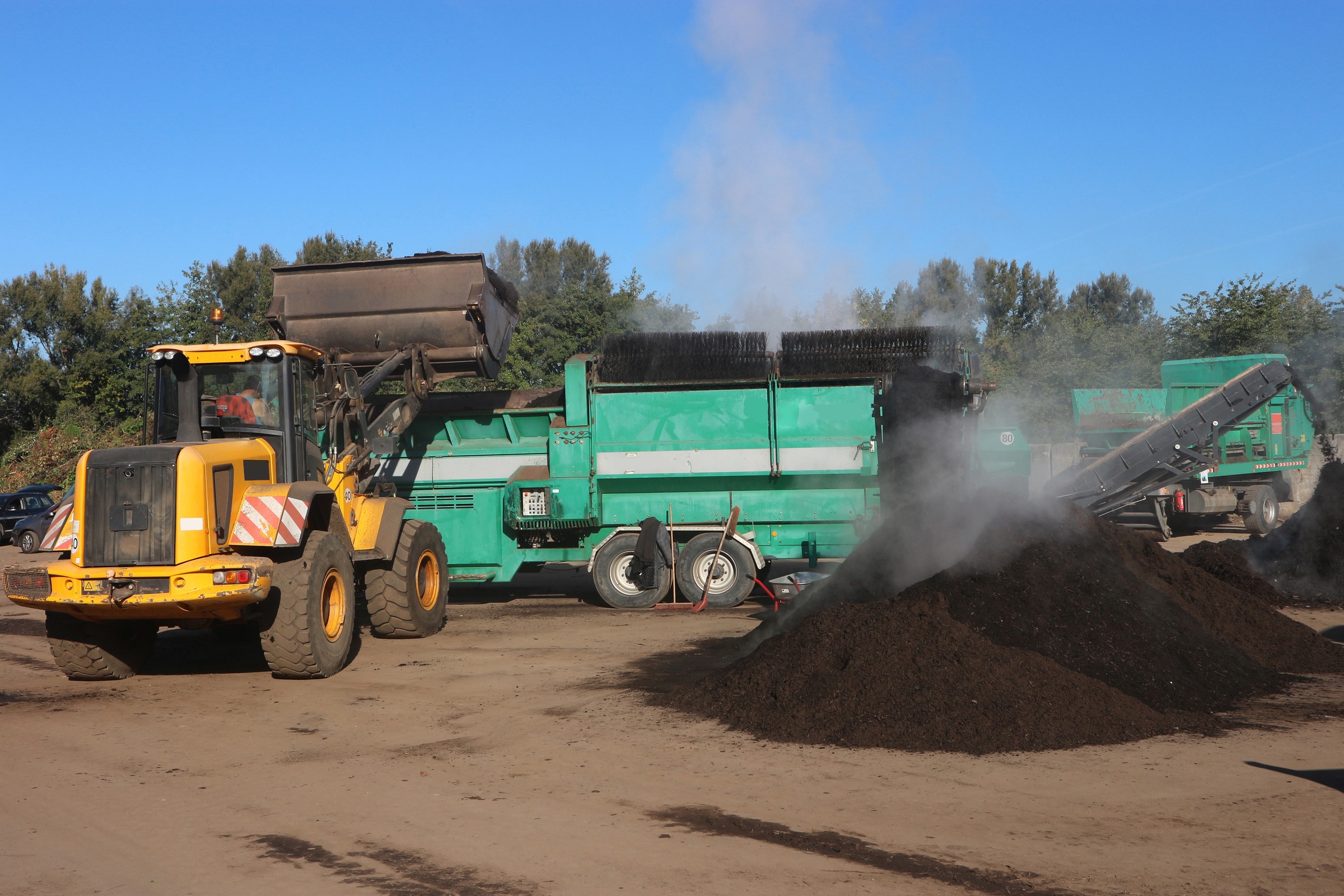
Supercritical and Ground Up signed an exclusive agreement to scale biochar carbon removal in India from an operating Maharashtra pilot. The companies target 2,500 tonnes of verified removal in 2026 and at least 50,000 tonnes by 2028. Their first larger site is described as funded for development and expected to operate in 2027.
The project is designed around sugarcane leaves and tops near Kolhapur, where the companies estimate about 2 million tonnes of residue each year and state that 85 percent is openly burned. Those are company estimates requiring local measurement. Collection window, moisture, soil-cover needs, competing uses and mill relationships will determine the truly available feedstock.
The Isometric registry showed 4.97 tonnes of issued removals and 0.1 tonne in a buffer account at final capture. That live figure creates a useful delivery baseline against much larger forward targets. The agreement is a current commercial step, while site replication, operating throughput, credit issuance, buyer commitments and field outcomes still have to scale.
Our analysis
Biochar projects succeed when feedstock logistics, stable process operation and credible carbon accounting reinforce one another. Crop residues are seasonal and bulky, so collection density and storage losses can determine plant economics. The Kolhapur model needs a measured catchment plan that preserves agronomic residue functions and avoids shifting open burning to another part of the supply chain.
The registry comparison is particularly informative because issued credits represent verified delivery rather than planned capacity. Moving from fewer than five issued tonnes to 2,500 in one year requires a step change in monitored feedstock, production, sampling and documentation. Growth to 50,000 tonnes by 2028 adds replication and construction risk across several sites.
Carbon durability and quantity depend on pyrolysis conditions, biochar stability, moisture, ash and application records. Quality control must work across heterogeneous cane residues and operating campaigns. Independent verification can support confidence when plant data, laboratory results and custody records are complete and when buffer contributions reflect the applicable risk assessment.
Local agricultural value matters alongside carbon revenue. Farmers and mills may benefit from avoided burning, residue payments, improved soil management or heat recovery. Those benefits vary by field and must be measured. A contract structure that clarifies ownership, collection responsibility, residue price and soil-application terms can reduce disputes during rapid expansion.
The next evidence should include equipment capacity, commissioning status, mill or grower contracts, delivered residue specifications, operating yield, verified issuances and retirement records. Buyer identity, price and agreement obligations would clarify revenue quality. Field trials should report treatment design, soil condition, crop response and the share of biochar retained locally.
Sources
BRAZIL | BIODIESEL | PROJECT FINANCE
Cruz Alta, Rio Grande do Sul, Brazil
Soli3 signs a R$200 million financing line for its Cruz Alta complex
Soli3 and Banrisul announced funding for site infrastructure, grain receiving, storage and dispatch
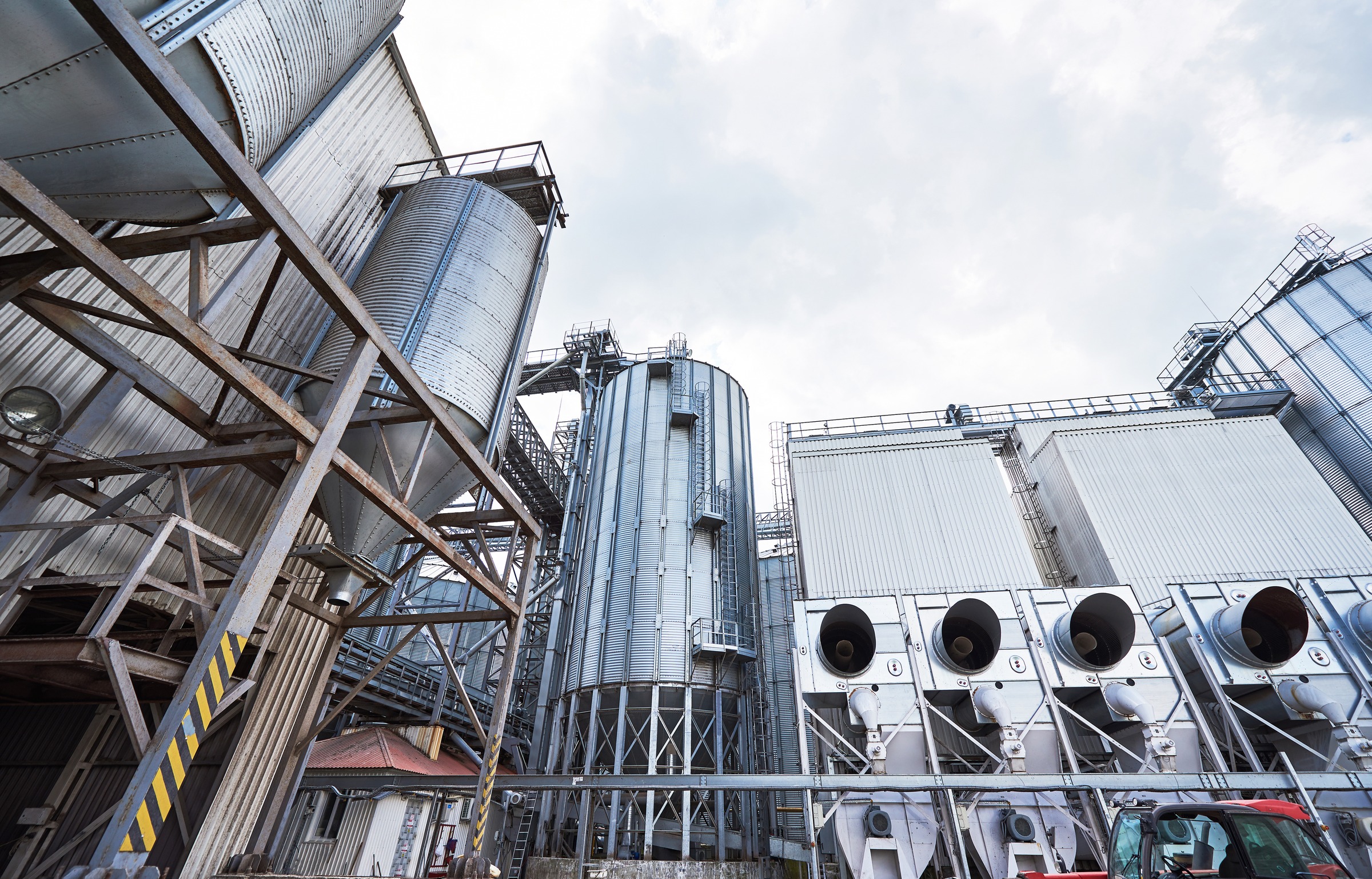
Soli3 and Banrisul signed a R$200 million financing line for infrastructure, grain receiving, storage and dispatch at the planned Cruz Alta biodiesel complex. The three-cooperative project describes this as its first institutional financing. The line forms one part of a wider investment currently estimated near R$1.25 billion.
The disclosed design covers a 138-hectare site and about 75,000 square metres of built area, with intended processing of 1 million tonnes of soybeans a year and production of 200,000 tonnes of biodiesel. Civil works are expected to begin in October 2026 and operations are targeted for 2028, subject to licensing, procurement, construction and finance execution.
Financing for receiving and storage is strategically important because the industrial plant depends on timed grain delivery and inventory control. The agreement establishes a concrete capital source for that platform. Remaining debt and equity, draw conditions, installation licence, EPC awards, rail connection, feedstock contracts and product sales remain the principal evidence gaps before the full complex is finance-ready.
Our analysis
Grain infrastructure can determine whether a biodiesel plant operates at a stable rate through seasonal harvests. Receiving capacity, drying, storage segregation and dispatch must match supplier geography and plant consumption. Financing this layer early can reduce logistics risk, provided its construction schedule remains aligned with crushing and biodiesel equipment rather than creating stranded storage.
The soybean design basis requires a detailed supply map. Cooperative ownership may support farmer access, though annual tonnage still has to be converted into contracted hectares, expected yield, competing buyers and delivered quality. Canola or other rotational crops could diversify supply only after agronomy, oil yield, contracting and processing compatibility are demonstrated.
The R$200 million line should be placed within the full capital stack. Drawdown conditions, security, tenor, interest support and cost overruns will affect project resilience. Earlier reports of development-bank involvement also need reconciliation so that overlapping announcements are not counted twice and the unfunded balance remains visible.
Biodiesel economics depend on product regulation, soybean and oil prices, meal value, glycerine, energy costs and plant utilisation. A large integrated site may capture logistics and coproduct advantages, while exposure to feedstock basis and mandate changes remains substantial. Offtake structure and risk-management capability will therefore matter alongside physical construction.
The immediate milestones are licence confirmation, debt documentation, first draw, EPC and equipment awards, and the announced October civil start. Later evidence should cover construction progress, rail interface, supplier contracts, inventory capacity, biodiesel sales and commissioning. Reconciled capex and operating data will show whether the 2028 target remains credible.
Sources
UNITED STATES | SAF | BROWNFIELD CAPITAL
Great Falls, Montana, United States
Montana Renewables amends its DOE loan and revises SAF expansion capital
Calumet filed an executed amendment and announced US$137 million of remaining expansion capital
Calumet filed and announced an amended US Department of Energy loan structure for Montana Renewables. The revised expansion uses equipment redeployed from the adjacent refinery and identifies US$137 million of remaining capital. Management intends to use a final US$34 million DOE loan draw and operating earnings rather than new third-party equity.
The company targets approximately 200 million gallons a year of sustainable aviation fuel by the end of 2028 and 17,000 barrels a day of total renewable-product sales. These are forward operating goals. The executed amendment is the verified transaction, while production rate, capex, schedule, yields and market performance depend on construction and operational delivery.
The revised approach replaces a much larger Phase 2 concept previously associated with about US$1.2 billion of investment. Brownfield equipment reuse can lower capital and accelerate deployment, yet it also introduces integration, condition and turnaround risks. Loan conditions, equipment scope, Q4 2026 work, feedstock supply and customer contracts are the next decision-relevant facts.
Our analysis
Brownfield conversion can create value by reusing tanks, hydrotreating equipment, utilities, rail and experienced operators. The economic gain depends on actual equipment condition and the modifications required for renewable feedstocks and SAF yield. A lower headline budget becomes credible when procurement, installation and contingency are reconciled with a complete scope.
Feedstock strategy remains central to the 200-million-gallon goal. Fats, oils and greases differ in carbon intensity, pretreatment need, availability and price. Competition with renewable diesel and other SAF plants can raise delivered cost. Contracted categories, volumes and certification should therefore be tested against the intended product mix and utilisation.
The DOE loan amendment can reduce financing uncertainty, though the final draw is conditional rather than cash already received. Milestone tests, reporting covenants and project completion terms will shape flexibility. Self-funding from operating earnings also links expansion pace to current margins and reliability, which can change with feedstock and product spreads.
Capacity figures should be separated from sustained production. Turnaround execution, catalyst performance, hydrogen, utilities, rail loading and product qualification all affect realised output. Monthly volumes and yields after modification will provide a stronger benchmark than an annualised target, especially during ramp-up and changing renewable-diesel versus SAF allocation.
The next evidence should cover the complete amendment, US$34 million draw conditions, equipment deployment, Q4 turnaround completion and realised capital spending. Feedstock contracts, storage and rail readiness, product certification, customer sales and stable output will determine whether the capital-efficient plan reaches the stated 2028 run rate.
Sources
BRAZIL | BIOMETHANE | CERTIFICATE MARKET
Brazil
ANP publishes instructions that start biomethane origin certification
ANP released two technical instructions for certifiers, bookkeepers and CGOB registrars
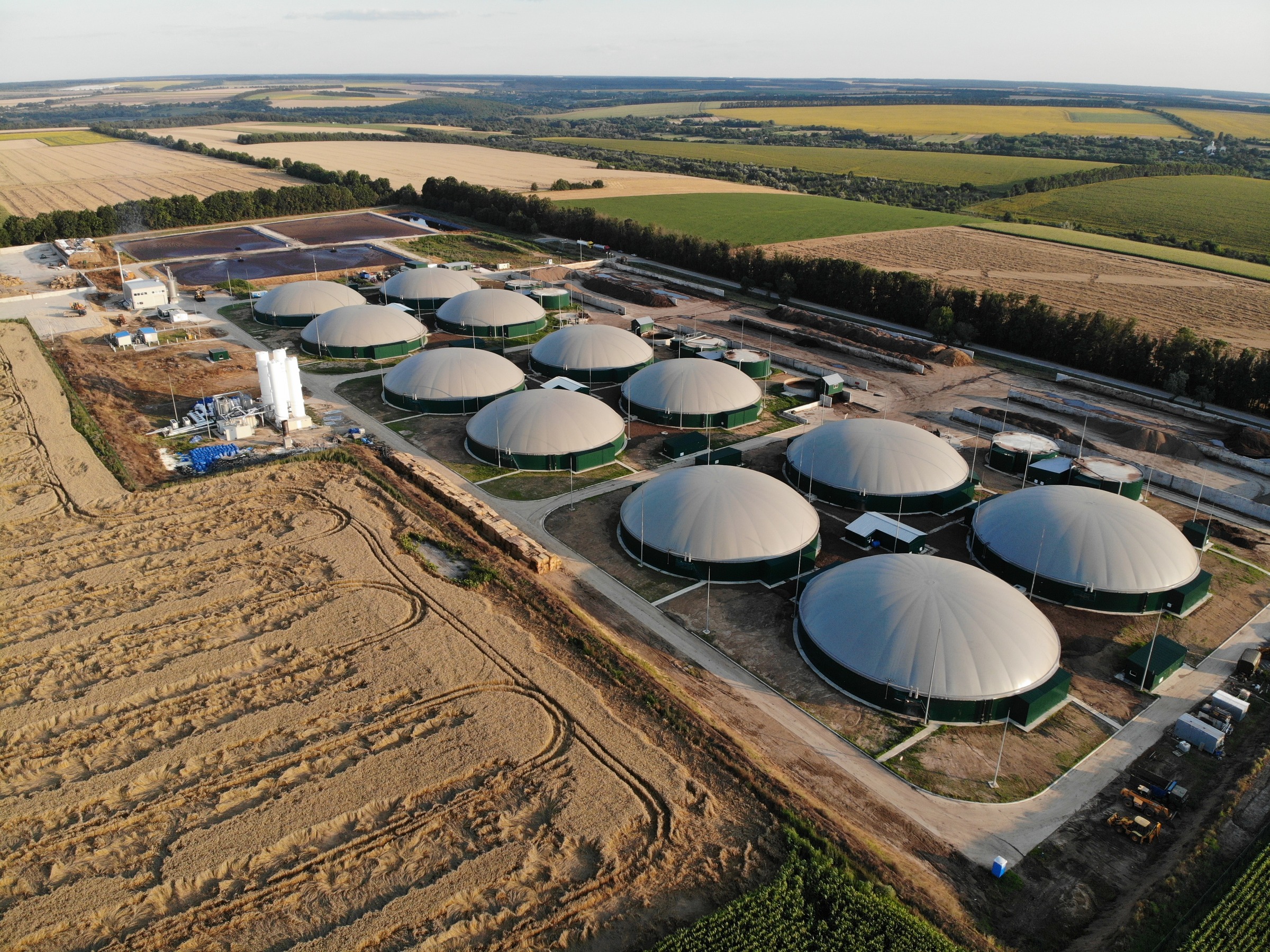
Brazil's ANP published two technical instructions that allow accredited agents to begin certifying biomethane producers and importers for Certificates of Guarantee of Origin for Biomethane, known as CGOBs. The instructions move the market from regulation toward operational registration and evidence handling for certificate issuance.
ANP reports seven accredited origin-certification agents, three bookkeepers and two CGOB registrars, with a third registrar under review. That institutional capacity creates an entry route for projects and obligated parties. First certified plants, issued certificates, transfers, prices and cancellations against compulsory targets have yet to appear in a public operating record.
Certificate value will depend on credible chain of custody from feedstock through gas upgrading and final claim. Agricultural residues, manure, vinasse, municipal organics and imported biomethane can carry different evidence and emissions profiles. The technical instructions therefore matter directly for project documentation, supply contracts and lender confidence as the first transactions emerge.
Our analysis
A functioning certificate system can separate environmental value from the physical molecule and expand the range of buyers able to support biomethane. That flexibility requires strict prevention of double counting. Registry design, metering, audit frequency, transfer rules and cancellation records must align so every claim can be traced to eligible production.
Feedstock evidence is a core control. Origin, collection boundary, competing use, leakage, digestate management and transport can change lifecycle performance. Producers will need records that connect daily plant operation to periodic certification. Projects designed with these records from the start should face lower verification friction than plants retrofitting data systems later.
Market liquidity will depend on the number and diversity of certified suppliers and obligated buyers. Seven certifiers and multiple registry participants provide initial capacity, while practical performance will emerge through processing time, audit consistency, fees and dispute handling. Early concentration or divergent interpretations could raise transaction costs for smaller plants.
Project finance may benefit when CGOB revenue is contractible and its legal treatment is clear. Lenders will examine price floors, volume obligations, eligibility-change risk and remedies after certificate rejection. Physical gas offtake remains essential, so certificate contracts should complement rather than obscure pipeline, compression or transport execution.
The next tests are the first origin certifications, issuance and transfer records, observed prices and cancellations against targets. Reading the two instructions with Resolution 996 will clarify the required evidence by feedstock and plant. Public data on accredited participants, processing times and volumes will show whether the market becomes scalable and accessible.
Sources
Brazilian National Agency for Petroleum, Natural Gas and Biofuels