
Produced by Bioenergy Crops · BEC Intelligence Radar · New every Monday
Executive summary
This week is defined by the infrastructure around biological resources. Australia has set a national agenda for investment-grade feedstock data and regional supply chains. India has made the incidence of compressed-biogas support more explicit. Emvolon and Freepoint have joined a seven-year purchase route with portfolio investment rights. Plantd has added biochar to a purpose-grown grass materials system. Brazil’s cane outlook, a Nebraska RNG groundbreaking and a revised ethanol-to-jet benchmark all show why execution capacity and evidence quality matter as much as headline resource or nameplate scale.
The seven signals sit at different maturity levels. Government frameworks can improve project conditions without awarding projects; contracts can anchor demand without guaranteeing site delivery; product launches can create new revenue without proving throughput; groundbreakings can confirm mobilisation without proving finance or operation; and cost methodologies can change investment expectations without describing a physical asset. The useful question in every case is the same: what changed, which part is evidenced, and what observable gate comes next?
AUSTRALIA · FEEDSTOCK STRATEGY · INVESTABILITY
Australia releases a national bioenergy feedstock strategy centred on investment-grade supply
Where: Australia


Australia's agriculture department released five priorities for feedstock data, regional supply chains and certification
Australia's Department of Agriculture, Fisheries and Forestry released the National Bioenergy Feedstock Strategy on 26 August. The strategy organises collective action around five priorities: investment-grade data, feedstock innovation and readiness, regional supply-chain development, sustainability and certification, and sector capability. Its scope covers existing agricultural and forestry systems as well as emerging annual and perennial feedstocks.
The strategy sits beside the A$1.1 billion Cleaner Fuels Program and a separate demand-measure design. It cites a potential feedstock value of up to A$15 billion a year by 2050 and more than 40 million tonnes a year of theoretical sustainable lignocellulosic supply under appropriate settings. Those numbers describe resource and economic potential; they are not contracted volumes, allocated basins or operating plant supply.
The government document explicitly avoids prescribing projects or mandating a single feedstock, region or technology. That boundary is commercially important. The current change is a national investability agenda: improve the evidence and coordination needed for developers, growers, financiers and fuel buyers to make project-specific commitments without assuming that resource potential is automatically available to one pathway.
Our analysis +
Australia already has an extensive base of biomass studies, while a common route from resource assessment to investable supply remains underdeveloped. The strategy recognises that a national tonnage can conceal local competition, seasonal variability, quality differences, fire and storage risk, transport bottlenecks and sustainability constraints. Its strongest contribution is institutional: it defines the information and coordination layers that project finance will expect.
The most useful comparator is the difference between theoretical, technically recoverable and contractible feedstock. A residue may exist but remain unavailable because it protects soil, supports livestock, enters a higher-value market or costs too much to collect. A crop may be agronomically suitable but lack seed, growers, insurance, harvest machinery or a buyer specification. Investment-grade data must preserve those distinctions rather than compress them into one national supply curve.
Regional supply-chain development is the operational test. Low-carbon liquid-fuel plants require defined catchments, counterparties, delivery calendars, storage and quality control. The strategy can reduce duplicated early work if government datasets and regional hubs are designed around those decisions. It will add less value if implementation stops at another broad resource map without field and contract evidence.
Certification is equally material because Australian feedstocks will compete in domestic and export markets with different eligibility and carbon-accounting rules. Traceability, land-use treatment, residue counterfactuals and chain of custody can change both market access and lifecycle intensity. Those systems need to be designed with growers and processors before a project reaches financial close.
The strategy will have limited commercial value if implementation funding remains fragmented, regional datasets are unusable at project scale or demand measures fail to create bankable customer pull. The next evidence should come from funded data products, named regional supply-chain initiatives, Cleaner Fuels Program awards, certification rules, grower programmes and disclosed feedstock contracts tied to real projects.
Sources
INDIA · COMPRESSED BIOGAS · PRICE INCIDENCE
India clarifies compressed-biogas procurement at Rs2,110 per MMBtu and quantifies public support
Where: India
The petroleum ministry clarified producer remuneration, public support and the cost entering India's gas pool
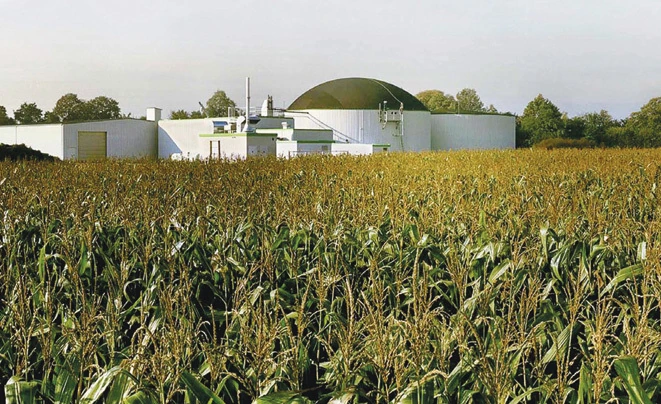
India's Ministry of Petroleum and Natural Gas used a 29 August Press Information Bureau release to explain the revised compressed-biogas pricing framework under GOBARdhan. It states a procurement price of Rs2,110 per MMBtu for producers, compared with an earlier formula yielding about Rs1,478 per MMBtu. The ministry describes the difference as a 43% increase in the producer price.
The current release adds a quantified affordability mechanism that was not explicit in the earlier cabinet summary. Government support of Rs10 per kilogram of CBG is presented as equivalent to roughly Rs215 per MMBtu at 95% methane content. Subtracting that support leaves approximately Rs1,895 per MMBtu to enter the applicable domestic gas pool, about 28% above the earlier Rs1,478 reference.
The ministry also says the cost will be spread across a domestic gas base roughly 2.5 to three times larger than the earlier allocation base. This is a policy explanation, not evidence of universal plant utilisation or an independently measured retail effect. The material delta is greater visibility on who pays which part of the support and how the incidence is intended to be pooled.
Our analysis +
For developers, a stable procurement price can reduce one source of revenue uncertainty, but the new clarification does not remove feedstock, utilisation or delivery risk. A plant still needs reliable organic material, predictable methane yield, upgrading performance, grid or cascade access and acceptance by city-gas buyers. Price support works on delivered eligible gas, not on nominal nameplate capacity.
The relevant comparator is the earlier administered linkage to 85% of the CNG retail selling price. Moving to Rs2,110 per MMBtu changes the revenue baseline, while public support and wider pooling reduce the amount directly socialised through the narrower consumer base. This improves transparency around incidence, although the realised fiscal cost will depend on eligible output and budget execution.
Feedstock systems will determine how much of the policy opportunity becomes physical supply. Agricultural residues, cattle dung, press mud and municipal organics have different collection structures, contamination risks, seasonal profiles and digestate obligations. A uniform gas price can support several pathways while leaving very different delivered margins and working-capital needs.
The government's statement that individual consumer impact will be negligible is an official claim rather than an observed outcome. Verification will require published pool volumes, CBG injection or offtake, support disbursement, city-gas pricing and plant operating data. Those disclosures will also show whether the wider pool creates stable demand or merely redistributes early programme costs.
Delivery now depends on timely budget support, enforced procurement obligations, gas-specification compliance and feedstock costs that do not absorb the higher producer price. Implementation guidelines, disbursement mechanics, CGD purchase volumes, commissioned production, realised plant load factors, payment performance and transparent consumer-price outcomes will show how much gas the framework actually mobilises.
Sources
UNITED STATES · BIOMETHANOL · OFFTAKE AND CAPITAL
Emvolon and Freepoint sign a seven-year biomethanol purchase and project-investment framework
Where: United States; potential global deployment
The companies announced definitive agreements covering product purchases and investment rights across future projects
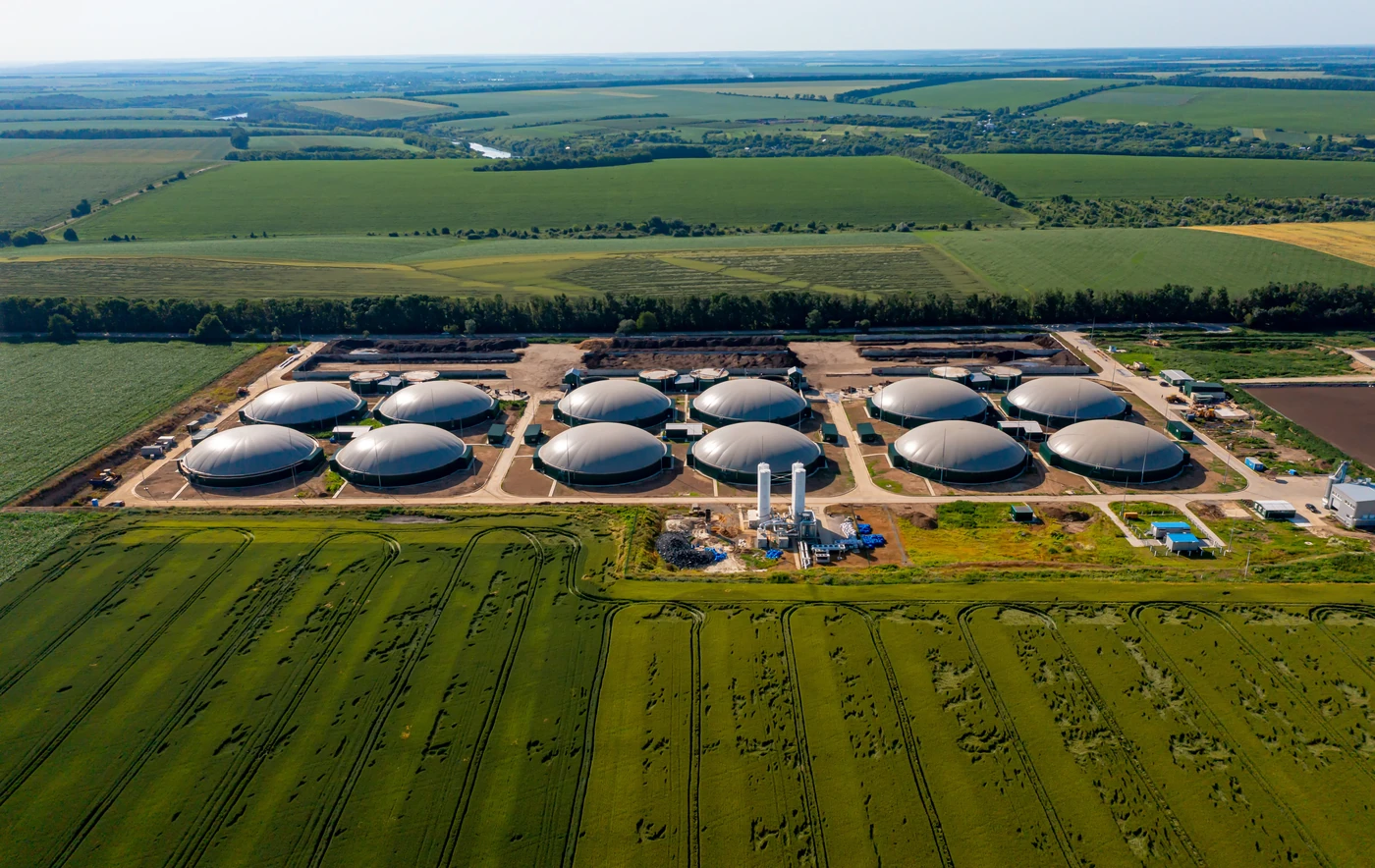
Emvolon and Freepoint Commodities announced on 27 August that they had executed two definitive agreements covering an expanding portfolio of modular waste-gas conversion sites. Under a seven-year Commodity Purchase Framework Agreement, Freepoint is described as the primary buyer for biomethanol and associated liquid fuels. A companion arrangement gives Freepoint rights to invest equity and debt into future projects.
The companies describe a first purchase option exceeding US$450 million and a production pathway toward 300,000 tonnes per year. Emvolon's platform is intended to convert landfill gas, dairy digester gas and methane-rich industrial waste gas at source. These figures define portfolio ambition and commercial rights; they do not establish installed output, minimum purchase volumes, take-or-pay obligations or committed capital at named sites.
The actual change from the earlier strategic relationship is the combination of longer-tenor buyer access and a route for project capital. That combination is material for distributed projects, where small sites often struggle to secure both product placement and finance. Site control, gas supply, certification, commissioning and delivery economics remain the evidence needed to move from framework to operating portfolio.
Our analysis +
Distributed methane conversion addresses a real market gap: many gas sources are too small or remote for conventional pipeline projects, yet flaring or low-value use leaves biological or waste carbon underutilised. A modular liquid-fuel route can improve logistics by moving methanol rather than dilute gas. Its commercial advantage depends on standardised equipment and repeatable site development rather than one favourable demonstration.
The framework's dual structure can reduce coordination risk. A buyer familiar with physical commodities can help define product specification, logistics and market access, while investment rights can shorten the path between project diligence and capital. However, an option to buy or invest is different from an unconditional obligation. The undisclosed minimums and conditions determine how much revenue or financing certainty a lender can recognise.
Feed-gas quality is a key comparator across landfill, dairy and industrial sources. Methane concentration, contaminants, flow variability and ownership differ substantially. A common module may still need site-specific pretreatment, storage and operating controls. Portfolio scale becomes credible when several sites show comparable availability, conversion yield and certified product rather than when design capacities are simply added.
The marine and chemical methanol markets may pay for low-carbon attributes, but the cited premium is exposed to certification, policy and conventional methanol prices. Project economics also depend on avoided-flaring value, gas cost, electricity, logistics and carbon intensity. The agreement does not disclose how those risks are allocated between developer, buyer and capital provider.
Portfolio credibility now rests on the first commercial unit, closed site agreements and the exercise of Freepoint's purchase or investment rights. A named site FID, an executed gas-supply contract, committed project capital, the planned 2027 commissioning, certified product intensity, minimum delivery terms and the first verified sale will establish how much of the framework becomes operating capacity.
Sources
UNITED STATES · PERENNIAL GRASS · MATERIALS AND BIOCHAR
Plantd launches biochar made from its North Carolina perennial-grass panel process
Where: North Carolina, United States

Plantd announced commercial biochar sales and a field trial with North Carolina A&T State University
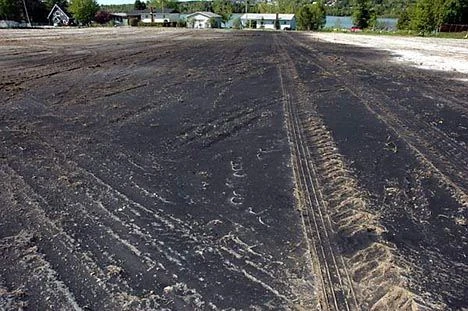
Plantd announced on 28 August that it had launched a biochar product line using byproduct from its perennial-grass structural-panel process. The company says the product is commercially available to growers and other agricultural customers and is being evaluated in field trials by North Carolina A&T State University against compost, basalt and other soil amendments.
Plantd's official company material identifies Arundo donax as its cultivated feedstock. The integrated model places purpose-grown biomass near manufacturing, converts the principal fraction into panels and now directs a carbon-rich co-stream toward soil markets. The company also describes a future intention to recover process energy into manufacturing, but no quantified mass or energy balance was disclosed in the launch.
The current trigger is a real product launch and named trial relationship, not a verified claim of higher crop yield, durable carbon removal or zero-waste performance. Commercial availability does not reveal annual tonnes, customer orders, biochar specification, panel throughput or the share of byproduct converted. Those measures are necessary to judge whether the cascade is material beyond a promising use of residual solids.
Our analysis +
The strategic value lies in cascading one feedstock through products with different functions and revenue profiles. Structural panels may carry the main manufacturing economics, while biochar can reduce disposal, create a soil product and potentially retain carbon. This can improve resilience if the co-product market is real and the process does not compromise panel quality or energy performance.
Purpose-grown feedstock creates a closer BEC fit than a factory that purchases undifferentiated residues. It also places agronomy and biosecurity inside the industrial model. Arundo donax is high yielding in suitable environments but can be invasive; legal status, cultivar, containment, water use, harvest logistics and long-term stand management must be part of project diligence rather than treated as external farm issues.
The most useful comparator is a transparent factory mass balance. Contracted hectares and harvested dry tonnes should reconcile with panel output, reject rates, biochar production, process energy and stored inventory. Without that reconciliation, separate claims about crop productivity, panel performance and soil benefits cannot establish the economics of the whole cascade.
The field trials are the correct next step because biochar performance depends on feedstock, pyrolysis conditions, soil, crop and application rate. University participation does not pre-validate results. Decision-grade evidence will require treatment and control design, replication, duration, soil properties, application basis and quantified outcomes with uncertainty.
The commercial case requires cultivation that can expand safely, meaningful co-product output and field results that support the proposed uses. Verified planted and contracted hectares, containment evidence, factory and biochar throughput, product specification and price, independent trial results, energy recovery and repeat orders are the next measures of scale.
Sources
BRAZIL · SUGARCANE · HARVEST EXECUTION
Pecege estimates 4-6 million tonnes of Centre-South Brazil cane may remain unharvested
Where: Centre-South Brazil
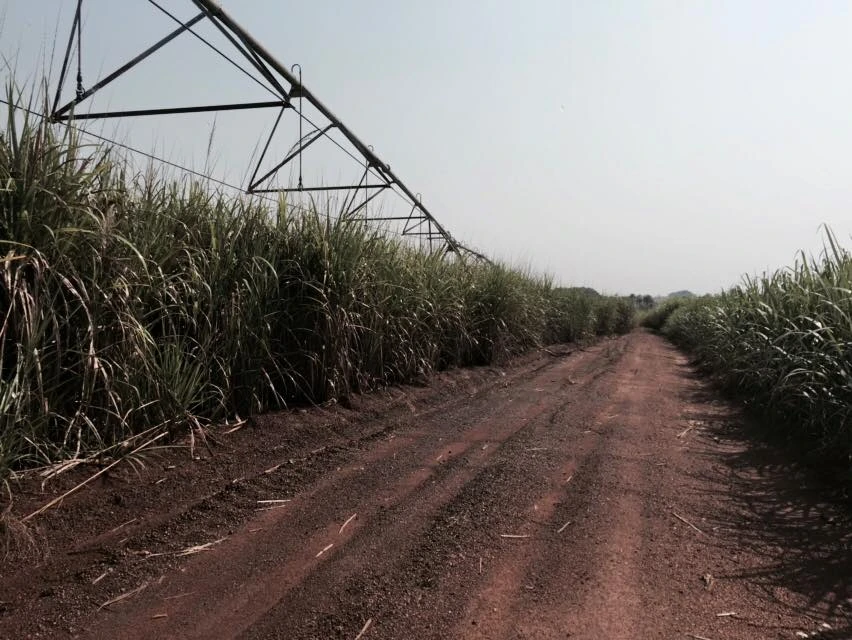

NovaCana reported a 646-647-million-tonne harvest potential against 641.87 million tonnes of forecast crushing
NovaCana reported on 25 August that Raphael Delloiagono of Pecege Consultoria e Projetos expects Centre-South cane productivity around 78.2 tonnes per hectare, compared with 74.4 tonnes per hectare in 2025/26. The article cites a 641.87-million-tonne crush forecast and a harvest potential of roughly 646-647 million tonnes.
On that basis, the analyst estimates that 4-6 million tonnes of cane could remain standing into the following crop, with a possibility of a larger volume. Higher biological production could therefore outstrip the capacity or timing of harvest fleets, field access and mills to convert available cane into processed feedstock during the optimum window.
The underlying Pecege presentation or dataset was not located during the bounded verification. The numbers therefore remain a current named-analyst estimate reported by a specialist publication, not independently reproduced official statistics. Later UNICA and Conab evidence should be used to test the evolving crop, while the current item is retained for its decision relevance and explicit evidence boundary.
Our analysis +
Standing carryover cane can affect more than one season. Delayed harvest changes crop age and quality, interferes with field operations and may shift the timing and condition of the next ratoon. For mills, the issue is the interaction between biological yield, harvesting capacity, rain access, transport and crushing availability rather than the headline crop total alone.
The most useful comparator is the gap between potential harvest and executable crush under real daily constraints. A basin can produce more tonnes per hectare while delivering less recoverable sugar or ethanol value if harvest timing, fibre, impurities or deterioration worsen. Regional concentration matters because spare capacity in another area may not solve a local transport and scheduling bottleneck.
Feedstock planning should therefore separate field inventory, harvestable inventory and mill-receivable tonnes. Fleet productivity, hours lost to weather, distance, queueing, maintenance and mill utilisation convert one layer into the next. The reported 4-6-million-tonne gap is material enough to test these interfaces, but it should not be treated as a settled forecast without the original methodology.
The wider market context includes a stronger ethanol-from-corn sector and decisions on sugar-versus-ethanol mix. These affect mill economics but do not physically harvest cane. A favourable product price can justify more execution effort, while low margins can make marginal fields or late-season tonnes uneconomic even when the crop exists.
Later official data may change the picture through lower yields, faster crushing or a different regional distribution. The primary Pecege dataset, UNICA fortnightly crush and quality data, Conab revisions, regional rain and access, fleet performance, mill utilisation and the measured quantity and quality of cane carried into 2027/28 will test the estimate.
Sources
UNITED STATES · AGRICULTURAL RNG · PHYSICAL EXECUTION
Neogenyx and Adams Land & Cattle break ground on an eight-digester Nebraska RNG facility
Where: Broken Bow, Nebraska, United States
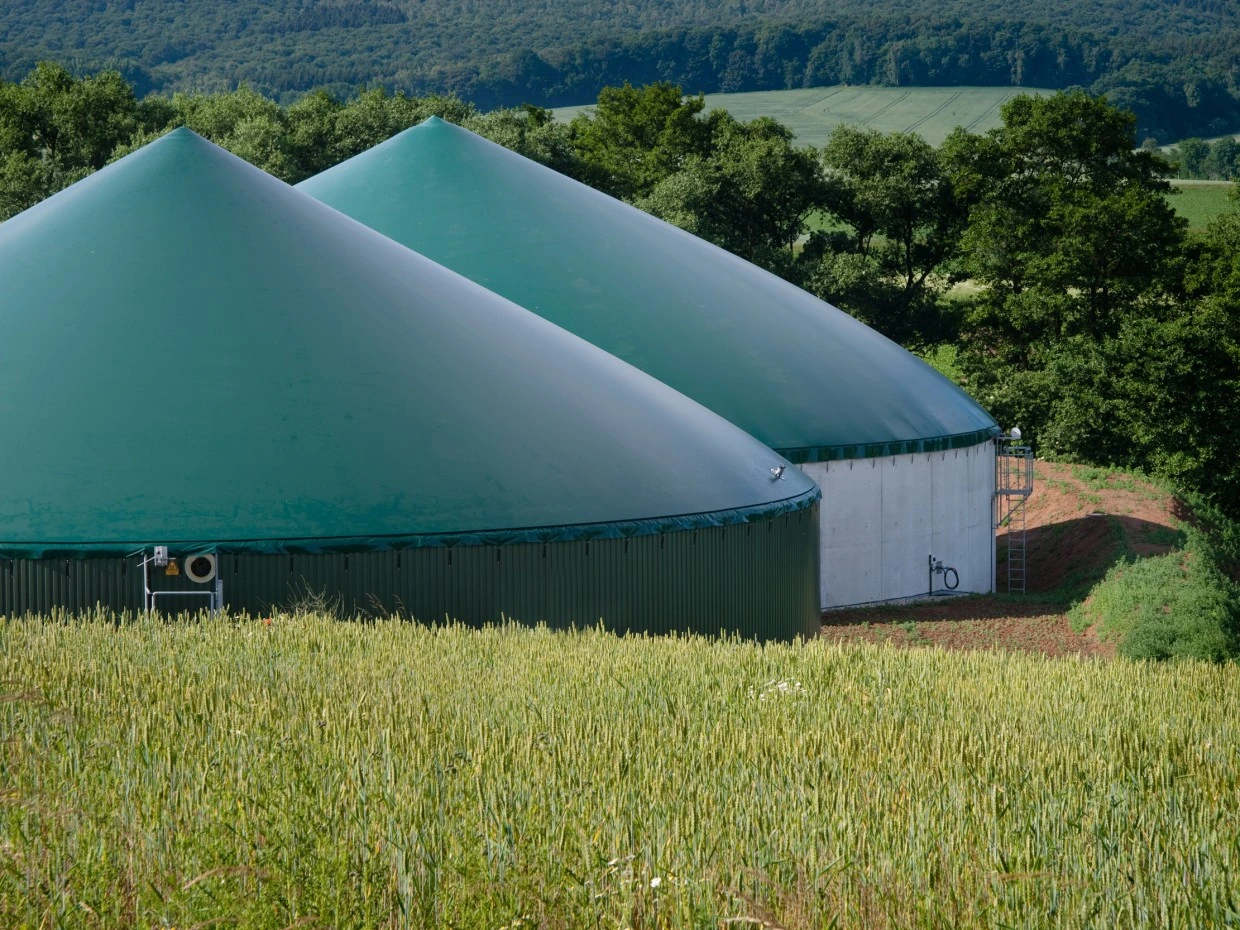
The 26 August groundbreaking confirms site mobilisation for a project targeting 1.2 million MMBtu a year
A 26 August regional report confirms that Neogenyx Fuels and Adams Land & Cattle held the scheduled groundbreaking for an agricultural renewable-natural-gas facility south of Broken Bow, Nebraska. The report includes event photographs and named statements, converting an earlier media advisory into a verified current physical milestone.
The project design previously disclosed by Neogenyx comprises eight anaerobic digesters, more than 4,400 standard cubic feet per minute of biogas and approximately 1.2 million MMBtu a year of pipeline-quality RNG. Regional reporting identifies Black Hills Energy as the pipeline route and describes an operating target of roughly 18 months from groundbreaking.
Neogenyx's chief executive described combined investment approaching US$300 million and a possible future bio-LNG route for shipping. Those statements are attributable but are not evidence of committed financing or binding maritime-fuel demand. Permits, EPC counterparties, interconnection terms, feedstock basis and delivery contracts remain undisclosed in the public records reviewed.
Our analysis +
The groundbreaking reduces uncertainty about site mobilisation but leaves most bankability questions open. Digesters, gas upgrading, civil works and interconnection must operate as a system for a sustained period. Ceremonial construction activity is therefore a meaningful stage change, not a substitute for financing close, mechanical completion or metered output.
The feedstock system is unusually concentrated because the project sits at a large cattle operation. That can reduce external collection contracts, but it creates dependence on herd numbers, manure handling, bedding, water and operating practices at one agricultural platform. The design should reconcile daily volatile solids and methane yield with the eight-digester flow rather than rely only on annual RNG capacity.
Pipeline injection provides a clear initial market route if interconnection, pressure and gas quality are secured. A future bio-LNG route would add liquefaction, certification, transport and marine-customer obligations. It should be treated as an option until equipment, buyer, term, delivery point and carbon-intensity basis are public.
Digestate is another execution layer. Nutrient concentration, storage, land application, water and odour controls affect permits and community outcomes. An RNG project can reduce methane emissions while creating operational liabilities if digestate management is not matched to the surrounding land and crop system.
Construction progress must now be matched by interconnection, committed finance and product offtake. Permits, EPC and equipment awards, capital sources, the cattle and manure basis, Black Hills interconnection, RFS or LCFS registration, commissioning, metered gas output and a binding buyer will determine whether the physical start converts into sustained delivery.
Sources
UNITED STATES · ETHANOL-TO-JET · CAPITAL BENCHMARK
Platts revises its US Gulf Coast ethanol-to-jet benchmark to a 10-million-gallon reference plant
Where: US Gulf Coast
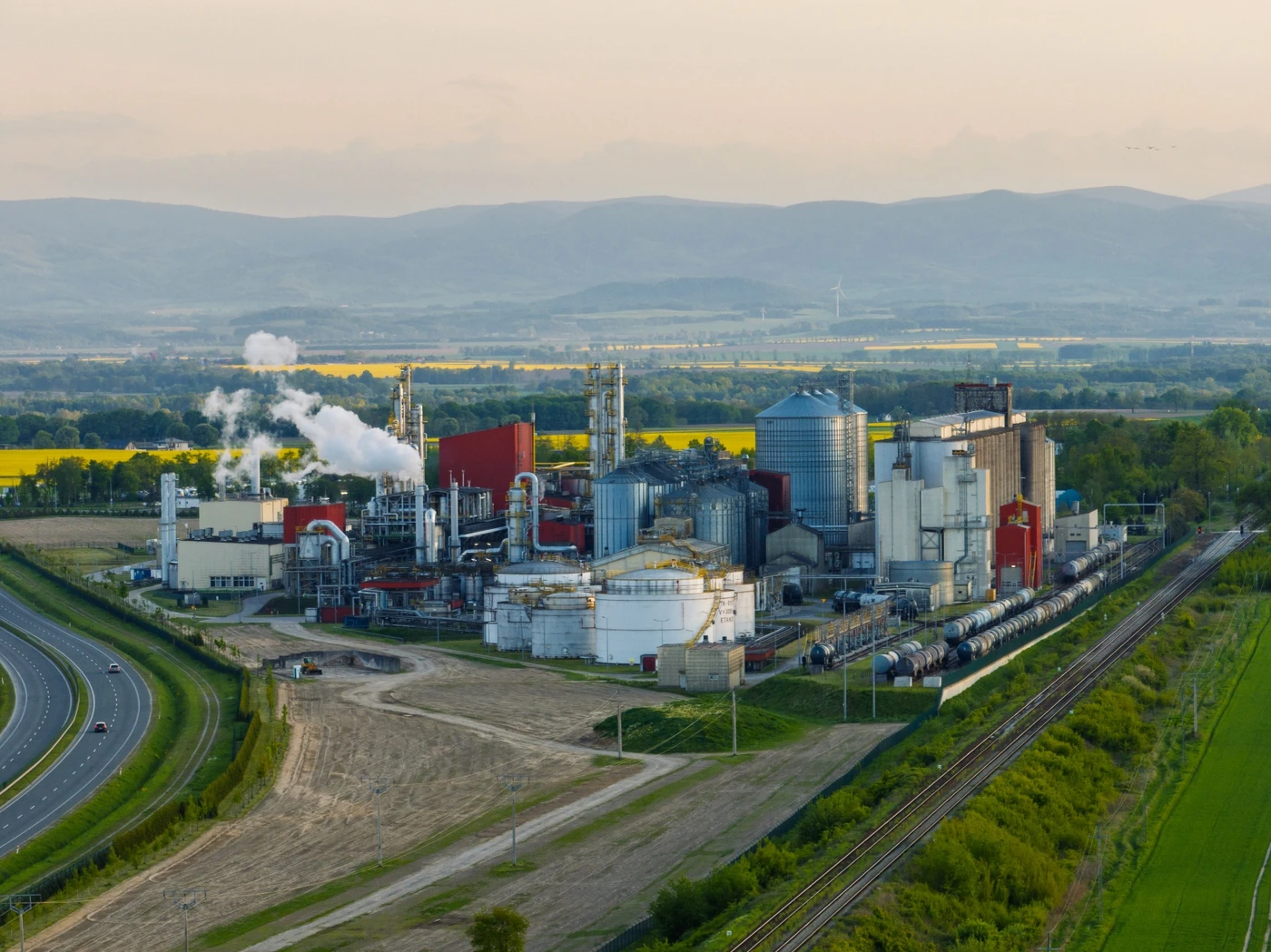
S&P Global updated the methodology with higher modelled capital of US$147.5 million
S&P Global Commodity Insights updated its Platts US Gulf Coast ethanol-to-jet cost-of-production methodology effective 24 August. The reference plant size falls from 26 million to 10 million gallons per year, while modelled capital expenditure increases from US$137 million to US$147.5 million. The methodology also revises operating and financial assumptions used in the assessment.
This is a market-benchmark change, not a physical project cancellation or a new facility. Its significance is that a recognised cost reference now represents smaller output with higher capital, implying materially greater capital intensity per unit of annual production. Users of the assessment should therefore avoid comparing old and new values as if only the market price had moved.
The current update provides a sharper benchmark for developers, fuel buyers and financiers assessing ethanol-to-jet pathways. It does not reveal actual EPC bids, site costs, financing terms, ethanol contracts or plant performance. Those project-specific inputs can diverge materially from a standard methodology, especially across locations and technology configurations.
Our analysis +
The analytical delta is large because scale and capital move in opposite directions. A smaller reference plant can reduce absolute feedstock demand and make regional ethanol sourcing easier, but higher capital raises the revenue and utilisation burden on each gallon. The new benchmark therefore changes how investors should read modularity, replication and early commercial deployment.
Ethanol supply remains central. A 10-million-gallon jet plant needs less alcohol than the prior reference, yet the carbon intensity, price, certification and contract structure of that ethanol determine eligibility and margin. Corn, sugarcane or cellulosic pathways can enter with different lifecycle results and market risks even when the conversion plant is identical.
A decision-grade comparison must extend beyond capital per nameplate gallon. Capacity factor, hydrogen, utilities, coproducts, yield, maintenance and financing cost shape the levelised result. Smaller plants may reduce logistics while sacrificing economies of scale. A methodology can illuminate those trade-offs only within its published assumptions.
For project diligence, the update strengthens the case for scenario analysis rather than one point estimate. Developers should test reference, downside and upside cases for ethanol basis, power and hydrogen, construction, ramp-up and SAF premium. Buyers should understand whether a quoted cost reflects an operating plant, a model or an announced design.
Project-specific evidence of repeatably lower capital or superior utilisation at comparable scale would supersede the modelled benchmark. Commercial EPC data, financed ETJ projects, binding ethanol and SAF contracts, commissioning results, certified lifecycle intensity and future methodology revisions supported by observed plant performance are the next relevant tests.
Sources
BEC Perspective and Outlook
Three threads connect the edition. First, feedstock investability depends on regional, auditable data rather than national resource totals. Australia’s strategy states that principle directly, while the Brazilian cane estimate demonstrates it operationally: biological availability can exceed the tonnes that fleets and mills can execute. Plantd adds another version of the same challenge, because an industrial cascade is only as strong as its crop, containment and factory mass balance.
Second, commercial architecture is becoming more explicit. India separates producer remuneration, public support and pooled incidence. Emvolon and Freepoint combine buyer access and investment rights. These structures can improve project probability, but enforceable minimums, budget execution, site contracts and delivered volumes will decide their bankability.
Third, physical milestones and market models need precise interpretation. Nebraska has begun site execution but still needs finance, permits, interconnection and binding delivery evidence. Platts has changed a cost benchmark, not cancelled or financed a project. Over the coming months, the strongest signals will be funded regional data, named project awards, contracted feedstock, committed capital, construction progress, metered output and repeat deliveries that reconcile operating results with the assumptions used today.
From resource potential to bankable feedstock systems
Bioenergy Crops supports regional feedstock strategy, supply-basin assessment, crop and residue diligence, contracting, logistics and project-development decisions across biomass, fuels, biomaterials and carbon systems.