
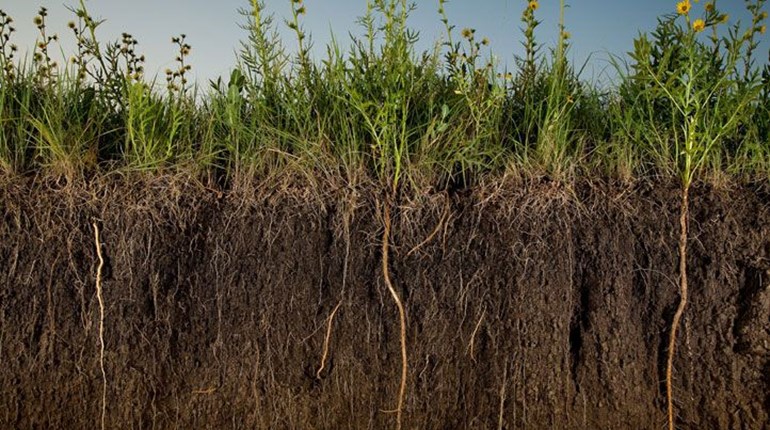
Sustainability or positive impact? Biomass and industrial crops must move into models of regenerative agriculture applied to bioenergy.
Palm oil, canola/rapeseed biofuels, perennial crops for 2nd generation and aviation biofuels, afforestation, and woody species to replace coal and gas in hating systems; all of them can be compatible with circular economy, renewable energy, and off-grid systems to promote smart climate agriculture, positive impacts in biodiversity and a new approach to sequester CO2.
Let’s review what aspects and topics to consider when applying regenerative agricultural methods:
- Perennial agriculture, agro-forestry, analog forestry combined with grains, annual oil crops, starch crops, and species adapted to marginal lands.
- Soil amendments, compost, and biofertilizers as a co-product in bioenergy systems and agriculture
- Integration with food systems.
- Positive land use changes (e.g. mining sector and reclamation lands, areas with wildfires, desertification in abandoned and marginal lands)
- Erosion control strategies.
- Increments in soil organic matter and carbon (SOC) in the long term with the use of biochar.
- Use of waste materials from agri-industries, renewable energy options such as ashes, digestate from anaerobic digesters, as well as forestry and livestock and agriculture (e.g. manure, straw, chips).
- Cover crops, legume trees, and fodder solutions
- Out-growers for food and feedstock: social inclusive models and gender policies.
- Multifunctional Landscape Management.
- Measure and validation of on-field applied practices as a means of production system improvement.
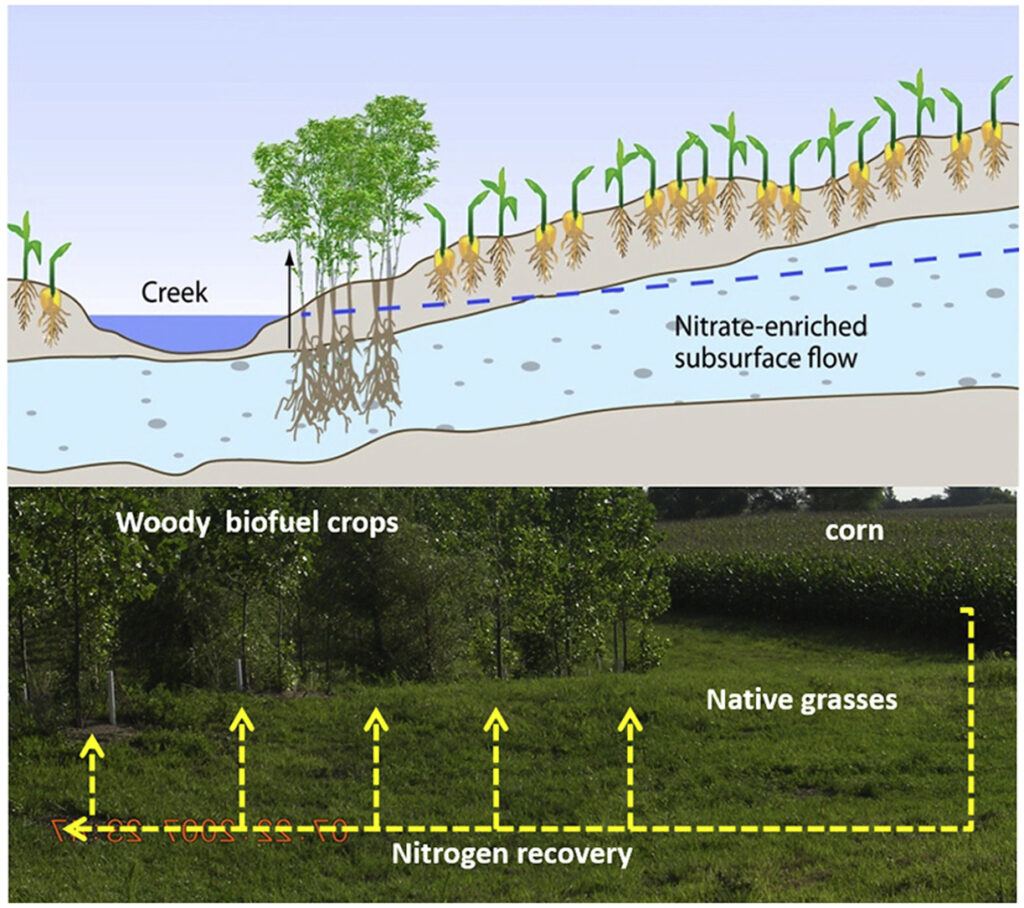
Source: Design of a multifunctional landscape by integrating cellulosic biofuel production into an existing agricultural system. Source: Ssegane et al 2015

United Nation 17 sustainable goals that are consistent with a multifunctional biomass system and regenerative agriculture.