soil

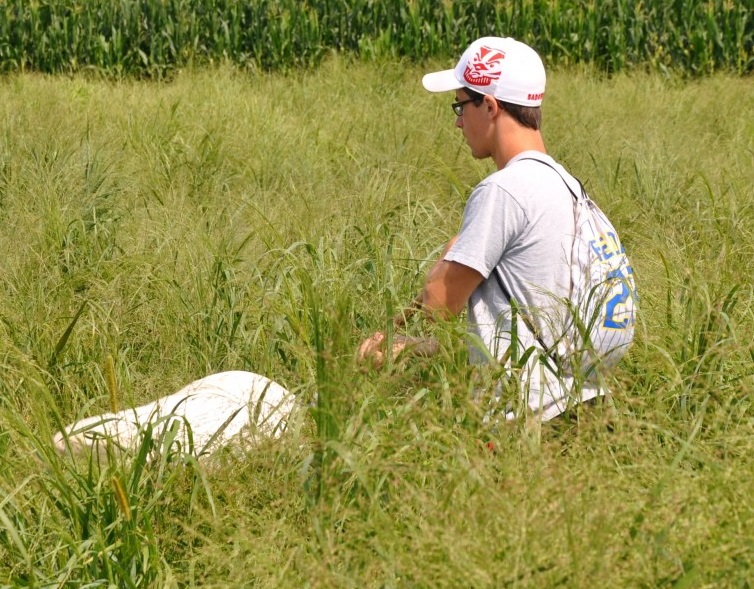
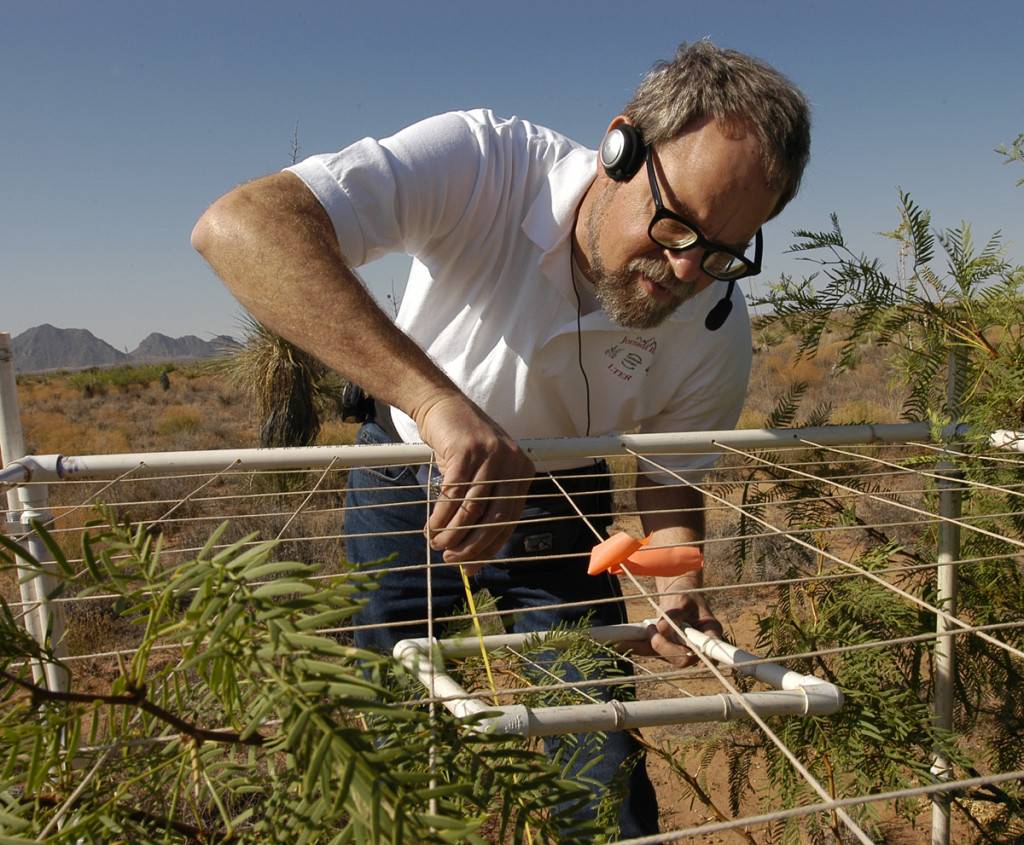
Agronomist carrying out field measurements in a crop trial.

10 ways to save millions asking for advice on energy crops

Biobased industries invest millions in feedstock and supply chains with energy crops. However, finding ways to save millions asking for advice on energy crops, avoiding pitfalls, and mitigating risks in energy crop investments. Moreover, energy crops are being considered for several uses in most countries of the world. Additionally, huge investments in power facilities, cellulose plants, and pelletizers are being made right now, considering a supply chain from residues and plantations. Furthermore, as more species are investigated for biomass as feedstock for power stations, pellet production, biogas digester and gasifiers, or 2nd generation ethanol, more uncertainties are included in the business plans of most companies.

1 – THE BIOMASS SUPPLY CHAIN MAY BE THE HIGHEST COST CONTRIBUTION FACTOR.

Typical projects with energy plantations of perennial grasses and short rotation coppice (trees) will often determine biomass supply costs that are a main contribution to your business plan.
Editorial image related to the article topic
Editorial image supporting the article topic.

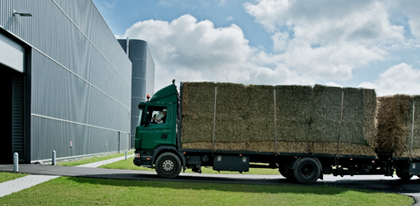
Might lower cost per hectare in marginal lands determine lower inputs and delivered biomass costs per ton in the gate of our facilities?

Changes in yields will be a major driver in farming operation and will largely contribute to your biomass supply cost. Therefore, a reduction level of 20% in assumed yields may often determine changes in the supply chain. Additionally, in the case of a power station, that would mean a lot of money.

For example, assume a power station consuming 200,000 Oven Dry Tons (ODT) per year. Moreover, most commercial projects in the world have established biomass supply costs ranging from 30 to 150 dollars per dry ton. Additionally, in equivalent ranges, this would mean between 3 to 8 $ / GJ of energy delivered (at the gate of the plant). In a 200,000 tons/year supply chain, an OPEX of 4 million dollars per year is a typical supply cost we see every day (assuming 40 $/odt as average costs at the gate of the plant).

Advice on farming operations and determination of average productivity will weigh on decisions made by companies involved in energy plantations.

2 – INCOMPLETE INFORMATION AVAILABLE ON LARGE SCALE PROJECTS

There are already thousands of hectares cultivated with annual and perennial grasses and short rotation woody crops, from poplar and willows in higher latitudes to bamboo and eucalyptus, or Pennisetum purpureum, Miscanthus, and Arundo donax. Additionally, being involved in many projects and supply chain systems with energy crops, allowed us to know that logistics mean as a major issue determining sustainability and economic costs.

Any project in a new location that uses biomass residues and would complete feedstock from energy crops or utilize them as the main raw material source, will surely require to consider past experiences, failures, and success stories. Specifically, it is important to learn from the experiences of others in the industry to avoid repeating mistakes or missing opportunities for improvement.

As scientific and research experiences are not always scalable, the opinion and experience of energy crop experts involved in large scaled plantations should be considered. Additionally, there are many companies, but most of them are involved in one or two species. Therefore, seeking out the input of experienced experts in energy crop production can provide valuable insights and help to avoid potential pitfalls. Many questions may arise:

  • Who knows whether there are demonstrated viable alternative crops better suited for my conditions?
  • How investors can know about the realistic operational risks of a supply chain?
  • How to estimate risks and uncertainties in areas with high productivity potentials where biomass drying and storage systems are difficult to implement using biomass from high yielding species?
  • Is there any crop that dries better? Is the selected species the best alternative for pellets considered for final use?
  • Which would be the cost assuming harvest efficiencies and transportation costs when establishing a logistic chain of ethanol, biogas, or power/heat production from a certain lignocellulosic biomass crop?
  • Is my project possible to upscale considering the Power Purchase Agreement dealt with for the next 10, 15, or 25 years?

In many projects, we see that only partial information has supporting assumptions and assumes local conditions for large scale projects. However, in most cases, that information cannot be replicated or demonstrated to be applicable or extrapolated to project-specific field conditions. Therefore, it is important to ensure that all assumptions are fully supported by relevant data and that any project-specific conditions are taken into account during planning and implementation.

3 – EXAGGERATED YIELDS AND BIASED INFORMATION OFTEN DERIVE IN SCAM

Most companies that promote crops, sell customers planting materials AND consultancies. However, it could make sense, but conflict of interest may be biasing information. Therefore, in any case, it is important to consider the following aspects to ensure that all information and recommendations are objective and unbiased.

  • Several huge yield expectations are based only on small trials.
  • The performance of varieties and sub-species are found to be similar and usually, companies may claim to have a “Miracle Crop” just to charge companies for its finding.
  • Agronomic management and selection of the best strains for the local conditions are the major issues for success.
  • Some companies offering species of bamboo for biomass, for example, have never tried biomass plantation patterns (only work in construction sectors). Cutting for biomass implies changes in management and productivity.
  • There are companies providing materials of Arundo donax and Pennisetum purpureum claiming unrealistic yields. Some of them have only worked on small scales or in 2 or 3 countries.
  • Several considerations need to be done if your project will take place in a tropical area or developing country. Personnel, machinery, climate, and soil conditions but also management will often require a very strict vision and highly focused evaluation to optimize the cropping system and the supply chain.
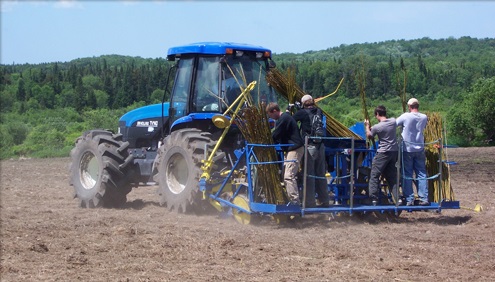
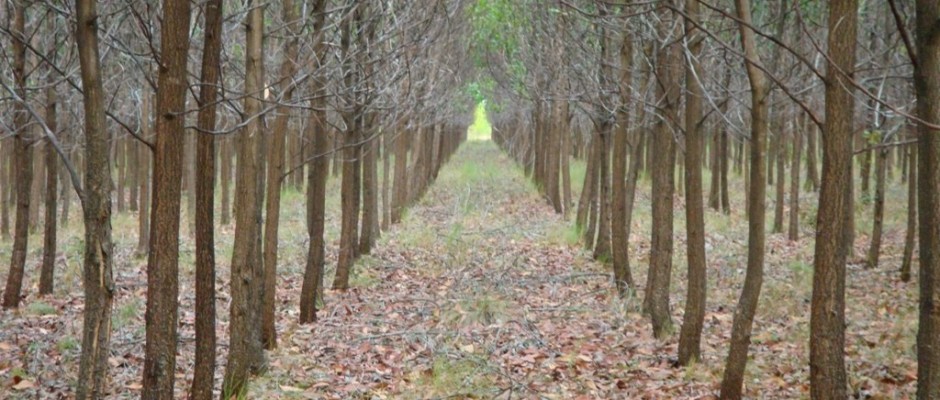
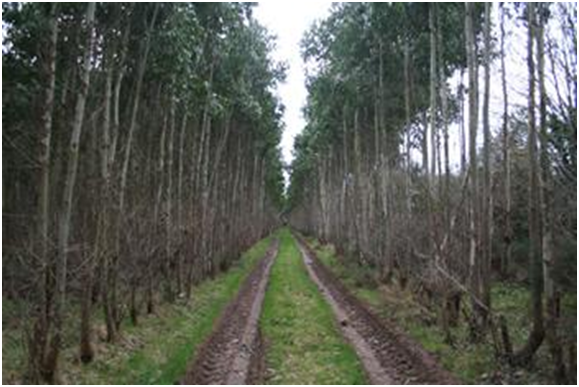
Willow planted for short rotation biomass production
Willow establishment for short-rotation biomass production.

4 – ECONOMIC, SOCIAL, AND ENVIRONMENTAL CONSIDERATIONS AND RISKS

When setting up a project with energy crops, environmental, social, and economic issues can be a critical aspect to consider. Most sustainable alternatives should consider:

When considering energy crop investments, it is important to also take into account social aspects, employment, and personnel risks. This is because any country has a different culture and workers may require special considerations. For example, we often see two different crops with the same yield and costs per delivered biomass, but one may require 30 jobs and the other only 3. Therefore, depending on local conditions, you will need to analyze the best alternative species to be selected as well as the machinery available.

When planning and implementing energy crop projects, it is crucial to consider environmental issues at every stage of the process. From the selection of the proper species as energy crops for feedstock to the real implementation on a large scale, the project has to consider a wide range of environmental factors. For instance, a project based on crops producing renewable energy often requires a life cycle assessment. Also, reductions in footprint, low impacts on underground and surface water, and considerations regarding fertilizer and nutrient leaching, as well as carbon sequestration. Therefore, environmental considerations should be taken into account from the very beginning to ensure that the project is sustainable and has a positive impact on the environment.

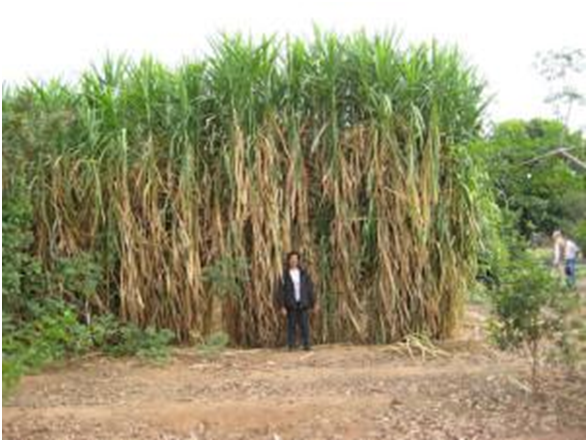
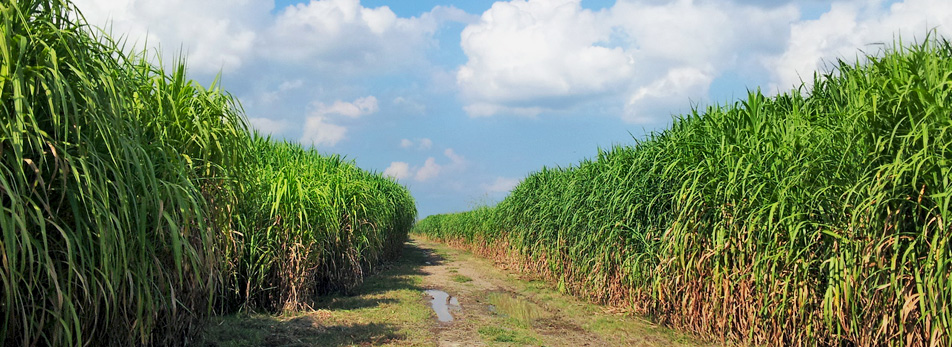
A crop might reach up to 6 meters in height and one can be enthusiastic about it. But your main concern is the final cost in terms of $/GJ delivered to the gate of the facility. Selecting species considering farming and logistic costs is easier when an expert is on your team.

5 – ESTABLISH LIFETIME SCOPE FOR YOUR PLANTATIONS IN YOUR EXACT LOCATION

When developing a business plan that involves the production of biomass from dedicated energy crops, it’s important to consider factors like depreciation and the lifetime of the crops. This is especially important for perennial species, including trees, shrubs, short rotation forestry or short rotation coppice, and in perennial grasses like Giant King Grass, Miscanthus, Arundo donax, Switchgrass, Cynara cardunculus, and many other species. As such, a good estimation of a particular lifetime and for the specific conditions will be required for any such project. By taking these factors into account, businesses can better plan for the future and ensure that their operations are sustainable over the long term.

Most companies that provide planting materials don’t necessarily know or can provide their customers with scientific or successful commercial information on the plantation lifetime of each material they offer. Considering 5, 10, or 30 years will change dramatically your expectations.

6 – YIELD EVOLUTION DURING THE LIFETIME OF PERENNIALS IS A KEY ISSUE

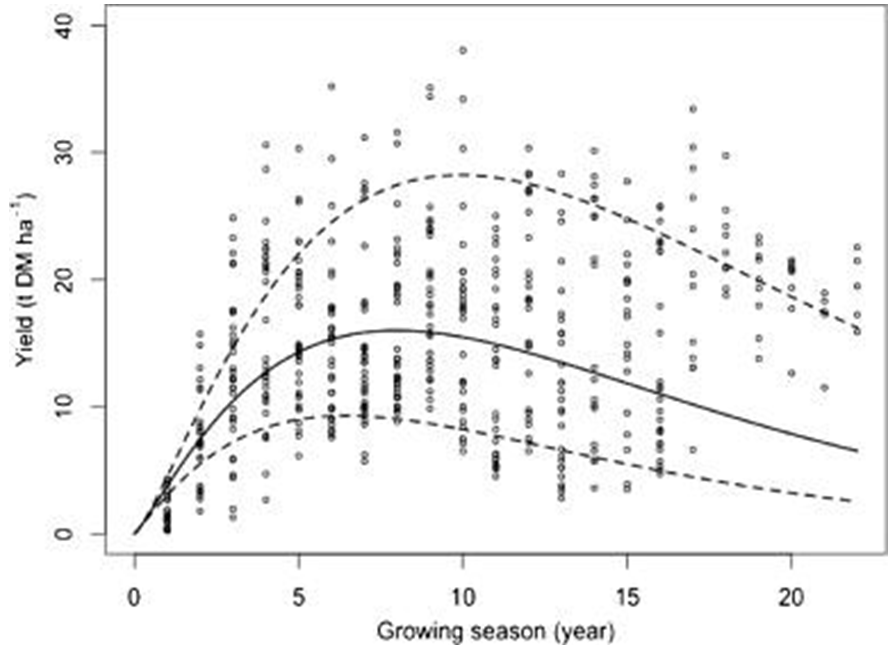
To understand the dynamics of perennial cropping systems, it is important to consider the specific yield curve during their lifespan. Factors such as soil type, climate conditions, nutrient availability, irrigation, and cutting management can have a significant impact on the roots, rhizomes, and other parts of the plant. Typically, the yield curve will show a maximum yield, followed by a plateau, and eventually a decline. The decreasing yields are usually attributed to plant reserves and source-sink carbon allocation relations, as well as plant physiology. It’s worth noting that land and climate also play a role in determining the establishment costs and operating expenditures.
Editorial image related to the article topic
Editorial image supporting the article topic.

Furthermore, consider that a supply chain is a critical part of any project. Biomass residues and lignocellulosic crops, moisture levels, and harvesting techniques will require realistic yields which will turn out to be a key issue A simple example could be the following (numbers are only for reference):
A project with 1000 hectares producing 20 dried tons per hectare per year, will have 20.000 tons that could cost (production cost loaded on trailer) within a range of 20-70 $ / ODT.

Assuming an average cost of 40 U$D and no additional transportation costs, this project would have a supply cost of 20000 tons x 40 U$D: 800.000 U$D per year.
An expert’s advice may help reduce that cost or detect any flaws in the production or supply chain.

7 – CONSIDER MUCH MORE THAN A SINGLE OPTION

Most projects focus on renewable energy and sustainability alternatives. However, it’s important to note that most of them promote a monoculture. Therefore, considering more than one single option may determine a risk reduction strategy through diversification. This is crucial as pests, diseases, climatic catastrophes, or unexpected events may always be present during the project’s lifetime. Consequently, preliminary knowledge and information will lead to the right decisions.

Sustainable projects may also consider:

  • More than one feedstock will increase biodiversity in your area
  • Some crops yield less but cost much less than others. Your goal is a low cost ($/t) at the gate of the destination.
  • Residues collection may reduce land use changes and reduce costs
  • Integration of bioenergy crops with the food sector in rural areas (biomass alternative uses and markets could be synergic)
  • Some facilities can be flexible using herbaceous and woody raw materials from several species
  • More alternatives often determine lower risks and lower costs in the long term.

8 – PRODUCTIVITY IS ALWAYS LINKED TO FARMING METHODS. WET AND DRY BIOMASS IS NOT THE SAME.
Editorial image related to the article topic
Editorial image supporting the article topic.

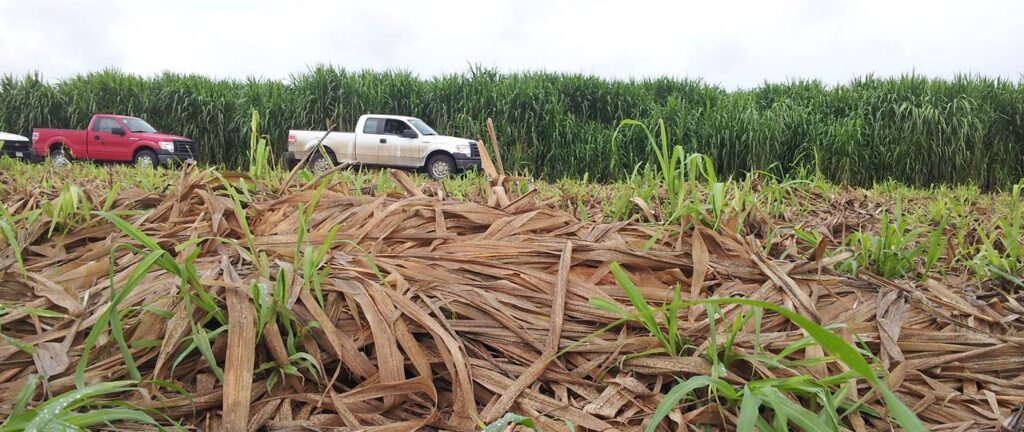
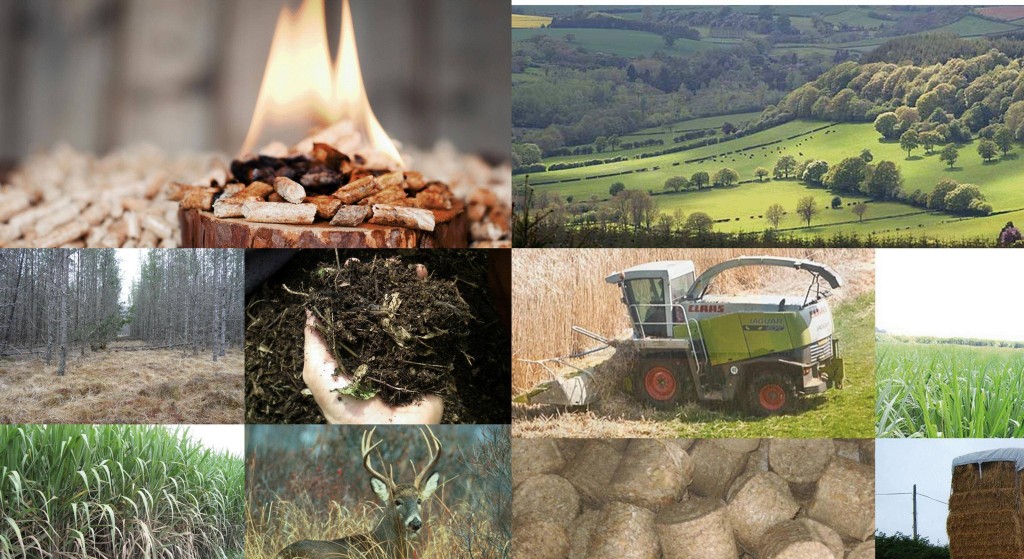
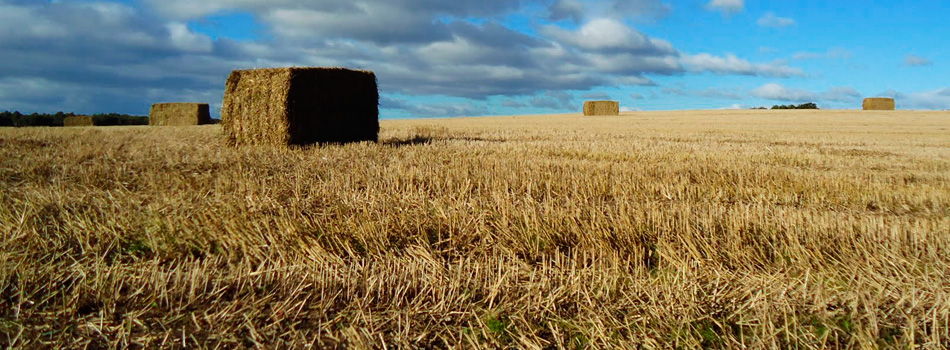
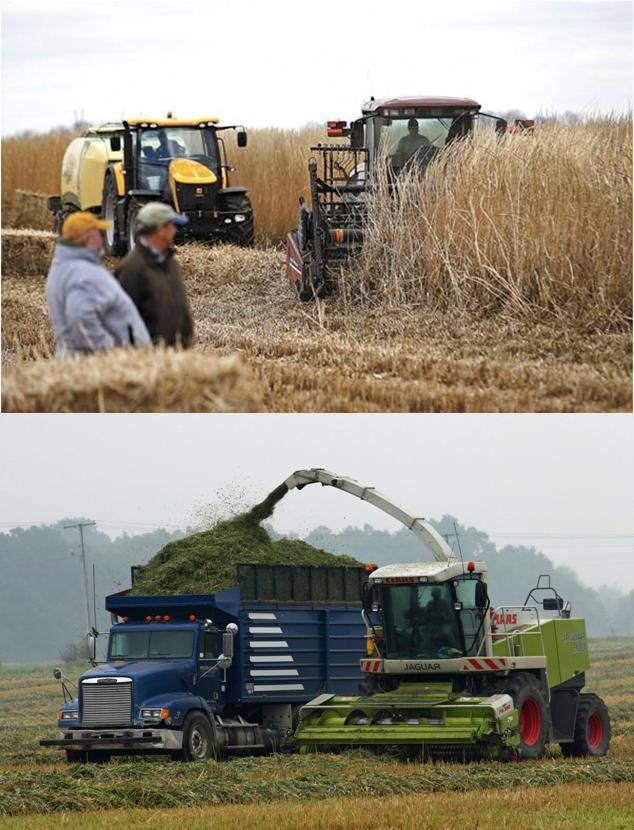
Similar crops do not allow drying in different climatic conditions. Above: Miscanthus harvest (note crop senescence) during winter time in the UK. Below, grass cuttings and silage chopper in sorghums

In the biomass industry, seed and plantlet suppliers, as well as independent agencies, may provide unrealistic yields for dry matter production. However, when evaluating biomass for pelletization or combustion in a boiler, it is crucial to have an accurate assessment of its quality. While management techniques like grass cuttings can increase productivity in perennial species, they may also affect quality and composition. Therefore, it is important to carefully evaluate the quality and composition of the biomass for the intended end-use.

Frequent cutting of a crop throughout the year can result in higher light interception leaves and leaf area index (LAI) during the year. This allows for regrowth and, in turn, higher annual biomass production if multiple cuttings are permitted. However, the decrease in yields can be determined by soil and climatic interactions with genotypes. Furthermore, producing both wet and dry biomass requires significant alterations in crop management.

Perhaps something a supplier will not necessarily mention is that as lignification is required to avoid high moisture levels, your crop will need to consider senescence and the drying process in the field. Except, you are willing to assume energy costs on technologies for drying or squeezing methods. Agronomical management strategies could be important to reduce moisture levels on the ground. Not all conditioners are well suited for all crops and harvesting periods. After harvesting, other collection systems need to be considered, for example, if biomass bales or chips are required. In general, all drying methods will necessarily imply reductions in productivity as radiation use and photosynthesis activity will both be lower compared to several grass cuttings. This is particularly relevant in tall tropical grasses in areas with rainfall levels higher than 1000mm or in areas where harvest periods occur during months with higher rainfall.

An expert’s advice should tell you the annualized costs ($/gigajoule delivered) to expect both at the farm gate and at the gate of your facility after transportation is considered. From species selection to agronomy and harvest management, transport costs may be different considering the moisture level and volume. To avoid water trucking, a good feasibility study to improve logistic issues in your specific region/land will be probably required.

9 – EXPERIENCES IN OTHER REGIONS OF THE WORLD COULD SAVE YOU MILLIONS

Editorial image related to the article topic
Editorial image supporting the article topic.

Having been involved in both research programs and consultancy projects, we have observed that companies often encounter similar issues that are common in other regions as well. For instance, Paulownia trees and Jatropha are typical examples of crops that may not be well suited for certain areas. Therefore, experiences of success and failure in different regions and circumstances can enhance any decision-making process, thus reducing risk and investment costs.

10 – INDEPENDENT EXPERTS CAN OFFER INVESTORS REALISTIC YIELDS FOR PLANTATIONS

Most crop specialists and scientists use the information on small plots with a lot of biased information. A small parcel only gives non-realistic information and yields potential about the species. Secondly, any company involved in trading biomass, planting materials production, genetics, seeds, or machinery services could make really good money from a project if one keeps only one option and advice. Therefore, an independent expert will drive you on a safe path, avoiding scams or side effects that may not have been considered by a product supplier. Finally, an integrated vision of farming, logistics, energy, and selection of species can have huge implications for social, economic, environmental, and energy issues in a project

Huge yields of 70-140 dried tons per hectare per year in any species are not typical nor possible in average terms. Experience in many crops and regions worldwide will allow proving that such yields are exceptionally rare and do not necessarily lead to a lower marginal cost.

From Jatropha myths in some countries to several unviable crops and huge environmental impacts from unexpected factors, farm and business failures can be seen everywhere. Usually, the most common reason is the lack of proper advice and integral evaluations.
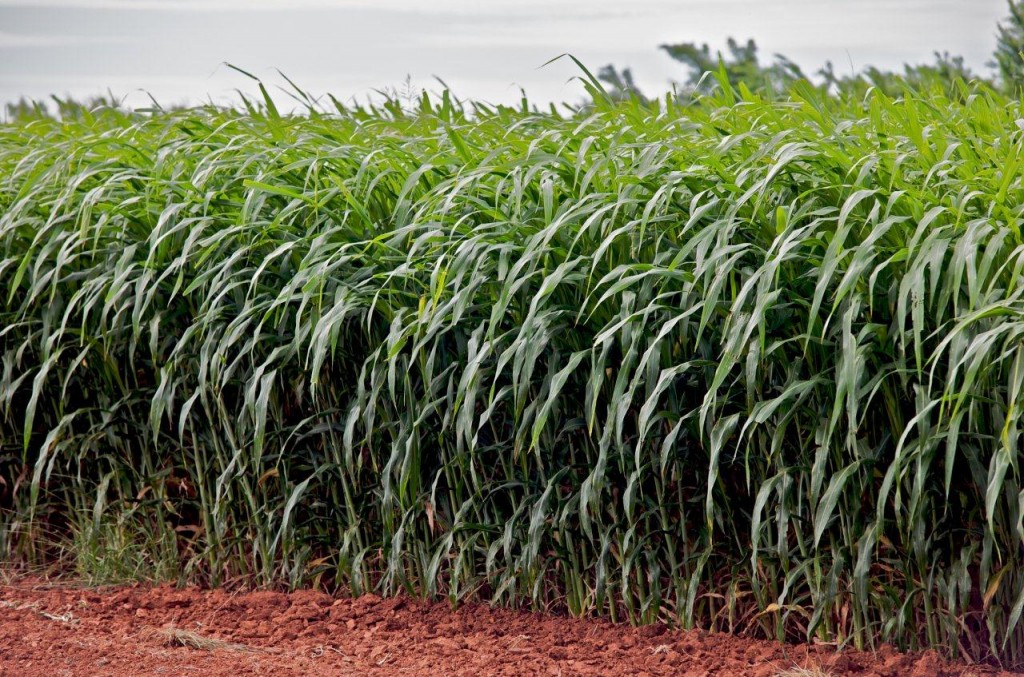
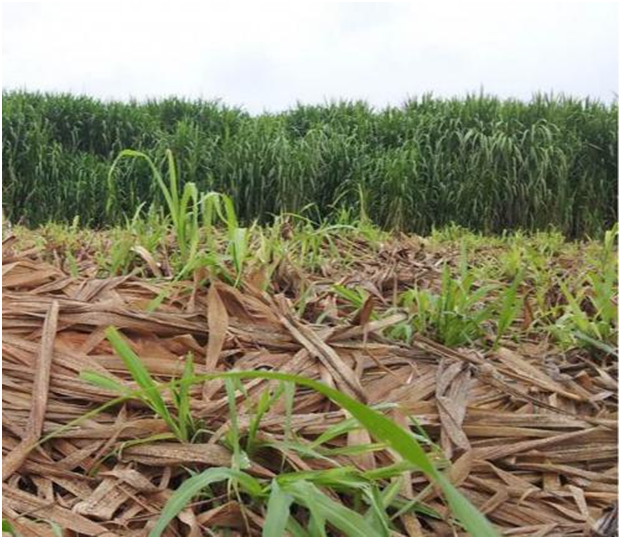
Forage sorghum biomass crop
Forage sorghum used to illustrate annual biomass production potential.

10 ways to save millions asking for advice on energy crops Leer más »
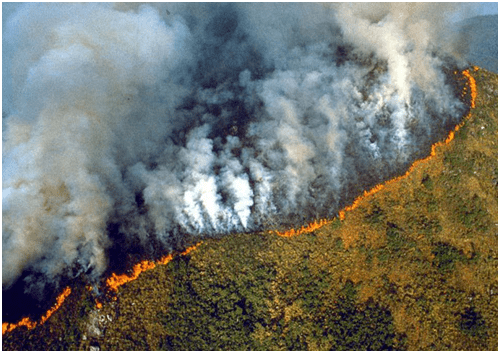
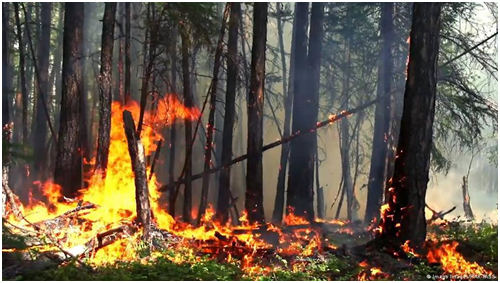
Aerial view of wildfire smoke over vegetation.

Regeneration through biomass and wildfire reduction models

Regeneration is a word people use when moving from just “sustained models” to a positive impact on our environment. This post shows how active free management tools used by an enhanced bioeconomy and new advanced technologies in bioenergy can pay the bill we need to preserve and increase our forest masses. We see wildfires in Australia, California, Mediterranean European countries, Africa, and the Amazon. Massive amounts of CO2 are going into the air, flowing together with ashes, greenhouse gases, and pollutants harming our communities. Can we use those materials burning wildly, while replacing coal, gas, fertilizers, and non-renewable fossil-based sources of other energy and inputs at the time we regenerate the land and biodiversity in bush and degraded forests? Regeneration through biomass and wildfire reduction models may be the next standard of management we should weigh. What are threats and opportunities?

Climate change threat

There are multiple reasons why wildfires are getting more severe and destructive, but climate change tops the list, notwithstanding claims to the contrary. According to the latest U.S. National Climate Assessment, released on Nov. 23, higher temperatures and earlier snowmelt are extending the fire season in western states. By 2050, according to the report, the area that burns yearly in the West could be two to six times larger than today.

Prevention model? Thinning, pruning, and waste collection to boost our bioeconomy

In areas with an over-accumulation of fuels, a combination of thinning small trees and clearing brush followed by controlled burning can be the most effective method to reduce the risk of catastrophic wildfires. Reducing the intensity and extent of forest fires by improving forest health will also lower costs for containment and keep firefighters and communities out of harm’s way.

Editorial image related to the article topic
Editorial image supporting the article topic.
Editorial image related to the article topic
Editorial image supporting the article topic.

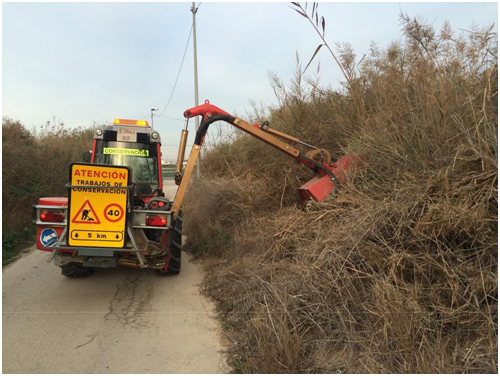
Control and prevention measures on forests and residues.

The opportunity

Timber and boards used to be the only business models. But what timber company would examine and rake fuel sources in a large territory just to prevent wildfires? Well, now renewable energy companies can do that.

Sourcing biomass to bio-based industries with a relatively low cost for feedstock procurement can be linked to a forest regeneration strategy in the long term. A wildfire prevention model that will provide rural jobs and a source of income for a biobased industry. With the goals of reducing forest fires, creating jobs, and improving the environment, biomass power stands to lead the way in the renewable energy sector.

Editorial image related to the article topic
Editorial image supporting the article topic.

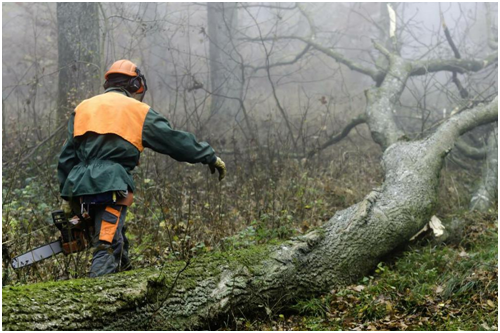
When bushes and wood fuel and debris become wildfires so frequently as in 2019, you understand they could have been converted and treated as renewable energy sources replacing coal or gas, reasonably collected branches and other debris can become into power, pellets, heating homes, or storing carbon below ground.

Many options could have been taken like converting into biomaterials, providing rural jobs, landscape management models with new nurseries and plantations, and soil regeneration with biodiversity. Furthermore, they may obtain profits for local communities in charge of the management of natural resources, and in the end, models are making more money, regenerating our landscape and degraded forests and bushes which we see burning every year instead.

A wrong prejudice

Forest fires are often fueled by excess small trees and brush that choke forests and create fire ladders that direct fires into the crowns of the largest trees. These varying tree densities and the dead, dry brush left behind act as kindling to allow crown fires to move across the landscape in a highly destructive manner.

The biomass power industry is uniquely positioned to improve forest health and reduce the threat of forest fire, while at the same time providing clean, renewable electricity to Americans in every region of the country. Without the proper forest, maintenance-including managed thinning, and prescribed burns-forest waste is left to build up over time and stoke the flames of future fires. The biomass power industry is prepared to work directly with most forest services and other industry partners, as well as environmental groups, to ensure that forest material is carefully removed and converted to produce green electrical power.

Editorial image related to the article topic
Editorial image supporting the article topic.

Some environmental groups fear that the biomass industry will clear-cut forests for fuel. This fear can be put to rest. It is not the practice of the biomass power industry to clear-cut forests and it is simply not economically viable to chop down whole trees to generate electricity. Biomass power uses only waste material such as scrap lumber, forest debris, or agricultural harvest waste to generate clean electricity, material that would otherwise be dumped in landfills, openly burned, or left as fodder for forest fires.

The biomass power industry removes more than 68.8 million tons of forest waste annually.

The biomass power industry effectively encourages regular forest management by creating a market for the excess small trees, slash, and brush that are choking many of our forests. Removing this incentive to clear brush by discouraging biomass power would result in overgrown, unmanaged forests that pose an increased risk for forest fires.

Furthermore, generating electricity from biomass reduces greenhouse gases. As dead brush decomposes it releases harmful methane gas and carbon dioxide into the atmosphere. During the electricity-generating process, biomass power eliminates methane gas and reduces the carbon dioxide that would have been emitted otherwise. Accounting for displaced fossil fuels, the biomass power industry removes more than 30 million tons of greenhouse gases from the atmosphere annually.

Regeneration through biomass models

Editorial image related to the article topic
Editorial image supporting the article topic.
  • Land regeneration through biomass management and re-vegetation / reforestation.
  • Fuel collection / fallen branches/debris
  • Continued supervision with rural teams
  • Income sources: pellets, woody chips, biochar, biomaterials
  • Lower CO2 emitted as wildfires and fossil sources of energy and inputs (replaced by biomass) have a much lower footprint
  • Use of pyrolisis to produce biochar (active carbon sequestration or “carbon negative” solution).

What model do we prefer?

Editorial image related to the article topic
Editorial image supporting the article topic.

This model is not based on deforestation. No. It is not a use of the forest products to make money. Instead, it is a regenerative biomass collection model making revenues to pay the bill for wildfire prevention. It is based on rural squads being implicated in forestry monitoring, wildfire prevention systems, and biomass sourcing strategies. We suggest a sustainable collection of waste materials and small amounts of debris and branches. This model is supported by FAO and several forestry associations worldwide. What to do with the fuel? we empower local agri-industries and replace coal, replace gas and fertilizers, plastics, and many other materials. You may produce charcoal powder and blend it with cement to reduce construction footprint and sequester CO2.

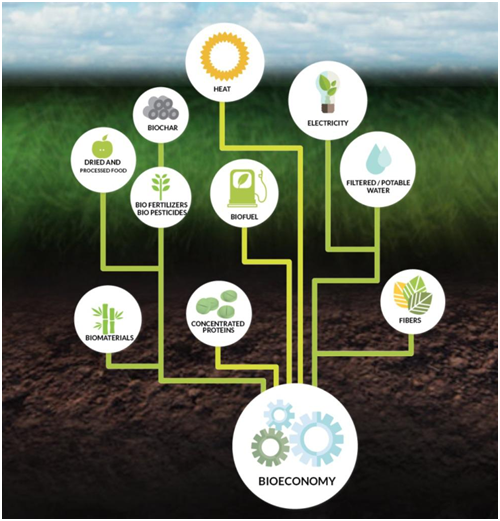
There are several options and many need low-tech and low capital expenses. A new high-value-added product is being coupled to a regenerative model with our landscape, and local raw materials providing our inputs and energy. Enhanced microbiology, animal feed, biochar, organic food, pulp & paper, fiber, composites, and bioplastics. Several options are viable. Our solutions are focused on, awareness, structural operation, and agroforestry systems.

Biochar to boost horticulture and organic food?

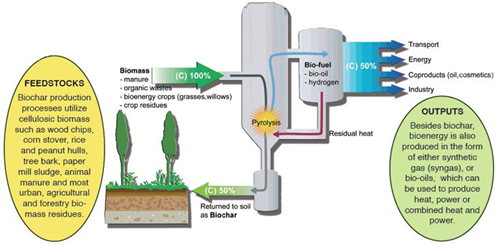
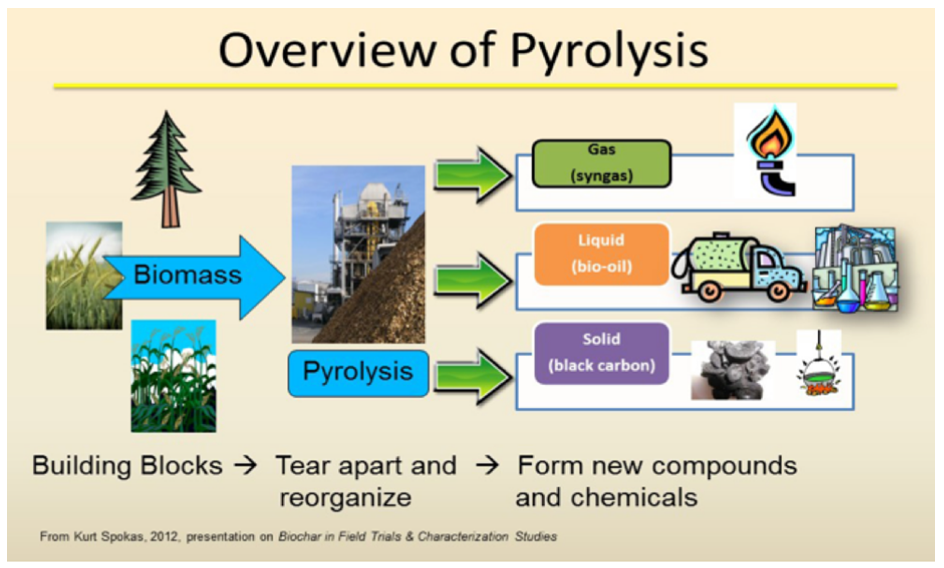
Biochar is a type of charcoal that’s made from plant matter and stored in soil to help reduce carbon dioxide in the atmosphere. To produce biochar, biomass is heated to temperatures between 400 and 800°C in the absence of oxygen, a process known as pyrolysis. The resulting material has a high surface area of over 300 square meters per gram, made up of countless nano-, micro-, and mesopores. These pores enable biochar to efficiently store water, making it an effective moisture retention medium. Additionally, the pores trap large amounts of air that is practically immobile, making biochar an excellent insulation material.

Editorial image related to the article topic
Editorial image supporting the article topic.
Editorial image related to the article topic
Editorial image supporting the article topic.

Biochar is a great manner to valorize waste materials and produce several products including bio-fertilizers, bio-filters, stormwater control products, bio-asphalt, bio-coal (for energy applications), biomaterials including plasters, green cement, construction materials, and it is an outstanding way for carbon sequestration.

Supporting literature

Harvesting forest biomass reduces wildfire fuel

Retro-innovation working for wildfire prevention: Shepherds’ contracts to reduce biomass and maintain fuel breaks

Accounting for Biomass Carbon Stock Change Due to Wildfre in Temperate Forest Landscapes in Australia

The use of woody biomass for energy production in the EU

Climate change is increasing the risk of wildfires

USDA: A strategic assessment of forest biomass and fuel reduction treatments in Western states

EU Commission: Sustainable and optimal use of biomass for energy in the EU beyond 2020 – Annexes of the Final Report

Regeneration through biomass and wildfire reduction models Leer más »

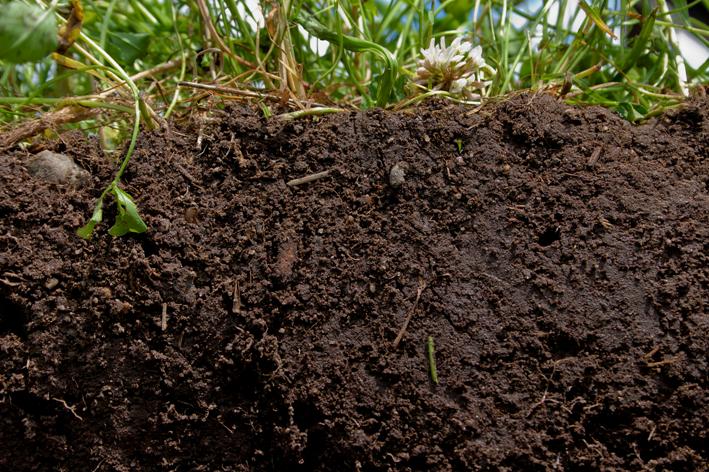
Dark fertile soil beneath perennial crop cover.

Energy crops can improve EU soil fertility

Perennial agriculture to produce energy crops can improve EU soil fertility. There is strong evidence that biomass for energy acknowledges soil health benefits and carbon sequestration. Solid biomass such as straw or woody chips has been promoted in Europe to produce heat, power, and 2nd generation biofuels. The EU Commission expects huge growth for biobased industries that will require massive amounts of biomass feedstock in the next few decades. Biomass is already a very considerable share of total renewable energy in Europe and most trends show a huge increment and potential for 2030.

In this article, we show how residues for biomass are not the right approach in Europe to promote a biobased industry. EU soils require perennial cropping systems to increase soil fertility. Energy crops have been studied for many years and meet that requirement successfully.

Why Europe should promote crops for biomass and cannot use only residues to promote a biobased industry?

Most policymakers and renewable energy organizations promote biobased products and renewable energy. However, even if goals and policies are increasing the interest in solid biomass wastes (agriculture and forestry residues) to produce heat, power, or 2nd generation biofuels, then a wrong approach considering soil sustainability is evident. Below is a TED video showing some of our vision that is 100% coincident with the most highly reputed researchers and ecologists combating climate change and creating soils worldwide.

What is the effect of residual removals on soil fertility?

Cereal straw, which is most often returned to the soil in arable cropping systems, is of renewed interest as a potential source of bioenergy. However, the sustainability of this practice which implies systematic removal of aerial biomass of cereal crops is a controversial issue, particularly in soils having a low soil organic carbon (SOC) content.

There is sound evidence that soil can be affected and damaged seriously from straw collection in large scale management at a farm level. Straw coverage increases topsoil C and N contents, moisture, and total porosity as well as reduces the variability of topsoil temperature and in turn moderated microbial biomass and activity. Additionally, soil carbon changes in the soil can determine large fossil inputs required from nitrogen fertilizers as organic matter reductions can occur in the topsoil. This has been extensively proven by scientists in Europe and many other regions worldwide. A short review of most sound scientific evidence and long term studies is available in the literature. Graham etal., 1986; Amir and Sinclair 1996;Børresen, 1999; Turleyet al., 2003; Blanco-Canqui, and Lal, 2007;Saffih-Hdadi and Mary,2008; Tarkalson et al., 2009; van Groenigen et al., 2011; Yoong et al., 2012;Nguyen et al, 2013; Weiser et al., 2013).

Editorial image related to the article topic
Editorial image supporting the article topic.

Soils in Southern European countries require perennial agriculture, green covers, and increments in organic matter that only biomass for energy markets could become real. Most livestock and grazing agriculture have been diminished by Common Agricultural Policy and there is no expectation to increase extensive grassland or perennial grasses for fodder production.

Is mulch agriculture what our soils need?

Editorial image related to the article topic
Editorial image supporting the article topic.

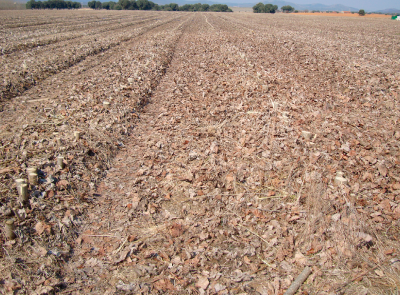
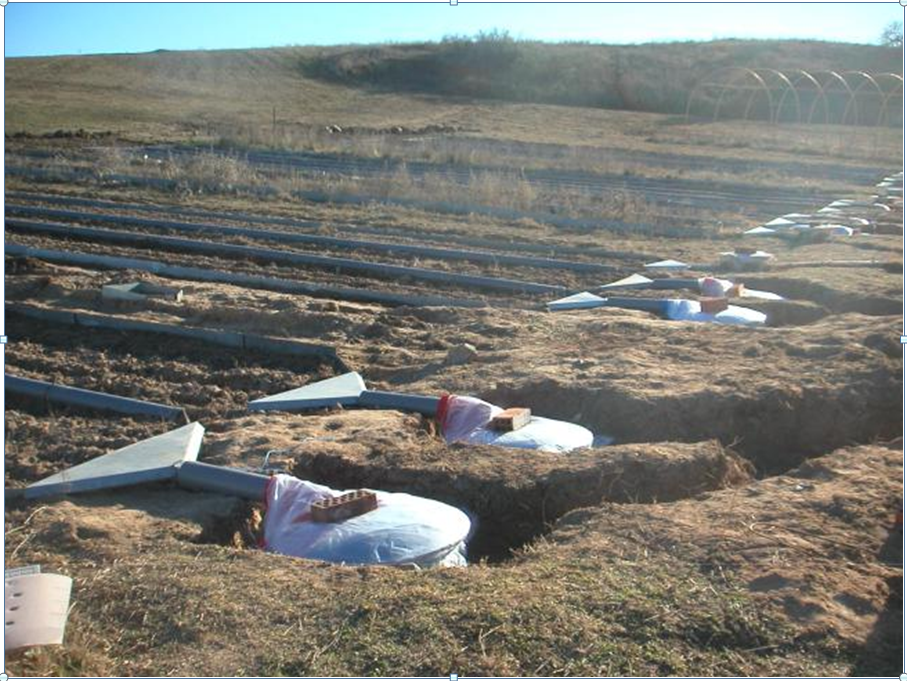
Experimental fields of Erosion Research group of CSIC in Santa Olalla”, Toledo, Spain

Before that question, we need to ask ourselves why perennials improve so much organic matter. In literature, the background on mulch agriculture is overwhelming and full of examples.

Perennial crops for woody energy plantations like poplars or willows but also perennial grasses or even broadleaf crops like cardoon, produce huge amounts of leaves and biomass residues going from air CO2 to become carbon in the soil (SOC), even in non-oxidable forms lasting for many decades. In a study in Spain with poplars, values from 1 to 7 tons of dry matter have been recorded as net increments in soil.

Some perennials are very much viable options to produce low cost biomass in marginal lands (such as semiarid and extremely warm or cold conditions).

Harvest losses and falling leaves have been recorded in Europe to add more than 1 ton of organic matter each year. Minerals and organic nitrogen as well as carbon sequestration increments have been measured every year.

Is biomass from energy crops compatible with increments in soil fertility?

The fact that most perennial crops require less fertilizer is explained mainly because of the net increment in carbon and organic matter in the soil. The approach in most research centers in Europe is that soil has to be stable if the land is considered to produce biomass for energy.

When analyzing Life Cycle Assessments in literature for energy crops or biomass energy, one of the most important factors is the fossil energy used for the energy obtention process.

In annual energy crops, diesel and nitrogen fertilizers used account for around 60-80% of all energy consumed to produce a gigajoule of energy. Nitrogen fertilizers and diesel utilized by tractors and other operations are critical but a second aspect is important too: if you plow every year, less organic matter will be accumulated in the soil. In perennial crops, increments in organic matter determine low dependence on nitrogen fertilizers and energy balances because of mineralization and lower nitrogen volatilization as ammonia or nitrates. Harvest losses return several macro elements like phosphorous, potassium, or calcium. The increment in organic matter stabilizes the soil, holds moisture, and increases yields in the same year, but also in subsequent years. Rotations with perennials might indeed boost our food production.

Editorial image related to the article topic
Editorial image supporting the article topic.

Organic matter in the soil using grasses is estimated to increase carbon sequestration between 0.5 and 1.5 Mg/acre each year. Topsoil building is critical for farmers working on sustainable bioenergy crops in marginal lands and fragile areas.

Are legumes viable options as perennial crops for energy?

Acacia biomass plantation
Acacia biomass plantation used to illustrate woody energy-crop options.

Fixing nitrogen legumes could avoid lots of fossil energy used to produce biofuels in other species, but it is not enough well considered in standards and certifications.

Fixing nitrogen species are those plants that can use nitrogen in the air and fix it in roots with symbiotic bacteria like rhizobium or rhizobacter. Legume trees are a hotspot for biomass to energy projects. They can improve the soil and return carbon and nitrogen increasing fertility. Several options are viable across Europe including species like Leucaena, Robinia, Acacias, and many others.
Soil sustainability is low in the present, because of cereal monocultures, erosion, and lack of adequate rotations with grasses, woody crops, or fallow agriculture.

Could we build topsoil with carbon negative solutions?

There are some options to increase carbon furthermore. Additional to biomass harvest losses, perennial rooting systems, and falling leaves, some biomass-to-energy technologies can offer solid biomass wastes that could be used as organic fertilizer to improve soil fertility. Two examples are pyrolisis and anaerobic digestion (AD). In the first one, solid biomass is used to produce energy with a byproduct called “biochar” which is commercially used as a soil amendment. Several companies offer commercial solutions for pyrolisis and biochar which benefit soils and industry cash flows at the time that farmers obtain a benefit from biomass to energy projects.

A good explanation of some of the benefits of biochar from woody biomass can be found in this video:

The same applies to AD and liquid or solid digestate produced from co-digestion of silage and manure or vinasse.
So, not only perennial energy cropping systems can benefit the soil, but also residues from biobased industries will create topsoil fertility and carbon

Useful links on soil improvement and fertility:

Perennial energy cropping systems affect soil enzyme activities and bacterial community structure in a South European agricultural area

Sub-surface soil carbon changes affects biofuel greenhouse gas emissions

The effect of native and introduced biofuel crops on the composition of soil biota communities (2014)

Net ecosystem production and carbon balance of an SRC poplar plantation during its frst rotation (2013)

What is the potential for biogas digesters to improve soil fertility and crop production in Sub-Saharan Africa?

Soil-carbon sequestration and soil-carbon fractions, comparison between poplar plantations and corn crops in south-eastern Spain (2013)

Grassland carbon sequestration and emissions following cultivation in a mixed crop rotation (2012)

Perennial bioenergy crops programme from Rothamsted Research Centre (UK)

Medium-term effect of perennial energy crops on soil organic carbon storage (2011)

Carbon-Negative Biofuels from Low-Input High-Diversity Grassland Biomass (2006)

Soil: Carbon Sequestration in Agricultural Systems (2014)

Dynamics of soil organic carbon pools after agricultural abandonment

Carbon dioxide sequestration model of a vertical greenery system

Paving the way for sustainable bioenergy in Europe: Technological options and research avenues for large-scale biomass feedstock supply

Effects of bioenergy crop cultivation on earthworm communities—A comparative study of perennial (Miscanthus) and annual crops with consideration of graded land-use intensity (2011)

The development and current status of perennial rhizomatous grasses as energy crops in the US and Europe (2003)

Perennial energy cropping systems affect soil enzyme activities and bacterial community structure in a South European agricultural area (2014)

 Soil carbon stocks and water stable aggregates under annual and perennial biofuel crops in central Ohio

The long-term effects of the management of a forest soil on its carbon content, microbial biomass and activity under a semi-arid climate (2007)

Life cycle analysis and soil organic carbon balance as methods for assessing the ecological sustainability of 2nd generation biofuel feedstock

Physical and chemical protection in hierarchical soil aggregates regulates soil carbon and nitrogen recovery in restored perennial grasslands

Impacts of nitrogen fertilization on biomass production of switchgrass (Panicum Virgatum L.) and changes in soil organic carbon in Ohio (2011)

Potential of Perennial Crop on Environmental Sustainability of Agriculture

Economics of herbaceous bioenergy crops for electricity generation: Implications for greenhouse gas mitigation (2011)

Vertical distribution of soil microbial biomass and its association with shrubs from the Negev Desert (2012)

Establishment of a native bunch grass and an invasive perennial on disturbed land using straw-amended soil (2013)

Dynamics of soil organic carbon fractions one year after the re-conversion of poplar and willow plantations to arable use and perennial grassland (2013)

Total and available soil carbon fractions under the perennial grass Cynodon dactylon (L.) Pers and the bioenergy crop Arundo donax L. (2012)

Dynamics of soil fauna after plantation of perennial energy crops on polluted soils (2013)

Changes in soil phosphorus forms through time in perennial versus annual agroecosystems (2014)

From set-aside grassland to annual and perennial cellulosic biofuel crops: Effects of land use change on carbon balance ) (2013)

Biomass yield, nitrogen response, and nutrient uptake of perennial bioenergy grasses in North Carolina (2014)

Impact of land-use change towards perennial energy crops on earthworm population (2014)

Life cycle assessment of different bioenergy production systems including perennial and annual crops (2011)

Energy sorghum biomass harvest thresholds and tillage effects on soil organic carbon and bulk density (2013)

Energy crops can improve EU soil fertility Leer más »

Researcher in a perennial grassland field.

Perennial energy crops stimulate belowground fauna

Perennial energy crops and biodiversity could be beneficial for fauna in metal-contaminated soils, according to an article published in Biomass and Bioenergy Journal.

The article focuses on an arthropod called “Collembola” and comparisons between switchgrass, miscanthus, and wheat agroecosystems.

According to the authors, “To meet the EU production target (+10% by 2020) for renewable fuel, will require allocating vast quantities of agricultural land to growing bioenergy crops, in majority perennial nonedible grasses. At the same time, the world’s current arable acreage seems not to be sufficient to produce enough food to meet rising future demand. Consequently, a renewed interest in looking for areas degraded by human activities as possible sources for bioenergy crops establishment has emerged.

Agriculture for biomass energy can move into such abandoned land that does not have competing uses. For example, soils of contaminated agrosystems represent potential arable land surfaces for the production of non-alimentary crops, providing that such cropping systems do not lead to increased risks for the environment. In the case of contaminated agricultural soils, there remains a critical need for empirical data on the consequences of implementing new agro energy production systems on biodiversity conservation, especially on belowground fauna. “

Editorial image related to the article topic
Editorial image supporting the article topic.

Collembola hexapods in soil: In sheer numbers, they are reputed to be one of the most abundant of all macroscopic animals. It is estimated that 100,000 individuals per cubic meter of topsoil can be accounted on Earth in soil and related habitats.

The author hypothesized that biomass crop establishment on contaminated soils allows for belowground diversity to increase by modifying important niche parameters such as food availability and quality or microhabitat conditions. In this article, “soil collembolans have been shown to be sensitive to the establishment of bioenergy crops on polluted soils with a strong increase of abundance and diversity compared to annual wheat crops”. The identity of bioenergy crops is a critical factor. It drives the composition and structure of collembolan communities, which might have far-reaching consequences for microbial processes. Additionally, it would affect the dynamics of the reproduction of fungi and bacteria, including potential pathogens. Finally, on contaminated land, the inclusion of perennial bioenergy crops seems to have the potential to increase belowground.

Watch video here: https://www.youtube.com/watch?v=vpTHi7O66pI

Current monocultures and abandoned lands worldwide are sometimes subject to wrong measures and management by farmers and public organizations. Several studies confirm that managing grasslands and perennials can be beneficial to maximize productivity in the long term. This is consistent with increased biodiversity in the ecosystems.

Perennial energy crops stimulate belowground fauna Leer más »

Collage of biomass crops, combustion and agricultural machinery.

5 reasons to cultivate renewable biomass

Biomass can be a good reason to reforest and cultivate perennial species on marginal lands. Renewable energies from cultivated perennial biomass crops can help us to promote a sustainable greener world. Some researchers in the past used to think of energy crops as intensive options with huge inputs, replacing food production systems and producing more emissions than fossil energy sources. Let us review 5 supporting reasons to cultivate renewable biomass from perennial herbaceous crops and woody species to produce renewable energy in areas not dedicated to food production.

1 – ADAPTATION FOR CLIMATE CHANGE: REFORESTATION

Fossil energies are becoming more and more expensive. There are enough fossil sources for upcoming years, but the cost to get them is becoming huge while environmental impacts are worsening.

If we reforest, we could have a great benefit in several ways we know. However, during the last decades, biomass to energy technologies changed a lot and now they are more and more easy to adopt at different scales. You can replace diesel motors, produce air-cleaned stoves for domestic uses and have bio-power or methane. All of them, are systems working commercially in most developed countries of the world and increasing each year.

When biomass is produced, you replace fossil energy sources. If thermal applications, bio-power, syngas, methane, or 2nd generation biofuels are considered, several kinds of biomass from cultivated species are viable.

We need to reforest much more. But how? Who is going to pay the bill? And for what use and market? Nobody doubts reforestation as an adaptation measure to combat climate change and there is enough scientific backup. However, there are only some regions with pulp sectors or forestry companies promoting reforestation on degraded lands and there are millions of hectares that are not being cultivated for a variety of reasons. The biggest limitation seems to be the lack of final users for biomass and of course financial.

2 – WE COULD REPLACE UNSUSTAINABLE SYSTEMS. LET’S TALK ABOUT THE FOOD FOOTPRINT

Editorial image related to the article topic
Editorial image supporting the article topic.

Unsustainable food systems can be improved in a biobased economy.

A person’s food footprint (foodprint) is all the emissions that result from the production, transportation, and storage of the food supplied to meet their consumption needs. We chose to focus on food supply, rather than only food consumption because a large proportion of food is lost at the retail and consumer level. Although emissions also occur when people transport, store, and cook food, these emissions are omitted from our calculations as they are captured in travel and housing footprints.

A landmark scientific assessment commissioned by the United Nations Environment Program (UNEP) has confirmed that agriculture has a monumental impact on Earth’s finite resources. According to the study, 38% of the world’s total land area was used for agriculture in 2007 and agriculture is responsible for over 70% of global freshwater consumption.

Additionally, food wastes can be used and bioenergy crops can be used to complement supply chains. See an example of biogas in the Caribbean (see Tibbar).

Here you can estimate your food footprint. Try it.

Most alarming, however, is the inefficiency of our food production system, encouraged by diet preferences in developed countries especially, but increasingly worldwide. Even in comparison to industrial activities, which are heavily criticized for their impacts on the atmosphere and biosphere, “agricultural processes have an inherently low efficiency of resource use, which renders food, fibers, and fuels from agriculture among the more polluting resources”.

3 – CULTIVATE BIOMASS ON SURPLUS AND DEGRADED LANDS CAN GENERATE INCOME AND WELFARE

Editorial image related to the article topic
Editorial image supporting the article topic.

Biomass crop at a small farmer’s scale

Degraded and low-competitive lands are available worldwide (FAO estimates around 2 billion hectares) and they are not decreasing but expanding. Deforestation rates have been decreasing in some countries but deforestation’s absolute numbers are huge anyway. We cut millions of trees every day in a 100% UNSUSTAINABLE manner.

Even if a discussion about marginal land availability is quite complex everyone agrees that we need to reforest as much as possible and millions of hectares have been deforested already for cattle and crops. Once a land has been deforested most of it is occupied by ranchers to produce grasslands and beef cattle. Timber companies use some of the raw materials and residues from clearings and huge quantities of biomass are just burnt without any reasonable use or benefit but a net impact on the environment.

New biomass technologies allow most developing countries to find new financial resources producing renewable energy right from residues available and new forestry activities. Synergies with pulp companies or traditional forestry may allow several advantages (double purpose, for example, wood and energy consumed locally or power to the grid).

Reforestation and renewables are feasible and the advantage is clear with millions of hectares with feasibility. We just need knowledge and to select the right choices for each area to boost productivity without affecting food sectors in low competitive or unused lands.

Editorial image related to the article topic
Editorial image supporting the article topic.

Many areas have lands not profitable for wood but competitive for species already tested as biomass dedicated energy crops

There is an action to take at that moment. Promotion of sustainable bioenergy uses. Taking residues from those areas that government cannot avoid being deforested is very doable. Rural areas can use biomass collected to replace diesel when drying grains in Brazil or Paraguay for example. But using biomass feedstock to produce energy in all the ways we know will be critical and we need to respect sustainability criteria. And then a system that can promote reforestation is possible. Agroforestry or any other woody or herbaceous managed perennial systems to produce energy on those degraded lands are just the beginning for a new bio-based economy.

Biomass produced from reforestation is renewable if managed properly. We are not supporters of not sustainable methods, deforestation, or first-generation biofuels replacing wood. Any plantation for biomass should be managed sustainably to respect soil carbon and nutrient balances, water cycling, and biodiversity. New plantations can be managed and biomass extractions are compatible to respect environmental needs and produce renewable energy.

Today, it is very well known that wildfires can be avoided when a native forest is reasonably managed and biomass stem wood and fallen branches are handled out to be used for Bioenergy purposes. Despite environmental benefits, the replacement of expensive and not renewable fossil energy often generates rural employment, sustainableincome, and wealth.

4 – THE CURRENT SCENARIO IS NOT SUSTAINABLE (BY FAR!)

Several policies are not promoting sustainable patterns. Governments give priority to cash annual crops to obtain profits and they mostly don’t care about sustainability in the long term. At the same time, many countries face dramatic challenges regarding firewood or biomass as we see today. In Latin America or Asia where deforestation by ranchers slash and burn, and soybean and palm plantations have almost no policies to maximize social welfare and are 100% NOT sustainable in the long term. Some countries like Paraguay have declared biomass energy emergency and reforestation for firewood is expected to be a major priority.

European Common Policy and Crops

Some good examples can be found when analyzing the Common Agricultural Policy (CAP) reforms and historical agricultural policy trends in Europe. The CAP accounts for about 38 percent of the EU’s budget.

Europe wants a greener continent. They admit subsidies dependence, high subsidies for the unsustainable food system, lack of rotations and mono-cropping systems, excessive rates for fertilizer uses, and the need for promotion of organic farming and best practices.

The two main potential problems that would be caused by the abolition of the current subsidy system in Europe (land abandonment and farm insolvency) could only be addressed by biomass perennial systems to produce renewable energies.

More options are needed, lower agricultural risks, better insurance systems for farmers, higher quality products and lower (and informed) footprint, and competitive energy uses.

Biomass can play a significant role is used in rural areas to interact with agri-industries. From biogas and dairy production systems to gasifiers or bio-heat in breweries and distilleries, or power stations that can supply greener electricity to the grid, many significant synergies could improve the current situation and many of them are commercially adopted already with existing tested technologies. Add to this the upcoming trends we see with advanced biofuels which will require significant amounts of straw and woody biomass in rural areas.

Perennial pastures and short rotation forestry are both viable options with lower inputs and can be profitable businesses for the long term in particular where the market limits some food alternatives.

The lack of policies and promotion of permanent or perennial grassland, shrubs, bushes, native managed forestry, and dedicated plantations for biobased products will require holistic management of resources. This is the only way to limit the expansion of the most impacting activities for food and energy and promote realistic sustainable solutions with great synergies. This is also a good way to solve the big problems of indirect land use changes.

The worst scenario in the EU is just beginning to approach because several subsidies are not sustainable and farmers in the US, Latin America, Africa, and Asian markets are just starting to become more competitive. Farmers and policies should change in Europe and some countries with fragile semi-arid and low competitive agriculture like Spain are facing a big challenge. The trends in Europe are clear and the commission looks for a big challenge in 2020 called “Living well within the limits of our planet“

Another big issue is trading barriers that are currently being eliminated. Several products begin to get inside the EU from Northern Africa, Asia, and Latin America. More certifications and regulations are also expected to protect Europe and energy usage for transport of biobased products (including food) is being considered for regulations. Wood pellets are increasingly being imported each year to European markets.

Agricultural subsidies are expected to be lower and most analysts and policymakers show that the international community wants environmental services and renewable energies associated with best agricultural practices. In Europe, even organic food is encouraged by the Commission at the time more and more land abandonment happens because the EU imports commodities including cereals and meat that are not so competitive in the union. Several “landscape” systems are possible to be considered to have lower water usage, higher carbon to the soil, and improvement of biodiversity that can be achieved when biomass perennial systems are implemented.

Big food suppliers

Another great example of NOT sustainable food production system is the one promoted by soybean monocultures in countries experiencing too fast changes towards oil export like Argentina, Paraguay, and Bolivia. Their approach to insect and weed management on GMO soybean depends upon the heavy use of a few biocides to control pests. And most of these pests are large problems mainly because of the biological simplification of the agricultural system.

This simplification—represented by huge areas devoted to only one or two crops on very large farms for many years with little uncultivated area— requires more pesticides, because pests can more easily build up on crops when they are adapted to these crops and practices. Soybean monocultures have been reported to promote nematodes and long-term diseases like Rhizoctonia, a fungus with resistant structures that can stay for decades in the soil once farmers repeat soybean several years without any rotation.

Many pests are selective about the crops they infect or consume, so alternating (or rotating) crops reduce the need for pesticides. For example, in much of the Corn Belt, corn rootworms are not big problems when corn is rotated with soybeans or other crops, because rootworms only thrive on corn.

Some good selected videos to start understanding this are here below:

90 seconds thinking about soil

Soybean and corn monocultures (lack of rotations with grasslands) are also good examples of policies that are not sustainable in the long term. Fortunately, there is still some rotation in many agricultural countries, however, several not competitive regions in Brazil, Argentina, the US, Russia, and China as well as other important food suppliers, could find a great benefit in introducing sustainable rotations. Managing semiarid lands can find a good advantage in water resources as some biomass alternatives consume less water. Additionally, large areas have no access to markets and can produce power to the grid.

5 – ONLY PERENNIALS HAVE LOW INPUTS AND RESIDUES ARE NOT ENOUGH TO ACHIEVE THE TARGETS

Biomass residues are just not enough.

Europe has been experiencing a massive valorization of biomass because it can replace fuel oil, gas, and other polluting and not sustainable forms of energy. Energy shortages are expected more than ever before. The Environmental European Agency has warned about residues and claims an increasing need to grow sustainable bioenergy crops since a long time.

A Holistic management to combat desertification (now we can do it for renewable energy as well)

Allan Savory is a Zimbabwean biologist, farmer, soldier, exile, environmentalist, and winner of the 2003 Banksia International Award and the 2010 Buckminster Fuller Challenge. He is the originator of holistic management. Savory has said, “Only livestock can save us.” Through reversing desertification, he believes rangeland soil can sequester vast amounts of CO2.

Savory never studied the synergies between their agri-ecological systems for cattle with controlled grazing methods and holistic approach for biomass conversion technologies that now are ready at commercial scale as we see today. However, the concepts are very similar. Huge carbon sequestration from perennials can help desertified lands to produce goods including bio-energy. Small gasifiers, boilers, or heaters but also digesters, fermenters, and many other facilities use residues and biomass from cultivated species.

The great advantages published in his book on rotations and managed cuttings for grasslands, are possible to be considered for bioenergy systems and feedstock.

Biogas and energy crops are already feasible. Our company has been involved in one of the most amazing projects with energy crops for biogas in the tropics. Link a Tibbar en el portfolio

Several digesters are compatible with perennial pastures and silage that can be used both for cattle and dedicated energy crops in the same farm at several scales in developed or developing countries.

Editorial image related to the article topic
Editorial image supporting the article topic.

Biomass plantation for feedstock in Mexico (7000 hectares).

Enjoy Allan Savory’s Holistic Management Documentary.

5 reasons to cultivate renewable biomass Leer más »

Young biomass crop planting in field conditions.

Why bioenergy crops (already) met expectations?

Perennial bioenergy crops can mitigate climate change emissions with very high savings of CO2 when cultivated on marginal lands. Find out why bioenergy crops already met expectations.

One of these is an open-source and highly reputed scientific authored by scientists. (Colorado State University, USDA-ARS, Institute of Biological & Environmental Sciences, University of Aberdeen, University of Manchester, University of São Paulo (Brazil), University of Antwerp, Wilrijk, Belgium, Aberystwyth University and Centre for Ecology & Hydrology and, Lancaster Environment Centre, Lancaster (UK).

They concluded that the GHG balance of perennial bioenergy crop cultivation would often be favorable. Maximum GHG savings can be achieved where crops are grown on soils with low carbon stocks and conservative nutrient application. Furthermore, it could accrue additional environmental benefits such as improved water quality. Many climate stabilization scenarios suggest that the wide-scale deployment of bioenergy systems shall consider carbon capture and storage (BECCS). This will be necessary to correct the emissions overshoot and keep future atmospheric GHG concentrations at levels below that implied in the <2 °C target (430–480 ppm CO2-eq)

The strength of evidence “for” and “against” on 6 statements was explored through consideration of exemplar projects during workshops. Also, through additional literature review and data analysis. The statements explored are as follows:

  1. N2O emissions from perennial crops strongly depend on the previous land use with the greatest risk of large emissions during crop establishment.
  2. Planting perennial bioenergy crops on low-carbon soil will minimize soil carbon losses in the short term and promote soil carbon sequestration in the long term.
  3. Variability in soil carbon stock changes influences the life-cycle GHG balance of bioenergy production much more than variability in nitrogen-related emissions over most common assessment timescales.
  4. Perennial bioenergy crops can provide substantial climate mitigation when used to replace fossil fuels but land-use tensions must be mitigated.
  5. Perennial bioenergy crops marginally reduce water availability at a landscape scale but improve water quality through reduced nitrate leaching.
  6. Ecosystem process-based models are essential for assessing bioenergy viability and environmental performance at landscape and regional scales. However, they have only recently been applied to evaluate specific land-use policies and strategies.
Editorial image related to the article topic
Editorial image supporting the article topic.

Considered in a whole life-cycle context, these approaches have delivered robust evidence that bioenergy produced from dedicated perennial feedstocks can deliver significant GHG savings compared to fossil fuel systems.

The research resulted in a mature and increasingly comprehensive evidence base on the environmental benefits and risks of bioenergy cultivation. This evidence base has the potential to aid in the development of a diverse and sustainable bioenergy industry.

Download the paper here.

Why bioenergy crops (already) met expectations? Leer más »